Choosing the right fuel helps your vehicle deliver better performance, efficiency, and reliability. Many Honda Pilot owners ask the same question before they fill up their tank: what is the correct Honda Pilot gas type?
The Honda Pilot uses regular unleaded gasoline with a minimum octane rating of 87. Most drivers do not need premium fuel for daily driving. Regular gas provides the balance of performance and cost that Honda designed for this SUV.
The Honda Pilot serves many purposes. Families use it for daily commutes, road trips, and long distance travel. Some owners also use it to carry passengers and heavy cargo. These driving conditions often make people wonder if premium gas can improve power, fuel economy, or engine performance.
The answer is simple. A higher octane fuel does not always create better results. The engine works best when owners follow Honda’s recommended fuel requirements.
This complete guide explains the Honda Pilot gas type, fuel recommendations, octane ratings, and premium gas options. You will also learn how fuel choices affect performance, efficiency, and long term ownership costs. Whether you drive a new Honda Pilot or an older model, this guide will help you choose the right fuel with confidence.
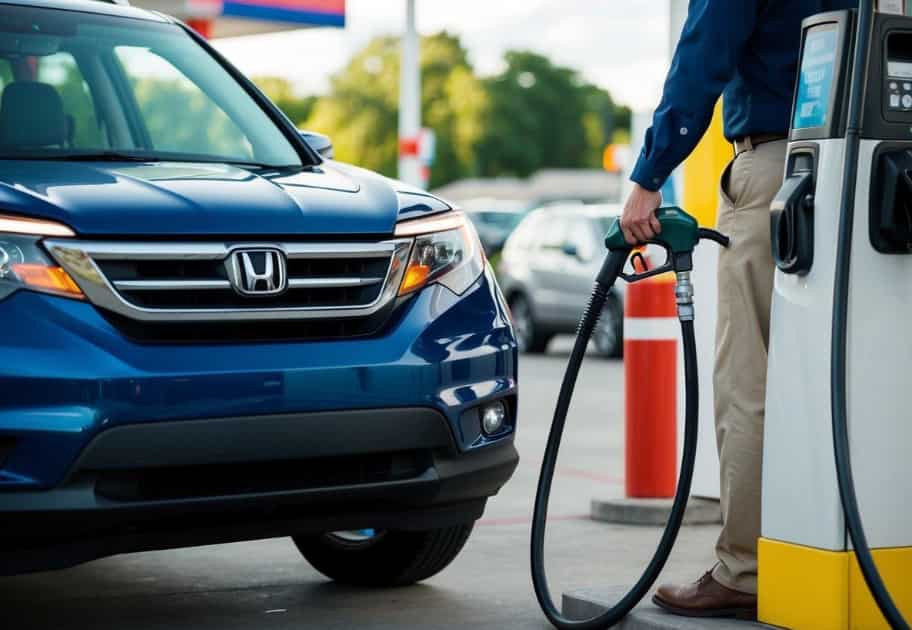
What Gas Type Does the Honda Pilot Use?
The Honda Pilot uses regular unleaded gasoline as its recommended fuel type. Honda designed this SUV to run efficiently on fuel with a minimum octane rating of 87. For most drivers, standard regular gas provides everything the engine needs for smooth operation, reliable performance, and everyday driving.
Many SUV owners assume that larger vehicles require premium fuel. However, the Honda Pilot does not need high octane gasoline for normal use. The engine management system adjusts the combustion process to work effectively with regular unleaded fuel. This design helps owners reduce fuel expenses without sacrificing the driving experience.
The recommended Honda Pilot gas type makes ownership more affordable because drivers can choose widely available fuel at most gas stations. Whether you use the vehicle for commuting, family trips, or highway travel, regular unleaded gasoline remains the practical choice.
Fuel quality still matters. Drivers should purchase gasoline from trusted stations and follow Honda’s fuel recommendations. Using the correct fuel helps maintain engine performance and supports long term reliability.
Some owners choose premium gasoline because they believe it can improve power or fuel economy. However, premium fuel does not provide significant benefits for a Honda Pilot that already uses regular unleaded gasoline. Following the manufacturer’s recommendation remains the best way to balance performance and operating costs.
Does the Honda Pilot Need Premium Gas?
Many Honda Pilot owners wonder if premium gas can improve their SUV’s performance. The short answer is no. The Honda Pilot does not require premium gasoline for normal driving conditions. Honda recommends regular unleaded fuel with an octane rating of 87 or higher.
Premium gasoline has a higher octane rating, but that does not mean it creates more power in every vehicle. High octane fuel helps prevent engine knocking in engines that need extra resistance to pressure. The Honda Pilot engine already works well with regular fuel because Honda designed it around this fuel requirement.
Using premium gas in a Honda Pilot will not usually create noticeable improvements in horsepower, acceleration, or fuel economy. Some drivers may feel a smoother drive, but the difference is often too small to justify the additional cost. For most owners, premium fuel only increases the amount spent at the pump.
Regular unleaded gasoline remains the best choice for daily use. It gives Honda Pilot drivers the right balance between performance and affordability. Owners who frequently drive long distances, carry heavy loads, or use their SUV for family travel can still rely on regular fuel without concern.
Choosing the recommended Honda Pilot gas type helps control ownership costs while keeping the engine running as Honda intended. Drivers should focus more on proper maintenance, driving habits, and fuel quality rather than paying extra for unnecessary premium gasoline.
Honda Pilot Octane Rating Explained: Why 87 Octane Is Recommended
The Honda Pilot octane rating plays an important role in choosing the right fuel for your SUV. Honda recommends gasoline with a minimum octane rating of 87 because the engine design matches this fuel level. For most driving situations, 87 octane regular unleaded gasoline provides reliable performance and efficient operation.
Octane measures how well fuel can resist premature combustion inside the engine. A higher octane rating helps engines that operate with higher pressure or require more resistance to knocking. However, a higher number does not always mean better performance. The engine must be designed to benefit from premium fuel.
The Honda Pilot engine uses advanced technology to manage fuel combustion and maintain smooth operation. Because of this design, the vehicle can deliver consistent performance with regular unleaded gasoline. Drivers do not need to upgrade to premium fuel unless Honda specifically recommends it for a certain model or condition.
Many people believe premium gasoline creates more power in every vehicle. This common misunderstanding can lead owners to spend extra money without receiving real benefits. The Honda Pilot delivers the performance it was designed to provide when drivers use the recommended 87 octane fuel.
Understanding the Honda Pilot gas type helps owners make smarter fuel choices. By following Honda’s recommendation, drivers can maintain engine reliability, reduce fuel costs, and enjoy a confident driving experience.
Honda Pilot Gas Type by Model Year: Fuel Requirements Across Generations
The Honda Pilot gas type has remained consistent across multiple generations. Honda designed this three row SUV to run on regular unleaded gasoline with a minimum octane rating of 87. This fuel recommendation applies to most recent Honda Pilot models and helps owners maintain reliable performance without unnecessary fuel expenses.
The latest Honda Pilot models, including the 2025 Honda Pilot and 2024 Honda Pilot, use regular unleaded gasoline as the recommended fuel. These models continue Honda’s approach of creating efficient engines that deliver strong performance with widely available fuel options. Owners do not need to use premium gasoline for normal driving.
Older Honda Pilot generations also follow a similar fuel requirement. Honda built these SUVs with engines that can operate effectively on regular unleaded fuel. This consistency makes ownership easier because drivers do not need to search for special fuel when traveling or using their vehicles in different locations.
The recommended Honda Pilot fuel requirement may vary slightly depending on the specific market and vehicle specifications. Owners should always check the owner’s manual for the most accurate information about their model year.
Understanding the Honda Pilot gas type by year helps drivers avoid fuel mistakes and manage ownership costs. Whether you own a newer model or an older generation, using the correct octane rating supports engine reliability and keeps the vehicle performing as Honda intended.
How Fuel Choice Affects Honda Pilot Performance and Fuel Economy
The right Honda Pilot gas type helps maintain smooth performance, but fuel choice is only one factor that affects efficiency. Many drivers believe premium gasoline can improve fuel economy. However, the Honda Pilot does not require premium fuel to achieve its expected performance.
The engine design, driving habits, and vehicle condition have a greater impact on Honda Pilot MPG. Factors such as frequent acceleration, heavy cargo, traffic conditions, and weather can change fuel consumption. A well maintained Honda Pilot can deliver better gas mileage with regular unleaded gasoline.
Fuel quality also plays an important role in long term performance. Drivers should choose gasoline from reliable stations and avoid contaminated or low quality fuel. Clean fuel helps the engine maintain consistent operation and supports better efficiency.
The Honda Pilot fuel economy depends on how and where you drive. Highway driving usually provides better efficiency because the engine operates at a steady speed. City driving often uses more fuel because of frequent stops and acceleration.
Using the recommended Honda Pilot gas type allows owners to control fuel costs while maintaining dependable performance. Instead of paying more for premium gasoline, drivers can improve efficiency through regular maintenance, proper tire pressure, and smarter driving habits.
Understanding these factors helps Honda Pilot owners get the best balance between performance, comfort, and everyday fuel savings.
Can You Use E85 or Ethanol Fuel in a Honda Pilot?
Many Honda Pilot owners ask if they can use E85 or ethanol based fuel in their SUV. The answer is no. The Honda Pilot does not support E85 fuel because Honda did not design this vehicle as a flex fuel model.
E85 contains a much higher percentage of ethanol than regular gasoline. Flex fuel vehicles have special fuel system components that can handle this type of fuel. The standard Honda Pilot does not have these components, so drivers should avoid using E85.
Most gasoline sold at fuel stations contains a small amount of ethanol. This type of fuel is different from E85 and works with the Honda Pilot when it meets the manufacturer’s recommendations. Drivers should always check the fuel label and follow the vehicle owner’s manual.
Using the correct fuel helps protect the engine, fuel system, and overall vehicle reliability. Choosing an incompatible fuel type can create unnecessary problems and may affect how the engine performs.
The best choice for the Honda Pilot remains regular unleaded gasoline with the recommended octane rating. This fuel provides the right balance of performance, availability, and cost efficiency for everyday driving.
Understanding Honda Pilot ethanol fuel compatibility helps owners avoid expensive mistakes. By using the correct Honda Pilot gas type, drivers can maintain dependable performance and enjoy a longer vehicle lifespan.
Best Fuel Practices to Keep Your Honda Pilot Reliable
Using the correct Honda Pilot gas type is one of the easiest ways to protect your SUV’s performance and reliability. Honda designed the vehicle to operate with regular unleaded gasoline, so owners should follow the recommended fuel requirements instead of choosing fuel based on assumptions.
Fuel quality matters as much as the fuel type. Drivers should purchase gasoline from trusted fuel stations that maintain clean storage systems. High quality fuel helps the engine run smoothly and reduces the risk of fuel related issues over time.
Regular maintenance also plays an important role in Honda Pilot reliability. Routine oil changes, air filter replacements, and scheduled inspections help the engine work efficiently. Good maintenance habits can support better fuel economy and reduce long term ownership costs.
Drivers should also avoid unnecessary fuel upgrades. Premium gasoline costs more, but it does not provide major benefits when the Honda Pilot already runs well on regular fuel. Following the manufacturer’s recommendation helps owners save money without affecting daily performance.
Smart driving habits can improve fuel efficiency as well. Smooth acceleration, proper tire pressure, and reducing unnecessary weight can help the Honda Pilot achieve better gas mileage.
Choosing the best gas for Honda Pilot means using the recommended fuel, maintaining the vehicle properly, and paying attention to overall driving habits. These simple steps help owners enjoy dependable performance and a more affordable ownership experience.
Frequently Asked Questions About Honda Pilot Gas Type
What gas does a Honda Pilot take?
The Honda Pilot takes regular unleaded gasoline with a minimum octane rating of 87. This fuel type provides the performance and reliability that Honda designed for the vehicle.
No, the Honda Pilot does not require premium gas for normal driving. Regular unleaded gasoline remains the recommended choice for most owners. Premium fuel may cost more without providing noticeable improvements in performance or fuel economy.
What octane rating does Honda Pilot need?
The Honda Pilot needs gasoline with an octane rating of 87 or higher. Drivers should follow the fuel recommendation in their owner’s manual for the most accurate information.
Can I use E85 in a Honda Pilot?
No, standard Honda Pilot models do not support E85 fuel. Owners should use the recommended gasoline type and avoid fuels designed for flex fuel vehicles.
Premium gas is not necessarily better for the Honda Pilot. The engine works efficiently with regular unleaded fuel, and using a higher octane fuel does not guarantee better performance.
Conclusion
Understanding the correct Honda Pilot gas type helps owners make better decisions and avoid unnecessary fuel costs. The Honda Pilot works best with regular unleaded gasoline that has a minimum octane rating of 87. This recommendation gives drivers a practical balance between performance, efficiency, and affordability.
Many owners consider premium fuel because they want to protect their vehicle or improve performance. However, Honda designed the Pilot engine to deliver reliable results with regular gasoline. Following the manufacturer’s recommendation remains the smartest choice for everyday driving.
Fuel choice is only one part of maintaining a dependable SUV. Regular maintenance, good driving habits, and quality fuel from trusted stations also support long term reliability.
Whether you drive a newer Honda Pilot or an older model, choosing the right fuel can help you enjoy a smoother ownership experience. If you own a Honda Pilot, what fuel type do you use most often? Share your experience and let other drivers know what works best for your vehicle.