The Honda Odyssey remains one of the most popular family minivans in the market. Many families choose it because of its spacious cabin, smooth ride, and strong V6 engine. However, some owners have concerns about Honda Odyssey VCM Issues as their vehicles age.
Honda introduced Variable Cylinder Management (VCM) to improve fuel economy. The system can turn off certain cylinders when the engine does not need full power. This process helps reduce fuel consumption during highway driving. However, some owners have reported problems after years of use.
Common complaints include high oil consumption, engine vibration, rough idling, and misfires. These issues can create stress for owners who depend on their Odyssey for daily family trips. Unexpected engine repairs can also become expensive if drivers ignore early warning signs.
Many Honda Odyssey owners want clear answers about VCM problems. They want to know why these issues happen, how to identify them, and what solutions can protect their engines. This guide explains the most common Honda Odyssey VCM Issues, their causes, warning signs, repair options, and prevention methods.
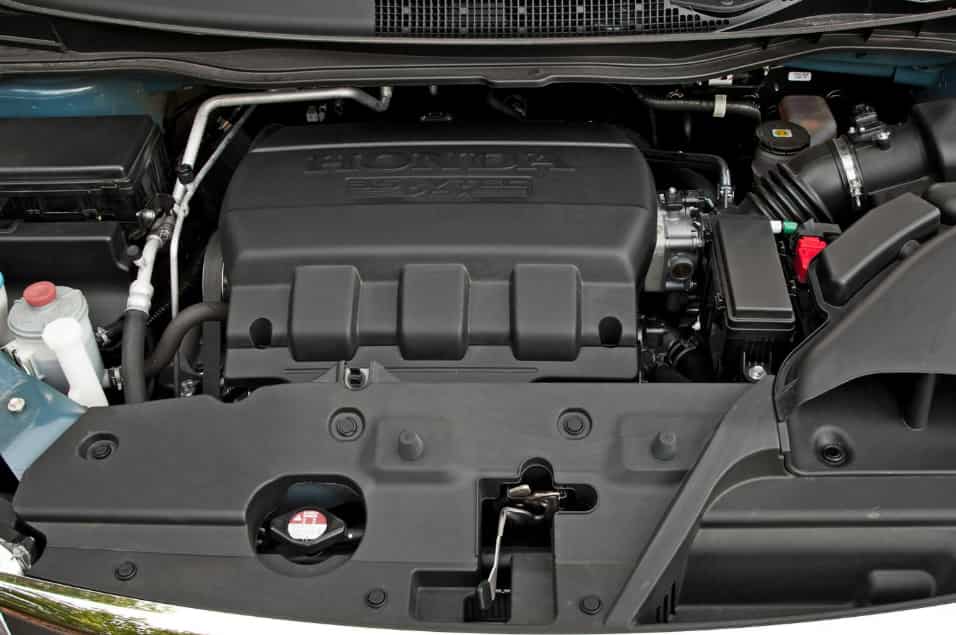
What Is Honda Odyssey VCM and How Does It Work?
Honda Odyssey VCM stands for Variable Cylinder Management. It is a technology that helps improve fuel efficiency by controlling how many cylinders the engine uses during different driving conditions. Honda introduced this system to make its V6 engines more economical without reducing overall performance.
The VCM system works by adjusting cylinder operation based on engine demand. When the vehicle cruises at a steady speed or travels on flat roads, the engine does not need maximum power. In these situations, VCM can deactivate specific cylinders and allow the engine to run with fewer active cylinders. When the driver needs more power, the system quickly returns all cylinders to normal operation.
Honda used VCM technology with several J35 V6 engines, including engines found in many Honda Odyssey models. The J35 engine provides strong acceleration, smooth operation, and enough power for family transportation. VCM helps these engines achieve better fuel economy, especially during long highway trips.
However, the same technology that improves efficiency has also created concerns among some owners. Changes in cylinder operation can affect engine balance, oil control, and combustion conditions over time. These factors explain why many drivers search for information about Honda Odyssey VCM Issues.
Understanding how VCM works helps owners identify potential problems earlier. It also allows them to make better decisions about maintenance, repairs, and long term vehicle ownership.
Common Honda Odyssey VCM Issues Owners Experience
Many Honda Odyssey owners enjoy the performance and comfort of their vehicles. However, some drivers experience engine concerns related to the VCM system after years of use. These problems often appear gradually, which makes early detection important.
One of the most common Honda Odyssey VCM Issues involves excessive oil consumption. Some engines may use more oil than expected, especially after reaching higher mileage. When the engine burns or loses too much oil, owners may need to check and refill the oil level more frequently. Low oil levels can increase engine wear and create more serious problems over time.
Another frequent concern involves engine misfires and rough operation. Drivers may notice shaking, hesitation, or uneven acceleration while driving. In many cases, these symptoms relate to spark plugs, ignition coils, carbon buildup, or cylinder performance. A misfiring engine can reduce power and affect overall driving comfort.
Some owners also report spark plug fouling and carbon deposits. When oil enters the combustion chamber, it can leave deposits on engine components. These deposits may affect combustion quality and reduce engine efficiency. Over time, the vehicle may experience weaker performance and higher maintenance needs.
Engine vibration creates another concern for some Honda Odyssey drivers. Changes in cylinder operation can affect engine smoothness under certain conditions. Drivers may feel vibrations during steady highway speeds or light acceleration.
Not every Honda Odyssey with VCM will develop these problems. Proper maintenance, regular inspections, and early diagnosis can help owners reduce risks and maintain reliable engine performance.
Honda Odyssey VCM Symptoms You Should Watch For
Recognizing early warning signs can help Honda Odyssey owners avoid expensive engine repairs. Many VCM related problems start with small changes in vehicle performance. Drivers who notice these signs early can take action before the issue becomes more serious.
One common symptom is excessive oil consumption. Owners may notice that the engine oil level drops faster than expected between oil changes. Frequent oil top ups can indicate a deeper engine concern that requires further inspection.
Another warning sign is a check engine light. The vehicle may store error codes related to misfires or engine performance. Drivers should not ignore this warning because a small issue can become more expensive if they continue driving without diagnosis.
Engine vibration and rough idling can also indicate possible VCM related problems. A healthy Honda Odyssey engine should operate smoothly during normal driving conditions. If the vehicle shakes while sitting at a stop or feels unstable during acceleration, owners should inspect the engine system.
Reduced acceleration is another symptom that some drivers experience. The vehicle may feel less responsive, especially when climbing hills or carrying heavy loads. Poor engine performance can affect both driving comfort and fuel efficiency.
Some Honda Odyssey owners may also notice lower fuel economy. When the engine does not operate efficiently, it may require more fuel to produce the same level of power.
Other signs include fouled spark plugs, unusual engine noises, and frequent maintenance issues. These symptoms do not always confirm a VCM problem, but they indicate that the vehicle needs proper inspection.
By understanding these Honda Odyssey VCM symptoms, owners can identify potential problems earlier and choose the right solution before major engine damage occurs.
Why Do Honda Odyssey VCM Problems Happen?
Honda Odyssey VCM Issues do not come from a single cause. Several factors can affect how the VCM system performs over time. Understanding these causes helps owners maintain their vehicles and reduce the chance of expensive repairs.
One major factor involves cylinder deactivation. The VCM system changes how the engine operates by turning specific cylinders on and off during certain driving conditions. This process improves fuel efficiency, but frequent changes in cylinder operation can create different conditions inside the engine.
Oil control also plays an important role in VCM related problems. Some engines may develop oil consumption concerns as mileage increases. When the engine uses too much oil, it can affect combustion quality and create additional stress on internal components.
Carbon buildup can create another challenge. Over time, deposits may form on engine parts and affect airflow, fuel mixture, and combustion performance. These deposits can contribute to rough running, misfires, and reduced engine efficiency.
Driving habits can also influence the condition of the VCM system. Vehicles that frequently travel short distances may experience different engine conditions compared with vehicles used mainly for highway driving. Regular operation at proper temperatures helps the engine maintain better performance.
Age and mileage naturally affect engine components. Spark plugs, ignition coils, seals, and other parts may wear over time. When these components become weaker, they can increase the chance of performance issues.
Maintenance plays a key role in preventing Honda Odyssey VCM problems. Regular oil changes, proper inspections, and timely repairs help owners maintain engine reliability and avoid unnecessary damage.
How to Fix Honda Odyssey VCM Issues and Prevent Future Problems
Fixing Honda Odyssey VCM Issues requires the right approach. The best solution depends on the condition of the engine, the symptoms, and the level of damage. Early action can help owners avoid larger repair costs in the future.
Regular maintenance remains one of the most effective ways to protect the engine. Owners should follow the recommended oil change schedule and use the correct engine oil specification. Checking oil levels regularly can also help detect unusual consumption before it causes serious problems.
Spark plug and ignition system inspections can improve engine performance. Worn spark plugs or weak ignition coils can increase the risk of misfires and rough operation. Replacing these components at the right time helps the engine maintain proper combustion.
Some owners choose to install a VCM disable device as a preventive measure. This type of device prevents the system from activating cylinder deactivation under normal driving conditions. Many drivers use this option to reduce concerns related to VCM operation. However, a VCM disable device cannot repair existing engine damage or reverse problems that have already developed.
Professional diagnosis remains important when symptoms appear. A mechanic can use diagnostic tools to check error codes, inspect engine performance, and identify the source of the problem. Proper testing helps prevent unnecessary repairs and ensures that owners choose the correct solution.
In severe cases, the engine may require major repairs. Issues such as internal engine damage or excessive wear can require more extensive work. The repair cost depends on the vehicle’s condition, mileage, and the parts that need replacement.
Preventing Honda Odyssey VCM problems requires consistent care and early attention. Regular maintenance, quick diagnosis, and informed decisions can help owners keep their vehicles reliable for many years.
Honda Odyssey VCM Repair Cost: What Owners Should Expect
The cost of fixing Honda Odyssey VCM Issues depends on the condition of the vehicle and the type of repair required. Some owners only need basic maintenance, while others may face larger engine repair expenses. Understanding possible costs helps drivers prepare before problems become more serious.
A professional diagnostic inspection usually represents the first step. Mechanics use scanning tools and engine tests to identify the source of the problem. This service may cost around $50 to $150, depending on the repair shop and location.
Minor repairs often involve replacing worn components. Spark plug replacement may cost between $200 and $500, while ignition coil replacement can range from $300 to $900. These repairs can improve engine performance when faulty components cause misfires or rough operation.
Some owners choose a VCM disable device as a preventive solution. The device itself usually costs around $100 to $200, excluding installation fees. However, owners should understand that this option does not fix existing engine damage.
Major engine repairs create the highest expenses. If VCM related problems cause internal engine damage, repair costs may reach several thousand dollars. Factors such as labor rates, replacement parts, and the level of damage all affect the final price.
Preventive maintenance often costs much less than major repairs. Regular oil changes, engine inspections, and early diagnosis can help reduce long term ownership costs.
Honda Odyssey owners should focus on identifying problems early instead of waiting for serious symptoms. A small maintenance expense today can prevent a much larger repair bill in the future.
Are Honda Odyssey Models With VCM Still Worth Buying?
Many buyers ask whether Honda Odyssey models with VCM are still a smart choice. The answer depends on the vehicle’s condition, maintenance history, and how the previous owner cared for the engine. While Honda Odyssey VCM Issues have created concerns among some drivers, many models continue to provide reliable transportation.
The Honda Odyssey offers several advantages that make it attractive to families. It provides a spacious interior, comfortable seating, strong V6 performance, and practical features for daily use. The vehicle also has a reputation for long term durability when owners follow proper maintenance schedules.
However, buyers should inspect used models carefully before making a purchase. A vehicle with poor maintenance history may develop problems regardless of the engine technology. Buyers should review service records, check oil consumption history, and perform a professional inspection before completing a purchase.
Mileage also plays an important role. Higher mileage vehicles require closer attention because engine components naturally experience more wear over time. A well maintained Honda Odyssey with higher mileage may still be a better choice than a lower mileage vehicle with neglected maintenance.
Before buying a Honda Odyssey with VCM, potential owners should check for warning signs such as engine vibration, misfires, unusual oil consumption, or previous repair records. A detailed inspection can reveal possible problems before they become expensive repairs.
Honda Odyssey models with VCM are not automatically unreliable. With proper maintenance and careful ownership, many drivers continue to enjoy these vehicles for years. Understanding Honda Odyssey VCM Issues helps buyers make informed decisions and choose a vehicle that matches their needs.
Frequently Asked Questions About Honda Odyssey VCM Issues
What are the most common Honda Odyssey VCM Issues?
The most common Honda Odyssey VCM Issues include excessive oil consumption, engine misfires, rough operation, spark plug fouling, and engine vibration. These problems may appear gradually as the vehicle gains mileage.
Does VCM cause excessive oil consumption in Honda Odyssey?
Some Honda Odyssey owners report higher oil consumption related to VCM operation. However, several factors can contribute to oil usage, including engine condition, mileage, and maintenance history.
Can Honda Odyssey VCM be disabled?
Yes, some owners install VCM disable devices to prevent the system from activating cylinder deactivation. However, these devices do not repair existing engine damage and cannot replace proper maintenance.
Which Honda Odyssey years have VCM problems?
VCM technology appears in several Honda Odyssey models equipped with J35 V6 engines. The risk of problems depends on the vehicle’s condition, mileage, and maintenance history rather than the model year alone.
Is Honda Odyssey still reliable with VCM?
A Honda Odyssey with VCM can still provide reliable performance when owners maintain the vehicle properly. Regular oil changes, inspections, and timely repairs play an important role in long term reliability.
How much does Honda Odyssey VCM repair cost?
Repair costs vary depending on the issue. Basic repairs may cost a few hundred dollars, while major engine repairs can cost several thousand dollars.
Conclusion: Should You Be Concerned About Honda Odyssey VCM Issues?
Honda Odyssey VCM Issues have become an important topic among owners and used car buyers. The VCM system provides fuel efficiency benefits, but some drivers experience concerns such as oil consumption, misfires, and engine vibration over time.
Understanding how VCM works allows owners to recognize warning signs earlier. Regular maintenance, proper inspections, and quick repairs can help protect the engine and reduce long term ownership costs.
For buyers considering a used Honda Odyssey, VCM should not automatically become a reason to avoid the vehicle. Instead, they should focus on maintenance history, engine condition, and previous repairs. A well cared for Odyssey can still offer excellent comfort, performance, and reliability for family transportation.
If you own a Honda Odyssey, share your vehicle year, mileage, and experience with VCM issues. Your real world experience can help other owners understand potential problems and make better maintenance decisions.