A Ford 8N carburetor adjustment is the process of tuning the carburetor to control the correct balance of fuel and air entering the engine. A properly adjusted carburetor helps a Ford 8N tractor start easier, maintain a stable idle, respond smoothly to throttle changes, and operate efficiently under different working conditions.
The Ford 8N uses a carburetor system that depends on precise fuel mixture control. When the adjustment settings are incorrect, the tractor may experience common performance issues such as rough running, engine stalling, excessive fuel consumption, black exhaust smoke, or hesitation during acceleration. These problems often occur because the fuel mixture is too rich or too lean for proper combustion.
This guide explains how to adjust a Ford 8N carburetor correctly by covering the adjustment screws, fuel mixture tuning process, idle speed settings, and common troubleshooting steps. It also explains how the Marvel Schebler carburetor works and when cleaning or rebuilding the carburetor is necessary before making adjustments. By understanding the relationship between carburetor settings and engine performance, Ford 8N owners can maintain more reliable tractor operation and avoid unnecessary replacement of working components.
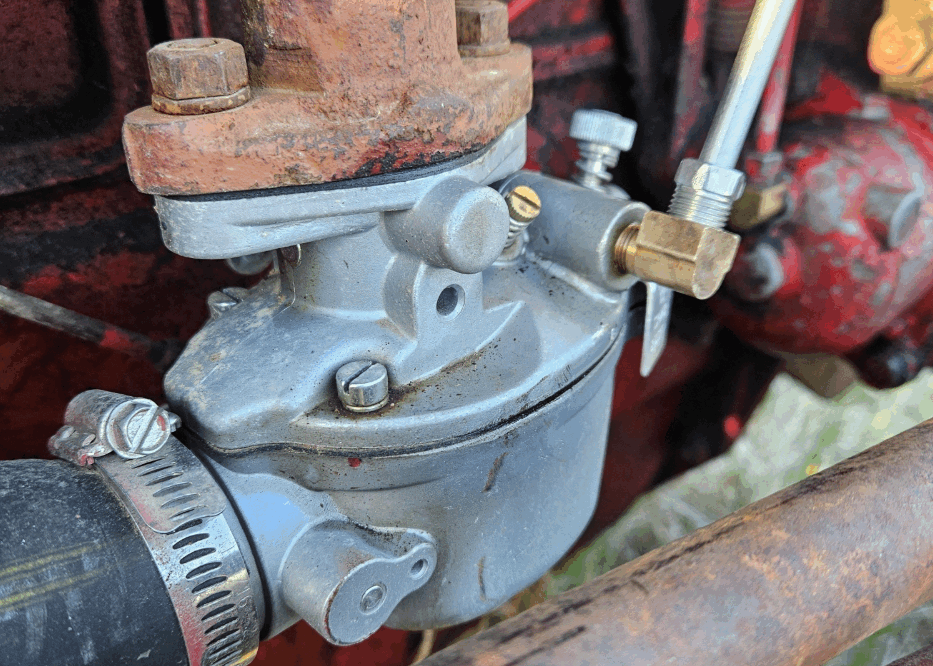
How Do You Adjust a Ford 8N Carburetor Correctly?
A Ford 8N carburetor adjustment starts with preparing the tractor and ensuring that other engine systems are working correctly. The carburetor controls the fuel and air mixture, but it cannot compensate for problems such as weak ignition, dirty fuel, or poor engine compression. Before adjusting the carburetor, warm the Ford 8N engine to normal operating temperature and confirm that the tractor can run without excessive hesitation or stalling.
The correct adjustment process follows a specific sequence. First, start the engine and allow it to reach operating temperature because carburetor settings change between a cold engine and a fully warmed engine. Second, adjust the idle speed so the engine maintains a stable running condition. Third, adjust the fuel mixture using the carburetor adjustment needle until the engine responds smoothly to throttle changes. Finally, test the tractor under different operating conditions and make small adjustments if necessary.
A Ford 8N carburetor adjustment is not simply a matter of turning screws to a fixed position. The goal is to achieve the correct relationship between fuel delivery and airflow. When the mixture contains too much fuel, the engine may produce black smoke, consume more gasoline, and develop carbon deposits. When the mixture contains too little fuel, the engine may run hot, lose power, or hesitate during acceleration.
The final adjustment should create a stable idle, consistent throttle response, and reliable engine performance. A properly tuned Marvel Schebler carburetor allows the Ford 8N tractor engine to burn fuel efficiently while maintaining the power needed for agricultural and restoration work.
What Are the Adjustment Screws on a Ford 8N Carburetor?
The Ford 8N carburetor uses several adjustment points that control different aspects of engine operation. Understanding the function of each adjustment screw is necessary because changing the wrong setting can create new performance problems. The most important adjustment components are the main adjustment needle, the idle adjustment needle, and the throttle stop screw. Each component controls a different operating range of the engine.
The main adjustment needle controls the fuel mixture when the tractor is operating under load. This setting affects how much fuel enters the carburetor compared with the amount of air passing through the system. If the setting allows excessive fuel into the mixture, the engine operates with a rich mixture, which can cause black exhaust smoke, poor fuel economy, and carbon buildup inside the combustion chamber. If the setting provides insufficient fuel, the engine may run with a lean mixture, causing hesitation, reduced power, and increased operating temperature.
The idle adjustment needle controls the fuel mixture when the Ford 8N engine operates at low speed without a heavy load. A correct idle setting allows the engine to maintain a consistent RPM without vibration or frequent stalling. When this adjustment is incorrect, the tractor may struggle to remain running after the throttle is reduced.
The throttle stop screw controls the position of the throttle plate and determines the engine idle speed. This adjustment works together with the idle mixture setting because the engine requires both the correct airflow and fuel supply to maintain smooth operation. Properly adjusting these three components allows the Marvel Schebler carburetor to deliver a balanced fuel mixture throughout different engine conditions.
How Do You Adjust the Fuel Mixture on a Ford 8N Carburetor?
Adjusting the fuel mixture on a Ford 8N carburetor requires balancing the amount of gasoline and air entering the engine for efficient combustion. The fuel mixture directly affects engine power, fuel consumption, exhaust emissions, and operating temperature. A correct adjustment allows the Ford 8N engine to produce consistent power while maintaining smooth operation during different workloads.
The main adjustment needle controls the fuel mixture by changing the amount of fuel delivered through the carburetor system. Turning the adjustment needle changes the fuel flow and alters the ratio between gasoline and air. The correct setting is reached when the engine runs smoothly, responds quickly to throttle movement, and does not show signs of excessive fuel or insufficient fuel delivery.
A rich fuel mixture means the carburetor supplies more fuel than the engine needs for combustion. Common symptoms include black exhaust smoke, a strong gasoline smell, reduced fuel economy, and carbon buildup on spark plugs. These signs indicate that the engine is receiving excess fuel and cannot burn the mixture completely.
A lean fuel mixture means the engine receives too much air and not enough fuel. Common symptoms include hesitation during acceleration, reduced engine power, difficult starting, and higher operating temperatures. A lean mixture can increase combustion temperature because there is insufficient fuel to absorb heat during the combustion process.
The adjustment process should always be performed gradually. Small changes to the main adjustment needle allow the engine response to be observed without creating extreme mixture conditions. After each adjustment, the engine should be tested at idle and under load to confirm that the Ford 8N carburetor provides stable fuel delivery throughout normal operation.
How Do You Adjust the Idle Speed on a Ford 8N Tractor?
Adjusting the idle speed on a Ford 8N tractor helps the engine run smoothly at low RPM. The correct idle setting improves starting, fuel control, and engine stability. A proper adjustment keeps the tractor running without stalling or excessive vibration.
The throttle stop screw controls the idle speed on the Ford 8N carburetor. This screw changes the position of the throttle plate inside the carburetor. A small opening allows the engine to receive enough air and fuel during idle operation.
An idle speed that is too low can cause the engine to stall. The tractor may stop when the operator reduces the throttle. An idle speed that is too high can increase fuel consumption. It can also create unnecessary stress on engine components.
The operator should adjust the idle speed after setting the fuel mixture. The engine needs the correct air and fuel balance before idle tuning can produce accurate results. A wrong mixture can create symptoms that look like idle problems.
For example, a Ford 8N engine that dies at idle may not have a low idle setting. The carburetor may supply too little fuel because of a lean mixture. A dirty fuel passage can create the same problem.
A properly adjusted idle system creates a steady engine sound and smooth throttle response. If the tractor still runs poorly, the owner should inspect other systems. Common causes include clogged carburetor passages, vacuum leaks, ignition timing problems, and fuel delivery issues.
Why Is My Ford 8N Running Poorly After Carburetor Adjustment?
A Ford 8N engine can still run poorly after a carburetor adjustment because other systems affect engine performance. The carburetor controls fuel and air delivery, but the engine also depends on ignition, fuel quality, and mechanical condition. A correct adjustment cannot fix problems outside the carburetor system.
The first common cause is an incorrect fuel mixture setting. A mixture that contains too much fuel can make the engine run rough and produce black smoke. A mixture with too little fuel can cause hesitation, weak acceleration, and higher engine temperature. Small adjustment changes can improve performance, but extreme settings can create new problems.
A dirty carburetor is another common cause of poor running. Old fuel can leave deposits inside the fuel bowl, jets, and passages. These deposits restrict fuel flow and prevent the carburetor from delivering a consistent mixture. In this situation, adjusting the screws will not solve the problem because the fuel system cannot provide stable fuel delivery.
Vacuum leaks can also affect Ford 8N engine performance. A damaged gasket, loose connection, or cracked intake component can allow extra air into the system. This additional air changes the fuel mixture and often creates lean running symptoms.
Ignition timing and spark quality also influence how the tractor performs. A weak spark plug, incorrect timing, or worn ignition components can cause misfires that appear to be carburetor problems. Before making repeated carburetor adjustments, owners should inspect the complete engine system.
Proper troubleshooting requires checking the entire fuel and ignition system. A Ford 8N carburetor adjustment works best when the tractor has clean fuel, correct ignition timing, and a healthy engine.
How Does a Ford 8N Carburetor Work?
A Ford 8N carburetor controls the process of mixing fuel and air before the mixture enters the engine. The carburetor creates the correct fuel mixture that allows the engine to produce power during operation. Without proper fuel and air control, the Ford 8N engine cannot maintain stable combustion.
The original Ford 8N commonly uses a Marvel Schebler carburetor designed for simple and reliable fuel delivery. The carburetor uses several internal components, including the fuel bowl, float, jets, choke, and venturi. Each component performs a specific function during the fuel delivery process.
The fuel bowl stores gasoline before it enters the engine. The float controls the fuel level inside the bowl and helps maintain consistent fuel supply. When the engine draws air through the carburetor, the venturi creates a pressure change that pulls fuel through the jets. The carburetor then combines fuel with air to create a combustible mixture.
The choke helps the engine start by increasing the fuel concentration during cold conditions. A richer mixture allows the engine to ignite more easily when the temperature is low. After the engine warms up, the choke should open to allow normal airflow and fuel control.
The Ford 8N carburetor depends on accurate interaction between these components. A damaged float, blocked jet, or dirty fuel passage can affect the mixture quality. These issues often appear as hard starting, rough running, poor acceleration, or inconsistent engine performance.
Understanding how the carburetor works helps owners perform better adjustments. When a Ford 8N owner knows how fuel moves through the system, they can identify problems faster and avoid unnecessary adjustment changes.
Should You Clean or Rebuild a Ford 8N Carburetor Before Adjusting It?
A Ford 8N carburetor may need cleaning or rebuilding before adjustment if the internal components cannot control fuel flow correctly. Carburetor adjustment only changes existing settings. It cannot remove dirt, repair damaged parts, or restore worn components. A clean and functional carburetor creates a better foundation for accurate tuning.
Cleaning is often necessary when the carburetor contains old fuel deposits, dirt, or blocked passages. Gasoline that remains inside the fuel system for long periods can create varnish and residue. These deposits can restrict fuel movement through the jets and affect the air fuel mixture. Common symptoms include difficult starting, uneven idle, hesitation, and inconsistent engine performance.
A Ford 8N carburetor may require a rebuild when internal parts show signs of wear or damage. A rebuild usually involves replacing components such as gaskets, seals, the needle valve, and other worn parts. A damaged float can also affect fuel level control inside the fuel bowl and create mixture problems.
Owners should inspect the carburetor condition before making repeated adjustment changes. For example, turning the adjustment needle several times will not solve a fuel leak caused by a damaged gasket or a faulty float. These problems require repair instead of tuning.
A clean and properly rebuilt Marvel Schebler carburetor allows more accurate adjustment results. After cleaning or rebuilding, the owner can adjust the fuel mixture and idle speed with greater confidence. This approach improves Ford 8N engine reliability and reduces repeated troubleshooting.
How Can You Keep a Ford 8N Carburetor Properly Tuned?
A Ford 8N carburetor stays properly tuned when the fuel system receives regular maintenance and the engine operates under healthy conditions. Carburetor adjustment is not a one time process because fuel quality, storage conditions, and operating habits can change engine performance over time. Regular maintenance helps the tractor maintain stable fuel delivery and consistent power.
Using clean fuel is one of the most important steps for protecting the carburetor system. Contaminated fuel can introduce dirt, moisture, and deposits into the fuel bowl and passages. These contaminants can restrict fuel flow and create mixture problems. Installing a quality fuel filter and checking the fuel system regularly helps reduce these risks.
Proper storage also affects carburetor performance. A Ford 8N tractor that sits unused for long periods can develop fuel residue inside the carburetor. Before extended storage, owners should prepare the fuel system to prevent deposits from forming. This includes using fresh fuel, maintaining clean components, and following proper storage procedures.
Regular inspections help identify problems before they affect engine performance. Owners should check for fuel leaks, unusual exhaust smoke, unstable idle, and changes in throttle response. These symptoms often indicate that the carburetor or related engine systems need attention.
A properly maintained Ford 8N carburetor provides reliable operation and reduces the need for frequent adjustments. Combining correct tuning with regular fuel system maintenance allows the tractor to deliver consistent performance for agricultural work, restoration projects, and daily operation.
Ford 8N Carburetor Adjustment: Complete Guide to Tuning the Engine
A successful Ford 8N carburetor adjustment depends on understanding how fuel delivery, airflow, and engine performance work together. The carburetor does more than control fuel flow. It determines how efficiently the engine receives the air fuel mixture needed for reliable combustion.
The most important adjustment areas include the main adjustment needle, idle adjustment needle, and throttle stop screw. Correct settings help the Ford 8N engine maintain a stable idle, respond smoothly to throttle changes, and deliver consistent power during operation. If the tractor continues to run poorly after adjustment, owners should inspect related systems such as fuel quality, ignition timing, and carburetor condition.
Regular maintenance also plays an important role in keeping the carburetor tuned. Cleaning fuel passages, checking internal components, and preventing fuel contamination can reduce performance problems and extend the service life of the Marvel Schebler carburetor.
A properly adjusted Ford 8N carburetor allows this classic tractor to operate more efficiently and reliably. By following a systematic adjustment process and diagnosing problems before changing settings, owners can maintain strong engine performance and avoid unnecessary repairs.