If you are shopping for a compact crossover that offers standard all wheel drive, impressive practicality, and a reputation for outdoor adventure, the Subaru Crosstrek has likely caught your attention. However, before making a purchase decision, one important question deserves careful consideration: Are Subaru Crosstreks reliable?
Reliability is often one of the biggest factors influencing car buyers today. Nobody wants to invest thousands of dollars in a vehicle only to face unexpected repair bills, recurring mechanical issues, or expensive maintenance costs a few years down the road. This concern becomes even more significant when comparing the Crosstrek with highly regarded competitors such as the Honda HR V and Toyota Corolla Cross.
The Subaru Crosstrek has built a loyal following thanks to its capable all wheel drive system, excellent safety ratings, and versatile design. Yet, like any vehicle, it is not without its weaknesses. Some potential buyers worry about Subaru’s continuously variable transmission, while others question how well the Crosstrek holds up after accumulating high mileage.
In this comprehensive guide, we will take an in depth look at Subaru Crosstrek reliability. We will examine expert reliability ratings, explore common problems reported by owners, discuss maintenance and repair costs, analyze how long these vehicles typically last, and identify the model years that are considered the best choices. By the end of this article, you will have a clear understanding of whether the Subaru Crosstrek is a dependable investment and whether it deserves a place on your shortlist.
How Reliable Are Subaru Crosstreks Overall?
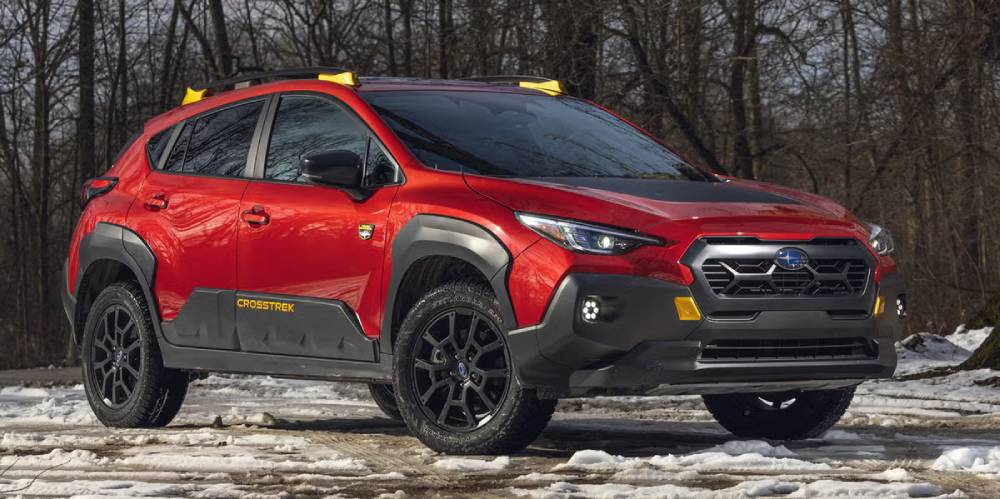
The Subaru Crosstrek has earned a reputation as one of the more dependable options in the compact SUV segment. Since its introduction, the model has consistently appealed to drivers seeking a combination of practicality, safety, and all weather capability. Unlike many competitors that reserve all wheel drive for higher trims, the Crosstrek includes this feature as standard equipment, making it particularly attractive to buyers living in regions with harsh winters or frequent rain.
In terms of overall reliability, the Crosstrek generally performs above average when compared with other vehicles in its class. Many owners report years of trouble free driving, especially when routine maintenance schedules are followed. The vehicle’s naturally aspirated engine options have proven durable over time, and improvements introduced in newer generations have addressed several concerns associated with earlier models.
One of the reasons the Crosstrek maintains a strong reliability image is its relatively simple approach to engineering. While modern technology features continue to evolve, Subaru has avoided introducing unnecessary complexity that could increase the likelihood of expensive repairs. As a result, many Crosstrek owners feel confident keeping their vehicles well beyond the typical ownership period.
That said, no vehicle is perfect. Certain model years have experienced issues involving excessive oil consumption, infotainment glitches, and concerns related to continuously variable transmissions. Understanding these weaknesses allows buyers to make informed decisions rather than relying solely on brand reputation.
For shoppers prioritizing longevity and dependability, the Subaru Crosstrek remains a compelling choice. Its combination of solid build quality, strong safety credentials, and generally positive ownership experiences contributes to its standing as one of the more reliable compact crossovers available today.
What Reliability Ratings Does the Subaru Crosstrek Receive?
Reliability ratings provide valuable insight into how a vehicle performs in real world conditions. While individual experiences may vary, evaluations from industry experts and owner surveys can help paint a broader picture of long term dependability.
Organizations that assess vehicle reliability often consider factors such as reported mechanical problems, repair frequency, owner satisfaction, and the severity of issues experienced over time. The Subaru Crosstrek has frequently received favorable assessments in these areas, reinforcing its reputation as a trustworthy daily driver.
Owner satisfaction is another area where the Crosstrek tends to perform well. Many drivers praise the vehicle’s confidence inspiring all wheel drive system, comfortable ride quality, and practical interior layout. Owners who enjoy outdoor activities often appreciate the Crosstrek’s ground clearance and versatility, describing it as a vehicle that adapts well to both urban environments and weekend adventures.
Despite these strengths, some recurring concerns do appear in owner feedback. Infotainment systems in certain model years have been criticized for slow response times or connectivity issues. A smaller number of drivers have also expressed concerns about transmission behavior, particularly in earlier generations equipped with continuously variable transmissions.
When reliability ratings are viewed alongside owner experiences, a balanced conclusion emerges. The Subaru Crosstrek may not achieve perfection, but it consistently ranks among the stronger performers within the compact SUV category. For buyers seeking a vehicle that offers a favorable blend of practicality and dependability, the Crosstrek continues to be a solid contender.
Common Subaru Crosstrek Problems Owners Should Know About
Although the Subaru Crosstrek is widely regarded as reliable, prospective buyers should understand the most frequently reported issues associated with the model. Being aware of these concerns can help owners identify problems early and potentially avoid costly repairs.
One of the most discussed topics involves the continuously variable transmission found in many Crosstrek models. While many owners experience no significant problems, others have reported hesitation during acceleration, unusual noises, or inconsistent performance. Subaru has implemented updates and refinements over the years, which have improved the driving experience in newer vehicles.
Another issue occasionally mentioned by owners of older Crosstrek models is excessive oil consumption. Drivers may notice that the engine requires oil top offs between scheduled service intervals. Monitoring oil levels regularly and adhering to recommended maintenance schedules can help minimize the risk of engine related complications.
Technology related complaints have also surfaced in owner forums and reviews. Certain infotainment systems have been criticized for delayed responses, freezing screens, or smartphone connectivity interruptions. Although these problems are often inconvenient rather than serious, they can affect overall ownership satisfaction.
Some owners have additionally reported concerns involving windshield durability. Instances of cracked windshields occurring without obvious impact have generated discussion among consumers. While such experiences do not affect every vehicle, they remain an aspect worth considering, especially for those planning long term ownership.
It is important to remember that these issues represent potential concerns rather than guaranteed outcomes. Many Subaru Crosstrek owners enjoy years of dependable service without encountering any major mechanical difficulties. Conducting thorough research, reviewing maintenance records, and obtaining a professional inspection before purchasing a used model can significantly reduce the likelihood of unexpected surprises.
How Long Do Subaru Crosstreks Last?
One of the most common questions among potential buyers is how many miles a Subaru Crosstrek can realistically last. After all, reliability is not just about avoiding repairs during the first few years of ownership. True dependability means a vehicle can continue performing well long after the warranty period has ended.
The good news is that many Subaru Crosstreks are capable of reaching 200,000 miles or more when properly maintained. Some owners have reported exceeding 250,000 miles while still using the vehicle as a daily driver. This level of longevity places the Crosstrek among the more durable choices in the compact SUV segment.
Several factors influence how long a Crosstrek will last. Routine maintenance is perhaps the most important. Following the manufacturer’s recommended service schedule for oil changes, fluid replacements, brake inspections, and tire rotations can significantly extend the life of critical components. Ignoring basic maintenance, on the other hand, can shorten a vehicle’s lifespan regardless of its initial build quality.
Driving habits also play an important role. Frequent aggressive acceleration, towing beyond recommended limits, or neglecting warning signs such as unusual noises can accelerate wear and tear. Conversely, responsible driving and prompt attention to minor issues often help prevent more serious and expensive repairs.
Climate conditions should not be overlooked either. Vehicles exposed to heavy road salt during winter months may be more susceptible to corrosion if not cleaned regularly. Drivers who frequently travel on rough terrain may also place additional stress on suspension components and tires.
Ultimately, the Subaru Crosstrek has demonstrated that it can be a long term companion for owners who invest in preventive care. For buyers seeking a compact crossover capable of delivering years of dependable service, the Crosstrek remains a strong candidate.
Are Subaru Crosstreks Expensive to Maintain?
Maintenance costs are another critical consideration for anyone evaluating the Subaru Crosstrek. Even a reliable vehicle can become burdensome if routine upkeep strains the household budget. Fortunately, the Crosstrek generally falls within a reasonable range compared with many competitors in the compact SUV category.
Basic maintenance services such as oil changes, air filter replacements, and tire rotations are typically straightforward and affordable. However, because the Crosstrek comes standard with all wheel drive, owners should pay closer attention to tire maintenance. Uneven tire wear can place unnecessary strain on the drivetrain, making regular rotations especially important.
Brake service costs are usually comparable to those of similar vehicles. Factors such as driving style and local traffic conditions will influence how frequently brake pads and rotors require replacement. Drivers who spend most of their time in stop and go traffic may find themselves scheduling brake service more often.
One area that occasionally raises concern among owners is the continuously variable transmission. While many Crosstrek owners never encounter transmission related issues, repairs involving this component can be expensive if problems develop outside warranty coverage. This is one reason why maintaining complete service records is beneficial, particularly for used vehicle buyers.
Despite these considerations, the Crosstrek does not have a reputation for excessive ownership costs. Many owners appreciate that the vehicle balances capability with manageable maintenance requirements. When routine care is prioritized, annual expenses often remain predictable and relatively moderate.
For budget conscious consumers seeking a practical crossover with standard all wheel drive, the Subaru Crosstrek presents an appealing ownership proposition. Understanding expected maintenance needs in advance can help buyers plan effectively and avoid unpleasant financial surprises.
Which Subaru Crosstrek Model Years Are the Most Reliable?
Not all model years perform equally, making it important for prospective buyers to identify which Subaru Crosstreks have established the strongest reliability records. While improvements introduced over time have enhanced the overall ownership experience, certain years tend to receive more favorable feedback than others.
Newer Crosstrek models often benefit from engineering refinements, updated technology, and lessons learned from previous generations. Improvements to transmission performance, enhanced safety systems, and upgraded interior features have contributed to increasing owner satisfaction. Buyers interested in maximizing reliability may find these later model years particularly attractive.
At the same time, some earlier versions of the Crosstrek have generated a greater number of owner complaints. Concerns related to oil consumption and transmission behavior have been more frequently associated with specific production years. This does not necessarily mean those vehicles should be avoided entirely, but it does highlight the importance of conducting thorough inspections and reviewing maintenance histories before purchasing.
For shoppers considering a used Subaru Crosstrek, obtaining a vehicle history report is highly recommended. Documentation showing consistent maintenance, timely repairs, and completion of manufacturer recalls can provide valuable reassurance. A pre purchase inspection performed by a qualified mechanic can also uncover potential issues that may not be immediately visible during a test drive.
Buyers should remember that individual vehicle condition often matters more than model year alone. A well maintained Crosstrek with higher mileage may prove to be a better investment than a neglected example with fewer miles on the odometer.
Choosing the right Subaru Crosstrek requires balancing budget considerations with reliability expectations. By researching model specific trends and prioritizing vehicles with strong maintenance records, buyers can increase their chances of enjoying years of dependable ownership.
Subaru Crosstrek vs Competitors: Which Is More Reliable?
The compact SUV segment is highly competitive, and the Subaru Crosstrek faces strong rivals from brands that have built impressive reputations for reliability. Among the most frequently compared alternatives are the Honda HR V and the Toyota Corolla Cross. Understanding how the Crosstrek measures up against these competitors can help buyers make a more informed decision.
The Honda HR V is often praised for its practical interior, smooth ride quality, and low ownership costs. Honda has long been recognized for producing dependable vehicles, and the HR V generally reflects that tradition. Owners appreciate its fuel efficiency and straightforward maintenance requirements. However, unlike the Crosstrek, all wheel drive may not be standard across every trim level, which could influence purchasing decisions for drivers who regularly encounter challenging road conditions.
The Toyota Corolla Cross is another formidable competitor. Toyota’s reputation for durability and strong resale values gives the Corolla Cross a significant advantage in the eyes of many consumers. The vehicle offers comfortable daily usability and a history of reliable engineering practices. Buyers seeking maximum peace of mind may naturally gravitate toward Toyota products because of the brand’s established track record.
Where the Subaru Crosstrek distinguishes itself is in its balance of capability and reliability. Standard all wheel drive, generous ground clearance, and a rugged personality make it appealing to active individuals and families who enjoy outdoor activities. While maintenance costs may occasionally exceed those associated with some front wheel drive competitors, many owners consider the added confidence and versatility well worth the investment.
Ultimately, there is no universal winner because priorities differ from one buyer to another. Those seeking the lowest possible maintenance expenses may lean toward Honda or Toyota. Buyers who value all weather capability and adventure ready performance without sacrificing dependability may find the Subaru Crosstrek to be the ideal fit.
Should You Buy a Used Subaru Crosstrek?
Purchasing a used Subaru Crosstrek can be an excellent way to access the model’s strengths while avoiding the higher cost associated with buying new. However, a successful used car purchase requires careful evaluation and attention to detail.
One of the first steps is reviewing the vehicle’s maintenance history. Service records provide valuable insight into how responsibly the previous owner cared for the car. Regular oil changes, scheduled inspections, and documented repairs often indicate that the vehicle has received proper attention throughout its life.
Prospective buyers should also pay close attention during the test drive. The transmission should operate smoothly without hesitation, unusual noises, or abrupt changes in performance. Steering response should feel predictable, and the suspension should absorb road imperfections without excessive rattling or vibrations.
A thorough inspection of the vehicle’s exterior and interior can reveal signs of neglect or previous damage. Uneven tire wear may indicate alignment issues, while evidence of leaks beneath the vehicle could signal developing mechanical concerns. Checking that all electronic features function properly is equally important, particularly infotainment systems and driver assistance technologies.
Obtaining a professional pre purchase inspection is strongly recommended. Experienced technicians can identify hidden issues that may escape the attention of the average buyer. The relatively small cost of an inspection can potentially save thousands of dollars in future repair expenses.
For shoppers willing to conduct proper research, a used Subaru Crosstrek often represents excellent value. A well maintained example can deliver many of the same benefits as a new model, including practicality, safety, and dependable all wheel drive performance at a more affordable price point.
Final Verdict: Are Subaru Crosstreks Reliable?
After examining reliability ratings, owner experiences, maintenance considerations, common problems, and long term durability, one conclusion becomes clear. The Subaru Crosstrek has earned its place among the more reliable compact crossovers available today.
Like any vehicle, it is not completely free from flaws. Certain model years have generated concerns involving oil consumption, infotainment glitches, or transmission related complaints. Nevertheless, these issues do not define the ownership experience for most drivers. In fact, many Crosstrek owners report years of dependable performance with few unexpected repairs beyond routine maintenance.
The Crosstrek’s strengths extend beyond reliability alone. Standard all wheel drive, strong safety credentials, practical cargo space, and comfortable everyday usability contribute to its widespread appeal. It is a vehicle that adapts well to commuting duties during the week while remaining ready for weekend adventures and changing weather conditions.
For buyers prioritizing absolute minimal ownership costs, alternatives from Honda or Toyota may deserve consideration. However, for those seeking a crossover that combines capability, versatility, and above average dependability, the Subaru Crosstrek stands out as an attractive option.
So, are Subaru Crosstreks reliable? The answer is yes. With proper maintenance and careful selection of model year, the Subaru Crosstrek can provide many years and hundreds of thousands of miles of trustworthy service. Whether you are purchasing new or exploring the used market, this compact SUV remains a smart choice for drivers who value both practicality and peace of mind.
Before making a final decision, take the time to research the specific vehicle you are considering, review its maintenance records, and schedule a comprehensive inspection. A little preparation today can lead to a far more satisfying ownership experience tomorrow.
Frequently Asked Questions About Subaru Crosstrek Reliability
Are Subaru Crosstreks expensive to repair?
In general, Subaru Crosstreks are not considered expensive to repair compared with other compact SUVs equipped with all wheel drive systems. Routine maintenance costs are usually reasonable, although certain repairs involving the continuously variable transmission can become costly if they occur outside warranty coverage. Keeping up with scheduled maintenance is one of the best ways to minimize long term repair expenses.
How many miles can a Subaru Crosstrek last?
A well maintained Subaru Crosstrek can often exceed 200,000 miles. Some owners report reaching 250,000 miles or more with consistent servicing and responsible driving habits. Factors such as maintenance history, driving conditions, and overall care significantly influence a vehicle’s lifespan.
What are the most common Subaru Crosstrek problems?
Some of the most frequently reported concerns include transmission related complaints in certain model years, excessive oil consumption in older models, infotainment system glitches, and occasional reports of windshield cracking. However, many owners never experience these issues during their ownership period.
Which Subaru Crosstrek model years are the most reliable?
Later model years generally benefit from engineering improvements and updated technology. When shopping for a used Crosstrek, buyers should prioritize vehicles with complete maintenance records and evidence that any manufacturer recalls have been addressed. The overall condition of the vehicle often matters more than the model year itself.
Is the Subaru Crosstrek more reliable than its competitors?
The Subaru Crosstrek is widely regarded as one of the more reliable compact crossovers on the market. Toyota models may hold a slight advantage in terms of long term reputation, while Honda vehicles are often associated with lower ownership costs. However, the Crosstrek distinguishes itself through its standard all wheel drive system and impressive versatility.
Is a used Subaru Crosstrek worth buying?
Yes, a used Subaru Crosstrek can be an excellent purchase if it has been properly maintained. Buyers should review service records, obtain a vehicle history report, complete a thorough test drive, and invest in a professional pre purchase inspection before finalizing the transaction.
Final Thoughts
The Subaru Crosstrek continues to attract drivers who want a practical, adventure ready vehicle without sacrificing everyday dependability. While no car is entirely immune to mechanical issues, the Crosstrek has consistently demonstrated above average reliability when maintained according to manufacturer recommendations.
Its combination of standard all wheel drive capability, solid safety performance, comfortable driving dynamics, and strong owner satisfaction makes it a compelling option within the competitive compact SUV segment. Whether you are considering a brand new model or exploring the used market, understanding the strengths and potential weaknesses of the Crosstrek will help you make a confident decision.
If reliability ranks high on your list of priorities, the Subaru Crosstrek deserves serious consideration. By selecting the right model year and committing to regular maintenance, you can enjoy a vehicle that delivers both peace of mind and the flexibility to handle daily commutes, road trips, and outdoor adventures for many years to come.