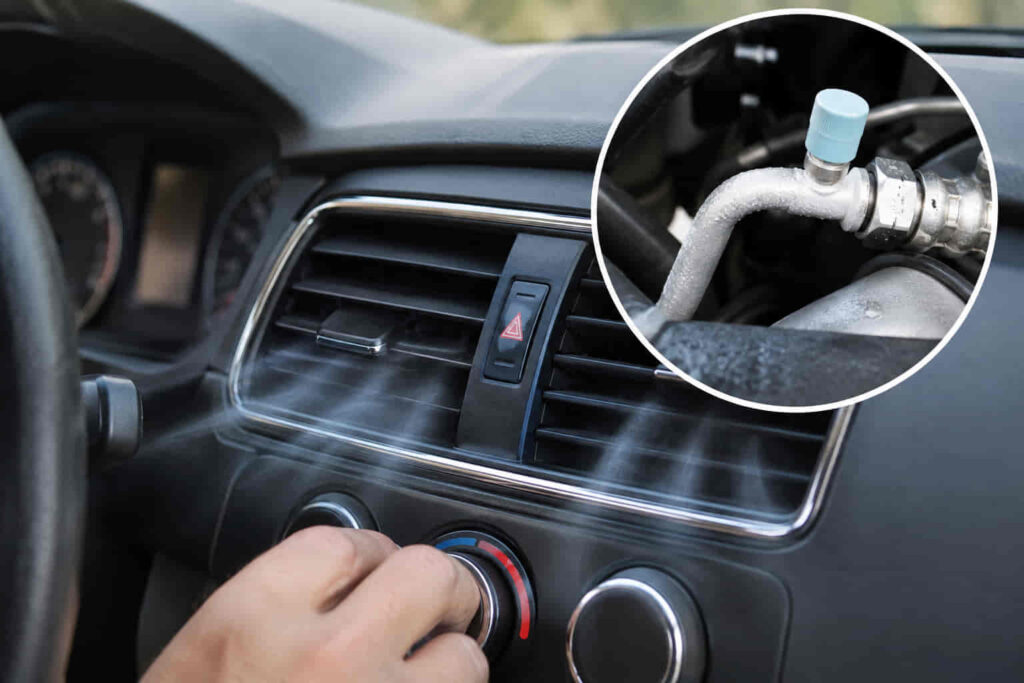
A car AC making a hissing noise can indicate normal refrigerant flow, pressure equalization, or a problem within the air conditioning system. The sound often comes from the expansion valve as refrigerant moves between high-pressure and low-pressure sections of the AC system. However, a persistent hissing sound accompanied by weak cooling may indicate a refrigerant leak, restricted airflow, or a malfunctioning component that requires inspection.
The timing and location of the noise provide important clues about its cause. A brief hissing sound when the AC starts or shuts off may be part of normal system operation, while continuous hissing near refrigerant lines or the compressor deserves closer attention. For example, a vehicle that produces a short hiss after the compressor stops but maintains consistent cooling may be experiencing normal pressure equalization. In contrast, a car that gradually loses cooling performance while producing continuous hissing may have a refrigerant leak.
Understanding why your car AC makes a hissing noise helps you distinguish normal operating sounds from potential mechanical problems. This guide explains the common causes, how to identify the source, whether the noise indicates a refrigerant leak, available repair options, and how to prevent the problem from returning.
Why Is My Car AC Making a Hissing Noise?
A car AC makes a hissing noise primarily because refrigerant moves through components that regulate pressure and control its flow. The expansion valve or orifice tube creates a pressure difference as refrigerant travels from the high-pressure side to the low-pressure side of the air conditioning system. This pressure change can produce a brief hissing sound during normal operation. However, continuous hissing may indicate refrigerant escaping through a damaged connection, leaking hose, or faulty AC component.
The expansion valve is one of the most common locations associated with normal refrigerant-flow noises. It regulates how much refrigerant enters the evaporator based on the cooling demand and operating conditions. As high-pressure liquid refrigerant passes through the valve, its pressure drops and the refrigerant begins changing state. This rapid expansion can create a noticeable hissing or rushing sound, particularly when the AC compressor is operating. For example, a driver may hear a short hiss behind the dashboard when the AC starts cooling, even though the system maintains normal cooling performance.
Pressure equalization can also explain why a car AC produces a hissing sound after the compressor stops. During operation, the refrigeration circuit maintains different pressure levels between its high-pressure and low-pressure sections. When the compressor disengages, refrigerant pressure gradually moves toward equilibrium through the system’s internal flow paths. This process may produce a brief hissing sound near the evaporator or expansion device. The sound is generally less concerning when it stops shortly afterward and the air conditioner continues functioning normally.
A refrigerant leak creates a different type of hissing noise because pressurized refrigerant escapes through an opening in the sealed AC circuit. Common leak locations include rubber hoses, aluminum refrigerant lines, service ports, O-ring connections, and condenser joints. The escaping gas may produce a continuous or intermittent hiss, depending on leak size and system pressure. A vehicle that develops weaker cooling performance alongside persistent hissing requires refrigerant leak inspection rather than simply adding more refrigerant.
The location, duration, and operating conditions of the noise help distinguish normal refrigerant movement from a potential malfunction. A brief hiss near the dashboard during startup may be associated with expansion valve operation, while persistent noise near an exposed refrigerant line may indicate leakage. Nevertheless, sound alone cannot confirm the source. A proper diagnosis must consider cooling performance, refrigerant pressure, component condition, and appropriate leak-detection results.
Is a Hissing Noise From Car AC Normal?
Yes, a hissing noise from car AC can be normal when refrigerant flows through the expansion valve or when pressure equalizes after the compressor shuts off. These sounds occur because the air conditioning system continuously changes refrigerant pressure and temperature during operation. A brief, soft hiss that disappears without affecting cooling performance is generally less concerning than a loud, persistent noise accompanied by weak airflow or reduced cooling.
The expansion valve naturally produces refrigerant-flow sounds as it regulates the amount of refrigerant entering the evaporator. When high-pressure liquid refrigerant passes through the valve, its pressure decreases rapidly, allowing it to expand and absorb heat inside the evaporator. This process can create a short hissing or rushing sound behind the dashboard. For example, a driver may hear a faint hiss shortly after switching on the AC, followed by consistent cold airflow from the dashboard vents. When the system operates normally, this sound does not necessarily indicate a damaged component.
Pressure equalization is another normal process that can produce hissing after the AC compressor stops. While the compressor operates, refrigerant circulates between the high-pressure and low-pressure sections of the system. When the compressor disengages, pressure differences gradually decrease as refrigerant moves through the internal components. This process may create a brief hissing sound near the expansion valve or evaporator. The noise generally stops once pressure stabilizes, although its duration varies depending on the vehicle’s AC design and operating conditions.
An abnormal hissing noise usually has different characteristics. A continuous hiss, especially when accompanied by reduced cooling performance, may indicate refrigerant escaping through a damaged hose, leaking connection, condenser, or evaporator. A loud noise that becomes progressively stronger or appears alongside repeated AC cycling also deserves professional inspection. For example, a vehicle that initially produces cold air but gradually loses cooling while a persistent hiss develops may have a refrigerant leak that reduces the amount of refrigerant circulating through the system.
The location of the sound also helps determine whether it is associated with normal operation or a potential fault. A faint hiss behind the dashboard during refrigerant expansion may be normal, whereas a continuous sound near an exposed refrigerant line or compressor connection requires further investigation. However, neither sound location nor duration independently confirms a specific failure. A technician should evaluate refrigerant pressure, inspect connections, and perform appropriate leak testing before recommending repairs.
A brief hissing noise does not automatically mean your car AC is damaged. The most important distinction is whether the sound occurs briefly during normal refrigerant circulation or continues alongside symptoms such as poor cooling, repeated compressor cycling, or visible signs of leakage.
Read more: car ac smells bad when first turned on
What Causes a Hissing Noise in a Car AC System?
A hissing noise in a car AC system can result from five main mechanical or refrigerant-related conditions: normal refrigerant expansion, refrigerant leaks, expansion valve problems, abnormal system pressure, and restricted airflow or component contamination. Each condition produces different symptoms depending on the affected component and operating conditions. Identifying the source is important because a normal refrigerant-flow sound requires no repair, while a leak or malfunctioning component may reduce cooling performance and damage the AC system if ignored.
Refrigerant expansion through the expansion valve is one common explanation for hissing during normal AC operation. The expansion valve regulates refrigerant flow into the evaporator by creating a pressure drop between the high-pressure and low-pressure sections of the system. As refrigerant passes through the narrow valve opening, its pressure and temperature decrease rapidly. This process can produce a noticeable hissing sound behind the dashboard. The noise is generally less concerning when it occurs briefly and the AC continues producing consistently cold air.
A refrigerant leak can produce a more persistent hissing sound when pressurized refrigerant escapes through a damaged component or connection. Common leak locations include rubber refrigerant hoses, aluminum lines, O-rings, service ports, condenser connections, and evaporator assemblies. The escaping refrigerant may create a continuous or intermittent noise depending on the size of the opening and the pressure inside the system. For example, a vehicle that produces a hiss near the condenser while gradually losing cooling performance may have a leak that requires professional detection and repair.
A malfunctioning expansion valve can also contribute to unusual hissing noises and inconsistent cooling. The valve controls how much refrigerant enters the evaporator according to system operating conditions. If it becomes restricted, sticks, or fails to regulate refrigerant flow correctly, the pressure distribution and cooling performance may become abnormal. Drivers may notice inconsistent vent temperatures, unusual cycling, or insufficient cooling alongside the noise. However, these symptoms are not exclusive to expansion valve failure because incorrect refrigerant charge and other AC faults can produce similar behavior.
Abnormal refrigerant pressure can create additional operating noise when the system contains an incorrect refrigerant charge or experiences restricted heat transfer. An undercharged system may have insufficient refrigerant circulation, while overcharging can increase operating pressures beyond the intended range. A dirty condenser, malfunctioning cooling fan, or restricted airflow across the condenser can also contribute to elevated system pressure. For example, a vehicle that develops weak cooling while stationary but improves at highway speeds may have a condenser airflow problem that requires inspection. Pressure measurements using appropriate service equipment are necessary to distinguish these conditions.
Finally, restricted airflow or contamination around HVAC components can sometimes create sounds that resemble refrigerant hissing. A dirty cabin air filter, obstructed ventilation passage, or blower motor problem may produce whistling or rushing-air noises when the fan operates. These sounds originate from the airflow system rather than refrigerant escaping from the sealed AC circuit. Comparing the noise at different blower speeds can help identify whether the sound changes with airflow, although further inspection may still be necessary to confirm the source.
The cause of a car AC hissing noise depends on its location, duration, and relationship with cooling performance. Normal refrigerant expansion, pressure-related problems, refrigerant leaks, and airflow restrictions require different diagnostic approaches. Replacing parts or adding refrigerant without identifying the actual cause may increase repair costs without resolving the noise.
Why Does My Car AC Make a Hissing Noise When Turned On or Off?
A car AC can make a hissing noise when turned on or off because refrigerant pressure changes as the compressor starts or stops circulating refrigerant. When the AC activates, the compressor creates pressure differences between the high-pressure and low-pressure sections of the refrigeration circuit. When it shuts down, these pressure differences gradually decrease. Both processes can produce brief hissing sounds around the expansion valve, evaporator, or refrigerant lines without necessarily indicating a mechanical failure.
When the AC is first turned on, the compressor begins circulating refrigerant through the condenser, expansion valve, and evaporator. As refrigerant passes through the expansion valve, its pressure drops before entering the evaporator, where it absorbs heat from cabin air. This rapid pressure change can produce a short hissing or rushing sound behind the dashboard. For example, a driver may hear a faint hiss immediately after pressing the AC button, followed by normal cooling from the dashboard vents. If the noise remains brief and cooling performance stays consistent, it may represent normal refrigerant operation.
A hissing noise after turning off the AC can result from pressure equalization within the refrigeration circuit. While the compressor operates, the system maintains different pressures on its high-pressure and low-pressure sides. Once the compressor disengages, refrigerant continues moving through internal flow paths as pressure gradually becomes more balanced. This process may produce a short hissing sound near the expansion valve or evaporator. The sound can be noticeable after a long drive on a hot day because the AC system has been operating under substantial cooling demand.
However, a continuous hiss that starts when the AC activates and persists throughout operation may indicate refrigerant leakage or abnormal pressure conditions. A damaged refrigerant hose, loose connection, deteriorated O-ring, or leaking condenser can allow pressurized refrigerant to escape. The vehicle may also develop weak cooling, repeated compressor cycling, or inconsistent vent temperatures. For example, a car that produces a persistent hiss near the engine compartment while gradually losing cooling performance should undergo professional leak testing.
The location of the noise helps narrow down the possible source. A brief sound behind the dashboard may be associated with refrigerant expansion or pressure equalization, while a persistent hiss near refrigerant lines or AC connections deserves closer inspection. If the noise changes significantly with blower speed rather than compressor operation, the source may instead involve restricted airflow or the blower assembly.
The most important distinction is whether the hissing stops shortly after the AC changes operating state or continues during normal operation. Brief startup and shutdown sounds may be part of normal refrigerant circulation, but persistent noise accompanied by reduced cooling requires further diagnosis.
How Can You Tell If a Hissing Noise From Car AC Is a Refrigerant Leak?
A hissing noise from car AC may indicate a refrigerant leak when it occurs continuously near refrigerant lines or AC components and is accompanied by reduced cooling performance. Refrigerant escaping through a damaged hose, loose connection, leaking O-ring, or condenser can produce a hissing sound as pressurized gas leaves the sealed system. However, the sound alone cannot confirm a refrigerant leak because normal refrigerant expansion through the expansion valve can produce a similar noise.
One important warning sign is gradually declining cooling performance. When refrigerant escapes from the AC circuit, the system may no longer contain enough refrigerant to transfer heat efficiently. Drivers may notice that dashboard vents produce warmer air, cooling takes longer than usual, or the AC struggles to maintain a comfortable cabin temperature. For example, a vehicle that previously produced cold air within several minutes may gradually lose cooling performance while developing a persistent hissing sound near the engine compartment. This combination warrants professional inspection for refrigerant leakage.
The location of the hissing sound can provide additional diagnostic information. Refrigerant leaks may occur around condenser connections, compressor seals, refrigerant hoses, service ports, and evaporator assemblies. A hiss near an accessible engine-compartment connection may indicate a leak in that area, while a noise behind the dashboard may originate from the evaporator or expansion valve. However, sound transmission through the vehicle structure makes it difficult to identify the exact leak location by listening alone.
Visible oily residue around AC connections can also indicate a possible refrigerant leak. Automotive refrigerant systems circulate compressor oil alongside refrigerant, and escaping refrigerant may carry small amounts of oil through a damaged connection. A technician may inspect suspicious areas using an electronic refrigerant leak detector, approved ultraviolet dye when appropriate, or another manufacturer-recommended leak detection method. These methods help locate small leaks that cannot be identified through sound or visual inspection alone.
A professional AC pressure test can provide additional information about the system’s condition. Technicians use appropriate service equipment to evaluate refrigerant pressure and operating behavior under specified conditions. Abnormal pressure readings may indicate an incorrect refrigerant charge, restricted flow, or another system fault, but pressure measurements must be interpreted alongside other diagnostic findings. Simply adding refrigerant without identifying the underlying cause may temporarily restore cooling while allowing the leak to continue.
Refrigerant leaks require proper repair and handling because automotive refrigerants operate under pressure and may present safety or environmental risks. Owners should not loosen refrigerant connections, release refrigerant intentionally, or attempt repairs without the required equipment and training. A qualified technician can locate the leak, repair or replace the damaged component, recover and recharge refrigerant according to manufacturer specifications, and verify that the system operates correctly.
A hissing noise is more concerning when it occurs alongside declining cooling performance, oily residue, or repeated refrigerant loss. Confirming a refrigerant leak requires appropriate inspection and leak-detection equipment rather than relying on the sound alone.
How Do You Find the Source of a Hissing Noise in Your Car AC?
To find the source of a hissing noise in your car AC, observe when the sound occurs, identify its approximate location, compare how it changes with AC operating conditions, and check whether cooling performance has declined. These observations help distinguish normal refrigerant-flow sounds from potential leaks, expansion valve problems, and airflow restrictions. However, identifying the exact source requires appropriate automotive diagnostic equipment, particularly when refrigerant pressure or sealed AC components are involved.
Start by observing whether the noise occurs when the AC is switched on, during continuous cooling, or immediately after the system shuts down. A brief hiss during startup may result from refrigerant passing through the expansion valve, while a short sound after shutdown may be associated with pressure equalization. In contrast, a continuous hiss throughout AC operation deserves closer attention, especially when the cabin takes longer to cool. Recording when the sound begins and ends can help a technician reproduce the problem during inspection.
The approximate location of the sound provides another useful diagnostic clue. A hiss behind the dashboard may originate from the expansion valve, evaporator, or refrigerant flow through internal HVAC components. A noise near the engine compartment may involve the compressor, condenser, refrigerant hoses, or connection points. However, sound can travel through metal lines and vehicle structures, so the loudest location does not necessarily identify the faulty component.
Comparing the noise at different blower speeds can help determine whether the problem involves airflow rather than refrigerant circulation. If the sound becomes louder when the cabin fan speed increases, a restricted cabin air filter, obstructed air passage, or blower motor issue may be responsible. For example, a vehicle that produces a high-pitched whistling sound only at maximum fan speed may have an airflow restriction rather than a refrigerant leak. If the noise remains unchanged when blower speed changes but follows compressor operation, the AC refrigeration circuit deserves closer inspection.
Cooling performance is another important diagnostic indicator. Check whether the air from the dashboard vents remains consistently cold, whether cooling takes longer than usual, and whether the compressor repeatedly engages and disengages. A combination of persistent hissing and declining cooling performance increases suspicion of refrigerant loss or another AC system fault. However, these symptoms can also result from incorrect refrigerant charge, restricted heat transfer, or compressor control problems.
A qualified automotive technician can confirm the source using refrigerant pressure measurements, electronic leak detection, visual component inspection, and manufacturer-specific diagnostic procedures. The inspection may include checking condenser connections, refrigerant hoses, compressor seals, expansion valve operation, and evaporator condition. Refrigerant recovery, pressure testing, and leak detection should be performed with appropriate equipment rather than by opening pressurized connections.
Finding the source of a car AC hissing noise requires evaluating sound timing, location, airflow, and cooling performance together. These observations narrow down the possible causes, while professional testing confirms whether the problem involves refrigerant leakage, a malfunctioning component, or normal system operation.
How Do You Fix a Hissing Noise From Car AC?
To fix a hissing noise from car AC, identify whether the sound comes from normal refrigerant flow, a refrigerant leak, a malfunctioning expansion valve, abnormal system pressure, or restricted airflow. Each cause requires a different repair approach. Replacing an AC component without confirming the source can increase repair costs without resolving the noise. A brief hissing sound caused by normal refrigerant expansion generally requires no repair, while persistent hissing accompanied by weak cooling requires further diagnosis.
If the noise comes from a refrigerant leak, the damaged hose, connection, O-ring, condenser, or evaporator must be identified and repaired. Refrigerant leaks cannot be permanently fixed by simply adding more refrigerant because the escaping gas will continue leaving the sealed system. A qualified automotive technician can use an electronic leak detector or another approved method to locate the opening. After repairing the damaged component, the technician should recover and recharge the refrigerant according to the vehicle manufacturer’s specifications and verify that the system maintains the correct operating pressure.
A malfunctioning expansion valve requires inspection of refrigerant flow and pressure conditions before replacement is considered. The expansion valve regulates refrigerant entering the evaporator, and incorrect operation can affect both cooling performance and system pressure. If the valve becomes restricted or fails to regulate refrigerant flow properly, the system may produce unusual noises and inconsistent cooling. A technician should evaluate the valve alongside refrigerant charge, evaporator performance, and other related components because similar symptoms can result from different AC faults.
Abnormal pressure conditions may require correcting the refrigerant charge or restoring proper heat transfer through the condenser. An undercharged or overcharged system can operate outside its intended pressure range, potentially affecting compressor performance and refrigerant circulation. A dirty condenser or malfunctioning cooling fan may also contribute to elevated operating pressure. For example, a vehicle that cools poorly while stationary but performs better at highway speeds may require condenser airflow inspection rather than additional refrigerant. Refrigerant adjustments should be based on the manufacturer’s specified charge and professional diagnostic measurements.
When the noise comes from restricted airflow, replacing a contaminated cabin air filter or removing an obstruction from an accessible ventilation intake may resolve the problem. A dirty filter can force air through restricted passages, creating whistling or rushing sounds that resemble refrigerant hissing. If the noise changes with blower speed, inspecting the filter and blower assembly is a reasonable starting point. However, a persistent noise from the blower motor may require further electrical or mechanical inspection.
Drivers should avoid opening refrigerant lines, releasing refrigerant, or attempting to repair pressurized AC components without appropriate training and equipment. Automotive refrigerants require proper recovery and handling procedures, and incorrect servicing can damage the system or create safety risks. Professional diagnosis is particularly important when the AC produces continuous hissing, loses cooling performance, or repeatedly requires refrigerant recharging.
The correct repair depends on the component responsible for the hissing noise. Normal refrigerant expansion requires no intervention, while refrigerant leaks, faulty expansion valves, pressure problems, and airflow restrictions need different solutions. Identifying the actual cause before replacing components is the most effective way to restore normal AC operation and avoid unnecessary expenses.
Is a Hissing Noise From Car AC Dangerous?
A hissing noise from car AC is not necessarily dangerous, but it can indicate a refrigerant leak, abnormal system pressure, or a malfunctioning AC component that requires inspection. A brief hiss caused by normal refrigerant expansion or pressure equalization is generally not a cause for concern when the system maintains normal cooling performance. However, continuous hissing accompanied by weak cooling, repeated compressor cycling, or visible signs of leakage should not be ignored.
A refrigerant leak is one of the more important problems to investigate because automotive AC systems operate with pressurized refrigerant. When refrigerant escapes through a damaged hose, condenser, evaporator, or connection, the system gradually loses its ability to transfer heat effectively. Depending on the refrigerant type and exposure conditions, escaping refrigerant can also create safety concerns. Some refrigerants can displace oxygen in confined spaces, while liquid refrigerant can cause cold-contact injuries to skin or eyes. For this reason, drivers should never deliberately release refrigerant or attempt to open pressurized AC connections.
A malfunctioning compressor or abnormal operating pressure can create additional mechanical risks. If the compressor operates with an incorrect refrigerant charge or insufficient lubrication, internal components may experience excessive stress. Continued operation under abnormal conditions can increase the possibility of compressor damage and more expensive repairs. For example, a vehicle that produces persistent hissing while cooling performance deteriorates and the compressor repeatedly switches on and off should undergo professional inspection rather than continued operation without diagnosis.
The location and behavior of the noise also influence how urgently the system needs attention. A short hiss behind the dashboard when the AC starts or stops may be associated with normal refrigerant movement. In contrast, a continuous hiss near refrigerant lines, accompanied by oily residue or declining cooling performance, may indicate a leak. If the vehicle develops smoke, a strong burning smell, or unusual mechanical grinding alongside the hissing, the AC should be switched off and the vehicle inspected promptly.
Drivers should seek professional assistance when the hissing persists, cooling performance changes noticeably, or refrigerant leakage is suspected. A qualified technician can inspect the refrigeration circuit, measure operating pressures, and use approved leak-detection equipment to identify the underlying problem. This approach is safer and more reliable than repeatedly adding refrigerant or applying temporary fixes.
A hissing noise from car AC becomes concerning when it indicates refrigerant loss or abnormal component operation. Brief operating sounds may be normal, but persistent hissing combined with reduced cooling performance deserves timely inspection to prevent further damage and unnecessary safety risks.
How Much Does It Cost to Fix a Hissing Car AC?
Fixing a car AC that makes a hissing noise can cost anywhere from approximately $100 to more than $2,500 in the United States, depending on the underlying problem and the components requiring repair. A basic diagnostic inspection or minor refrigerant leak repair generally costs less than replacing an expansion valve, condenser, evaporator, or AC compressor. The final price depends on vehicle make and model, refrigerant type, labor rates, component accessibility, and the amount of refrigerant required to restore the system.
Refrigerant leak inspection is usually the first expense when a persistent hissing noise suggests refrigerant loss. A professional inspection typically costs approximately $122–$179, depending on the testing method and repair facility. Technicians may use electronic leak detectors, approved UV dye, and refrigerant pressure measurements to identify the source. An AC recharge generally costs approximately $285–$369 according to national RepairPal estimates reported in 2026. However, recharging without identifying and repairing an existing leak may only restore cooling temporarily because refrigerant will continue escaping. ConsumerAffairs+1
Minor refrigerant leaks involving O-rings, seals, or service connections are generally less expensive to repair than major component failures. Depending on accessibility and the amount of additional service required, a small leak repair may cost approximately $150–$400. Replacing a damaged refrigerant hose or line can cost approximately $200–$550, including parts and labor. These repairs generally require refrigerant recovery, replacement of the damaged component, leak testing, and recharging the system to the manufacturer’s specified amount. Car Owner Desk+1
An expansion valve replacement can cost approximately $400–$600, depending on the vehicle’s HVAC design and the labor required to access the component. The expansion valve regulates refrigerant flow into the evaporator, so a malfunction may cause unusual operating noises, inconsistent cooling, or abnormal pressure conditions. A condenser replacement generally costs approximately $840–$1,000 based on national estimates, although vehicle-specific labor and additional components can increase the total. ConsumerAffairs+1
An AC compressor replacement is substantially more expensive because the compressor is responsible for circulating refrigerant throughout the cooling system. ConsumerAffairs reported average compressor replacement estimates ranging from $1,319 to $2,515 across three sample vehicles in its September 2026 survey. A damaged compressor may also require replacement of related components, refrigerant recovery, system flushing when necessary, and installation of a new receiver-drier or accumulator. Therefore, technicians should confirm compressor failure before recommending this repair. ConsumerAffairs+1
The evaporator can also generate significant repair expenses when it develops a refrigerant leak. Replacement often requires extensive dashboard disassembly because the evaporator is located inside the HVAC housing behind the instrument panel. RepairPal estimates reported by ConsumerAffairs place the average evaporator replacement cost between $1,351 and $1,891, including parts and labor. This expense makes accurate leak detection particularly important before authorizing component replacement. consumeraffairs.com+1
Vehicle design and refrigerant type also influence the final repair bill. Newer vehicles using R-1234yf refrigerant generally have higher refrigerant servicing costs than older vehicles using R-134a. Luxury vehicles may require more expensive replacement components and additional labor because of their specialized HVAC designs. Drivers should request an itemized estimate showing diagnostic charges, replacement parts, refrigerant service, and labor before approving repairs.
The most effective way to control car AC repair costs is to identify the actual source of the hissing noise before replacing components. A brief hissing sound caused by normal refrigerant flow requires no repair, while a confirmed leak should be repaired before recharging the system. Replacing an expensive compressor or evaporator without diagnostic evidence can result in unnecessary expenses.
How Can You Prevent Your Car AC From Making Hissing Noises?
You can prevent abnormal hissing noises from your car AC by maintaining the refrigerant system, inspecting components for early signs of leakage, keeping the condenser clean, and following the vehicle manufacturer’s AC maintenance recommendations. These practices help preserve normal refrigerant circulation, maintain appropriate operating pressure, and reduce unnecessary stress on the compressor and other HVAC components. Although regular maintenance cannot eliminate every possible AC malfunction, it helps identify developing problems before they cause more expensive repairs.
Regular AC performance inspections help identify refrigerant leaks and component deterioration before cooling performance declines significantly. Refrigerant circulates through a sealed system, so a properly functioning vehicle should not require routine refrigerant top-ups. If the AC repeatedly needs recharging, the system should be inspected for leaks rather than repeatedly adding refrigerant. For example, a vehicle that produces progressively warmer air each summer may have a small leak around an O-ring, refrigerant hose, or condenser connection. Detecting and repairing the leak early can prevent continued refrigerant loss and unnecessary compressor strain.
Keeping the condenser clean also supports normal AC operation. The condenser releases heat from high-pressure refrigerant as outside air passes through its cooling fins. Accumulated dirt, leaves, insects, and road debris can restrict airflow and reduce heat transfer, potentially increasing operating pressure and affecting cooling performance. Drivers should periodically inspect the accessible condenser area and remove loose debris using an appropriate cleaning method. Damaged condenser fins or persistent airflow restrictions should be evaluated by a qualified technician to avoid damaging the component.
Maintaining the cabin air filter and ventilation system can prevent airflow-related noises that resemble refrigerant hissing. A heavily contaminated filter restricts air movement through the HVAC system, potentially creating whistling or rushing sounds when the blower operates at higher speeds. Replacing the filter according to the manufacturer’s recommended interval helps maintain proper airflow and reduces unnecessary blower motor strain. For example, vehicles frequently driven on dusty roads may require more frequent filter inspections than vehicles used primarily in clean urban environments.
Using the AC system regularly can also help maintain normal operation of its seals and moving components. In many vehicles, operating the air conditioner periodically allows refrigerant and compressor oil to circulate through the system. This helps maintain lubrication and supports the condition of internal seals. However, drivers should follow manufacturer recommendations, particularly when operating conditions are extremely cold or when the vehicle has an existing AC fault.
Early attention to unusual noises is another important preventive measure. A brief hiss during refrigerant expansion may be normal, but a new persistent sound, reduced cooling performance, repeated compressor cycling, or visible oily residue around AC connections should prompt further inspection. Ignoring these symptoms may allow a relatively minor leak or component problem to develop into a more expensive repair.
Professional AC servicing should be performed whenever the system shows signs of refrigerant loss, abnormal pressure, or component malfunction. Technicians can inspect hoses, connections, condenser condition, compressor operation, and refrigerant pressure using appropriate equipment. Refrigerant recovery, leak testing, and recharging must follow the manufacturer’s specifications and applicable environmental requirements.
Preventing abnormal car AC hissing noises requires maintaining the entire refrigeration and airflow system rather than focusing on the sound alone. Regular inspections, proper refrigerant servicing, condenser maintenance, and early leak detection help preserve cooling performance and reduce the risk of recurring AC problems.