WD-40 Multi-Use Product has penetrating properties, but it is not a dedicated penetrating oil. Its formula is designed to lubricate moving parts, displace moisture, protect metal against corrosion, and help loosen rusted components. WD-40 also manufactures a separate product, WD-40 Specialist Penetrant, specifically formulated to penetrate rusted and seized metal connections.
Regular WD-40 can help loosen lightly rusted nuts, bolts, hinges, and other automotive components by penetrating accessible gaps and reducing friction between metal surfaces. However, its effectiveness depends on the severity of corrosion, the condition of the fastener, and whether the liquid can reach the affected threads. Severely seized bolts may require a dedicated penetrating oil, such as WD-40 Specialist Penetrant, PB Blaster, or Liquid Wrench.
The main difference between regular WD-40 and penetrating oil is their intended purpose. WD-40 Multi-Use Product supports several maintenance functions, while dedicated penetrating oils are formulated primarily to loosen stuck or corroded parts. Understanding this distinction helps vehicle owners and mechanics choose the appropriate product for rusted fasteners, routine lubrication, and automotive repairs.
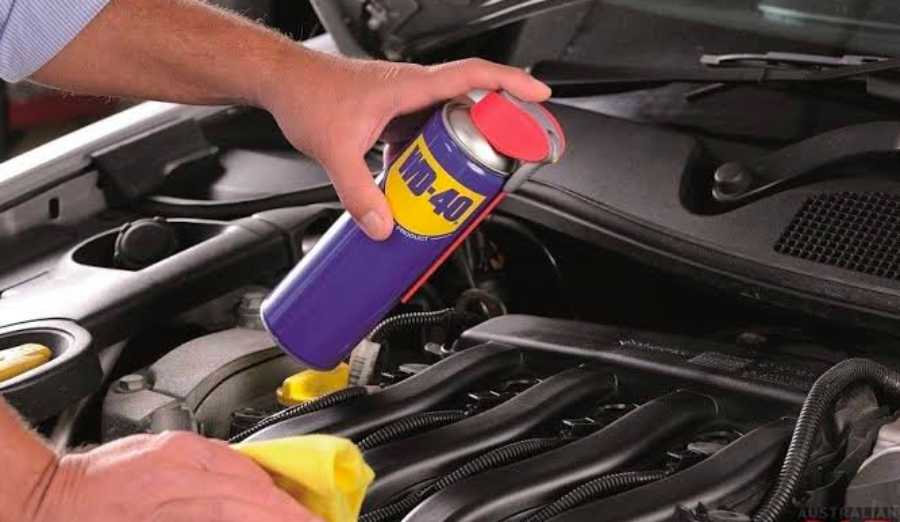
Is WD-40 a Penetrating Oil?
Yes, regular WD-40 works as a penetrating lubricant, but it is not a dedicated penetrating oil. WD-40 Multi-Use Product combines several maintenance functions, including lubrication, moisture displacement, corrosion protection, and penetration into stuck metal components. These properties allow it to loosen lightly rusted fasteners, although its formulation serves a broader purpose than specialized penetrating oils.
WD-40 Multi-Use Product is commonly used in automotive maintenance to lubricate door hinges, loosen sticking mechanisms, and protect exposed metal surfaces from moisture. Its penetrating action helps the liquid reach accessible spaces between metal components, reducing friction that contributes to sticking. For example, applying regular WD-40 around a lightly corroded bolt can make removal easier when rust and surface friction are preventing the fastener from turning.
WD-40 Specialist Penetrant is the dedicated penetrating product in the WD-40 product range. Unlike the standard multi-use formula, Specialist Penetrant is specifically designed to penetrate corroded connections and release seized parts. This distinction matters when working with exhaust fasteners, suspension hardware, or other automotive components exposed to road salt, water, and prolonged corrosion.
Regular WD-40 is therefore suitable for general maintenance and some light-duty penetrating applications. Dedicated penetrating oils are the more appropriate starting choice for heavily corroded or seized metal connections because their primary function is to reach and help release stuck components.
How Does WD-40 Work as a Penetrating Oil?
WD-40 works as a penetrating lubricant by flowing into accessible gaps between metal surfaces, helping loosen corrosion-related sticking and reducing friction. Its low-viscosity liquid can spread around threaded connections, hinges, and other closely fitted components. This action is particularly useful when moisture, surface rust, or accumulated debris makes metal parts difficult to move.
Penetration begins when WD-40 is sprayed onto an exposed connection, such as the junction between a nut and bolt. The liquid wets accessible metal surfaces and can move into narrow openings through capillary action. Once it reaches contacting surfaces, its lubricating components help reduce resistance during movement. However, penetration depends on the size and accessibility of the gaps. Heavy rust deposits can obstruct the liquid and prevent it from reaching deeply seized threads.
WD-40 also displaces moisture from metal surfaces, helping limit conditions that contribute to further corrosion. This function is useful for automotive components exposed to rain, humidity, and road spray. For example, applying WD-40 to an accessible, lightly corroded hinge mechanism can help restore movement while leaving a protective film on the metal. However, components requiring a specified long-term lubricant still need the appropriate product after cleaning or loosening.
WD-40 does not chemically convert rust into clean metal or replace a dedicated rust remover. Its primary role in loosening corroded connections is penetration and lubrication rather than dissolving substantial rust deposits. Rust consists mainly of iron oxides formed when iron reacts with oxygen and moisture. These deposits can build up between threaded surfaces, increasing resistance and restricting movement.
For example, a bolt with minor surface corrosion may loosen after WD-40 reaches the threaded connection and reduces friction. A severely rusted exhaust bolt may remain seized because corrosion products occupy the thread gaps and restrict penetration. In that situation, a dedicated penetrating oil, mechanical rust removal, or another appropriate removal technique may be necessary.
Can WD-40 Loosen Rusted Nuts and Bolts?
Yes, WD-40 can loosen lightly rusted nuts and bolts by penetrating accessible gaps and reducing friction between metal surfaces. Its penetrating and lubricating properties help release fasteners affected by minor corrosion, moisture, and surface deposits. However, its effectiveness decreases when heavy rust buildup prevents the liquid from reaching the threaded connection.
Rust makes nuts and bolts difficult to remove because corrosion products accumulate between contacting metal surfaces. Iron oxide deposits occupy space within the threads, increasing resistance and restricting movement. WD-40 helps address this problem by wetting exposed surfaces and providing lubrication where the liquid can penetrate. For example, a lightly rusted bolt securing a vehicle’s license plate bracket may loosen more easily after WD-40 reaches the threads.
Regular WD-40 is less reliable on severely rusted or seized automotive fasteners. Exhaust manifold bolts, suspension fasteners, and underbody hardware experience prolonged exposure to moisture, road salt, and temperature changes. These conditions can produce substantial corrosion that blocks penetration and mechanically locks threaded components together. A dedicated penetrating oil is generally a more suitable choice for these applications because it is specifically formulated to reach and help release corroded connections.
Three factors determine how effectively WD-40 loosens a rusted fastener: corrosion severity, thread accessibility, and application time. Light surface rust presents less resistance than corrosion extending deep into the threads. Exposed connections allow better liquid access than recessed or obstructed fasteners. Sufficient contact time also allows the product to spread into accessible gaps, although no single waiting period guarantees successful removal.
WD-40 should not be treated as a substitute for proper mechanical techniques. Excessive force can round bolt heads, damage threads, or break weakened fasteners. When a bolt remains seized after treatment, using a dedicated penetrant and reassessing the removal method is safer than repeatedly increasing torque.
What Is the Difference Between Regular WD-40 and WD-40 Specialist Penetrant?
The main difference between regular WD-40 and WD-40 Specialist Penetrant is their intended function. WD-40 Multi-Use Product is designed for general lubrication, moisture displacement, corrosion protection, and penetration, while WD-40 Specialist Penetrant is specifically formulated to loosen rusted and seized metal components.
Regular WD-40 serves multiple automotive maintenance purposes. It helps lubricate accessible moving mechanisms, displace moisture from metal surfaces, and loosen components affected by minor corrosion. For example, it can help restore movement to a sticking vehicle door hinge or loosen a lightly rusted bracket fastener. Its versatility makes it useful for routine maintenance where severe corrosion is not the primary problem.
WD-40 Specialist Penetrant focuses on releasing stuck connections. Its formulation is intended to penetrate tight spaces around corroded nuts, bolts, threads, and mechanical assemblies. This makes it a more appropriate initial choice for automotive repairs involving stubborn fasteners, including rusted underbody bolts and seized threaded connections.
The following table compares their primary functions and automotive applications.
| Feature | WD-40 Multi-Use Product | WD-40 Specialist Penetrant |
|---|---|---|
| Primary purpose | General maintenance and lubrication | Loosening rusted and seized components |
| Penetrating properties | Yes | Yes, specifically formulated for penetration |
| Lubrication | General-purpose lubrication | Lubrication during fastener release |
| Moisture displacement | Primary product function | Not its primary intended function |
| Corrosion protection | Helps protect exposed metal | Product-specific protective properties |
| Lightly rusted bolts | Suitable | Suitable |
| Severely seized fasteners | Less specialized | More appropriate initial choice |
| Typical automotive applications | Hinges, sticking mechanisms, lightly corroded fasteners | Rusted bolts, seized nuts, corroded threaded assemblies |
WD-40 Specialist Penetrant is the better product choice when releasing seized fasteners is the primary objective. Its intended application directly matches the mechanical problem, whereas regular WD-40 balances penetration with several other maintenance functions. However, product specialization does not guarantee that every severely rusted bolt will loosen. Corrosion depth, fastener condition, and access to the threads still influence the result.
Both products can support automotive maintenance, but neither replaces mechanical repair when corrosion has damaged the fastener or surrounding components. For routine lubrication and moisture displacement, regular WD-40 provides broader functionality. For removing stubborn rusted nuts and bolts, WD-40 Specialist Penetrant is the more targeted option.
Is WD-40 as Effective as Dedicated Penetrating Oils?
Regular WD-40 is generally less specialized than dedicated penetrating oils for loosening severely rusted or seized automotive fasteners. Although WD-40 Multi-Use Product can penetrate accessible gaps and reduce friction, products such as PB Blaster, Liquid Wrench, and WD-40 Specialist Penetrant are specifically formulated to release stuck metal connections. Their effectiveness depends on corrosion severity, thread accessibility, and application conditions.
Dedicated penetrating oils are designed to spread into narrow spaces between corroded metal surfaces. This allows their lubricating ingredients to reach areas where rust deposits increase friction and restrict movement. Regular WD-40 provides similar basic penetrating action, but its formulation also serves moisture displacement, general lubrication, and corrosion protection. These additional functions make it versatile for maintenance rather than specifically optimized for stubborn fastener removal.
The difference becomes more relevant when repairing automotive components exposed to harsh conditions. Exhaust bolts experience repeated heating and cooling, while suspension and underbody fasteners encounter moisture, dirt, and road salt. These conditions can produce corrosion that requires specialized penetrating products. However, no penetrating oil guarantees removal when severe corrosion has mechanically locked the threads together.
How Does WD-40 Compare With PB Blaster?
PB Blaster Penetrating Catalyst is specifically marketed for loosening rusted and frozen metal components, while regular WD-40 is a multi-purpose maintenance product. PB Blaster is intended for penetrating corroded threaded connections and helping release stubborn nuts, bolts, and mechanical assemblies.
For automotive repairs, PB Blaster is a more targeted option when dealing with heavily corroded fasteners. For example, a mechanic removing rusted exhaust flange bolts may select PB Blaster because its primary purpose is releasing seized metal connections. Regular WD-40 remains useful for lighter corrosion and general maintenance tasks that also require lubrication or moisture displacement.
The products should not be ranked by penetration speed or loosening force without controlled comparative testing. Their intended applications provide a practical basis for selection, but actual results depend on the fastener’s condition and the product’s ability to reach the affected threads.
How Does WD-40 Compare With Liquid Wrench?
Liquid Wrench Penetrating Oil is designed primarily to loosen rusted and stuck components, whereas regular WD-40 combines penetration with general-purpose lubrication and moisture displacement. Both products can help reduce friction between metal surfaces, but Liquid Wrench penetrating formulations focus more directly on seized connections.
Liquid Wrench is an appropriate option for corroded automotive nuts, bolts, and threaded assemblies. For example, a rusted underbody bracket bolt may require a dedicated penetrating oil because corrosion has accumulated around the threads. Regular WD-40 may still help with lightly stuck fasteners, particularly when moisture displacement and general lubrication are also needed.
Liquid Wrench sells different maintenance products, so comparisons should refer specifically to its penetrating-oil formulations. Neither product can reliably overcome severe mechanical damage, stripped threads, or corrosion that prevents liquid penetration. Choosing a dedicated penetrant improves the match between the product’s intended function and the repair task without guaranteeing successful removal.
When Should You Use WD-40 Instead of Penetrating Oil?
Use regular WD-40 instead of a dedicated penetrating oil when the automotive maintenance task primarily involves light lubrication, moisture displacement, corrosion protection, or loosening mildly stuck components. Dedicated penetrating oils are more appropriate when rusted or seized threaded connections are the main problem.
Regular WD-40 is suitable for lightly sticking vehicle door hinges, accessible metal linkages, and minor corrosion around removable fasteners. Its lubricating properties help reduce friction, while its moisture-displacing action helps protect exposed metal surfaces. For example, a door hinge that moves stiffly because of moisture and minor surface corrosion may respond to WD-40 without requiring a specialized penetrating product. However, the correct long-term lubricant should still be used where the vehicle manufacturer specifies one.
WD-40 is also useful when moisture collects on accessible metal components. Water displacement helps remove surface moisture that contributes to corrosion, while the remaining protective film provides temporary protection. This makes regular WD-40 practical for certain routine maintenance applications, although it does not replace dedicated corrosion-resistant coatings or manufacturer-specified lubricants.
Choose a dedicated penetrating oil when removing heavily rusted nuts, seized bolts, or corroded threaded assemblies. These products are formulated specifically for penetrating stuck connections. Exhaust fasteners, underbody brackets, and suspension hardware are examples of components where a dedicated penetrant may be more appropriate. Repairs involving safety-critical fasteners must also follow the vehicle manufacturer’s service procedures.
The choice ultimately depends on the mechanical problem. Regular WD-40 is a versatile maintenance product for lubrication, moisture displacement, and light penetrating tasks. Dedicated penetrating oils provide a more focused solution when corrosion and seized threads are the primary obstacles to removing automotive components.
How Do You Use WD-40 to Loosen a Rusted Bolt?
To loosen a rusted bolt with WD-40, clean the exposed fastener, apply the product around the threaded connection, allow time for penetration, and carefully turn the bolt using the correct tool. This process works best on lightly corroded fasteners where the liquid can reach the affected threads. Severely seized bolts may require a dedicated penetrating oil or additional mechanical removal techniques.
Start by inspecting the bolt for corrosion, damaged threads, and signs of structural weakness. Remove loose rust, dirt, and debris around the bolt head and exposed threads using a wire brush. Cleaning improves access to the connection and prevents surface deposits from obstructing the penetrating liquid. For example, removing loose corrosion from a license plate bracket bolt allows WD-40 to contact more of the exposed metal.
Next, spray WD-40 directly onto the junction between the bolt and its surrounding threaded component. Apply enough product to wet the accessible connection without unnecessarily saturating nearby surfaces. Allow the liquid to penetrate according to the product instructions, then attempt to loosen the fastener using a properly sized socket or wrench. The required waiting time varies with corrosion severity, thread accessibility, and the condition of the connection.
Apply controlled force when turning the bolt. A correctly fitted six-point socket can provide better contact with a hexagonal bolt head than a poorly fitting tool, reducing the risk of rounding its edges. Avoid sudden excessive torque, particularly when working with small or heavily corroded fasteners. If resistance remains high, stop and reassess the connection rather than forcing the bolt until it breaks.
For stubborn fasteners, additional cleaning and a dedicated penetrating oil may improve the chances of removal. However, WD-40 cannot repair damaged threads or restore metal weakened by corrosion. Replace fasteners that show significant structural deterioration, and follow manufacturer specifications when reinstalling automotive components.
Read more: Does WD-40 Remove Rust? How It Works on Car Parts
What Are the Limitations of Using WD-40 on Automotive Parts?
The main limitations of regular WD-40 in automotive maintenance are its restricted effectiveness on severely seized fasteners, its unsuitability for certain long-term lubrication requirements, and the need to consider material compatibility. Although WD-40 Multi-Use Product performs several maintenance functions, it cannot replace every specialized lubricant, corrosion treatment, or mechanical repair procedure.
Severe corrosion is one limitation because rust deposits can fill threaded gaps and prevent the liquid from reaching contacting surfaces. When a bolt has been exposed to road salt, moisture, and repeated temperature changes, corrosion may create a strong mechanical bond between the fastener and surrounding metal. WD-40 can lubricate accessible surfaces, but it cannot reliably release connections where rust blocks penetration or extensive corrosion has damaged the threads.
Long-term lubrication is another limitation. Automotive components such as wheel bearings, chassis joints, and certain suspension mechanisms require lubricants with specific viscosity, load-bearing, and temperature-resistance properties. Regular WD-40 is not a substitute for the grease or oil specified by the vehicle manufacturer. For example, applying WD-40 to a component requiring high-temperature bearing grease does not provide the same sustained lubrication under mechanical load.
Material compatibility also requires attention. Automotive assemblies contain rubber seals, plastic components, painted surfaces, and specialized coatings that may respond differently to chemical products. Compatibility depends on the specific material, exposure duration, and product formulation. Check the manufacturer’s guidance before applying WD-40 to unfamiliar materials, and avoid spraying components where the product could interfere with their intended operation.
WD-40 should also not be used as a universal cleaning or lubrication solution for safety-critical systems. Brake friction surfaces, drive belts, and components requiring specific lubricants must remain free from inappropriate chemical residues. Selecting products according to their intended applications helps prevent maintenance problems and protects vehicle components from unnecessary damage.
What Safety Precautions Should You Follow When Using WD-40 on a Car?
The essential safety precautions when using WD-40 on a car are to avoid ignition sources, provide adequate ventilation, protect sensitive components, and follow the product label and safety data sheet. WD-40 Multi-Use Product is commonly supplied in an aerosol container containing flammable ingredients, making careful handling necessary during automotive maintenance.
Keep WD-40 away from open flames, sparks, hot exhaust components, and other ignition sources. Aerosol spray and flammable vapors present a fire risk, particularly when used near recently operated engines or heated metal surfaces. Allow components to cool before application, and never combine WD-40 spraying with welding, grinding, or open-flame heating.
Use WD-40 in a well-ventilated workspace to reduce inhalation exposure to aerosol mist and vapors. Avoid direct contact with the eyes and prolonged skin exposure. Follow the personal protective equipment recommendations on the product label and safety data sheet, particularly when spraying in confined areas or underneath a vehicle.
Prevent overspray onto brake discs, brake pads, tires, drive belts, and other components where lubrication could reduce friction or interfere with normal operation. For example, WD-40 residue on a brake rotor can contaminate the braking surface and compromise braking performance. Protect adjacent components before spraying, and use manufacturer-approved cleaning procedures if contamination occurs.
Finally, follow the vehicle manufacturer’s service instructions when working with suspension, steering, braking, or other safety-critical fasteners. Penetrating lubricants can assist removal, but they do not replace correct repair techniques, specified tightening torque, or replacement of damaged hardware.