Replacing a CVT transmission is worth it when the vehicle is in good mechanical condition, the replacement cost is reasonable compared to buying another reliable car, and the vehicle has enough remaining service life to justify the expense. However, replacing a CVT may not be financially worthwhile if the car has high mileage, significant mechanical problems, or a market value that is low relative to the total repair cost.
CVT transmission replacement typically costs several thousand dollars, depending on the vehicle model, transmission type, labor rates, and whether the replacement unit is new, used, or remanufactured. For example, spending $4,000 on a CVT replacement may be reasonable for a well-maintained vehicle that would cost $12,000 to replace, but less attractive for a deteriorating car that also requires expensive engine or suspension repairs.
The decision depends on four factors: replacement cost, current vehicle value, expected remaining lifespan, and available repair alternatives. Comparing these factors helps determine whether replacing the transmission, repairing the existing unit, or purchasing another vehicle offers better long-term value.
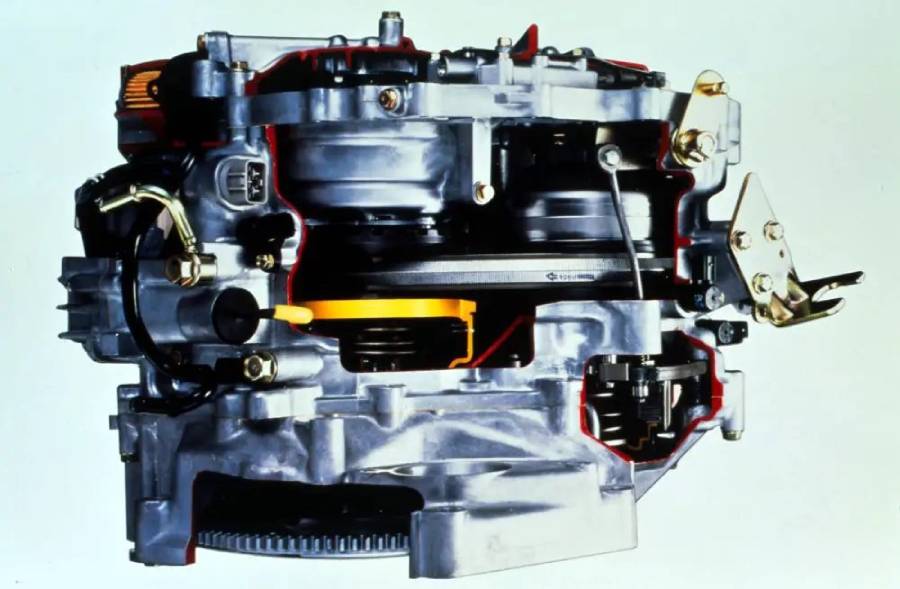
Is It Worth Replacing a CVT Transmission?
Replacing a CVT transmission is worth it when the total replacement cost is lower than the cost of obtaining a comparable reliable vehicle and the existing car has sufficient remaining service life. The decision depends on the vehicle’s mechanical condition, mileage, maintenance history, and expected future repair expenses. A transmission replacement restores the vehicle’s ability to transfer engine power to the wheels, but it does not improve the condition of other aging components.
CVT replacement makes financial sense when the engine, suspension, electrical system, and vehicle structure remain in good condition. For example, replacing a failed CVT for $3,500 on a well-maintained vehicle worth $8,000 may be reasonable, particularly when purchasing a comparable replacement car would cost $10,000 or more. The owner can avoid vehicle purchase expenses while continuing to use a familiar car with a documented maintenance history. However, the replacement transmission must be compatible with the vehicle and installed correctly to deliver the expected benefit.
CVT replacement is generally less worthwhile when the vehicle requires several expensive repairs beyond the transmission. A car needing a $4,500 transmission replacement, $2,000 in engine repairs, and $1,000 in suspension work would require $7,500 in total repairs. If a comparable reliable vehicle costs $9,000, the relatively small difference between repairing and replacing the car may not justify the risk of additional failures. The vehicle’s condition and expected reliability matter more than its resale value alone.
The most practical way to evaluate CVT replacement is to compare the total installed cost with the vehicle’s expected remaining mileage and the cost of alternative transportation. For example, a $4,000 replacement that allows another 60,000 miles of service represents approximately $0.067 per mile in transmission replacement expense. This calculation excludes fuel, maintenance, insurance, and other repairs, but it helps measure whether the investment provides reasonable long-term value.
How Much Does It Cost to Replace a CVT Transmission?
Replacing a CVT transmission can cost approximately $3,000 to $8,000 or more in the United States, depending on the vehicle, replacement unit, labor requirements, and associated repairs. This is an illustrative planning range rather than a verified current national average. The total price includes the transmission assembly, removal and installation labor, transmission fluid, and any required electronic programming or calibration. Additional expenses arise when the transmission cooling system, mounts, or related components also require replacement.
The transmission assembly is generally the largest expense, while labor costs depend on the vehicle’s drivetrain configuration and transmission accessibility. Front-wheel-drive vehicles often require removal of surrounding components to access the transmission, while certain all-wheel-drive models involve additional drivetrain disassembly. Labor rates also vary between independent transmission specialists and dealership service departments. Owners should request an itemized estimate that separates parts, labor, fluid, programming, taxes, and warranty coverage.
How Much Does a New CVT Transmission Cost?
A new CVT transmission generally costs more than a used or remanufactured unit because it uses new components and is supplied to meet the manufacturer’s specifications. The final installed price depends on the vehicle model, OEM parts pricing, labor rates, and whether the manufacturer supplies a complete transmission assembly. For example, a hypothetical $4,500 transmission assembly combined with $1,500 in installation and related expenses results in a $6,000 replacement.
A new transmission is most attractive when the owner plans to keep the vehicle for several years and wants to reduce uncertainty about the replacement unit’s previous use. However, a new CVT does not guarantee that the vehicle will remain reliable. Installation errors, cooling problems, incorrect transmission fluid, and existing engine or electrical faults can still affect operation. Owners should confirm whether the quoted unit is genuinely new, remanufactured by the manufacturer, or supplied through an exchange program.
How Much Does a Used or Remanufactured CVT Cost?
Used CVT transmissions generally have lower upfront purchase prices, while remanufactured units offer a more controlled restoration process and potentially stronger warranty coverage. A used transmission is removed from another vehicle and installed without necessarily rebuilding its internal components. A remanufactured transmission is disassembled, inspected, and restored according to the remanufacturer’s specifications, with worn or defective components replaced as required.
For illustration, consider three hypothetical installed replacement quotes:
| Replacement type | Transmission unit | Labor and related costs | Total |
|---|---|---|---|
| Used CVT | $1,200 | $1,300 | $2,500 |
| Remanufactured CVT | $2,800 | $1,300 | $4,100 |
| New CVT | $4,500 | $1,500 | $6,000 |
These figures demonstrate how replacement type affects total expenses; they are not verified market averages or quotations for a specific vehicle.
A used CVT may be economical when the donor vehicle has documented low mileage, the transmission is compatible, and the supplier provides meaningful warranty protection. However, its internal wear and previous maintenance history may be difficult to verify. A remanufactured CVT typically costs more but may offer better quality assurance through component inspection, replacement, and testing. Warranty terms are especially important because removing and reinstalling a defective transmission can create substantial additional labor expenses.
The best replacement option is not necessarily the cheapest transmission. Owners should compare the complete installed price, unit condition, warranty duration, labor coverage, and expected ownership period. A lower-priced used CVT with a parts-only warranty may ultimately cost more than a remanufactured unit if it fails and the owner must pay for installation again.
Is CVT Replacement Worth More Than the Car’s Value?
Replacing a CVT transmission can be worth more than the car’s market value when the repair costs less than purchasing a comparable reliable vehicle. A vehicle’s resale value reflects what buyers are willing to pay, while its practical value to the owner depends on transportation needs, mechanical condition, and remaining service life. Spending more than the car’s resale value on transmission replacement is not automatically a poor financial decision.
For example, consider a vehicle worth $4,000 with a failed CVT that requires $3,500 to replace. Although the replacement costs nearly 88% of the car’s estimated market value, purchasing a comparable reliable vehicle might require $9,000. Keeping the existing car could avoid $5,500 in immediate spending, provided the engine, suspension, electrical system, and other major components remain in good condition. The comparison should also account for any money recovered by selling the broken vehicle.
The total cost of continued ownership is more important than the transmission replacement cost alone. Owners should include upcoming maintenance, existing mechanical problems, and potential repair expenses when evaluating the investment. A $3,500 CVT replacement combined with $2,500 in necessary engine and suspension repairs creates a $6,000 repair bill. If the vehicle has significant corrosion, recurring electrical problems, or other expensive defects, replacing the car may provide better financial value.
Vehicle replacement also involves expenses beyond the advertised purchase price. Sales taxes, registration fees, financing charges, insurance differences, and immediate maintenance can increase the amount required to acquire another car. For example, a replacement vehicle advertised for $10,000 might require additional spending before it is ready for regular use. These costs should be compared with the full transmission replacement estimate rather than the price of the CVT assembly alone.
The financial decision should ultimately reflect how long the owner expects to keep the vehicle. Spending $4,000 on a transmission replacement that provides another five years of dependable transportation represents an average initial repair investment of $800 per year. If the vehicle develops another major mechanical failure after six months, the same investment becomes substantially less economical. A professional inspection of the vehicle’s overall condition helps establish whether the expected ownership period is realistic.
Is It Worth Replacing a CVT Transmission on a High-Mileage Car?
Replacing a CVT transmission on a high-mileage car is worth considering when the engine, drivetrain, chassis, and electrical systems remain reliable enough to support several more years of use. Mileage influences the probability of future repairs, but it does not independently determine whether a transmission replacement is financially justified. Maintenance history, driving conditions, vehicle age, and existing mechanical problems provide a more complete assessment of remaining service life.
For a vehicle with approximately 100,000 miles, CVT replacement may be reasonable when regular maintenance has been documented and major components show no signs of significant deterioration. For example, a well-maintained car with 105,000 miles, a healthy engine, and a $3,800 transmission replacement estimate could remain economical if the owner expects to drive another 50,000 miles. Under that assumption, the transmission replacement represents approximately $0.076 per additional mile, excluding other ownership expenses.
CVT replacement becomes a higher-risk investment on vehicles with 150,000 miles or more because other components may also be approaching expensive repair intervals. Engine oil consumption, suspension wear, cooling-system deterioration, and electrical faults can increase the total cost of keeping an aging vehicle operational. However, a car with 160,000 miles and a documented maintenance history may still be a better replacement candidate than a poorly maintained vehicle with only 90,000 miles. The condition of the individual vehicle matters more than a fixed mileage threshold.
The expected remaining mileage should be evaluated against the installed transmission cost. The following examples illustrate how mileage expectations affect the financial calculation.
| Vehicle mileage | CVT replacement cost | Assumed additional mileage | CVT cost per additional mile |
|---|---|---|---|
| 100,000 miles | $3,500 | 60,000 miles | $0.058 |
| 125,000 miles | $4,000 | 40,000 miles | $0.100 |
| 150,000 miles | $4,500 | 25,000 miles | $0.180 |
| 175,000 miles | $4,500 | 15,000 miles | $0.300 |
These are hypothetical scenarios, not predicted transmission lifespans. Actual remaining mileage depends on the replacement unit, vehicle condition, maintenance, and operating environment.
A pre-replacement inspection should assess engine compression or other appropriate engine-health indicators, fluid leaks, cooling-system performance, suspension condition, structural corrosion, and diagnostic trouble codes. The mechanic should also confirm that the original CVT failure has been correctly diagnosed. Replacing the transmission without identifying related cooling or electronic problems can expose the new unit to the same conditions that contributed to the previous failure.
For high-mileage vehicles, the strongest reason to replace a CVT is a combination of sound mechanical condition, manageable total repair costs, and a realistic plan for continued ownership. A lower-cost used or remanufactured transmission may improve the financial equation, but its warranty, condition, and compatibility must be evaluated alongside the savings. Owners should avoid investing in a replacement transmission based solely on the expectation that a particular vehicle will reach a specific mileage.
Should You Repair, Rebuild, or Replace a CVT Transmission?
Repairing a CVT is generally the most economical option for isolated component failures, rebuilding is appropriate when internal damage can be corrected, and replacing the transmission is preferable when extensive damage makes repair unreliable or excessively expensive. The correct choice depends on the failure diagnosis, parts availability, labor costs, and warranty coverage. A complete transmission replacement should not be authorized until a qualified technician determines whether the problem involves internal mechanical damage or a repairable electronic or hydraulic component.
CVT repair and replacement differ in both scope and financial risk. Repairing a specific component preserves most of the existing transmission, while rebuilding requires disassembly and restoration of worn or damaged internal parts. Complete replacement removes the existing assembly and installs a new, used, or remanufactured unit. For example, replacing a defective valve body may restore normal operation without replacing the entire transmission, provided the belt, pulleys, and other internal components remain undamaged.
The following table compares the three approaches.
| Factor | CVT Repair | CVT Rebuild | CVT Replacement |
|---|---|---|---|
| Main purpose | Correct a specific fault | Restore internal components | Replace the complete assembly |
| Work required | Targeted component repair | Disassembly and rebuilding | Removal and installation |
| Best application | Isolated repairable failure | Repairable internal damage | Extensive damage or impractical rebuild |
| Cost consideration | Often lowest for minor faults | Depends on parts and labor | Depends on replacement unit |
| Main limitation | Does not address unrelated damage | Requires specialist expertise | Higher parts and installation expense |
When Is Repairing a CVT Better Than Replacing It?
Repairing a CVT is better than replacing it when the failure is limited to a serviceable component and the remaining transmission components are mechanically sound. Problems involving certain sensors, electrical connections, solenoids, or valve-body assemblies may be corrected without replacing the entire transmission. However, repairability depends on the transmission design, manufacturer procedures, and the extent of internal damage.
For example, a vehicle experiencing delayed engagement or inconsistent acceleration may have a hydraulic pressure-control problem rather than a damaged CVT belt. Diagnostic trouble codes, pressure testing, fluid inspection, and manufacturer-specific diagnostic procedures help identify the underlying cause. Replacing a faulty valve body may resolve the problem when internal mechanical wear has not progressed. However, installing a new valve body in a transmission with damaged pulleys or excessive metal contamination is unlikely to provide a lasting repair.
Targeted repair is financially attractive when the repair estimate is substantially lower than the installed replacement cost and the technician can identify a specific cause of failure. A hypothetical $900 component repair offers considerable savings compared with a $4,000 transmission replacement. Those savings are meaningful only when the diagnosis is reliable and the repair addresses the actual fault. Owners should request written information about the failed component, recommended work, and applicable warranty before approving the repair.
Is Rebuilding a CVT Cheaper Than Replacing It?
Rebuilding a CVT can be cheaper than replacing it, but the savings depend on internal damage, replacement-part availability, and the labor required to restore the transmission. Unlike a conventional automatic transmission, some CVT designs have limited aftermarket rebuilding support or require specialized tools and procedures. This makes rebuilding less practical for certain models, especially when major pulley assemblies, belts, or chains have sustained extensive damage.
A CVT rebuild typically involves removing and disassembling the transmission, inspecting internal components, replacing damaged or worn parts, and reassembling the unit according to applicable specifications. The technician must also address contamination and verify proper hydraulic and electronic operation. For example, damage to a CVT belt or chain can produce metal debris that affects pulleys, bearings, and hydraulic components. Replacing only the visibly damaged component without correcting related damage increases the risk of another failure.
Rebuilding becomes less economical when labor and parts expenses approach the price of a remanufactured transmission. A hypothetical $3,200 rebuild with limited warranty protection may offer less value than a $3,800 remanufactured replacement with more comprehensive coverage. Conversely, a specialist may provide a cost-effective rebuild when parts are readily available and the damage is limited. Owners should compare complete written estimates rather than assuming rebuilding is always the cheaper option.
A complete CVT replacement is generally the stronger choice when internal damage is extensive, rebuilding support is unavailable, or a replacement assembly offers better warranty protection for a similar total cost. Used transmissions can reduce upfront expenses, but their unknown wear history increases uncertainty. Remanufactured units may provide a better balance between cost and reliability when the supplier follows documented inspection and restoration procedures.
How Long Does a Replacement CVT Transmission Last?
A replacement CVT transmission can provide many additional years of service, but its lifespan cannot be determined reliably from replacement type alone. Durability depends on the transmission design, condition of the installed unit, vehicle maintenance, operating temperatures, driving habits, and installation quality. A new transmission starts with unused internal components, while a used transmission already has accumulated wear. A remanufactured transmission has undergone restoration, but its expected durability depends on the components replaced and the quality of the rebuilding process.
Replacement CVTs are subject to the same mechanical and thermal stresses as original transmissions. Belt- or chain-driven CVTs transfer engine power through variable-diameter pulleys, using controlled hydraulic pressure to maintain the required operating conditions. Excessive heat, incorrect fluid, inadequate hydraulic pressure, or contaminated lubrication can accelerate wear. For example, a transmission installed without correcting a restricted cooler or contaminated cooling circuit may experience premature damage even when the replacement unit was initially in good condition.
A remanufactured CVT can offer durability comparable to a new unit when its restoration process, replacement components, testing standards, and installation meet appropriate specifications, but equivalent lifespan is not guaranteed. Remanufacturers differ in how they inspect pulley surfaces, bearings, hydraulic components, and other internal parts. Owners should review the supplier’s rebuilding standards rather than relying solely on the term “remanufactured.” Warranty duration, mileage limits, exclusions, and labor coverage provide additional information about the protection offered with the replacement.
Several operating conditions influence how long a replacement CVT remains functional. Repeated overheating can degrade transmission fluid and affect lubrication and hydraulic control. Using fluid that does not meet the manufacturer’s specification can interfere with friction characteristics and transmission operation. Heavy loads, aggressive acceleration, and operating conditions beyond the vehicle’s rated capabilities can also increase mechanical stress. These factors do not produce identical wear across all CVT designs, but they demonstrate why proper maintenance and operating conditions matter.
Installation quality is another important factor. A replacement transmission may require electronic programming, calibration, adaptation procedures, and inspection of associated components. Technicians should follow the vehicle manufacturer’s service instructions and confirm that cooling-system contamination, electrical faults, or other contributing problems have been addressed. For example, installing a replacement CVT without properly servicing a contaminated transmission cooler can introduce debris into the replacement unit and cause additional damage.
The most reliable way to protect a replacement CVT is to follow the manufacturer’s maintenance requirements and correct the conditions that contributed to the original failure. Owners should use the specified transmission fluid, follow applicable service intervals, address leaks and overheating promptly, and avoid operating the vehicle with unresolved transmission symptoms. A replacement transmission with appropriate warranty coverage and documented professional installation offers greater financial protection than an unverified unit installed without supporting records.
When Should You Replace the Car Instead of Its CVT Transmission?
Replacing the car is generally a better financial decision when the total cost of CVT replacement and other necessary repairs approaches the cost of purchasing a comparable reliable vehicle. The decision should account for the vehicle’s mechanical condition, expected remaining service life, future repair expenses, and the cost of alternative transportation. A transmission replacement may restore normal driving, but it does not eliminate the risk of failures involving the engine, suspension, cooling system, or electrical components.
Vehicle replacement becomes more attractive when the failed CVT is one of several expensive mechanical problems. For example, a car requiring a $4,500 transmission replacement, $1,800 in engine repairs, and $1,200 in suspension work would need $7,500 in immediate repairs. If a comparable vehicle in better mechanical condition costs $10,000, spending an additional $2,500 before taxes, registration, and other purchase expenses may provide better long-term value. However, the replacement vehicle’s condition and maintenance history must also be evaluated because purchasing another used car introduces its own repair risks.
The expected cost per mile is a practical way to compare CVT replacement with purchasing another vehicle. Divide the total repair investment by the additional miles the existing vehicle is reasonably expected to provide. For example, a $4,000 CVT replacement followed by 50,000 miles of service represents $0.08 per mile in transmission replacement expense. If the vehicle is expected to last only another 15,000 miles, the same repair costs approximately $0.27 per mile. These figures exclude fuel, insurance, routine maintenance, and future repairs, but they illustrate how remaining vehicle life affects the financial decision.
The following hypothetical comparison demonstrates the difference between keeping a vehicle and purchasing another one.
| Financial factor | Replace the CVT | Replace the car |
|---|---|---|
| Immediate cost | $4,000 | $12,000 |
| Additional immediate repairs | $1,000 | $500 |
| Total initial spending | $5,000 | $12,500 |
| Assumed future mileage | 40,000 miles | 100,000 miles |
| Initial spending per future mile | $0.125 | $0.125 |
The example shows that two options with substantially different upfront expenses can produce the same initial spending per expected mile. These mileage figures are assumptions for comparison, not reliability predictions. A complete financial assessment should also account for the existing vehicle’s sale or trade-in value, taxes, financing, depreciation, and future maintenance expenses.
Replacing the vehicle is particularly reasonable when its structural condition or mechanical reliability makes additional investment difficult to justify. Significant frame corrosion, recurring engine problems, extensive electrical failures, and unresolved safety defects can reduce the value of installing another transmission. Conversely, replacing the CVT may remain economical when the car has a sound engine, documented maintenance history, and no major outstanding repairs.
Before making a final decision, owners should obtain a complete transmission replacement estimate, request an inspection of other major vehicle systems, and compare the results with the total cost of acquiring a suitable replacement car. This approach evaluates the financial consequences of both options rather than relying on vehicle age, mileage, or transmission price alone.
What Are the Signs That a CVT Transmission Needs Replacement?
The main signs that a CVT transmission may need replacement include slipping, delayed acceleration, shuddering, unusual whining noises, overheating, and loss of drive. These symptoms indicate that the transmission may not be transferring engine power or controlling its operating ratio correctly. However, they do not automatically confirm that the entire CVT needs replacement. Some symptoms result from repairable hydraulic, electronic, or fluid-related problems.
CVT slipping or delayed acceleration occurs when engine speed increases without a corresponding increase in vehicle speed. In a belt- or chain-driven CVT, problems involving hydraulic pressure, pulley control, or internal wear can interfere with power transfer. For example, a driver may notice the engine revving excessively while the vehicle accelerates slowly. Similar behavior can also result from engine performance problems, making accurate diagnosis essential before authorizing transmission replacement.
Shuddering, vibration, and whining noises are additional warning signs of possible CVT damage. Shuddering may occur during acceleration when the transmission cannot maintain smooth power delivery, while whining noises can indicate problems involving bearings, hydraulic pumps, or other rotating components. Overheating can also trigger warning lights, reduced engine power, or transmission protection modes. These symptoms require prompt inspection because continued operation with inadequate lubrication or excessive heat can worsen internal damage.
A CVT is more likely to require complete replacement when diagnostic testing confirms extensive belt, chain, pulley, bearing, or other internal mechanical damage. Metal debris in the transmission fluid, persistent hydraulic pressure problems, and severe internal wear may indicate that targeted repairs will not restore reliable operation. A qualified technician should inspect diagnostic trouble codes, transmission fluid condition, hydraulic operation, and manufacturer-specific test results before recommending replacement.
Can a Failing CVT Transmission Be Fixed Without Replacing It?
A failing CVT transmission can be repaired without complete replacement when the problem involves a serviceable component rather than extensive internal mechanical damage. Repairable faults may include certain sensors, solenoids, electrical connections, valve-body components, and transmission control problems. The feasibility of repair depends on the transmission model, diagnostic findings, parts availability, and manufacturer-approved procedures.
For example, a malfunctioning transmission speed sensor may send incorrect rotational speed information to the transmission control module. This can affect ratio control, trigger warning lights, or cause abnormal driving behavior. Replacing the defective sensor or repairing its electrical circuit may restore proper operation when the transmission’s internal components remain undamaged. Similarly, certain valve-body faults can be corrected by replacing the affected assembly rather than the complete transmission.
Transmission fluid problems may also cause CVT operating symptoms, but changing the fluid does not repair existing mechanical damage. Incorrect fluid, low fluid levels, contamination, and overheating can interfere with hydraulic pressure and lubrication. Correcting a leak or servicing the fluid according to manufacturer procedures may resolve problems before significant internal wear develops. However, a CVT with damaged pulleys, a worn belt or chain, or extensive metal contamination generally requires more substantial mechanical work.
A professional diagnosis should distinguish between electronic control faults, hydraulic problems, and internal mechanical failures. Technicians may use diagnostic trouble codes, live transmission data, fluid inspection, pressure testing, and manufacturer-specific service procedures to identify the cause. For example, a transmission that enters a protective operating mode because of a sensor fault may not need replacement, while a unit that has lost drive due to severe internal damage may require rebuilding or a complete replacement assembly.
Repairing the existing CVT is financially preferable when the fault is clearly identified, the repair cost is reasonable, and the remaining transmission components are in serviceable condition. Owners should request an itemized repair estimate and compare the warranty with the coverage offered on a replacement transmission. If the repair cost approaches the installed price of a remanufactured unit, complete replacement may provide better long-term value, particularly when the existing transmission has substantial internal wear.
Read more: Transmission Whining Noise When Accelerating: Causes
Is CVT Replacement Worth It on a Nissan?
Replacing a Nissan CVT transmission is worth considering when the vehicle is mechanically sound, the replacement cost is reasonable, and the owner expects to keep the car for several more years. Nissan models such as the Altima, Rogue, Sentra, and Versa have used continuously variable transmissions, although transmission designs and specifications differ by model and production year. The financial decision depends on the specific vehicle’s condition, transmission replacement options, and applicable warranty coverage rather than the Nissan brand alone.
Nissan CVT replacement costs vary according to the model, drivetrain configuration, transmission availability, and labor requirements. For example, replacing a CVT in a front-wheel-drive Nissan Altima may involve different labor procedures and parts costs than replacing the transmission in an all-wheel-drive Nissan Rogue. Owners should compare dealership estimates with quotes from independent transmission specialists and confirm whether the replacement assembly is new, used, or remanufactured. The quoted price should include installation, transmission fluid, programming, calibration, and any required cooling-system service.
The vehicle’s mileage and maintenance history are particularly important when evaluating Nissan CVT replacement. A well-maintained Nissan with 90,000 miles and no significant engine or suspension problems may justify a $4,000 transmission replacement if purchasing a comparable reliable vehicle would cost substantially more. In contrast, a Nissan with 170,000 miles, recurring engine problems, and extensive suspension wear presents a greater financial risk. These examples illustrate different ownership scenarios rather than establishing mileage limits for CVT replacement.
Warranty coverage should also be checked before approving an expensive repair. Certain Nissan models and model years have been subject to transmission-related warranty extensions or other coverage arrangements. Eligibility depends on the vehicle identification number, model year, mileage, time in service, and applicable program terms. Owners should contact a Nissan dealership or Nissan customer support to verify coverage rather than assuming that every Nissan CVT qualifies for an extended warranty.
Nissan CVT replacement is most financially reasonable when the total installed cost, warranty protection, and expected remaining vehicle life compare favorably with purchasing another car. Before replacing the transmission, owners should obtain a complete diagnosis and confirm that the replacement unit is compatible with the vehicle’s specific transmission configuration. This reduces the risk of unnecessary replacement expenses and helps ensure that the repair addresses the underlying problem.
How Can You Avoid Another CVT Failure After Replacement?
Preventing another CVT failure requires using the correct transmission fluid, following manufacturer maintenance procedures, controlling operating temperatures, and ensuring the replacement transmission is installed correctly. CVTs rely on precisely controlled hydraulic pressure, lubrication, and mechanical operation. Problems involving fluid condition, overheating, electronic controls, or installation can shorten the life of a replacement unit, even when the transmission itself is new or remanufactured.
Using the manufacturer-specified CVT fluid is essential because different transmission designs require specific friction, viscosity, and lubrication characteristics. For example, Nissan CVTs may require NS-2 or NS-3 fluid depending on the transmission model and production year, while Honda and Subaru specify fluids for their respective CVT designs. These fluids should not be treated as universally interchangeable. Owners should consult the vehicle’s service information and follow the specified fluid type, filling procedure, and maintenance schedule.
Controlling transmission temperature helps protect the CVT’s internal components from accelerated wear. Excessive heat can degrade transmission fluid, reduce lubrication effectiveness, and contribute to hydraulic and mechanical problems. Drivers should address cooling-system faults promptly, avoid exceeding the vehicle’s towing or load limits, and investigate transmission overheating warnings. For example, a restricted transmission cooler or contaminated cooling circuit left unresolved after the original failure may expose the replacement CVT to damaging operating conditions.
Professional installation is equally important because replacing a CVT involves more than removing one assembly and installing another. Depending on the vehicle, technicians may need to perform transmission control module programming, calibration, adaptation procedures, and manufacturer-specific initialization. They should also inspect transmission mounts, electrical connectors, fluid lines, and cooling components. Failure to complete required procedures can cause operating problems or contribute to premature transmission damage.
Regular inspections and prompt attention to abnormal transmission behavior can reduce the risk of additional damage. Drivers should investigate fluid leaks, unusual noises, shuddering, delayed acceleration, and overheating warnings rather than continuing to operate the vehicle until the symptoms become severe. Maintenance records should document transmission fluid services, repairs, and any warranty-related work. These records also help technicians identify recurring problems and support potential warranty claims.
A replacement CVT provides the greatest long-term value when the original cause of failure has been identified and corrected. For example, replacing a transmission damaged by overheating without repairing the underlying cooling problem leaves the replacement exposed to the same risk. Combining accurate diagnosis, correct installation, manufacturer-specified maintenance, and appropriate driving practices offers the strongest practical approach to protecting the replacement investment.