Car polish and car wax serve two different purposes in car paint care. Car polish corrects or refines surface imperfections, while car wax adds a protective layer over the paint and enhances its appearance. Polish is the better choice when the paint has light scratches, swirl marks, oxidation, water spots, or a dull finish. Wax is more suitable when the paint is already in good condition and needs added protection and gloss.
The main difference between car polish and wax is how each product interacts with the paint. Most polishes use fine abrasives to refine a small amount of the clear coat and create a smoother surface. Wax does not perform the same type of paint correction. Instead, it remains on top of the surface and forms a sacrificial layer that helps protect the finish from environmental exposure.
Polish and wax can also be used together when the paint requires both correction and protection. In this case, polishing comes first because the paint defects need to be addressed before a protective product is applied. Wax follows polishing to protect the finished surface. Choosing between car polish and wax therefore depends on the condition of the paint, the result you want to achieve, and whether the vehicle needs correction, protection, or both.
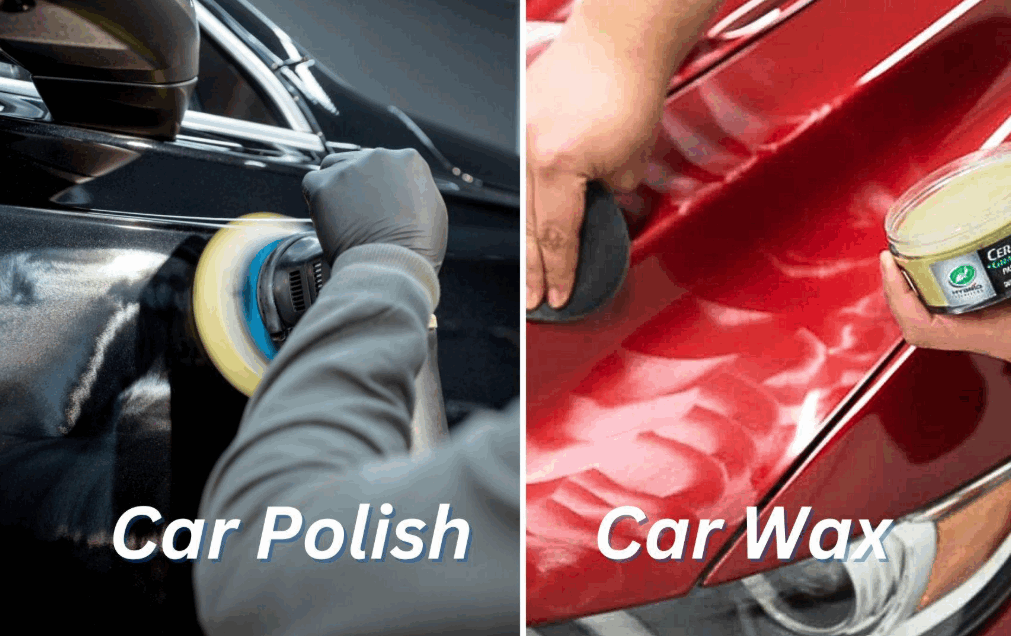
What Is the Difference Between Car Polish and Wax?
The main difference between car polish and wax is that polish corrects or refines the paint surface, while wax protects the surface after it has been cleaned or corrected. Car polish is designed to improve the condition of automotive paint by reducing visible imperfections. Car wax is designed to leave a protective layer on top of the paint. This difference determines when each product should be used.
Car polish typically contains fine abrasives that interact with the upper surface of the clear coat. During polishing, these abrasives refine the surface and reduce the visibility of defects such as light scratches, swirl marks, oxidation, and water spots. The smoother surface reflects light more evenly, which improves paint clarity and gloss. The amount of correction depends on the polish, polishing pad, application method, and condition of the clear coat.
Car wax works differently because its primary purpose is protection rather than paint correction. Wax forms a thin sacrificial layer over the finished surface. Depending on the formulation, this layer can improve gloss, increase water repellency, and reduce direct exposure to environmental contaminants. Carnauba wax and synthetic wax are two common examples used for this purpose.
Polish and wax are therefore not interchangeable products. A car with visible surface defects may need polishing before protection is applied. A car with paint that is already smooth and in good condition may only need wax. When both are necessary, polish is applied first and wax is applied afterward to protect the corrected finish.
| Feature | Car Polish | Car Wax |
|---|---|---|
| Primary purpose | Paint correction and refinement | Paint protection |
| Works on | Paint or clear coat surface | Top of the finished surface |
| Abrasive action | Usually present | Generally absent |
| Light defect correction | Yes, depending on severity | No |
| Adds protection | Not its primary function | Yes |
| Application order | Before wax | After polish |
What Does Car Polish Do to Car Paint?
Car polish refines the surface of automotive paint to reduce visible imperfections and create a smoother, clearer finish. Most polishing products achieve this result with fine abrasives that work on the upper surface of the clear coat. The process can reduce defects such as light scratches, swirl marks, oxidation, water spots, and surface hazing when the damage is shallow enough to be corrected safely.
The polishing process works by removing or refining a very small amount of material from the affected surface. Many visible defects create an uneven clear coat that changes how light reflects from the paint. Polishing levels the surrounding area and creates a more uniform surface. As a result, light reflects more consistently, which can improve gloss, color clarity, and the overall appearance of the paint.
The amount of correction depends on four main factors: the polish, the polishing pad, the application method, and the depth of the defect. A mild finishing polish can address light imperfections and improve gloss, while more noticeable defects may require a stronger correction process. Hand polishing can work for small areas and minor imperfections, while machine polishing provides more consistent correction across larger painted surfaces.
Car polish cannot repair every type of paint damage. A scratch that extends through the clear coat and into the color coat or primer cannot simply be polished away safely. Removing too much clear coat in an attempt to eliminate a deep scratch can reduce the protective thickness of the finish. For this reason, polishing should be based on the actual condition of the paint rather than treated as a routine step every time the car is washed or waxed.
What Does Car Wax Do to Car Paint?
Car wax adds a protective layer over automotive paint and enhances the appearance of the finished surface. Unlike car polish, wax is not primarily designed to remove clear coat imperfections. It remains on top of the prepared paint and acts as a sacrificial barrier between the finish and environmental exposure. This makes waxing a protection step rather than a paint correction process.
The protective layer helps reduce direct contact between the clear coat and contaminants such as road grime, dust, moisture, and environmental residue. Wax also changes how water behaves on the surface. A freshly waxed vehicle typically shows stronger water beading or sheeting because the surface becomes more hydrophobic. However, wax does not make automotive paint immune to scratches, stone chips, chemical damage, or long term deterioration.
Wax can also improve gloss and make the paint appear deeper or more reflective. This effect comes from enhancing an already prepared surface rather than removing defects from it. Carnauba wax is commonly associated with a warm, glossy appearance, while synthetic wax products are formulated to provide protection and durability. The exact performance depends on the product formulation, paint preparation, driving conditions, washing routine, and environmental exposure.
Wax works best when the paint is clean and already in suitable condition. Applying wax over swirl marks, oxidation, or deeper scratches does not correct those defects. They remain underneath the protective layer and can still be visible. When paint correction is required, polishing should be completed first. Wax can then be applied to protect the refined surface and maintain its finished appearance.
Should You Use Car Polish or Wax for Scratches?
Car polish is more suitable than car wax for light scratches because polish can refine the clear coat around shallow defects, while wax does not remove scratches. However, the result depends on the depth of the scratch. Surface marks within the clear coat may respond well to polishing, while deeper damage that reaches the color coat or primer requires a different repair method.
Light scratches are visible because the damaged area reflects light differently from the surrounding paint. Fine abrasives in car polish refine the affected clear coat and level minor surface irregularities. This process can reduce or remove the appearance of shallow scratches, swirl marks, and similar defects. The amount of correction depends on the depth of the damage, the abrasive strength of the polish, the polishing pad, and the application method.
Car wax cannot correct a scratch through the same mechanism. Wax sits on top of the paint instead of removing enough material to level the damaged clear coat. Some products may temporarily make very fine marks less noticeable by changing the appearance of the surface, but the underlying defect remains. Once the protective layer wears away, the scratch can become clearly visible again.
Deep scratches should not be repeatedly polished in an attempt to remove them. If a scratch extends through the clear coat, excessive polishing can remove more clear coat without repairing the deeper damage. Inspect the scratch before choosing a treatment. Use polish for correctable surface defects, use wax afterward when protection is needed, and consider professional paint repair when the damage extends beyond the clear coat.
Is Car Polish or Wax Better for Making a Car Shine?
Car polish is better for restoring shine when paint has surface defects, while car wax is better for enhancing and protecting the shine of paint that is already in good condition. Both products can make a car look shinier, but they produce this result through different mechanisms. Polish improves the condition of the surface itself, while wax adds a protective layer over that surface.
Paint loses clarity when light cannot reflect evenly from the clear coat. Swirl marks, fine scratches, oxidation, water spots, and surface haze can create an uneven finish that appears dull under direct light. Polish uses fine abrasives to refine these imperfections and create a smoother surface. A smoother clear coat reflects light more consistently, which improves gloss and makes the color appear clearer.
Wax enhances shine without performing the same level of surface correction. Applying wax to clean and well maintained paint can increase gloss and create a smoother looking finish. Carnauba and synthetic waxes can both produce this effect, although their appearance and durability vary by formulation. Wax also adds protection, which helps preserve the finished surface after detailing.
The condition of the paint therefore determines which product produces the better result. Dull paint with light correctable defects benefits more from polishing because adding wax alone does not remove the cause of the poor finish. Paint that is already smooth and glossy does not need unnecessary correction. In that situation, wax is the more appropriate choice. When a vehicle needs both correction and protection, polishing first and waxing afterward provides the two functions in the correct order.
Should You Polish a Car Before Waxing It?
You should polish a car before waxing when the paint has correctable defects such as light scratches, swirl marks, oxidation, or surface haze. Polishing prepares and refines the paint, while waxing protects the finished surface. Applying them in this order allows each product to perform its intended function.
The correct process starts with washing the vehicle to remove loose dirt and road grime. Paint decontamination can follow when bonded contaminants remain on the surface. Polishing comes next when inspection reveals defects that require correction. After the polishing residue has been removed and the surface is properly prepared, wax can be applied as the final protection step. This creates a logical sequence of cleaning, correction, and protection.
Waxing before polishing is generally counterproductive when paint correction is planned. Polish needs to interact with the paint surface to refine defects. A recently applied layer of wax creates an additional material on that surface, which may need to be removed during preparation or polishing. Applying wax after correction avoids this unnecessary step and places the protective layer over the newly refined finish.
However, you do not need to polish a car every time you apply wax. Paint that is smooth, glossy, and free from defects that require correction can be cleaned and waxed without polishing first. This distinction is important because polishing removes or refines a small amount of the clear coat. Use polish according to paint condition rather than as an automatic maintenance step. Use wax when the finished paint needs renewed protection and enhanced gloss.
How Often Should You Polish and Wax a Car?
You should polish a car when the paint has correctable surface defects, while you should reapply wax when the existing protective layer has significantly degraded. The two products should not follow the same maintenance schedule because polishing changes the paint surface, while waxing adds a sacrificial layer above it.
Polishing frequency should be based primarily on paint condition. Light scratches, swirl marks, oxidation, surface haze, and reduced clarity can indicate that correction is needed. However, polishing should not become an automatic step every few weeks or every time the vehicle is waxed. Abrasive polishing refines a small amount of the clear coat, so unnecessary correction gradually reduces the material available for future polishing. Proper washing and drying techniques can also reduce new defects and extend the time between correction sessions.
Waxing frequency is more closely connected to product durability and environmental exposure. A vehicle that spends most of its time outdoors can lose protection faster because the surface is exposed to sunlight, rain, road grime, washing chemicals, and other contaminants. A garage kept vehicle with careful washing habits may retain the protective layer for longer. Carnauba and synthetic wax products can also have different durability characteristics, so the product instructions should be considered when deciding when to reapply protection.
Surface behavior provides useful clues when evaluating wax protection. Changes in water behavior, surface slickness, and appearance can indicate that the existing layer is weakening, although these signs should be considered together rather than used as a single durability test. The practical rule is simple. Polish according to paint condition and wax according to protection needs. This prevents unnecessary clear coat correction while keeping the finished paint protected.
How Do You Know Whether Your Car Needs Polish or Wax?
Your car needs polish when the paint has correctable surface defects, while it needs wax when the paint is already in suitable condition but requires renewed protection. The decision should be based on the condition of the paint rather than how long it has been since the previous detailing session. Inspecting the surface first prevents unnecessary polishing and helps you choose the correct treatment.
Visible swirl marks, light scratches, oxidation, surface haze, and reduced paint clarity are common reasons to consider polishing. These defects affect the surface of the clear coat and can prevent light from reflecting evenly. When the defects are shallow enough to correct safely, polishing can refine the affected area and restore a smoother appearance. Paint that looks dull even after a thorough wash may also need further inspection for oxidation or other surface defects before protection is applied.
Wax is the more appropriate choice when the paint is clean, smooth, and free from defects that require correction. In this condition, removing clear coat through unnecessary polishing provides little benefit. Wax can instead add a sacrificial protective layer while enhancing gloss and water repellency. Freshly polished paint can also be waxed once the surface has been properly prepared because correction has already been completed.
Some paint damage requires more than either product can provide. Deep scratches that penetrate beyond the clear coat, exposed primer, peeling clear coat, and paint failure cannot be repaired with conventional polish or wax. These conditions may require professional paint repair or refinishing. The decision is therefore based on three outcomes. Use polish for correctable surface defects, use wax for protection, and seek an appropriate repair method when the damage extends beyond what surface correction can safely address.
Conclusion
Car polish and car wax are not competing products because they perform different functions in car paint care. Polish is used when the clear coat needs surface correction or refinement, while wax is used when the finished paint needs a protective layer. Choosing the right product starts with inspecting the condition of the paint and identifying whether the vehicle needs correction, protection, or both.
Use car polish when light scratches, swirl marks, oxidation, surface haze, or similar correctable defects reduce paint clarity and gloss. Use car wax when the paint is already in good condition and the goal is to enhance the finish and protect the surface from environmental exposure. When both treatments are necessary, polish the paint first and apply wax afterward. This sequence corrects suitable surface defects before adding protection over the refined finish.
Polishing should not be treated as a mandatory step every time a car is waxed. Because abrasive polishing refines a small amount of clear coat, it should be performed according to paint condition. Wax can be renewed according to protection needs without unnecessary correction. Ultimately, the difference between car polish vs wax is straightforward: polish improves the condition of the surface, while wax helps protect the condition you have achieved.