The 6.4 Powerstroke oil type should be a diesel engine oil that meets the required Ford specification and uses a viscosity suitable for the operating temperature. The two viscosity grades commonly associated with the 6.4L Power Stroke are 5W-40 and 15W-40. The correct choice depends mainly on ambient temperature, cold start conditions, and how the truck is used.
Oil viscosity is only one part of the selection process. A 6.4 Powerstroke also requires oil with the correct performance specification because the lubricant must protect internal engine components while operating under the heat and load produced by a turbocharged diesel engine. Climate also matters. An oil that flows effectively during a cold start can be more appropriate in low temperatures, while another viscosity may suit consistently warmer conditions.
Oil capacity and maintenance intervals are equally important. Adding the correct oil but using the wrong quantity can affect lubrication, while extending the change interval beyond what the operating conditions allow can reduce oil performance. This guide explains the correct 6.4 Powerstroke oil type, viscosity, capacity, specifications, synthetic oil considerations, and oil change intervals. It also explains how cold weather, towing, and severe driving conditions affect oil selection.
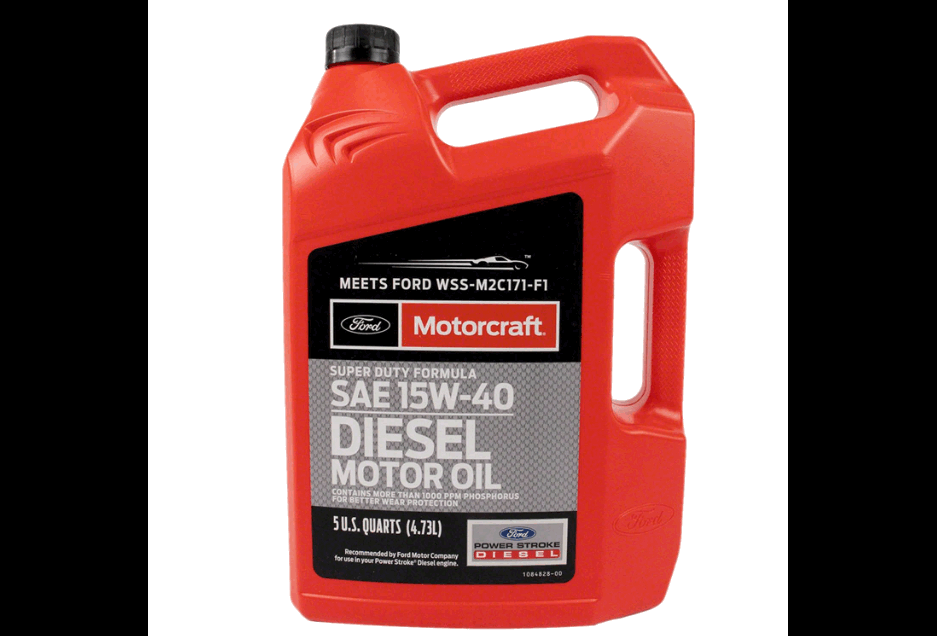
What Oil Type Does a 6.4 Powerstroke Take?
The 6.4 Powerstroke takes heavy duty diesel engine oil with the correct Ford approved specification and a viscosity that matches the ambient temperature. The most relevant viscosity grades are 5W-40 and 15W-40. Choosing between them requires more than checking the viscosity printed on the bottle because the oil must also meet the performance requirements specified for the engine.
Diesel engine oil protects the crankshaft, bearings, pistons, valvetrain, turbocharger, and other lubricated components from friction, heat, and deposits. This protection is especially important in the 6.4L Power Stroke because the engine operates under substantial thermal and mechanical loads. Towing, extended idling, frequent short trips, and severe driving conditions can place additional stress on the lubricant. The correct oil must maintain an effective lubricating film under these conditions.
Viscosity describes how the oil flows at different temperatures, while the oil specification defines a broader set of performance requirements. For example, two products may both carry a 5W-40 viscosity grade but use different formulations and meet different specifications. This means viscosity alone does not confirm that an oil is appropriate for the 6.4 Powerstroke.
For this reason, owners should check both the SAE viscosity grade and the required oil specification before adding or replacing engine oil. The final viscosity choice should then account for climate and vehicle use. This approach provides a more reliable basis for selecting 6.4 Powerstroke oil than choosing an oil based only on brand, price, or viscosity.
What Oil Viscosity Should You Use in a 6.4 Powerstroke?
A 6.4 Powerstroke can use 5W-40 or 15W-40 engine oil when the selected oil meets the required specification and matches the expected ambient temperature. The main difference between these viscosity grades appears during cold starts. Both have an SAE 40 rating at normal operating temperature, but 5W-40 flows more readily than 15W-40 when the engine and surrounding air are cold.
The first number describes the oil’s low temperature viscosity characteristics. A lower number before the W indicates better flow under colder starting conditions. For this reason, 5W-40 is better suited to lower ambient temperatures where rapid oil circulation during startup becomes more important. The second number represents viscosity at higher operating temperatures. Since both options end in 40, they fall within the same SAE high temperature viscosity grade.
Ambient temperature should therefore guide the viscosity decision. A truck exposed to freezing winter temperatures has different startup requirements from the same truck operating in consistently warm weather. Cold oil takes more effort to circulate, so using an appropriate winter viscosity helps the lubrication system deliver oil to critical engine components during startup.
Vehicle use also matters when selecting engine oil. Frequent cold starts, towing, heavy loads, and extended operation can change the demands placed on the lubricant. Owners should therefore select viscosity according to the expected climate and operating conditions while confirming that the oil also meets the required specification. Viscosity is one requirement for 6.4 Powerstroke oil, not the only requirement.
What Oil Specifications Does a 6.4 Powerstroke Require?
A 6.4 Powerstroke requires diesel engine oil that meets the applicable Ford oil specification for the engine, not simply an oil with the correct SAE viscosity. The specification identifies the performance characteristics the lubricant must provide. Owners should therefore check the product label or technical data sheet for the required approval before using the oil.
Oil specifications cover properties that a viscosity grade cannot describe by itself. These include resistance to oxidation, deposit control, wear protection, and performance under diesel engine operating conditions. The 6.4L Power Stroke generates substantial heat and combustion byproducts, so the lubricant must continue protecting internal components as operating temperature and engine load increase. A suitable formulation also helps control deposits that can interfere with long term engine cleanliness.
This distinction explains why two 5W-40 oils are not automatically interchangeable. Both products can fall within the same SAE viscosity grade while meeting different performance standards. The same principle applies to 15W-40. SAE viscosity describes how an oil behaves within defined temperature ranges, while its specification provides additional information about whether the formulation is suitable for the intended engine application.
Owners should consequently verify the required Ford specification first and then select an appropriate viscosity for the climate and operating conditions. This order prevents viscosity from becoming the only selection criterion. For a 6.4 Powerstroke, the correct engine oil combines the required performance specification with a suitable SAE grade rather than relying on either factor alone.
How Much Oil Does a 6.4 Powerstroke Take?
The 6.4 Powerstroke has an engine oil capacity of approximately 15 quarts, or 14.2 liters, when the oil filter is replaced. This capacity provides a practical reference for a complete oil and filter change. However, the exact amount needed during a refill can vary slightly because a small quantity of old oil may remain inside the lubrication system after draining.
Replacing the oil filter during an oil change is important because the filter retains oil as well as contaminants collected during operation. Installing a new filter changes the amount of fresh oil required to bring the system back to the correct level. For this reason, oil capacity should be considered together with filter replacement rather than treated only as the amount poured into the crankcase.
The final oil level should always be verified with the dipstick instead of relying exclusively on the stated capacity. Park the truck on level ground and allow the oil to settle before checking the reading. Add oil gradually when the level is below the correct range. This method reduces the risk of adding more oil than the engine requires.
Both insufficient oil and excessive oil can create lubrication problems. Too little oil reduces the available lubricant for critical engine components, while overfilling can interfere with normal crankcase operation. Therefore, use the 15 quart capacity as the starting reference for a complete 6.4 Powerstroke oil change, then confirm the final quantity with the dipstick before returning the truck to normal operation.
Should You Use 5W-40 or 15W-40 in a 6.4 Powerstroke?
Use 5W-40 in a 6.4 Powerstroke when you need better cold start performance. Choose 15W-40 when temperatures remain warm enough for this viscosity. Both oils carry an SAE 40 rating at operating temperature. Their main difference appears when you start a cold engine.
5W-40 flows more easily at low temperatures. This property helps the oil circulate through the engine sooner after startup. As a result, it can reach critical components faster in cold conditions. Drivers who experience freezing winters can benefit from this improved cold flow. It also works well in areas with large seasonal temperature changes.
15W-40 suits warmer operating conditions when the climate allows its use. It flows more slowly than 5W-40 during a cold start. Therefore, outside temperature plays an important role in the decision. Drivers in consistently warm climates can consider 15W-40 when it meets the required oil specification.
Towing and heavy loads also increase stress on engine oil. However, towing alone does not make 5W-40 or 15W-40 the correct choice. You should consider climate, engine load, oil specification, and maintenance intervals together. These factors determine how well the oil protects the engine during actual use.
For a simple rule, choose 5W-40 when cold starts are common. Consider 15W-40 when temperatures stay within its suitable operating range. Always confirm the required oil specification before making the final choice.
Does a 6.4 Powerstroke Need Synthetic Oil?
A 6.4 Powerstroke does not need synthetic oil solely because it is a diesel engine. The oil must first meet the required specification and viscosity for the operating conditions. However, full synthetic oil can provide useful advantages in cold weather, high temperatures, towing, and other demanding conditions.
Full synthetic oil usually maintains more consistent performance across a wider temperature range. It flows well during cold starts and remains stable as engine temperatures rise. These properties make synthetic oil useful for trucks that operate through large seasonal temperature changes. They also help when the engine regularly handles demanding workloads.
Towing and heavy duty driving place additional thermal stress on engine oil. High temperatures can accelerate oxidation and reduce oil performance over time. A suitable synthetic formulation can resist these effects and maintain its protective properties. However, owners still need to follow an appropriate maintenance schedule. Synthetic oil does not automatically justify an extended oil change interval.
Conventional diesel oil can also serve a 6.4 Powerstroke when it meets the correct requirements. Climate and vehicle use should guide the final decision. Synthetic blends provide another option for drivers who want some synthetic oil characteristics without choosing a full synthetic formulation.
Oil specification remains more important than the synthetic label alone. Choose an approved viscosity first, then consider the operating environment. Full synthetic oil becomes especially useful for frequent cold starts, towing, temperature extremes, and demanding use. For normal conditions, a suitable oil that meets the engine requirements remains the primary goal.
How Often Should You Change the Oil in a 6.4 Powerstroke?
The oil change interval for a 6.4 Powerstroke should follow Ford’s maintenance schedule and reflect how you use the truck. Normal driving and severe service place different demands on engine oil. Therefore, mileage alone should not determine every oil change.
Normal highway driving usually creates stable engine temperatures for longer periods. This operating pattern gives the oil fewer rapid heating and cooling cycles. However, short trips create different conditions. The engine may not stay at normal operating temperature for enough time. Frequent short trips can therefore place greater demands on the oil.
Towing and heavy loads also increase engine workload. The engine produces more heat when it works harder for extended periods. Higher temperatures place additional stress on the lubricant. Frequent idling can also contribute to severe service conditions. Owners who regularly tow, haul, idle, or make short trips should consider these factors when planning maintenance.
Oil condition also depends on time and operating environment. A truck that travels fewer miles can still require regular oil changes. This matters when the engine experiences repeated short trips or demanding use. Owners should follow the applicable Ford maintenance schedule instead of assuming every truck needs the same interval.
Regular oil changes help maintain lubrication and remove contaminated oil from the engine. Replace the oil filter at the appropriate service interval as well. Most importantly, match the maintenance schedule to actual vehicle use. This approach provides a better service strategy for a 6.4 Powerstroke than relying on mileage alone.
Does Towing or Cold Weather Change the Oil You Should Use?
Towing and cold weather can affect the oil you choose for a 6.4 Powerstroke because they create different lubrication demands. Towing increases engine load and heat. Cold weather makes engine oil harder to circulate during startup. The correct oil must suit both the climate and the way you use the truck.
Towing forces the engine to work harder for longer periods. This extra workload can increase operating temperatures and place more stress on the oil. The lubricant must maintain adequate protection as engine load rises. Frequent towing also makes oil quality and maintenance intervals more important. For this reason, drivers should consider their towing habits when selecting engine oil.
Cold weather creates a different challenge. Oil becomes more resistant to flow as temperatures fall. The engine still needs rapid lubrication when it starts. 5W-40 offers better low temperature flow than 15W-40. This characteristic makes 5W-40 a more practical option when the truck regularly starts in cold conditions.
Climate and workload can also affect the same truck at different times of the year. A 6.4 Powerstroke may face freezing starts during winter and heavy towing during warmer months. Owners should account for both conditions when selecting oil. They should also confirm that the chosen product meets the required oil specification.
Use temperature as the primary guide for viscosity selection. Then consider towing, engine load, and maintenance demands. This approach matches the oil to the truck’s actual operating environment instead of choosing a viscosity based on one factor alone.
What Happens If You Use the Wrong Oil in a 6.4 Powerstroke?
Using the wrong oil in a 6.4 Powerstroke can reduce lubrication performance and increase stress on internal engine components. The actual effect depends on what makes the oil unsuitable. The main problems involve incorrect viscosity, an unsuitable specification, or oil that no longer performs well under the operating conditions.
Oil that is too thick for the ambient temperature can circulate more slowly during a cold start. Critical engine components need lubrication soon after the engine starts. Poor cold flow can delay that process. This issue becomes more important as outside temperatures fall. Selecting the correct winter viscosity helps the oil move through the lubrication system sooner.
An unsuitable oil specification creates a different problem. Two oils can share the same SAE viscosity but provide different performance characteristics. The correct specification helps ensure suitable wear protection, deposit control, and resistance to oil degradation. For this reason, drivers should never select oil by viscosity alone.
Operating conditions also affect whether an oil remains suitable. Towing, heavy loads, frequent idling, and repeated short trips can place greater stress on the lubricant. Extending the service interval under demanding conditions can further reduce oil performance.
Using the wrong oil once does not mean immediate engine failure will occur. However, repeatedly using unsuitable oil can increase lubrication risks over time. Check the required specification, select the correct viscosity, and follow an appropriate maintenance interval. These three steps provide a more reliable way to protect a 6.4 Powerstroke.
What Oil Filter Should You Use With 6.4 Powerstroke Oil?
Use an oil filter that matches the 6.4 Powerstroke engine and meets the required filtration and oil flow requirements. The filter works with the engine oil to control contaminants during operation. For this reason, choosing the correct filter forms an important part of every complete oil change.
Engine oil collects contaminants as it circulates through the lubrication system. The oil filter captures particles before the oil returns to critical engine components. Effective filtration helps keep these contaminants from circulating repeatedly through the engine. However, the filter must also maintain sufficient oil flow. Filtration and flow must work together for the lubrication system to function correctly.
Correct fitment also matters. A filter designed for another engine may differ in dimensions, sealing design, or filtration characteristics. Owners should confirm compatibility with the 6.4L Power Stroke before installation. The vehicle application and manufacturer specifications provide a better selection method than choosing a filter based only on price or brand.
Replace the oil filter when performing a complete oil change according to the appropriate maintenance schedule. A new filter prevents the fresh oil from relying on a filter that has already collected contaminants during the previous service period. After replacing both components, add the correct amount of oil and check the dipstick.
The best approach combines three elements. Use the correct engine oil, install a compatible oil filter, and follow the appropriate service interval. Together, these steps support consistent lubrication throughout the 6.4 Powerstroke maintenance cycle.
What Should You Remember When Choosing 6.4 Powerstroke Oil?
Choose 6.4 Powerstroke oil by checking the required specification first, then match the viscosity to the climate and operating conditions. 5W-40 provides better flow during cold starts, while 15W-40 suits conditions where temperatures support its use. In both cases, the oil must meet the requirements of the 6.4L Power Stroke.
Oil quantity also matters during routine maintenance. A complete oil change requires about 15 quarts, or 14.2 liters, when replacing the filter. Use this figure as a reference and verify the final level with the dipstick. Correct oil quantity helps the lubrication system operate as intended.
Vehicle use should guide the maintenance strategy as well. Cold starts, towing, heavy loads, frequent idling, and short trips can increase demands on engine oil. Drivers should account for these conditions when choosing oil and planning service intervals.
A simple process makes oil selection easier. Check the required specification first. Choose the viscosity for the expected temperature and workload. Fill the engine to the correct level and verify it with the dipstick. Finally, follow the appropriate maintenance schedule. This approach addresses the main factors that determine the correct oil for a 6.4 Powerstroke.