Ceramic coating has become a popular choice for car owners who want a glossy finish, easier cleaning, and better resistance to everyday contaminants. The coating creates a durable layer over automotive paint and gives the surface strong water repellent properties.
However, ceramic coating has several limitations. It does not make a car scratch proof, prevent rock chips, or remove the need for regular maintenance. The installation process can also require extensive preparation, professional skills, and a significant financial investment.
Understanding the disadvantages of ceramic coating helps car owners set realistic expectations before spending money on the service. Your budget, driving habits, paint condition, parking environment, and ownership plans can all influence the value of the investment.
This guide covers ten important ceramic coating disadvantages that you should consider before coating your car. It also explains how ceramic coating compares with other paint protection options and when another solution may make more sense.
What Are the Main Ceramic Coating Disadvantages?
High Upfront Cost
One of the biggest ceramic coating disadvantages involves the initial cost. Professional ceramic coating can cost much more than traditional wax or synthetic paint sealants. Several factors affect the final price, including vehicle size, paint condition, coating quality, and installer experience.
Paint preparation can increase the cost even further. A vehicle with swirl marks, oxidation, scratches, or surface contamination may need paint correction before the installer applies the coating. This step helps create a clean and smooth surface for the coating.
DIY ceramic coating products can reduce labor costs, but they require careful preparation and application. A lower priced product may also offer different durability and performance compared with a professional grade coating.
For some owners, the investment makes sense because they plan to keep the vehicle for several years and care strongly about its appearance. Others may prefer a less expensive sealant that offers reasonable protection with a simpler maintenance routine.
Consider the vehicle’s age and condition before making a decision. A high quality coating can add value to a well maintained car, but the same investment may make less financial sense for an older vehicle with significant paint damage.
Ceramic Coating Does Not Prevent Scratches or Rock Chips
Many car owners expect ceramic coating to act like a physical shield. In reality, the coating mainly protects the surface from environmental contaminants and chemical exposure. It cannot stop every form of physical damage.
For example, a stone that hits the front bumper at highway speed can still chip the paint. Deep scratches, dents, and heavy impacts can also damage the finish despite the presence of a ceramic coating.
This difference becomes important when you compare ceramic coating with paint protection film. Ceramic coating focuses on surface protection, gloss, chemical resistance, and water repellency. Paint protection film adds a physical layer that can absorb and resist many forms of road impact.
Drivers who spend a lot of time on highways may therefore need more than ceramic coating. Paint protection film can protect high impact areas such as the front bumper, hood, mirrors, and front fenders.
Some owners choose both options to cover different needs. PPF can handle physical impact, while ceramic coating can improve gloss and simplify maintenance on other surfaces.
Think about your main protection goal before choosing a product. Ceramic coating works well for surface care, but it cannot replace physical impact protection.
Professional Application Requires Extensive Preparation
Ceramic coating requires more preparation than many car owners expect. An installer cannot simply wash the vehicle and apply the coating immediately.
First, the technician needs to clean the paint thoroughly. Chemical decontamination can remove embedded contaminants that ordinary washing cannot eliminate. Clay treatment may also help create a cleaner surface.
Paint correction may become necessary when the vehicle has swirl marks, oxidation, scratches, or other visible defects. The coating can enhance the appearance of the paint, but it cannot repair these imperfections.
Proper preparation also helps the coating bond effectively with the surface. Any remaining contamination can affect the final appearance and performance.
This preparation takes time and requires attention to detail. A professional service may spend several hours or even longer preparing a vehicle before applying the coating.
DIY application can work for experienced car enthusiasts who understand the process. Beginners may struggle with surface preparation, polishing, panel inspection, and product application.
For that reason, the quality of preparation often matters as much as the coating itself. A premium product cannot deliver its full potential when the installer applies it over poorly prepared paint.
Application Errors Can Be Difficult to Correct
Ceramic coating requires careful application because the product begins to cure after the installer spreads it across the paint. Poor technique can create visible problems such as streaks, high spots, uneven coverage, or hazy areas.
Dark colored vehicles can make these defects especially obvious. Uneven reflections may reveal application marks that the owner did not notice during installation.
Environmental conditions also affect the application process. Excessive humidity, extreme temperatures, dust, and direct sunlight can make it harder to achieve a consistent finish.
Once the coating cures, the installer may need machine polishing to correct serious application mistakes. That process adds time and labor to the project.
Professional installation reduces the risk, especially when the detailer has experience with the specific coating system. Even so, the final result depends on several factors, including paint preparation, application technique, lighting, temperature, and curing conditions.
DIY users should follow the manufacturer’s instructions closely. Working on one panel at a time and checking the surface under proper lighting can help identify problems before the coating fully cures.
Ceramic Coating Still Requires Regular Maintenance
Ceramic coating does not make a car maintenance free. It can make routine cleaning easier, but owners still need to wash the vehicle regularly.
The hydrophobic surface helps water and dirt move away from the paint more easily. However, dust, road grime, insects, bird droppings, and tree sap can still accumulate on the surface.
Washing technique also matters. Dirty wash mitts, abrasive tools, and unsuitable chemicals can affect the coating and create unnecessary surface marks. Some automatic car washes can also use brushes that may cause marring over time.
A simple maintenance routine can help preserve the coating. Owners should use suitable automotive cleaning products and safe washing methods. Regular drying also helps reduce the risk of mineral deposits.
Some coating systems also use maintenance products that support water repellency and surface performance. These products can complement routine washing when the manufacturer recommends them.
The key point is simple. Ceramic coating reduces some of the work involved in cleaning, but it does not remove the responsibility of caring for the vehicle.
Owners who expect the coating to protect the car without any maintenance may feel disappointed. A good coating works best when the owner combines it with proper washing and regular care.
Water Spots and Mineral Deposits Can Still Develop
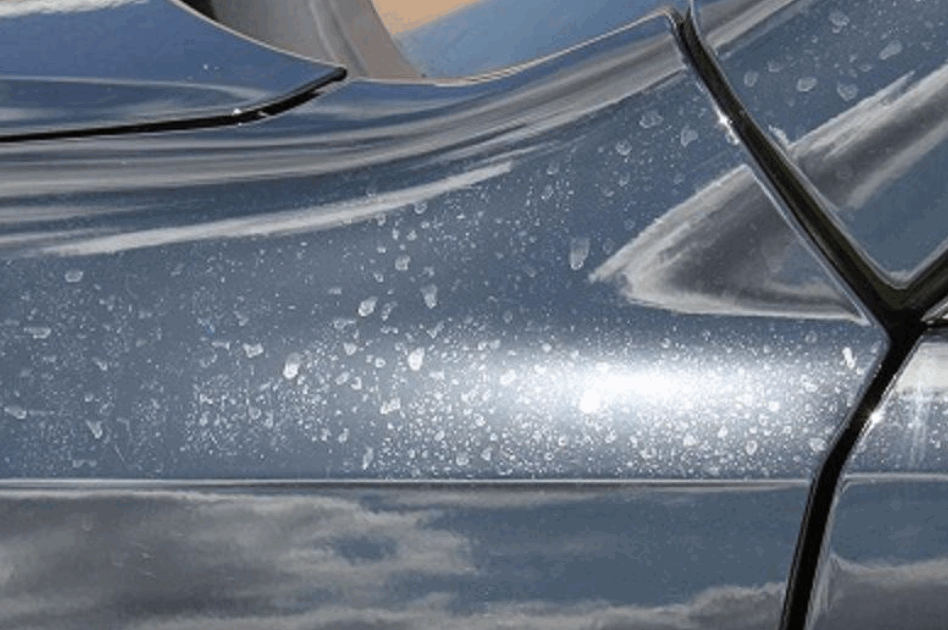
Ceramic coating creates strong water repellency, but water spots can still appear. When water evaporates, minerals and other residues can remain on the surface.
Hard water creates a greater risk because it contains higher concentrations of dissolved minerals. Sprinklers can also leave mineral deposits on a vehicle when they repeatedly spray water onto the paint.
The hydrophobic effect can make water form small beads across the surface. These beads may evaporate under sunlight and leave mineral residue behind.
Owners can reduce the risk by drying the vehicle after washing. Prompt drying becomes especially important when the car sits outside in direct sunlight.
A clean water source can also help minimize mineral deposits. When water quality remains poor, a suitable drying method and regular maintenance can make a noticeable difference.
Do not assume that ceramic coating eliminates water spot problems. The coating can improve resistance and simplify cleaning, but owners still need to manage water properly.
Removing mineral deposits early can also prevent them from becoming more difficult to address later. A coating offers useful surface protection, but good washing habits remain essential.
Ceramic Coatings Have a Limited Lifespan
Ceramic coating can last for years, but no coating lasts forever. Its actual lifespan depends on the product, installation quality, climate, driving conditions, and maintenance routine.
Vehicles face different levels of environmental exposure. A car that stays in a garage may experience less UV exposure and contamination than a daily driver that remains outdoors.
Washing habits also influence long term performance. Harsh chemicals, aggressive cleaning methods, and neglected contamination can reduce the coating’s effectiveness over time.
Manufacturers may provide durability estimates based on specific conditions and maintenance requirements. Real world results can vary because each vehicle experiences a different environment.
Owners may notice changes in water behavior as the coating ages. The surface may no longer produce the same level of water beading or feel as slick during washing.
Maintenance products can help support performance in some coating systems. However, they cannot turn a finite coating into a permanent one.
Consider the expected lifespan when calculating the total cost. A coating may provide strong value for someone who plans to keep a vehicle for several years. A lower cost sealant may suit an owner who wants a simpler and more affordable protection routine.
Removing a Cured Ceramic Coating Can Be Labor Intensive
A cured ceramic coating does not simply wash away when the owner wants to remove it. The coating bonds strongly to the paint, which helps it provide long lasting surface protection.
Machine polishing often provides the most practical way to remove a cured coating. The amount of work depends on the coating type, its condition, the number of layers, and the condition of the paint.
Removal can become relevant when a vehicle needs major paint correction or repainting. Owners may also need to remove an existing coating before applying a different protection system.
Careful polishing matters because the technician must remove the coating without unnecessarily affecting the clear coat. Excessive correction can reduce clear coat thickness.
Professional detailing experience can make this process safer and more predictable. A skilled technician can inspect the paint and choose an appropriate correction method.
Most owners will not need to remove their coating frequently. Nevertheless, the removal process remains an important consideration for anyone who expects to change protection systems or perform major paintwork in the future.
Environmental Contaminants Can Still Damage the Paint
Ceramic coating provides useful resistance against many environmental contaminants, but it cannot create an unlimited barrier between the paint and the outside environment.
Bird droppings, insects, tree sap, road grime, industrial fallout, and other contaminants can remain on the surface. Some substances contain aggressive chemicals that can affect automotive finishes when owners leave them on the paint for too long.
A ceramic coating gives the surface additional resistance, but owners should still remove aggressive contaminants promptly. Delaying cleanup can increase the risk of staining or surface damage.
The parking environment plays an important role. A vehicle parked under trees may collect more sap and bird droppings than a vehicle stored inside a garage. Daily highway driving can also expose the paint to more road grime and debris.
Weather conditions create another factor. Strong sunlight can accelerate the effect of contaminants that remain on the surface.
Regular washing helps manage these risks. Owners should also inspect the vehicle after driving through areas with heavy contamination.
Ceramic coating works best as part of a broader paint care strategy. Good parking habits, regular washing, and prompt contamination removal can help preserve the finish for longer.
Ceramic Coating May Not Be the Best Protection for Every Vehicle
Ceramic coating does not suit every vehicle or every owner. Its value depends on the type of protection you want and how you use the car.
Owners who prioritize gloss, water repellency, chemical resistance, and easier cleaning may find ceramic coating highly useful. A vehicle with healthy paint can provide an excellent foundation for the coating.
Drivers who mainly worry about rock chips and physical impact may need a different solution. Paint protection film offers stronger physical protection and can target areas that face frequent road debris.
Vehicle age also matters. Applying an expensive coating to heavily damaged paint may not provide good value unless the owner first invests in paint correction.
Ownership plans deserve attention as well. Someone who plans to sell the vehicle within a short period may not recover the full value of a premium coating service.
Driving habits provide another important consideration. A daily highway commuter faces different risks from someone who drives a vehicle mainly for weekend trips.
The best approach involves matching the protection system to the vehicle and its owner. Ceramic coating can deliver excellent surface protection and appearance benefits, but no single product handles every type of automotive paint damage.
Ceramic Coating vs. Other Paint Protection Options
Ceramic coating represents one of several ways to protect automotive paint. Wax, synthetic paint sealants, and paint protection film each offer different benefits.
Traditional wax provides basic protection and can enhance the appearance of the paint. It usually costs less than ceramic coating and allows owners to reapply protection without a complex preparation process.
Synthetic sealants can provide longer lasting protection than traditional wax. They also offer a practical option for owners who want better durability without investing in a professional ceramic coating.
Ceramic coating focuses on long term surface protection. Strong water repellency, chemical resistance, gloss enhancement, and easier cleaning make it attractive to many car owners.
Paint protection film serves a different purpose. The film creates a physical barrier that helps protect vulnerable areas from road debris and impact damage.
Highway drivers may benefit from PPF on the front bumper, hood, mirrors, and front fenders. Ceramic coating can then complement the film by improving gloss and simplifying maintenance.
Some owners use both technologies to cover different protection needs. PPF handles physical impact while ceramic coating supports surface protection and maintenance.
Choosing between these options requires a clear understanding of your priorities. No product delivers maximum performance in every category, so the right choice depends on your vehicle, driving environment, budget, and maintenance expectations.
Are Ceramic Coating Disadvantages Worth the Trade Off?
The disadvantages of ceramic coating do not make the technology a bad investment. Instead, they show why owners should match the product to their expectations.
Ceramic coating can make sense for drivers who value gloss, water repellency, chemical resistance, and easier cleaning. Owners who plan to keep their vehicles for several years may also find the long term benefits worthwhile.
On the other hand, drivers who mainly want protection from rock chips and heavy physical impacts should consider paint protection film. PPF addresses a different type of damage and can protect areas that face frequent road debris.
Maintenance expectations also matter. Ceramic coating can reduce cleaning effort, but owners still need to wash the vehicle and remove contaminants promptly.
Paint condition deserves attention before installation. A coating can enhance a properly prepared surface, but it cannot repair deep scratches, damaged clear coat, or major paint defects.
Budget should also influence the decision. The total investment can include paint correction, professional application, maintenance products, and future coating work.
Ultimately, ceramic coating offers the most value when its strengths match your needs. Understanding its limitations before installation helps you avoid unrealistic expectations and choose a protection system that fits your vehicle.
Conclusion: Should You Get Ceramic Coating?
Ceramic coating offers valuable benefits for car owners who want better gloss, strong water repellency, chemical resistance, and easier routine cleaning. However, the technology also has clear limitations.
The main ceramic coating disadvantages include high upfront cost, extensive preparation, application risks, ongoing maintenance, water spots, limited lifespan, difficult removal, and limited protection against physical impacts.
Most importantly, ceramic coating does not replace paint protection film when impact protection matters most. The two products serve different purposes and can work together when an owner wants broader protection.
Before you choose a coating, consider your vehicle’s paint condition, driving environment, budget, maintenance habits, and expected ownership period. These factors can help you determine whether the investment makes sense.
Ceramic coating works best for owners who prioritize appearance, chemical resistance, water repellency, and easier maintenance. Drivers who face frequent road debris or want stronger physical protection may benefit more from PPF.
A realistic understanding of ceramic coating disadvantages allows you to make a better decision. Instead of choosing based on marketing claims alone, compare the coating’s benefits with your actual driving needs and long term maintenance expectations.