Armor All is not bad for your car when you choose the right product and use it correctly. However, improper use can create problems. Too much product may leave a greasy residue or excessive shine. Using the wrong formula may also affect the appearance of some materials.
Armor All makes car care products for different surfaces and purposes. These products clean, protect, or enhance specific parts of a vehicle. Therefore, you should check the product label before applying it. A formula made for plastic or vinyl may not suit leather, glass, or touchscreens. You should also avoid slick protectants on steering wheels, pedals, and tire tread.
Drivers often worry that Armor All causes cracking, fading, discoloration, or tire damage. However, several other factors can damage automotive materials. Heat and UV exposure can degrade dashboards and exterior trim over time. Age and previous cleaning methods can also affect their condition. Incorrect application may create additional problems.
This article explains how Armor All affects dashboards, plastic, vinyl, leather, tires, rubber, and paint. It also identifies surfaces you should avoid. Finally, you will learn how to use Armor All safely without creating unnecessary residue, glare, or slipperiness.
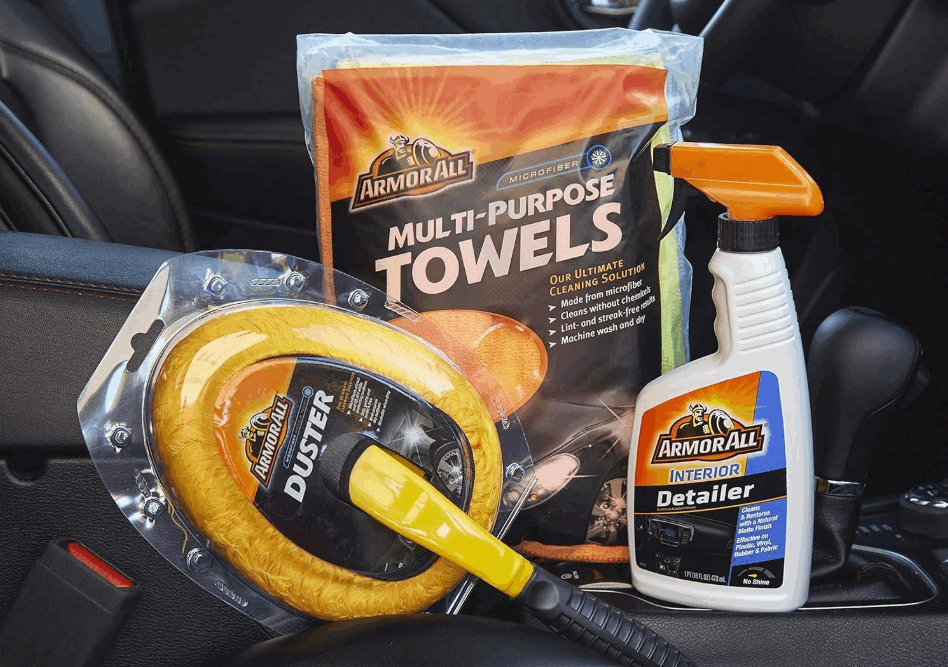
Is Armor All Bad for Your Car?
Armor All is generally safe for your car when you match the product to the correct surface and apply it properly. Armor All sells different formulas for specific automotive materials. Therefore, you cannot judge every product under the brand in the same way.
Three factors determine whether you can use an Armor All product safely. The first factor is the specific product. The second is the surface you want to treat. The third is your application method. These factors matter because a cleaner, protectant, and tire dressing serve different purposes. A product that works on vinyl may not suit glass, leather, or a touchscreen.
Incorrect use can create problems without causing permanent material damage. For example, applying too much protectant may leave a greasy finish. The excess product can also attract dust and make the surface look uneven. A glossy finish on a dashboard may create unwanted glare. A slick coating on a steering wheel or pedal can reduce grip.
You should also separate product damage from normal material deterioration. Sunlight, heat, age, dirt, and poor maintenance can affect automotive surfaces over time. These factors may cause fading, cracking, or discoloration without Armor All being the primary cause.
The safest approach is simple. Check the product label and confirm that it supports the material you want to treat. Then apply the recommended amount and remove excess product when the instructions require it. This approach reduces residue and helps protect the original finish.
What Problems Can Armor All Cause on a Car?
Armor All can cause five main problems when you use the wrong product or apply it incorrectly. These problems include greasy residue, excessive shine, dust buildup, slippery surfaces, and an uneven finish. Most involve product selection or application rather than immediate damage to the vehicle material.
Greasy residue often develops when you apply more protectant than the surface needs. The material cannot hold an unlimited amount of product. Excess formula stays on the surface and creates a slick or oily feel. That residue can then collect dust and make an otherwise clean interior look dirty.
Excessive shine can create another problem, especially on a dashboard. A highly reflective dashboard may produce glare on the windshield in bright sunlight. This effect makes surface finish more than a cosmetic concern. Drivers should avoid creating reflective finishes in areas that can affect visibility.
Slipperiness creates a more direct safety issue. Steering wheels and pedals require reliable grip. Applying a slick dressing to these areas can reduce friction between the driver and the control surface. Tire tread also needs traction, so dressings belong only on surfaces approved by the product manufacturer.
Cracking, fading, and discoloration require more careful evaluation. Heat, ultraviolet radiation, material age, and previous maintenance can all contribute to deterioration. For that reason, visible damage after using a product does not prove that Armor All caused it. Product compatibility, application history, and the condition of the material all matter when identifying the actual cause.
Is Armor All Bad for Your Dashboard?
Armor All is not bad for your dashboard when you use a dashboard compatible product correctly. However, the wrong product or too much protectant can leave residue and unwanted shine. These effects can make the dashboard look worse without causing permanent damage.
Most modern dashboards contain plastic, vinyl, or other synthetic materials. Each material has different cleaning and protection needs. For this reason, you should check the product label before treating the dashboard. A product designed for compatible interior surfaces offers a safer choice than a general cleaner with no stated use for dashboards.
Excess product can create a greasy surface that attracts dust. It may also produce a glossy finish. Strong dashboard reflections can appear on the windshield when sunlight enters the cabin. This glare may reduce visibility and distract the driver. A clean, even finish therefore matters for both appearance and driving comfort.
Cracking and fading require a different explanation. Sunlight exposes dashboards to ultraviolet radiation, while a closed vehicle can experience high interior temperatures. Over time, these conditions can degrade automotive materials. Age and maintenance history also affect the condition of a dashboard. You should not assume that Armor All caused a crack simply because someone used it on the surface.
Choose a product that lists your dashboard material as a suitable surface. Apply a controlled amount and spread it evenly. Remove excess product when the instructions recommend it. Proper application helps prevent residue, uneven shine, and unnecessary buildup.
Is Armor All Bad for Plastic and Vinyl?
Armor All does not normally harm compatible automotive plastic and vinyl when you use the correct formula as directed. Problems usually involve excessive application, unsuitable products, or surfaces that already have damage.
Cars contain plastic and vinyl in dashboards, door panels, center consoles, and interior trim. These materials face regular exposure to heat, sunlight, dust, skin oils, and cleaning products. Their condition can therefore change for several reasons. A protectant represents only one part of the maintenance process.
Using too much product can leave plastic with an oily or uneven appearance. Excess residue may also collect dust. This buildup can make the surface feel dirty soon after cleaning. Adding another layer before removing old residue may make the problem more noticeable.
Vinyl can develop similar appearance problems. The correct product should leave a consistent finish without making the material excessively slick. You should clean heavily soiled vinyl before adding a protectant. Otherwise, the new layer may spread over dirt and old residue instead of producing an even finish.
Visible fading or cracking does not automatically prove chemical damage from Armor All. UV exposure, heat, age, and previous cleaning practices can degrade plastic and vinyl over time. Existing deterioration also changes how a surface responds to detailing products.
Check the product instructions before treating either material. Use only enough product to cover the surface evenly. This method gives you greater control over the finish and reduces the risk of greasy buildup.
Is Armor All Bad for Leather Car Seats?
Armor All is not bad for leather car seats when you use a product designed for that type of upholstery. However, you should not assume that every interior product works safely on leather. The correct choice depends on the seat material and the specific formula.
Car seats can use genuine leather, coated leather, synthetic leather, or a combination of materials. These surfaces do not always require the same care. Many modern leather seats also have a protective coating over the leather. This coating affects how cleaners and protectants interact with the surface.
Start by identifying the material before applying Armor All. Next, check whether the product specifically lists that material as a suitable surface. A general interior protectant should not replace a leather specific product unless its instructions approve that use.
Using an unsuitable product may leave unwanted residue or change the appearance of the seat. Applying too much product can also create an oily or slick finish. This result becomes especially noticeable on areas that frequently contact clothing and skin.
You should also distinguish cleaning from protecting. Cleaning removes dirt, oils, and other contaminants from the surface. A protectant serves a different purpose. Applying more protectant will not compensate for a dirty seat.
Test the product on a small, less visible area when you have concerns about compatibility. Apply a controlled amount and inspect the finish before treating the entire seat. This process helps you identify unwanted changes before they affect a larger area.
Is Armor All Bad for Tires and Rubber?
Armor All is not inherently bad for tires when you use a tire product on the intended area and follow its instructions. The most important distinction involves where you apply the dressing. The tire sidewall and tire tread perform very different functions.
Drivers commonly apply tire dressings to sidewalls to improve their appearance. The tread, however, creates traction between the tire and road. You should not apply a slick dressing to the tread unless the manufacturer specifically directs otherwise. Reduced traction can create a safety concern.
Application control also matters around the wheel. Excess product can spread beyond the intended area through overspray or improper application. Using an applicator gives you more control over where the dressing goes. It also helps create a more even finish on the sidewall.
Claims that tire dressings automatically crack or dry rubber require careful evaluation. Tires naturally experience sunlight, heat, road contaminants, repeated flexing, and aging. These factors contribute to changes in rubber over time. Therefore, visible deterioration alone does not identify a tire dressing as the cause.
The specific product formula matters more than the Armor All brand name alone. A product designed for tire sidewalls has a different purpose from an interior protectant or general cleaner. Check the label before use and follow its surface restrictions.
Finally, keep any dressing away from areas where traction matters. Apply a controlled amount to the intended sidewall area and remove excess product when required. Correct placement provides the desired finish without treating safety critical surfaces.
What Car Surfaces Should You Not Use Armor All On?
You should not use Armor All on a car surface unless the specific product lists that material as compatible. You should take extra care with steering wheels, pedals, tire tread, glass, touchscreens, and instrument displays. These areas require reliable grip, clear visibility, or specialized cleaning.
Steering wheels require consistent friction between your hands and the surface. A slick protectant can reduce that grip. The same principle applies to accelerator, brake, and clutch pedals. These controls need secure contact with your hands or feet. For this reason, avoid products that leave a slippery finish on driver control surfaces.
Tire tread also requires traction. Tire dressings serve a cosmetic purpose on compatible sidewalls. Applying them to the tread can create an unwanted slick surface. Keep the product within its intended application area and control overspray during use.
Glass requires a different approach. Interior protectants may leave streaks or residue that reduce clarity. Windshield residue can become more noticeable in direct sunlight or at night. Use an automotive glass cleaner instead when cleaning windows and mirrors.
Touchscreens and instrument displays also need special care. Some screens contain coatings that require compatible cleaning methods. A general interior product may leave smears or unwanted residue. Check the vehicle manual and product instructions before cleaning these surfaces.
No single rule applies to every Armor All formula. The brand offers products for different automotive materials. Always match the specific product to the intended surface instead of treating one formula as a universal car care solution.
Is Armor All Safe for Car Paint?
You should only use an Armor All product on car paint when the manufacturer identifies painted surfaces as an intended use. A product that works safely on a dashboard, tire, or plastic trim does not automatically suit automotive paint.
Car paint uses several layers to protect the vehicle and create its finished appearance. The exterior also faces sunlight, dirt, road debris, water, and other contaminants. Products made for painted surfaces account for these conditions and serve different purposes from interior protectants or tire dressings.
Product type therefore matters more than the Armor All name alone. Interior cleaners focus on cabin materials. Tire products target compatible rubber surfaces. Other detailing products may serve exterior trim or painted body panels. You should follow the intended use of each formula instead of transferring one product between unrelated surfaces.
Accidental contact does not automatically mean that permanent paint damage will occur. However, you should not leave an unsuitable product on the paint simply because no immediate damage appears. Follow the product instructions for removal. Clean the affected area with an appropriate automotive product when necessary.
You can reduce this risk by controlling overspray during detailing. Apply the product to a cloth or applicator when the instructions allow it. This method gives you better control near painted panels and other adjacent surfaces.
The safest rule is straightforward. Read the label before application and confirm that the product supports automotive paint. Use a paint specific detailing product when the formula does not list painted surfaces as an intended application.
How Do You Use Armor All Without Damaging Your Car?
Use Armor All safely by matching the product to the surface, controlling the amount, and following the label instructions. Correct application reduces residue, unwanted shine, and accidental contact with nearby surfaces. It also helps you achieve a more even finish.
Start by identifying the material you want to clean or protect. A dashboard may contain plastic, vinyl, or several materials. Seats may use leather, synthetic leather, fabric, or a combination of surfaces. Tires require products designed for compatible rubber areas. Identifying the material helps you choose the correct formula.
Next, read the product label before application. Check the approved surfaces and any restrictions. Do not assume that one Armor All product works on every part of the vehicle. Use a dedicated product when the label does not include the material you want to treat.
Clean the surface before applying a protectant when necessary. Dirt, dust, oils, and old residue can affect the final finish. Adding a new layer over contamination may create streaks or uneven areas. A clean surface gives you greater control over the application.
Apply a small amount first and spread it evenly. More product does not automatically provide more protection. Excess formula can leave an oily finish and attract dust. It can also spread to adjacent areas that require a different cleaning method.
Finally, inspect the surface after application. Remove excess product according to the instructions. The finished surface should look even and should not create unnecessary glare or slipperiness.
Should You Spray Armor All Directly on the Surface?
You should follow the specific product instructions before spraying Armor All directly on a car surface. In areas where overspray creates a concern, applying the product with a microfiber cloth or applicator can provide greater control.
This method becomes useful around glass, screens, controls, and mixed material areas. Direct spraying can send small droplets beyond the intended surface. For example, dashboard overspray may reach the windshield or an infotainment display.
Apply the product to an applicator when the instructions allow this method. Spread it across the intended area with controlled movements. This approach helps create an even coating while limiting contact with nearby surfaces.
Should You Wipe Off Excess Armor All?
You should wipe off excess Armor All when the product instructions require removal or buffing after application. Removing extra product can reduce greasy residue, streaks, excessive shine, and uneven coverage.
The surface can only hold the amount needed for the intended treatment. Leaving unnecessary product behind may create an oily feel instead of improving the finish. The excess can also attract dust on dashboards, consoles, and other interior surfaces.
Use a clean microfiber cloth when the instructions call for buffing or removing excess formula. Wipe the area evenly and inspect it under good lighting. A consistent finish indicates better product distribution than visible wet spots or heavy residue.
Always follow the directions for the exact Armor All product you use. Application and removal methods can differ between cleaners, protectants, wipes, and tire products.
How Often Should You Use Armor All on Your Car?
You should use Armor All according to the product instructions and the condition of the treated surface. No single application schedule works for every Armor All product or every part of a car. The correct frequency depends on the formula, material, environment, and vehicle use.
Start with the directions for the specific product. A cleaner serves a different purpose from a protectant or tire dressing. These products may require different application intervals. Following one schedule for every formula can lead to unnecessary product use.
The condition of the surface also matters. A clean dashboard with an even finish may not need another application. Adding more protectant too soon can create buildup instead of improving protection. This buildup may leave the surface greasy or attract more dust.
Environmental conditions can also affect your maintenance routine. Strong sunlight and heat expose dashboards, plastic trim, and other materials to greater stress. Frequent driving can increase contact with dust, dirt, skin oils, and other contaminants. A vehicle that stays covered may face different conditions.
Inspect the surface before applying another layer. Look for dirt, uneven appearance, residue, or loss of the desired finish. Clean the material when it needs cleaning rather than automatically adding more protectant.
The safest schedule combines the product directions with the actual condition of your vehicle. Apply Armor All when the surface needs the treatment and the instructions support another application. More frequent use does not automatically provide better results.
What Can You Use Instead of Armor All?
You can replace Armor All with a car care product designed for the specific material and task you need to complete. The best alternative depends on whether you want to clean, protect, restore, or improve the appearance of a surface.
Use an automotive interior cleaner when your main goal is removing dirt from dashboards, door panels, and consoles. Cleaning products target contamination rather than adding a protective finish. This makes them useful when a surface needs cleaning but does not need another layer of protectant.
Choose a dedicated UV protectant when you want protection for compatible dashboards and interior trim. For leather seats, use a cleaner or protectant that specifically supports the type of upholstery in your vehicle. This approach reduces the risk of applying a general interior formula to an unsuitable material.
Tires require another category of product. Use a dedicated tire dressing on compatible sidewalls when you want a finished appearance. Keep the product away from the tread and other areas where traction matters. For windows and mirrors, choose an automotive glass cleaner that leaves a clear finish without oily residue.
Touchscreens and instrument displays may require a screen compatible cleaner. Check the vehicle manual before using a chemical product on coated displays. The wrong cleaner may leave residue or affect the surface finish.
The key principle applies to Armor All and its alternatives. Choose the product according to the surface and purpose rather than the brand name alone. This approach makes car care more predictable and reduces problems caused by incompatible products.
Is Armor All Bad for Your Car in the Long Term?
Armor All is not inherently bad for your car in the long term when you choose the correct product and use it as directed. The specific formula, vehicle surface, and application method determine whether you get a safe and effective result.
Most problems come from incorrect product selection or application. Excess protectant can leave greasy residue, attract dust, or create unwanted shine. Slick products can also reduce grip on steering wheels, pedals, and tire tread. For this reason, you should keep dressings away from surfaces where traction and visibility matter.
You should also avoid blaming Armor All for every crack, faded panel, or damaged surface. Heat, UV exposure, material age, previous cleaning methods, and maintenance history can all affect automotive materials. Consider these factors when you identify the cause of deterioration.
The safest approach starts with the product label. Confirm that the formula supports the material you want to treat. Apply a controlled amount and remove excess product when the instructions require it. Use dedicated products for leather, glass, screens, tires, or paint when necessary.
Ultimately, Armor All can fit safely into a car care routine. Match the product to the surface, apply it correctly, and avoid using one formula as a universal treatment for every part of your car.