Leaving your car idling for 5 hours usually does not cause immediate engine damage when the vehicle has enough fuel and a healthy cooling system. However, the engine continues to run for the entire period. It also continues to consume fuel and produce exhaust emissions.
The engine keeps burning fuel while the car remains stationary. Engine oil continues to circulate through the engine. The cooling system keeps the engine at its operating temperature. The alternator also supplies electrical power while the engine runs. These systems must continue working for the full 5 hours.
A single 5 hour idling period does not mean that your car has suffered serious damage. The situation changes when the vehicle already has a cooling system problem, a weak charging system, or an exhaust system fault. High temperatures and heavy air conditioning use can also increase the load on the vehicle.
This article explains what happens when you leave a car idling for 5 hours. It covers fuel consumption, engine wear, overheating, engine oil, battery operation, and exhaust system effects. It also explains what you should check after the car has idled for several hours.
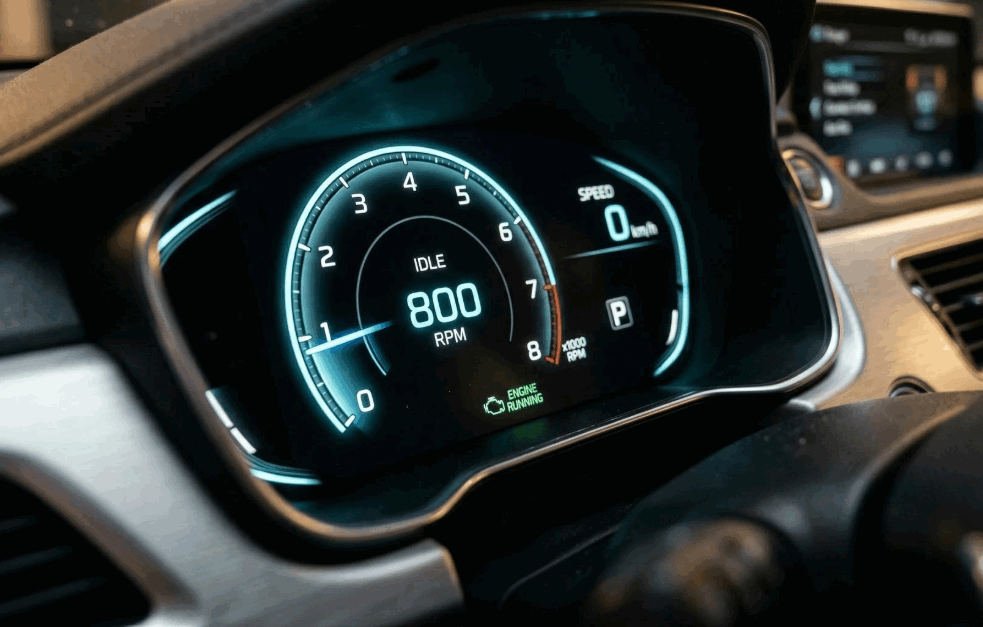
What Happens to Your Car If You Leave It Idling for 5 Hours?
Leaving your car idling for 5 hours keeps the engine running while the vehicle remains stationary. The engine continues to burn fuel and produce heat. The cooling system must remove this heat while the car stays in place.
The engine also continues to circulate oil through its moving components. This process provides lubrication while the engine operates. Five hours of idling therefore adds five hours of engine operating time, even though the car travels little or no distance.
The alternator continues to generate electrical power while the engine runs. It supplies power to systems such as the lights, blower motor, infotainment system, and other electrical equipment. Air conditioning can increase the load because the system requires additional mechanical and electrical power.
The exhaust system also continues to process combustion gases. The engine produces these gases throughout the entire five hour period. Idling therefore consumes fuel and produces emissions without moving the vehicle.
A healthy cooling system should keep the engine within its normal operating temperature range during idling. The radiator, coolant, cooling fan, thermostat, and water pump all contribute to temperature control. A fault in any of these components can cause overheating during prolonged idling.
A single five hour idling period does not automatically mean that your car has suffered serious damage. The actual effect depends on the vehicle’s condition, engine type, ambient temperature, electrical load, and maintenance condition.
Can Idling for 5 Hours Damage Your Engine?
Idling for 5 hours does not normally cause immediate engine damage in a healthy vehicle. The engine continues to operate at idle speed, but it does not experience the same load as it does during normal driving. A single prolonged idling period therefore does not mean that the engine will fail or require major repairs.
However, prolonged idling still adds operating time to the engine. The engine continues to burn fuel, circulate oil, and move internal components while the vehicle remains stationary. Repeated long periods of idling can therefore increase total engine operating hours without adding useful driving distance.
Low load also changes how the engine operates. The engine produces less power than it produces during normal driving, while combustion continues throughout the idle period. This operating condition can contribute to carbon buildup in some engines, especially when the vehicle regularly spends long periods at idle.
The risk also depends on the type and condition of the engine. A vehicle with a healthy cooling system, proper lubrication, and regular maintenance can normally handle an isolated period of prolonged idling better than a vehicle with existing mechanical problems. Diesel engines require additional attention because prolonged low load operation can create conditions that affect soot and emissions control systems.
The key distinction is between one five hour event and repeated prolonged idling. One event does not automatically indicate engine damage. A regular habit of leaving the engine running for several hours deserves more attention because it increases fuel consumption and engine operating time while providing no driving benefit.
How Much Fuel Does a Car Use While Idling for 5 Hours?
A car continues to consume fuel while the engine idles, even when the vehicle remains stationary. The exact amount depends on the engine, vehicle, and operating conditions. Engine size, engine type, air conditioning, and electrical demand can all affect fuel consumption.
You can estimate five hour fuel consumption by multiplying the vehicle’s hourly idle fuel use by five. For example, a vehicle that consumes 0.8 liters of fuel per hour while idling would use about 4 liters during 5 hours. A vehicle that consumes 1.2 liters per hour would use about 6 liters during the same period.
Air conditioning can increase fuel consumption because the system places additional load on the engine. Hot weather can also increase the demand on the air conditioning system. Electrical equipment such as lights and the blower motor can add further load while the engine continues to idle.
Engine size also affects the amount of fuel consumed. A small passenger car and a large vehicle do not necessarily use the same amount of fuel at idle. Diesel and gasoline engines can also have different fuel consumption characteristics.
Five hours of idling therefore has a direct fuel cost. The vehicle burns fuel without adding meaningful travel distance. For a driver who repeatedly leaves the engine running while parked, this wasted fuel can become a significant operating expense over time.
Can a Car Overheat If It Idles for 5 Hours?
A healthy car should maintain its normal engine temperature while idling for 5 hours. The cooling system continues to remove heat while the engine runs. A cooling system fault can change this outcome and cause the engine temperature to rise.
The cooling system depends on several components to control engine temperature. Coolant carries heat away from the engine. The radiator releases that heat into the surrounding air. The cooling fan helps move air through the radiator when the vehicle remains stationary. The thermostat and water pump also support proper coolant circulation.
A car receives more natural airflow when it moves. A stationary car does not receive the same airflow through the radiator. The cooling fan therefore becomes especially important during prolonged idling. If the fan fails or the cooling system has another fault, the engine can struggle to remove enough heat.
Low coolant can also reduce the cooling system’s ability to control temperature. A faulty thermostat, water pump, or radiator can create similar problems. These conditions matter more during prolonged idling because the engine continues producing heat for several hours.
If the temperature gauge remains within its normal range and the vehicle shows no overheating warning, 5 hours of idling does not automatically indicate an overheating problem. If the temperature rises abnormally or the vehicle displays an overheating warning, stop the engine when it is safe to do so and investigate the cooling system.
Does Idling for 5 Hours Affect Engine Oil?
Idling for 5 hours keeps the engine oil circulating while the engine continues to operate. The oil lubricates moving components inside the engine and helps reduce friction between these parts. The engine therefore continues to use its lubrication system even when the vehicle remains parked.
Five hours of idling also adds five hours of engine operating time. The odometer may show little or no additional mileage, but the engine still completes combustion cycles and moves internal components throughout the period. This difference matters when you consider prolonged idling as a repeated driving habit.
Long periods of low load can also create different operating conditions from normal driving. The engine produces less power while it remains at idle, but combustion continues. Repeated prolonged idling can therefore contribute to operating conditions that differ from those experienced during regular driving.
Engine oil condition also depends on factors beyond idling. Oil age, vehicle condition, maintenance practices, and the manufacturer’s service requirements all affect when an oil change becomes necessary. A single five hour idling period does not provide enough information to determine that the oil needs immediate replacement.
If the engine temperature remains normal and the vehicle shows no oil pressure warning or other abnormal symptoms, five hours of idling does not automatically indicate an oil problem. Drivers should follow the vehicle manufacturer’s maintenance schedule and investigate warning lights or unusual engine behavior.
Will Idling Your Car for 5 Hours Drain the Battery?
Idling your car for 5 hours does not normally drain a healthy battery because the engine keeps the alternator running. The alternator generates electrical power while the engine operates. It can supply the vehicle’s electrical systems and help maintain the battery’s charge.
The electrical load affects how the charging system performs during prolonged idling. Headlights, the blower motor, infotainment system, heated seats, and other electrical equipment all require power. Air conditioning can also increase the vehicle’s overall load while the engine remains at idle.
A healthy charging system should handle normal electrical demand while the engine idles. A weak battery or a charging system problem can change this situation. If the alternator cannot provide enough power, the battery may supply the difference between electrical demand and alternator output.
Five hours of idling therefore does not automatically mean that the battery will become discharged. The condition of the battery, alternator, and electrical system matters more than the five hour duration alone. A vehicle with a healthy charging system can continue supplying electrical power while it runs.
If the battery warning light appears, the lights become unusually weak, or the vehicle develops other electrical problems after prolonged idling, the charging system deserves inspection. These symptoms provide more useful information than the idling duration alone.
Can Idling for 5 Hours Affect the Exhaust System?
Idling for 5 hours keeps the exhaust system active for the entire period. The engine continues to burn fuel, so it continues to produce combustion gases. The exhaust system must process these gases even though the vehicle remains stationary.
Prolonged idling can create conditions that differ from normal driving. The engine operates at low load and low speed while it continues combustion. This condition matters because the exhaust system does not experience the same operating conditions that it experiences when the vehicle drives under load.
The catalytic converter also remains part of the exhaust process while the engine runs. Its operation depends on the gases produced by the engine and the conditions inside the exhaust system. A single five hour idling period does not automatically mean that the catalytic converter has suffered damage.
Repeated prolonged idling deserves more attention. Low load operation can contribute to carbon or soot related problems, particularly in vehicles with diesel engines and emissions control systems. The effects depend on the engine type, vehicle condition, and frequency of prolonged idling.
Exhaust smoke, unusual exhaust odors, warning lights, or changes in engine performance provide stronger evidence of a potential exhaust system problem than the five hour duration alone. If these symptoms appear after prolonged idling, the vehicle should receive an appropriate inspection.
Is Idling for 5 Hours Worse for a Diesel Engine?
Five hours of idling can create more specific concerns for a diesel engine because diesel engines can produce soot during prolonged low load operation. The engine continues to run while producing relatively little power. This creates operating conditions that differ from normal driving under load.
Soot matters because modern diesel vehicles use emissions control systems to manage particles in the exhaust. The diesel particulate filter, or DPF, captures soot from the exhaust gases. The system must then remove the accumulated particles through a regeneration process under suitable operating conditions.
Prolonged idling does not automatically mean that a diesel engine or DPF will fail. The effect depends on the vehicle’s design, condition, and how often the engine idles for long periods. One five hour event has a different significance from repeatedly leaving a diesel engine running for several hours.
Diesel engines also continue to consume fuel and accumulate engine operating time while idling. The vehicle travels no meaningful distance during this period, but the engine continues to complete combustion cycles and operate its internal components.
If a diesel vehicle develops a warning light, unusual exhaust smoke, rough engine operation, or another abnormal symptom after prolonged idling, the driver should check the vehicle according to the manufacturer’s guidance. Repeated prolonged idling deserves particular attention because it can create unfavorable low load conditions for diesel combustion and emissions systems.
What Should You Check After Your Car Has Been Idling for 5 Hours?
After your car has idled for 5 hours, check the vehicle for warning signs before assuming that everything is normal. A healthy engine can normally continue running at idle, but prolonged operation can reveal existing problems with the cooling, charging, or exhaust systems.
Start with the dashboard. Check for an engine temperature warning, oil pressure warning, battery warning, or check engine light. These warnings provide important information about systems that may not have operated correctly during the five hour period.
Next, check the engine temperature. The temperature should remain within the vehicle’s normal operating range. An unusually high temperature can indicate a problem with the cooling system. Low coolant, a faulty radiator fan, a damaged radiator, a thermostat problem, or a water pump fault can affect temperature control.
Look around the vehicle for fluid leaks. Check for signs of coolant or engine oil under the car. Also pay attention to unusual engine sounds, abnormal exhaust smoke, or unusual exhaust odors. These symptoms can indicate a problem that requires further inspection.
Finally, pay attention to how the car behaves after you start driving. The engine should run smoothly and the electrical system should operate normally. If the vehicle shows warning lights, overheating, unusual smoke, abnormal noises, or other clear symptoms, have the vehicle inspected instead of assuming that five hours of idling caused no problems.
Is It Safe to Sit or Sleep in a Car While It Is Idling?
Sitting or sleeping in an idling car can create a carbon monoxide risk, especially in an enclosed or poorly ventilated space. Carbon monoxide comes from engine exhaust. The gas can build up when exhaust cannot disperse properly.
Never leave a car idling inside a closed garage. The garage can trap exhaust gases and allow carbon monoxide to reach dangerous levels. Opening a garage door does not remove the risk in every situation because ventilation conditions can change.
The exhaust outlet also needs clear space around it. Snow, debris, or another obstruction can interfere with exhaust flow. A blocked outlet can increase the chance that exhaust gases enter the vehicle cabin.
The risk does not depend only on whether the vehicle sits still. A running engine continues to produce exhaust gases for as long as it operates. Five hours of idling therefore creates a prolonged period in which the vehicle produces those gases.
If you need to remain in a vehicle while the engine runs, avoid enclosed spaces and make sure the exhaust outlet remains unobstructed. Do not sleep in an idling vehicle inside a garage or another enclosed area.
How Long Can a Car Safely Idle?
There is no single maximum idling time that applies to every car. A vehicle can continue idling as long as it has enough fuel and its engine, cooling system, and other essential components continue to operate correctly. The practical limit therefore depends on the vehicle’s condition and operating environment.
The cooling system is one of the most important factors during prolonged idling. A healthy radiator, cooling fan, thermostat, water pump, and adequate coolant help control engine temperature while the vehicle remains stationary. A problem with any of these components can make prolonged idling unsafe for the engine.
Fuel supply also limits how long a car can continue running. The engine consumes fuel throughout the entire idling period, even though the vehicle does not travel. Larger engines and vehicles with higher electrical or air conditioning loads can also consume more fuel during extended idling.
Five hours of idling should therefore not be treated as a universal safe limit or a recommended operating period. A healthy vehicle can handle a single five hour idling event without immediate damage, but repeated prolonged idling provides little benefit and increases fuel consumption and engine operating time.
If you regularly need to keep your vehicle running while parked, follow the manufacturer’s guidance and consider the engine type, vehicle condition, weather, cooling system, and electrical load. These factors provide a better basis for judging prolonged idling than a fixed number of hours.
Should You Leave Your Car Idling for 5 Hours?
You should not intentionally leave your car idling for 5 hours unless you have a specific reason to keep the engine running. A healthy vehicle can normally handle a single five hour idling period without immediate engine damage. However, the engine continues to consume fuel, produce exhaust gases, and accumulate operating time while the vehicle remains stationary.
The main concern is not that five hours of idling will automatically destroy the engine. The greater concern is prolonged operation without useful driving distance. The engine continues to run at low load while the cooling system, lubrication system, charging system, and exhaust system remain active. Existing problems can become more noticeable during this extended operating period.
Your vehicle’s condition also affects the outcome. A healthy cooling system should control engine temperature during idling. A functioning alternator should supply electrical power while the engine runs. Adequate engine oil should continue lubricating internal components. Diesel vehicles require additional attention because prolonged low load operation can create unfavorable conditions for soot and emissions control systems.
If you accidentally leave your car idling for 5 hours, do not assume that the engine has suffered serious damage. Check the dashboard for warning lights, confirm that the engine temperature remains normal, and look for leaks, unusual noises, smoke, or other abnormal symptoms. If the vehicle operates normally, the five hour event alone does not prove that a mechanical failure occurred.
The better approach is to avoid unnecessary prolonged idling. Turn the engine off when you do not need the vehicle to remain running, unless your vehicle’s operating requirements or a specific situation requires otherwise.