ISO VG 320 gear oil corresponds to AGMA 6 in common industrial gear oil viscosity charts. SAE uses a different classification system, so you cannot convert ISO VG 320 to an SAE grade by matching grade numbers. ISO VG 320 has a nominal kinematic viscosity of 320 mm²/s, or cSt, at 40°C. Manufacturers commonly specify this grade for industrial gearboxes that need a high viscosity lubricant.
ISO, SAE, and AGMA classify gear lubricants in different ways. ISO focuses on kinematic viscosity at 40°C. SAE applies separate viscosity limits to automotive gear lubricants. AGMA uses a system designed for industrial gear lubrication. These differences explain why a viscosity comparison does not always identify a direct replacement.
You should check more than viscosity when choosing an ISO 320 gear oil equivalent. Compare the base oil, additive system, operating conditions, material compatibility, and equipment specifications. These properties determine whether two lubricants can perform the same job. This guide compares ISO VG 320 with SAE and AGMA grades. It also explains how to choose a suitable replacement for an industrial gearbox.
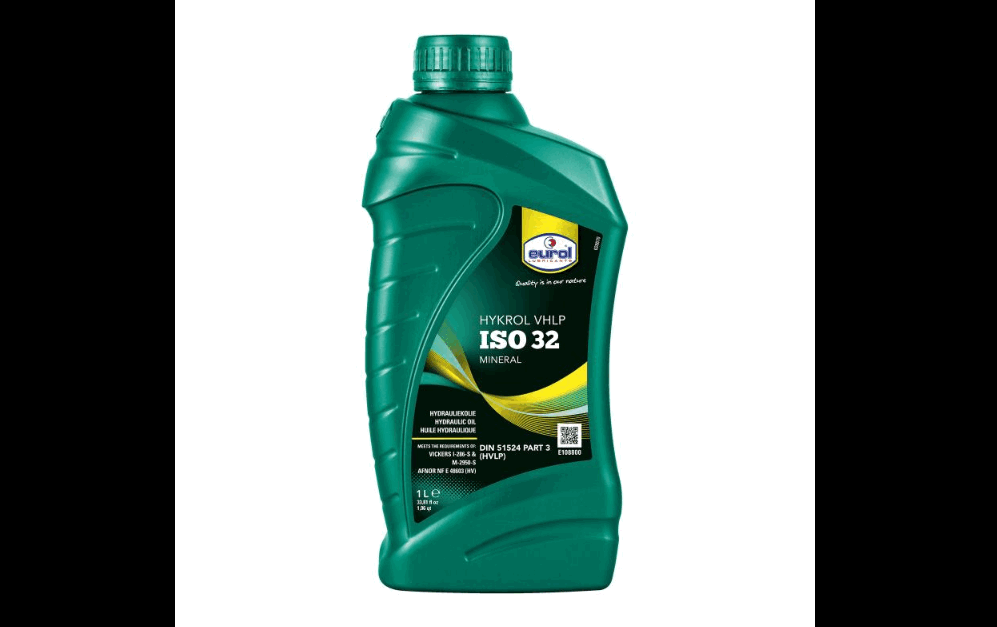
What Is the ISO 320 Gear Oil Equivalent?
ISO VG 320 gear oil corresponds to AGMA 6 in common industrial gear oil viscosity classifications. The SAE equivalent requires more care because SAE uses a different grading system. You should compare actual viscosity values before selecting an SAE grade as a substitute.
ISO VG 320 has a nominal kinematic viscosity of 320 mm²/s at 40°C. The ISO system groups industrial lubricants according to their viscosity at this temperature. This makes ISO VG 320 easy to compare with other industrial lubricant grades. AGMA 6 falls within the same general viscosity class for industrial gear lubrication.
SAE grades work differently. The SAE system primarily classifies automotive gear lubricants under separate viscosity limits. For this reason, an SAE grade does not become identical to ISO VG 320 simply because a conversion chart places them close together. The two oils may have different viscosity characteristics and performance requirements.
The term equivalent can also cause confusion when selecting replacement oil. Two products may share a comparable viscosity but use different base oils or additive systems. For example, one ISO VG 320 product may use mineral base oil with extreme pressure additives. Another may use a synthetic PAO formulation. Both products carry the same ISO viscosity grade, but they may perform differently under high temperatures or extended service intervals.
Use viscosity equivalence as the first comparison point. Then check lubricant chemistry, performance specifications, and gearbox requirements before choosing a replacement.
What SAE Grade Is Equivalent to ISO VG 320 Gear Oil?
ISO VG 320 does not have one exact SAE equivalent because ISO and SAE measure gear oil viscosity under different classification systems. Conversion charts may place ISO VG 320 near certain SAE gear oil grades. However, the overlap does not make those grades identical.
ISO VG grades classify industrial lubricants by kinematic viscosity at 40°C. In contrast, SAE J306 defines viscosity grades for automotive gear lubricants. The two systems therefore use different criteria and serve different applications. This distinction matters when you compare an industrial ISO VG 320 oil with an SAE labeled product.
SAE 140 often appears in discussions about ISO VG 320 equivalence. However, you should not treat SAE 140 as a universal direct replacement for ISO VG 320. First compare the viscosity data in each product’s technical data sheet. Then check the lubricant type and performance specifications.
Application also affects the replacement decision. An industrial gearbox may require specific extreme pressure performance, oxidation resistance, or material compatibility. An automotive SAE gear oil may meet a similar viscosity range but use a different additive package. That difference can affect seals, gear materials, and lubricant performance.
Choose a replacement by matching the equipment requirements first. Use SAE and ISO conversion charts as reference tools rather than final selection rules. This approach prevents a similar viscosity number from becoming the only reason for changing gear oil.
What AGMA Grade Is Equivalent to ISO VG 320 Gear Oil?
AGMA 6 is the common AGMA viscosity grade equivalent to ISO VG 320 gear oil. Both classifications identify lubricants within the same general viscosity category for industrial gear applications. This relationship helps users compare older AGMA specifications with modern ISO viscosity grades.
ISO VG 320 identifies a nominal kinematic viscosity of 320 mm²/s at 40°C. AGMA uses numbered grades to classify industrial gear lubricants. Common viscosity cross reference charts align AGMA 6 with ISO VG 320. For example, an older gearbox manual may specify AGMA 6. A current lubricant supplier may list the corresponding product as ISO VG 320.
However, a shared viscosity class does not make every AGMA 6 oil identical to every ISO VG 320 oil. Viscosity represents only one lubricant property. Manufacturers can use different base oils, additive packages, and performance technologies within the same grade.
Product formulation becomes important when you replace an existing lubricant. One AGMA 6 product may contain extreme pressure additives for heavily loaded gears. Another may use a different formulation for specific operating conditions. Comparable viscosity does not guarantee identical performance.
Use AGMA 6 as the primary viscosity cross reference for ISO VG 320. Before switching products, compare their technical data sheets and equipment requirements. Also confirm the base oil, additive system, performance specifications, and material compatibility. These factors determine whether the new lubricant provides a suitable replacement.
What Is the Viscosity of ISO VG 320 Gear Oil?
ISO VG 320 has a nominal kinematic viscosity of 320 mm²/s, or 320 cSt, at 40°C. Its classification allows a range around this midpoint. An ISO VG 320 lubricant can therefore have a kinematic viscosity from 288 to 352 mm²/s at 40°C.
This range explains why two ISO VG 320 products can show different values on their technical data sheets. For example, one product may measure 310 cSt at 40°C. A second product may measure 325 cSt at the same temperature. Both values fall within the ISO VG 320 range.
Temperature changes lubricant viscosity during operation. Gear oil becomes thinner as temperature rises and thicker as temperature falls. Manufacturers provide additional data to describe this behavior. Technical data sheets commonly show kinematic viscosity at 100°C and the viscosity index. Users can compare these values to evaluate viscosity changes across different temperatures.
Lubricating film thickness also depends on viscosity. An oil that becomes too thin may provide insufficient film thickness under specific operating conditions. Excessive viscosity can increase fluid resistance and energy losses. Gearbox manufacturers consider load, speed, design, and operating temperature when selecting a suitable viscosity grade.
For this reason, ISO VG 320 provides a clear viscosity reference rather than a complete lubricant specification. Always check performance requirements alongside viscosity when selecting an equivalent oil.
How Do ISO VG 320, SAE and AGMA Gear Oil Grades Compare?
ISO VG 320 corresponds to AGMA 6, but it does not have one exact SAE equivalent. ISO and AGMA provide a direct viscosity cross reference for many industrial gear oils. SAE uses different viscosity limits, so its grades require a broader comparison.
The table below shows ISO VG 320 within a group of common industrial gear oil grades.
| ISO VG | AGMA Grade | Nominal Viscosity at 40°C |
|---|---|---|
| ISO VG 150 | AGMA 4 | 150 cSt |
| ISO VG 220 | AGMA 5 | 220 cSt |
| ISO VG 320 | AGMA 6 | 320 cSt |
| ISO VG 460 | AGMA 7 | 460 cSt |
| ISO VG 680 | AGMA 8 | 680 cSt |
This comparison shows a clear progression between ISO and AGMA grades. Each higher grade represents a lubricant with greater viscosity at 40°C. ISO VG 320 sits between ISO VG 220 and ISO VG 460. AGMA 6 occupies the corresponding position in the AGMA system.
SAE gear oil grades require a different approach. SAE classifies automotive gear lubricants under separate viscosity requirements. As a result, an SAE number cannot provide a direct numerical conversion from ISO VG 320. Some cross reference charts may show an approximate SAE relationship. However, users should verify the actual viscosity data before choosing a substitute.
A conversion chart works best as an initial reference. Use it to identify comparable viscosity grades. Next, compare the technical specifications of the actual products. This method provides a more reliable basis for lubricant selection.
Can You Replace One ISO VG 320 Gear Oil With Another?
You should not replace one ISO VG 320 gear oil with another based on viscosity grade alone. Two products can meet the same ISO viscosity range while using different formulations. A safe replacement requires matching both viscosity and performance requirements.
Start by checking the base oil. Common ISO VG 320 formulations use mineral oil, PAO, or PAG base stocks. These base oils can differ in thermal stability, oxidation resistance, seal compatibility, and temperature performance. PAG lubricants also require particular attention because they may not mix well with other lubricant chemistries.
Next, compare the additive systems. Industrial gear oils may contain extreme pressure and antiwear additives. Manufacturers design these additives for specific loads, materials, and operating conditions. A viscosity match cannot confirm that two products provide the same protection.
Equipment requirements provide another selection criterion. Check the gearbox manual and the lubricant specification before changing products. OEM requirements may define viscosity, lubricant type, performance standards, or other properties.
Can You Mix Different Brands of ISO VG 320 Gear Oil?
Do not assume that two ISO VG 320 oils are compatible simply because they share the same viscosity grade. Different brands may use different base stocks and additive technologies. Mixing them can change the performance of the finished lubricant.
Check compatibility information from the lubricant manufacturers before mixing products. When compatibility remains uncertain, a complete oil change may provide a safer option. Some applications may also require flushing before the new lubricant enters service.
Use ISO VG 320 as the starting specification. Then verify chemistry, performance requirements, and manufacturer recommendations before mixing or replacing gear oils.
What Is ISO VG 320 Gear Oil Used For?
ISO VG 320 gear oil lubricates industrial gearboxes that require a relatively high viscosity lubricant for reliable gear protection. Common applications include enclosed gear drives, helical gears, spur gears, and bevel gear systems. Some worm gear drives may also use this viscosity grade when the equipment manufacturer specifies it.
Viscosity helps maintain a lubricating film between gear teeth during operation. ISO VG 320 provides a thicker oil film than ISO VG 150 or ISO VG 220. This characteristic can support gear protection under higher loads and lower operating speeds. However, greater viscosity does not automatically make ISO VG 320 suitable for every heavily loaded gearbox.
Gear speed affects the required viscosity. High speed gears can generate more fluid resistance when the lubricant becomes too thick. In contrast, slower gears may need greater viscosity to maintain adequate film thickness. Load, temperature, gear geometry, and lubrication method also influence the final selection.
Operating temperature creates another important consideration. Heat reduces gear oil viscosity during service. A gearbox that runs at elevated temperatures therefore needs a lubricant that maintains adequate film strength. Cold operating conditions create the opposite problem because high viscosity can restrict oil flow during startup.
Always follow the equipment manufacturer’s lubricant requirements when selecting ISO VG 320. Gear type alone cannot determine the correct grade. A suitable lubricant must match the gearbox design, operating speed, load, temperature, and required performance specification.
What Is the Difference Between Mineral and Synthetic ISO VG 320 Gear Oil?
Mineral and synthetic ISO VG 320 gear oils share the same viscosity grade but use different base oil technologies. Both can meet the ISO VG 320 viscosity range at 40°C. Their performance can differ as temperature, operating time, and gearbox conditions change.
Mineral ISO VG 320 gear oil uses refined petroleum base stocks. It serves many conventional industrial gear applications when temperatures and service intervals remain within the lubricant’s design limits. Mineral formulations can also provide effective wear protection when they contain the correct additive system.
Synthetic ISO VG 320 gear oils commonly use PAO or PAG base stocks. PAO lubricants can provide strong oxidation resistance and stable performance across a wider temperature range. PAG lubricants offer different friction and thermal characteristics. Equipment design and lubricant requirements determine whether these properties provide a practical advantage.
Service conditions should guide the choice between mineral and synthetic oil. High temperatures and extended drain intervals may favor a suitable synthetic formulation. Standard operating conditions may allow a mineral lubricant to meet all equipment requirements. Cost alone should not determine the choice.
Compatibility also requires attention when changing base oil types. Mineral oil, PAO, and PAG formulations do not always behave the same when mixed. Seal materials and existing lubricant residues can create additional concerns. Before switching products, confirm compatibility and follow the lubricant supplier’s changeover procedure.
ISO VG 320 defines viscosity rather than base oil chemistry. For this reason, two ISO VG 320 products can require different replacement procedures even when their viscosity grades match.
How Do You Choose the Correct ISO VG 320 Gear Oil Replacement?
Choose an ISO VG 320 gear oil replacement by checking five factors: viscosity, base oil, additives, performance specifications, and equipment requirements. A matching viscosity grade provides the starting point. The other four factors determine whether the replacement can perform correctly in the gearbox.
First, confirm that the equipment requires ISO VG 320. Check the gearbox manual, lubrication chart, or current lubricant specification. ISO VG 320 has a nominal kinematic viscosity of 320 cSt at 40°C. A replacement should fall within the correct ISO viscosity range.
Next, identify the base oil in the existing lubricant. Mineral oil, PAO, and PAG formulations can have different compatibility characteristics. Changing the base oil type may require additional checks or a specific changeover procedure.
Compare the additive systems after confirming the base oil. Gearboxes may require extreme pressure or antiwear performance for specific loads and gear materials. Two ISO VG 320 products can use different additive technologies even when their viscosities match.
Performance specifications provide the fourth comparison point. Review both technical data sheets and check the standards that each product meets. Relevant requirements can include gear oil performance classifications and equipment manufacturer specifications.
Finally, verify the gearbox manufacturer’s lubricant requirements before making the change. Manufacturer guidance should take priority over a general viscosity conversion chart. Also confirm compatibility when the old oil will remain inside the system.
A suitable ISO VG 320 replacement must match the application rather than just the viscosity number. Start with ISO VG 320 equivalence, then confirm chemistry, performance, and equipment requirements before filling the gearbox.
What Should You Remember When Choosing an ISO 320 Gear Oil Equivalent?
AGMA 6 provides the common AGMA viscosity equivalent for ISO VG 320 gear oil, while SAE requires a viscosity based comparison. ISO, AGMA, and SAE use different classification systems. For this reason, a cross reference chart should guide the initial comparison rather than make the final lubricant choice.
ISO VG 320 identifies a nominal kinematic viscosity of 320 cSt at 40°C. This value gives users a clear starting point when comparing industrial gear oils. However, viscosity alone cannot confirm that two products will perform the same way. Base oil chemistry and additive technology also affect lubricant performance.
A reliable replacement process should compare the complete lubricant specification. Check the base oil type, additive system, performance standards, and material compatibility. Operating speed, load, temperature, and gearbox design also affect lubricant selection. Most importantly, confirm the equipment manufacturer’s requirements before changing the existing oil.
Use ISO VG 320 as the primary viscosity reference and AGMA 6 as its common AGMA cross reference. Treat SAE comparisons as approximate until the actual viscosity specifications confirm the relationship. This approach helps identify an equivalent that matches both the required viscosity and the operating needs of the gearbox.