A Nissan power steering fluid equivalent must match the specification required for your specific vehicle. Nissan has used different steering systems across its models and model years. As a result, one fluid does not suit every Nissan. Some hydraulic systems accept specific automatic transmission fluids, including certain Dexron specifications. Others require a different compatible fluid.
The steering system also determines whether your Nissan needs power steering fluid at all. Hydraulic power steering relies on fluid pressure to provide steering assistance. The pump circulates fluid through the system and creates the pressure needed to assist steering. Electric power steering works differently. An electric motor provides the steering assistance, so the system does not use hydraulic power steering fluid for this function.
Start by checking your Nissan model, model year, and steering system. Then find the fluid specification that Nissan requires for that vehicle. Compare that requirement with the specification on the replacement fluid before adding it. This guide covers Nissan power steering fluid equivalents, ATF and Dexron compatibility, model specific requirements, fluid mixing, and incorrect fluid risks. It also explains what to do if you have already added the wrong fluid.
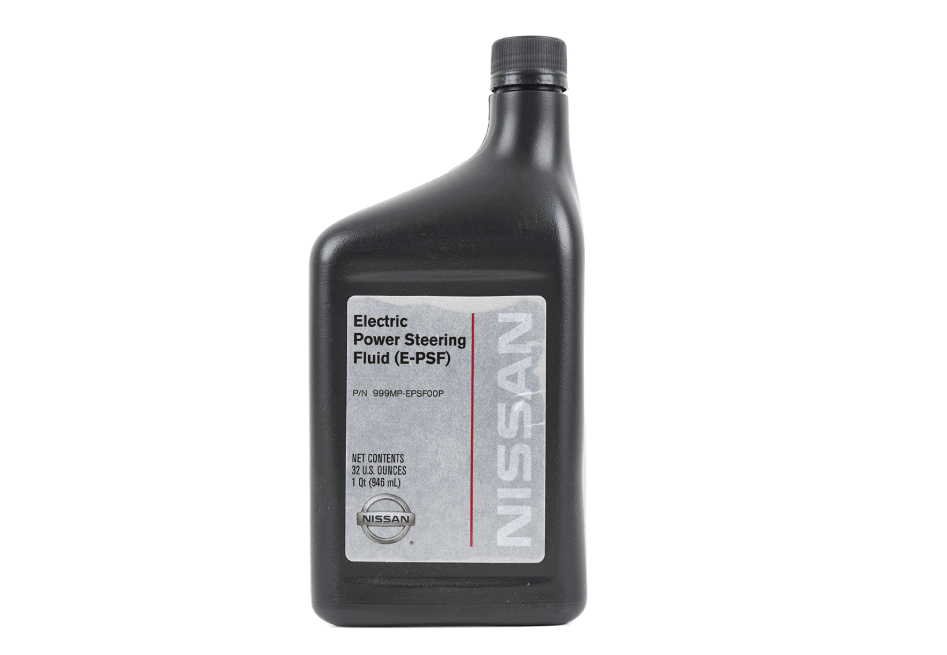
What Is the Nissan Power Steering Fluid Equivalent?
The correct Nissan power steering fluid equivalent is a fluid that matches the specification Nissan requires for your specific model and year. The brand itself does not determine compatibility. The required specification determines whether the fluid can work safely in the hydraulic steering system. For this reason, drivers should check their vehicle requirements before choosing an OEM or aftermarket product.
A suitable equivalent needs the correct hydraulic and lubrication properties. The fluid transfers pressure from the pump to the steering mechanism. It also lubricates moving components and helps protect seals inside the system. The wrong viscosity or additive package can change how the system operates. It may also affect pump lubrication, seal performance, and steering response.
Nissan OEM power steering fluid provides one option when the manufacturer specifies it for the vehicle. However, an aftermarket product can serve as an equivalent when its manufacturer confirms the required compatibility. Drivers should compare the stated specification rather than relying on fluid color or product names. Two fluids with a similar appearance do not automatically provide the same performance.
Model year also matters because Nissan has used different steering systems and fluid requirements across its vehicle range. A fluid suitable for one Altima, Pathfinder, or Frontier does not automatically suit another generation. Check the owner’s manual or applicable Nissan service information first. Then match that requirement with the specification stated by the replacement fluid manufacturer. This process provides a more reliable way to choose a Nissan power steering fluid equivalent.
Can You Use ATF Instead of Nissan Power Steering Fluid?
You can use ATF instead of Nissan power steering fluid only when Nissan specifies a compatible ATF for your model and year. ATF is not a universal substitute for power steering fluid. Nissan has used different fluid requirements across its vehicles. Always identify the required specification before adding ATF to the reservoir.
Some hydraulic power steering systems can use ATF because both fluids perform several similar functions. They transfer hydraulic pressure, lubricate moving components, and help control wear. However, ATF products use different formulations and specifications. Those differences can affect viscosity, friction characteristics, seal compatibility, and additive performance. A fluid that works in one hydraulic system may not meet the requirements of another.
Dexron II and Dexron III often appear when drivers research Nissan power steering fluid alternatives. Treat each Dexron specification as a defined fluid requirement rather than a general label for compatible ATF. Do not assume that a newer Dexron product automatically replaces every older specification in every steering system. Check the Nissan documentation for your vehicle first. Then confirm that the ATF manufacturer lists the required compatibility.
This verification becomes especially important with older Nissan vehicles. Fluid requirements can change between models and generations. The safest selection process starts with the vehicle specification, not the ATF brand. Find the required fluid in the owner’s manual or applicable Nissan service information. Then choose an ATF only when its stated specifications satisfy that requirement. This approach protects the pump, seals, and steering components from an unsuitable fluid.
Which Power Steering Fluid Should You Use for Different Nissan Models?
The correct power steering fluid for a Nissan depends on the model, model year, and type of steering system. Nissan has not used one fluid requirement across every vehicle. For that reason, drivers should identify the exact vehicle before selecting an OEM fluid, ATF, or another compatible replacement.
Models such as the Nissan Altima, Maxima, Sentra, Frontier, Pathfinder, and Xterra span several generations. Their steering systems and fluid requirements can differ between those generations. One model may use hydraulic power steering during certain years and a different steering design during later years. A recommendation for an older vehicle therefore does not automatically apply to a newer vehicle with the same model name.
The owner’s manual provides an important reference for identifying the required fluid. Nissan service information can provide additional specifications for a particular model and year. Check these sources before comparing aftermarket products. If Nissan specifies an ATF standard, choose a product that clearly meets the required standard. If Nissan specifies a dedicated power steering fluid, look for a replacement that confirms compatibility with that requirement.
Do not choose a fluid because another Nissan owner uses it in a different vehicle. The Altima, Frontier, and Pathfinder do not share identical steering requirements simply because Nissan manufactures all three models. Match the fluid to the vehicle specification instead. This model specific approach reduces compatibility errors and helps protect the power steering pump, seals, hoses, and steering mechanism.
How Do You Find the Correct Power Steering Fluid for Your Nissan?
Find the correct power steering fluid by checking your Nissan model, model year, steering system, and required fluid specification. Start with the vehicle rather than a fluid brand. This process helps you avoid choosing a product that fits another Nissan but not your specific vehicle.
First, confirm the exact model and model year. You can find this information in the vehicle documents or on the vehicle identification label. Next, determine whether the vehicle uses hydraulic power steering. A hydraulic system normally includes a fluid reservoir, hydraulic lines, and components that circulate pressurized fluid. A vehicle with electric power steering uses a different method to provide steering assistance.
Next, check the owner’s manual for the required fluid specification. Nissan service information can provide additional details when the manual does not answer the question clearly. Record the specified fluid type or standard before comparing replacement products. Do not rely only on bottle color, fluid color, or a general statement such as “suitable for power steering.”
Finally, compare the Nissan requirement with the information from the fluid manufacturer. The product should clearly support the specification or vehicle application you identified. Check this information again when buying fluid for an older Nissan or a model that spans several generations. Following these steps connects the replacement fluid to the actual vehicle requirement. It also reduces the risk of using an unsuitable fluid in the pump, steering mechanism, hoses, and seals.
Do All Nissan Vehicles Use Power Steering Fluid?
No, not all Nissan vehicles use power steering fluid because some models use electric power steering instead of a hydraulic system. Hydraulic power steering needs fluid to create and transfer pressure. Electric power steering uses an electric motor to provide steering assistance. As a result, an electric system does not need hydraulic fluid for this function.
A hydraulic system uses several components that make fluid necessary. The power steering pump circulates fluid through hydraulic lines. Pressure from the fluid helps the steering mechanism reduce the effort required to turn the wheels. The reservoir stores the fluid that the system needs for this process. Low fluid, leaks, or an unsuitable fluid can interfere with hydraulic operation.
Electric power steering works without a hydraulic pump and fluid circuit for steering assistance. Instead, sensors monitor steering input and send information to an electronic control system. An electric motor then supplies the required assistance. This design removes the need to select or replace hydraulic power steering fluid for the steering assist system.
Check the steering system before buying fluid for a Nissan. The owner’s manual and applicable Nissan service information can identify the system used by a specific model and year. The presence of a power steering fluid reservoir also indicates a hydraulic fluid circuit in conventional hydraulic systems. Confirming the system first prevents unnecessary fluid purchases. It also prevents drivers from applying hydraulic power steering advice to a Nissan that uses electric steering assistance.
Can You Mix Nissan Power Steering Fluid With an Equivalent Fluid?
You can mix Nissan power steering fluid with an equivalent fluid only when both fluids meet compatible specifications for the vehicle. An aftermarket fluid does not become unsafe simply because the reservoir already contains Nissan OEM fluid. The important factor is whether both products satisfy the requirements of the same hydraulic steering system.
Mixing becomes more uncertain when the existing fluid has an unknown specification. The reservoir may contain OEM fluid, ATF, or a product added during previous maintenance. Adding another fluid without identifying the existing type can combine different formulations. Differences in viscosity and additives may change lubrication or hydraulic performance. For this reason, a compatibility claim for one product does not prove that every fluid already in the reservoir will mix correctly with it.
A small top up also differs from a complete fluid replacement. When adding fluid, first confirm the specification that Nissan requires for the vehicle. Then check whether the new product meets that requirement. You should also identify the existing fluid when possible. Do not use color alone to determine compatibility because appearance does not define a fluid specification.
Consider replacing the existing fluid when its identity or condition remains uncertain. This approach gives you greater control over the fluid circulating through the system. It also avoids treating an approved replacement as a universal mixing fluid. The safest decision comes from matching both the existing and replacement fluids with the specification required for your Nissan.
What Happens if You Use the Wrong Power Steering Fluid in a Nissan?
Using the wrong power steering fluid in a Nissan can cause pump noise, poor steering response, fluid leaks, and accelerated component wear. The severity depends on the fluid properties, the amount added, and how long the system operates with the incorrect fluid. A small amount does not always produce immediate symptoms. However, continued use can increase the risk of hydraulic problems.
Incorrect viscosity can change how fluid moves through the steering system. Fluid that does not flow as required may affect hydraulic pressure and pump operation. The driver may notice whining noises or changes in steering effort. These symptoms can become more noticeable when turning the steering wheel or operating the vehicle at low speeds.
An incompatible formulation can also affect seals and other internal components. Power steering fluid must lubricate moving parts while working with the materials inside the hydraulic system. A fluid with unsuitable properties may reduce lubrication or affect seal performance. Damaged seals can allow fluid to escape, while poor lubrication can increase wear on the pump and steering components.
Do not judge compatibility by the absence of immediate symptoms. The steering system may continue to operate even when the fluid does not meet its requirements. Check the required Nissan specification as soon as you discover the mistake. Identifying the incorrect fluid and the amount added will help determine the appropriate corrective action.
What Should You Do if You Put the Wrong Power Steering Fluid in a Nissan?
Stop adding the incorrect fluid and identify what you added before deciding how to correct the problem. Check the product name and specification first. Then compare that information with the fluid requirement for your Nissan model and year. This comparison shows whether the fluid is truly incompatible or simply a different brand that meets the required specification.
The amount of incorrect fluid also affects the next step. A small amount added to a full reservoir creates a different situation from filling most of the system with an incompatible product. Avoid continuing to add fluid until you confirm compatibility. If you have not operated the vehicle, removing the incorrect fluid before it circulates can limit its exposure to the hydraulic system.
Take the problem more seriously if the vehicle has already operated with incompatible fluid. The pump circulates fluid through the hoses and steering mechanism during operation. Removing fluid only from the reservoir may not remove the fluid that has entered the rest of the system. A proper fluid exchange or system service may become necessary in this situation.
Pay attention to whining noises, increased steering effort, leaks, foaming, or unusual steering behavior after the mistake. These symptoms can indicate a hydraulic problem that needs inspection. Contact a qualified technician when you cannot identify the fluid, confirm compatibility, or determine how much entered the system. Correcting the fluid mismatch early can reduce unnecessary exposure of the pump, seals, and steering components to an unsuitable formulation.
When Should You Change Nissan Power Steering Fluid?
Change Nissan power steering fluid according to the maintenance guidance for your specific model and when the fluid shows signs of contamination or deterioration. Nissan vehicles do not all share one universal replacement interval. The steering system, model year, operating conditions, and service history can affect when the fluid needs attention.
Start by checking the owner’s manual and applicable Nissan service information. These sources provide the most relevant guidance for the vehicle. Avoid relying on a single mileage figure that claims to apply to every Nissan. A maintenance recommendation for one model or generation may not apply to another.
Fluid condition also provides useful information. Clean power steering fluid should not contain visible debris or heavy contamination. A noticeable change in condition can justify further inspection, especially when the system also produces noise or inconsistent steering assistance. Leaks can create another reason for service because low fluid reduces the amount available for hydraulic operation.
Steering system repairs may also require fluid replacement. Work on the pump, hoses, reservoir, or steering mechanism can expose the system to contamination or require fluid removal. In these cases, use the correct specification when refilling the system. Do not choose replacement fluid based only on what was previously inside the reservoir if the service history remains unclear. Confirm the Nissan requirement first. Regular inspection and correct fluid selection help maintain lubrication, hydraulic performance, and consistent steering assistance.
What Are the Signs That Your Nissan Needs Power Steering Fluid?
A low fluid level, whining noise, increased steering effort, and visible leaks can indicate that a Nissan needs power steering fluid. These signs mainly apply to vehicles with hydraulic power steering. However, a symptom alone does not prove that low fluid caused the problem. The pump, hoses, seals, or steering mechanism can produce similar symptoms when they develop faults.
Check the reservoir first if your Nissan uses hydraulic power steering. A fluid level below the specified range indicates that the system needs attention. Adding the correct fluid can restore the proper level, but it does not explain why the level dropped. Hydraulic power steering operates as a contained system. A recurring low level can indicate a leak that requires inspection.
Whining or groaning noises can also appear when the system lacks enough fluid. The sound may become more noticeable while turning the steering wheel. Low fluid can prevent the pump from receiving a consistent fluid supply. This condition can affect hydraulic pressure and steering assistance. Increased steering effort may appear at the same time.
Inspect the fluid condition as well as its level. Visible contamination, foaming, or a major change in appearance can indicate a separate fluid problem. Do not automatically add more fluid when the reservoir already contains the correct amount. Instead, identify the cause of the symptom. Check for leaks and confirm the required Nissan fluid specification before topping up the reservoir. This approach addresses the actual steering problem instead of treating every symptom as a low fluid condition.
Which Nissan Power Steering Fluid Equivalent Should You Choose?
Choose a Nissan power steering fluid equivalent that matches the specification required for your exact model and model year. Do not select a replacement based only on the Nissan brand, fluid color, or a recommendation for another vehicle. Nissan has used different steering systems and fluid requirements across its vehicle range.
Start by confirming that your Nissan uses hydraulic power steering. Vehicles with electric power steering do not use hydraulic fluid to provide steering assistance. For a hydraulic system, check the owner’s manual or applicable Nissan service information. Identify the required fluid specification before comparing OEM and aftermarket products.
Use ATF only when the vehicle specification allows a compatible ATF type. Apply the same rule to Dexron fluids. A fluid that works in one Nissan does not automatically suit another model or generation. When choosing an aftermarket equivalent, confirm that the fluid manufacturer supports the specification required by your vehicle.
The same verification matters when topping up or replacing existing fluid. Identify the fluid already in the system when possible and avoid mixing products with uncertain compatibility. If you added the wrong fluid, determine the product, quantity, and whether the system has operated since the mistake. Choosing fluid by specification provides the clearest way to protect hydraulic performance, seals, the power steering pump, and steering components.