Goo Gone is generally safe for car paint when you use it correctly. Many car owners use Goo Gone to remove sticker residue, adhesive marks, tree sap, and other sticky substances from vehicle surfaces. However, some users worry that it may damage their paint or clear coat.
Car paint has several protective layers. The clear coat sits on the top layer and protects the color underneath. Goo Gone mainly targets adhesive materials on the surface. It does not normally remove automotive paint when used properly.
The safety of Goo Gone depends on several factors. These factors include the product type, paint condition, application time, and cleaning method. A well-maintained vehicle surface usually handles careful adhesive removal better than damaged paint.
Knowing how Goo Gone works helps car owners make better cleaning decisions. This article explains whether Goo Gone is safe for car paint, how it affects clear coat, what risks you should consider, and how to use it correctly without harming your vehicle’s appearance.
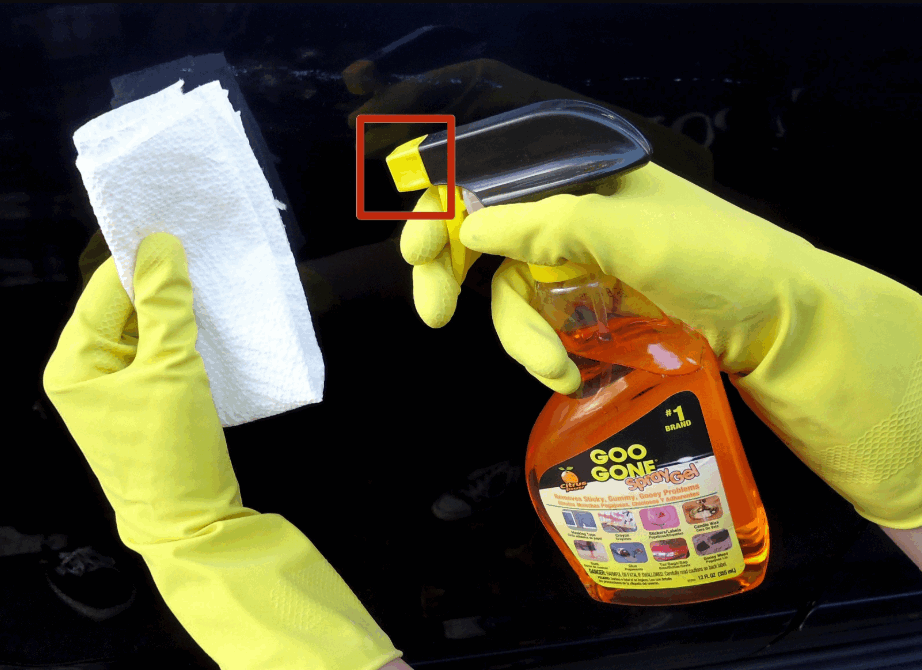
Is Goo Gone Safe for Car Paint?
Goo Gone is safe for car paint when users apply it correctly and follow proper cleaning practices. The product works by breaking down adhesive bonds, which helps remove sticky materials from the surface without directly targeting automotive paint. For most vehicles with a healthy clear coat, Goo Gone can remove unwanted residue while keeping the original paint finish intact.
The safety level depends on the condition of the vehicle surface. Modern automotive paint systems usually include three main layers: primer, base coat, and clear coat. The clear coat protects the colored paint layer from sunlight, chemicals, and environmental contaminants. When this protective layer remains strong, Goo Gone has a lower risk of affecting the paint underneath.
However, Goo Gone is not suitable for every situation. A vehicle with damaged clear coat, peeling paint, or a recently repaired surface may react differently to cleaning products. Leaving the product on the surface for too long or using excessive amounts can also increase the chance of residue buildup or surface changes.
The correct approach is to treat Goo Gone as a targeted adhesive remover rather than a general car cleaning solution. It works best for specific problems such as sticker residue, glue marks, and similar contaminants. Car owners should always test the product on a small hidden area before applying it to a larger painted surface.
How Does Goo Gone Affect Car Paint and Clear Coat?
Goo Gone affects car paint by interacting mainly with adhesive materials on the surface rather than the paint layer itself. The product contains ingredients that help loosen sticky substances, allowing users to remove residue without aggressive scraping. This makes it useful for cleaning problems such as leftover glue, sticker marks, and other surface contaminants.
Automotive paint consists of multiple layers that protect the vehicle’s appearance. The primer creates a stable foundation, the base coat provides color, and the clear coat creates a protective barrier on the outside. Goo Gone normally interacts with the outer surface, so a healthy clear coat helps reduce the chance of paint damage during proper use.
The condition of the clear coat plays an important role in product safety. A strong clear coat can resist many cleaning products, while a damaged clear coat may expose the paint underneath. Fading, cracking, peeling, or oxidation can make the surface more vulnerable to chemical exposure.
The application method also affects the result. Using a small amount of Goo Gone, limiting contact time, and cleaning the area afterward can help protect the vehicle surface. Problems usually happen when users leave the product on the paint for extended periods or apply it repeatedly without proper washing.
Can Goo Gone Damage Clear Coat on a Car?
Goo Gone can affect clear coat if users apply it incorrectly or use it on a weakened surface. The clear coat does not usually fail from a single careful application, but repeated exposure or improper cleaning can reduce surface protection.
Signs of clear coat problems include reduced gloss, cloudy appearance, rough texture, or visible changes in the paint finish. These issues often appear when the protective layer already has existing damage before using a cleaning product.
Car owners should inspect the surface before applying Goo Gone. If the clear coat shows signs of failure, a safer option is to consult a professional detailer or use a product designed specifically for damaged automotive surfaces.
What Can Goo Gone Remove From Car Surfaces?
Goo Gone can remove several types of sticky contaminants from car surfaces, especially materials that leave adhesive residue behind. The product works by softening the bond between the contaminant and the surface, which makes removal easier without using harsh scraping methods. This makes Goo Gone useful for common vehicle cleaning problems involving unwanted residue.
Many car owners use Goo Gone to remove sticker residue, decal adhesive, glue marks, and leftover labels from painted surfaces. These materials often remain after removing dealership stickers, parking permits, vehicle decals, or protective films. The adhesive layer can become difficult to remove because heat, sunlight, and weather exposure make the residue harder over time.
Goo Gone can also help with certain organic and road-related contaminants, such as tree sap and road tar. These substances stick strongly to vehicle surfaces because they contain compounds that create a strong bond with paint. A targeted adhesive remover can loosen these materials and reduce the need for aggressive cleaning methods that may create scratches.
However, Goo Gone is not a complete solution for every type of vehicle contamination. It works best on adhesive-based problems rather than deep paint defects, oxidation, rust stains, or permanent surface damage. Choosing the correct cleaning method depends on the type of contaminant and the condition of the vehicle surface.
Can Goo Gone Remove Sticker Residue From Cars?
Goo Gone can remove sticker residue from cars by breaking down the adhesive layer left after removing stickers or decals. The product allows users to wipe away remaining glue without excessive pressure that could scratch the paint.
The safest method is to apply Goo Gone to a small area first and observe the surface reaction. After the adhesive softens, users should remove the residue with a clean microfiber towel and wash the area to remove any remaining product.
This process helps protect the clear coat while removing unwanted marks from the vehicle exterior. Using controlled application and proper cleaning techniques produces better results than aggressive rubbing or scraping.
What Are the Risks of Using Goo Gone on Car Paint?
Goo Gone does not usually damage car paint when users apply it correctly, but incorrect use can create risks for certain vehicle surfaces. The main concerns involve prolonged exposure, damaged paint conditions, and interaction with protective coatings. Understanding these risks helps car owners use the product more safely.
One common risk comes from leaving Goo Gone on the paint for too long. The product is designed to loosen adhesive materials, but extended contact may leave residue or affect surface protection. Users should avoid allowing the product to dry on the vehicle because dried cleaning chemicals can become harder to remove and may require additional cleaning.
Another concern involves existing paint conditions. Vehicles with faded paint, damaged clear coat, oxidation, or previous repair work may have weaker surface protection. In these cases, even mild cleaning products can create visible changes because the protective layers no longer provide the same level of resistance.
Goo Gone may also affect protective products applied over car paint. Many vehicle owners use wax, sealants, or ceramic coatings to improve gloss and protect the surface. A cleaning product that removes adhesive residue may also reduce the effectiveness of some protective layers, especially after repeated use.
The safest approach is to identify the surface condition before application. A small test area can show whether the product causes any unwanted reaction. Following proper application methods helps reduce risks while maintaining the appearance and protection of the vehicle.
Can Goo Gone Remove Wax or Ceramic Coating?
Goo Gone can potentially affect wax or ceramic coating because these products create a protective layer above the paint surface. The effect depends on the coating type, product formula, and how often the user applies Goo Gone.
Wax coatings are generally softer and easier to remove than ceramic coatings. Repeated use of adhesive removers on waxed surfaces may reduce the protective layer and make the vehicle require reapplication sooner.
Ceramic coatings create a stronger chemical barrier, but they are not completely resistant to all cleaning products. Using Goo Gone on ceramic-coated vehicles requires extra caution because strong or repeated chemical exposure may reduce coating performance.
Car owners with expensive paint protection systems should choose products specifically designed for coated vehicles. This approach helps preserve the investment while still removing unwanted surface contaminants.
How Do You Use Goo Gone on Car Paint Safely?
Using Goo Gone on car paint safely requires the correct preparation, application method, and cleanup process. The product can remove adhesive residue effectively, but the result depends on how users handle the surface before, during, and after application. A careful process reduces the chance of affecting the paint, clear coat, or protective layers.
The first step is to clean the area before applying Goo Gone. Dirt, dust, and loose particles can create friction during wiping and may cause small scratches on the paint surface. Washing the affected area removes surface debris and allows the product to work directly on the adhesive material.
The next step is to perform a spot test on a small hidden area. Different vehicles have different paint conditions, coatings, and previous repairs. Testing the product first helps identify possible reactions before applying it to a larger visible section.
Apply a small amount of Goo Gone directly to the adhesive residue and allow it to work for a short period. The product needs enough time to soften the adhesive, but users should avoid leaving it on the paint longer than necessary. Keeping the contact time controlled helps protect the surface.
After the adhesive becomes softer, remove the residue with a clean microfiber towel. Avoid using rough materials or excessive pressure because aggressive wiping can create scratches or reduce surface gloss. Once the residue disappears, wash the area with car-safe soap and water to remove remaining product.
A proper cleaning process protects the vehicle finish while allowing Goo Gone to perform its intended function. The goal is to remove the unwanted adhesive, not to expose the paint to unnecessary chemical contact.
When Should You Avoid Using Goo Gone on a Car?
You should avoid using Goo Gone on a car when the paint surface has existing damage or when you cannot confirm the material condition. Although Goo Gone works well for removing adhesive residue, not every vehicle surface can handle the same cleaning products. Surface condition plays a major role in determining whether the product creates a safe cleaning result.
Cars with damaged clear coat require extra caution. A clear coat with peeling, cracking, heavy oxidation, or visible deterioration no longer provides complete protection for the paint underneath. Applying an adhesive remover to these areas may increase the appearance of surface problems or make existing damage more noticeable.
You should also avoid using Goo Gone on freshly painted areas. New automotive paint needs time to fully cure and develop proper chemical resistance. Applying cleaning products too early may interfere with the finish and affect the final appearance of the repaired area.
Vehicles with specialized coatings also need careful consideration. Ceramic coatings, paint protection films, and premium detailing treatments have different chemical resistance levels. Using an unsuitable cleaner may reduce their protective performance or shorten their lifespan.
Another situation that requires caution is when the contaminant type is unclear. Goo Gone is designed for adhesive-based materials, not every type of stain or surface problem. Using the wrong product can create unnecessary risks and may not solve the actual issue.
Before applying Goo Gone, inspect the vehicle surface carefully. If the paint looks unstable, recently repaired, or professionally protected, choosing a dedicated automotive product or consulting a detailing professional is a safer option.
What Are the Alternatives to Goo Gone for Car Paint?
Several alternatives to Goo Gone can help remove contaminants from car paint, depending on the type of residue and the condition of the vehicle surface. The best choice depends on the cleaning goal, surface compatibility, and level of protection the vehicle requires.
Automotive adhesive removers are one of the closest alternatives to Goo Gone. These products are specifically designed for vehicle surfaces and often focus on removing glue, decals, and sticker residue while maintaining compatibility with automotive finishes. They are a suitable option for car owners who frequently perform detailing work.
Isopropyl alcohol is another common cleaning option for certain surface contaminants. It can remove light adhesive residue, oils, and preparation materials before applying protective coatings. However, users should apply it carefully because high concentrations or repeated use may affect waxes and some surface treatments.
A clay bar provides a different cleaning approach. Instead of dissolving adhesive materials, a clay bar physically removes bonded contaminants such as industrial fallout, overspray, and small surface particles. It works best when the paint feels rough after normal washing but does not replace an adhesive remover for sticky residue.
Professional detailing products offer another solution for vehicles with premium finishes. These products often include formulas designed for specific surfaces, including ceramic-coated vehicles, paint protection films, and high-end automotive finishes.
Choosing the right alternative requires identifying the problem first. Goo Gone works well for adhesive-based residue, while other products may perform better for contamination types that involve mineral deposits, paint overspray, or surface protection maintenance.
What Should You Know Before Using Goo Gone on Your Vehicle?
Before using Goo Gone on your vehicle, you should understand the condition of the surface, the type of residue, and the cleaning process required. A successful result depends on matching the product to the problem instead of applying it as a general-purpose cleaner.
The first factor to consider is the type of contamination. Goo Gone works best on adhesive materials such as sticker residue, glue marks, and decal remains. It does not replace products designed for scratches, paint correction, oxidation removal, or deep surface restoration.
The second factor is the condition of the vehicle finish. A newer vehicle with healthy paint and a strong clear coat usually handles careful application better than a vehicle with faded paint or damaged protective layers. Inspecting the surface before cleaning helps prevent unnecessary problems.
The third factor is the application method. Using a small amount, controlling contact time, and removing the product completely after use creates a safer process. Excessive product use does not improve cleaning performance and may increase the chance of residue buildup.
Car owners should also consider existing protection products. Wax, sealants, ceramic coatings, and paint protection films may require specialized cleaners to maintain their performance. A product that removes adhesive may also interact with protective layers.
Understanding these factors helps users make better decisions when using Goo Gone on automotive surfaces. The product can be effective, but proper evaluation and careful application determine the final result.
Is Goo Gone a Safe Choice for Removing Adhesive From Cars?
Goo Gone is a safe choice for removing adhesive from cars when users apply it correctly and consider the condition of the vehicle surface. The product works effectively on common problems such as sticker residue, glue marks, and other sticky contaminants without damaging healthy automotive paint under normal use.
The main factor that determines safety is not only the product itself but also the surface condition and application method. A vehicle with a strong clear coat can usually handle careful adhesive removal, while damaged paint, weakened coatings, or recently repaired areas require more caution.
Car owners should always test Goo Gone on a small area before using it on a larger painted surface. Applying a small amount, controlling contact time, using a microfiber towel, and cleaning the area afterward help protect the vehicle finish.
Goo Gone is designed as an adhesive remover, not a complete automotive detailing solution. Understanding when to use it, when to avoid it, and which alternatives match specific cleaning problems allows vehicle owners to maintain their paint appearance while removing unwanted residue safely.