Quaker State is a good engine oil choice for many everyday drivers because it provides reliable engine protection, multiple oil formulations, and competitive value. The brand has developed different motor oil products designed for passenger vehicles, older engines, and modern engines that require advanced lubrication performance. However, the quality of an engine oil depends on more than brand recognition. Drivers need to consider factors such as engine requirements, oil formulation, driving conditions, and manufacturer specifications.
Quaker State Motor Oil is known for providing options including full synthetic oil, synthetic blend oil, conventional oil, and high mileage oil. Each formulation targets different vehicle needs, from daily commuting to maintaining older engines with higher mileage. Understanding these differences helps drivers choose the right product instead of selecting oil based only on price or popularity.
This review evaluates whether Quaker State oil is good by examining its quality, engine protection, performance characteristics, available formulations, and overall value. It also explains how Quaker State compares with other major motor oil brands and which types of drivers can benefit most from using this engine oil. By analyzing these factors, vehicle owners can determine whether Quaker State is the right choice for their specific engine requirements.
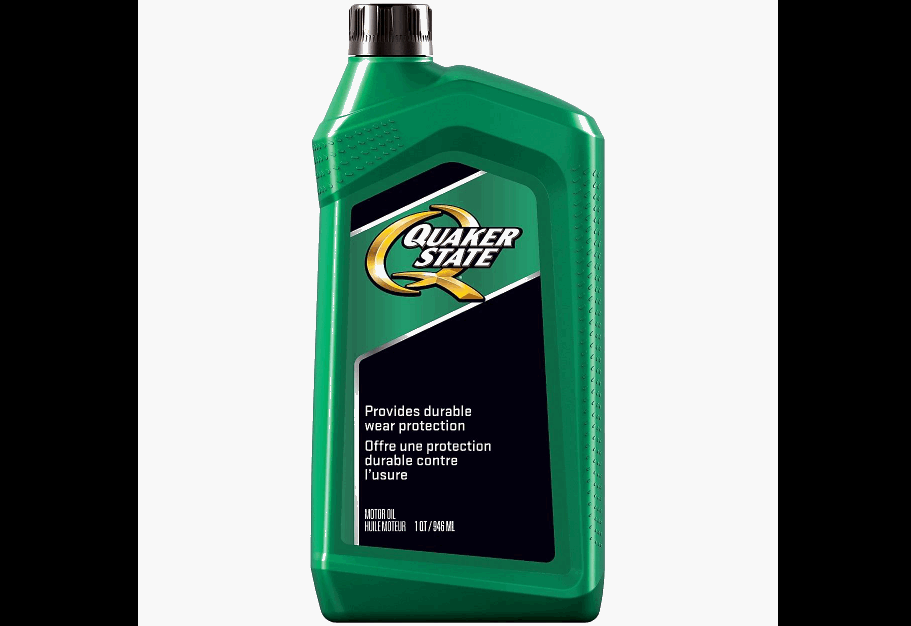
Is Quaker State Oil Good?
Quaker State oil is a good engine oil choice for many everyday drivers because it delivers reliable protection, steady performance, and strong value. The brand focuses on engine cleanliness, friction reduction, and long term lubrication. These factors help vehicles maintain stable performance during regular use.
Quaker State has produced motor oils for passenger vehicles, older engines, and modern engines with different performance needs. The brand offers several formulations, including full synthetic oil, synthetic blend oil, conventional oil, and high mileage oil. Each formula serves a specific type of driver and vehicle condition.
Engine oil protects internal components by creating a lubricating layer between moving metal parts. This layer reduces friction and limits wear during engine operation. Quaker State uses base oils and additives to support this process. The formula helps control deposits, reduce sludge formation, and maintain engine cleanliness.
Quaker State performs well for drivers who need dependable daily maintenance. It works especially well for commuters, family vehicles, and owners who follow regular oil change schedules. The brand provides practical protection without requiring the higher cost of some premium motor oils.
Quaker State competes with brands such as Mobil 1, Castrol, and Valvoline in the automotive lubricant market. Some premium oils target extreme performance conditions, but Quaker State focuses on balanced protection and affordability. For most daily vehicles, this balance makes Quaker State a reliable option.
Drivers should always check their vehicle manufacturer requirements before choosing an oil. The correct viscosity grade and oil specification matter more than the brand name alone. When the product matches the engine requirements, Quaker State can provide effective protection and long term value.
How Does Quaker State Oil Protect Your Engine?
Quaker State oil protects your engine by reducing friction, controlling deposits, and maintaining stable lubrication between moving components. An engine contains many metal parts that move at high speeds and operate under intense heat. Without proper lubrication, these components create friction that accelerates wear and reduces engine efficiency.
Engine oil creates a protective film between surfaces such as pistons, bearings, and cylinder walls. This film allows parts to move smoothly while reducing direct metal contact. Quaker State formulations use base oils and additive technology to support this lubrication process. These additives help the oil maintain its performance during different driving conditions.
Quaker State oil also helps control sludge and engine deposits. Sludge forms when oil breaks down and mixes with contaminants, moisture, and combustion byproducts. Excessive sludge can restrict oil flow and reduce engine performance. Quality engine oil helps keep internal engine surfaces cleaner by using detergents and dispersants that manage these deposits.
Temperature control is another important part of engine protection. Engines generate high heat during operation, especially during long trips, heavy traffic, or demanding driving conditions. Quaker State synthetic formulations provide improved resistance to oil breakdown under higher temperatures. This helps the oil maintain its protective properties for a longer period.
The level of protection depends on choosing the correct Quaker State product for the vehicle. A modern turbocharged engine may require a different oil specification than an older passenger vehicle. Drivers should follow manufacturer recommendations for viscosity grade and performance standards. When the oil matches the engine requirements, Quaker State can help support reliable engine operation and long term durability.
What Types of Quaker State Oil Are Available?
Quaker State offers several types of motor oil to meet different engine requirements, driving conditions, and maintenance goals. The main product categories include full synthetic oil, synthetic blend oil, conventional oil, and high mileage oil. Each type uses a different formulation approach to support specific vehicle needs.
Full synthetic Quaker State oil is designed for modern engines that require advanced lubrication performance. Synthetic oil uses refined base oils that provide better stability under high temperatures and demanding conditions. It helps maintain oil performance during long drives, frequent acceleration, and heavy engine loads. Many newer vehicles with turbocharged engines or strict manufacturer requirements use synthetic oil because it supports stronger protection and cleaner engine operation.
Synthetic blend Quaker State oil combines synthetic and conventional base oils. This formula provides a balance between performance and cost. It gives drivers better protection than many conventional oils while remaining more affordable than full synthetic products. Synthetic blend oil works well for vehicle owners who want improved engine protection without choosing the highest priced option.
Conventional Quaker State oil serves drivers who operate older vehicles with traditional engine requirements. This type of oil provides basic lubrication and protection for engines that do not require synthetic formulations. It remains a practical choice for vehicles that follow standard maintenance schedules and do not operate under extreme conditions.
High mileage Quaker State oil targets vehicles with higher engine mileage. Older engines often experience issues such as increased oil consumption, worn seals, and greater internal friction. High mileage formulas include additives designed to support older engine components and maintain lubrication performance.
Choosing the right Quaker State oil depends on the vehicle specification, engine age, driving habits, and manufacturer recommendations. The correct oil type provides better protection than simply choosing the most expensive formula. Drivers should always check the owner manual before selecting a specific Quaker State product.
How Does Quaker State Compare With Other Motor Oil Brands?
Quaker State competes with major motor oil brands by offering reliable engine protection, broad product selection, and competitive pricing. The brand targets everyday drivers who want dependable lubrication without paying the highest price for premium oil products. A proper comparison requires looking at protection, formulation, availability, and value.
Quaker State and Pennzoil share a connection through Shell Lubricants, but each brand has a different market position. Pennzoil often receives more attention for advanced synthetic formulations and premium marketing. Quaker State focuses more on practical engine protection for daily vehicles. Both brands provide products that meet modern engine oil standards when drivers select the correct specification.
Mobil 1 usually targets drivers who want premium synthetic performance. Its products often focus on extreme temperature protection, high performance engines, and extended oil life. Quaker State provides strong protection for normal driving conditions, but Mobil 1 may offer advantages for vehicles that operate under more demanding environments.
Castrol and Valvoline also compete in the same engine oil market. Castrol emphasizes advanced synthetic technology and engine cleanliness, while Valvoline promotes protection across different vehicle categories, including high mileage applications. Quaker State remains competitive because it offers multiple oil types at accessible price points.
The best oil choice depends on the vehicle rather than brand reputation alone. A daily commuter may find Quaker State provides all the protection needed for regular driving. A performance vehicle owner may prefer a specialized premium synthetic product. Drivers should compare oil specifications, viscosity grades, and manufacturer recommendations before making a final decision.
Does Quaker State Oil Meet Modern Engine Requirements?
Quaker State oil meets modern engine requirements when drivers choose a product that matches their vehicle specifications. Engine manufacturers design modern vehicles with specific lubrication needs. These requirements include oil viscosity, performance standards, and certification levels that help maintain engine efficiency and protection.
Modern Quaker State products follow industry standards that define engine oil performance. Standards such as API and ILSAC help identify whether an oil meets current requirements for gasoline engines. These certifications evaluate factors such as wear protection, deposit control, and oxidation resistance. Drivers can use these standards to confirm whether an oil meets the needs of their vehicle.
Viscosity grade is another important factor when selecting Quaker State oil. Grades such as 0W 20, 5W 30, and 10W 30 describe how oil flows at different temperatures. A lower winter rating helps oil move more easily during cold starts, while the second number represents performance at operating temperature. Using the correct viscosity helps the engine maintain proper lubrication in different conditions.
Vehicle manufacturers often provide specific oil recommendations in the owner manual. These recommendations include the required viscosity grade and performance specification. Choosing an oil that does not match these requirements can affect engine performance and protection.
Quaker State provides different formulations to support various engine designs and driving conditions. Drivers with newer vehicles, older engines, or high mileage vehicles can select a suitable product based on their needs. The brand itself does not determine oil compatibility. The correct specification determines whether the oil can properly support the engine.
How Long Does Quaker State Oil Last?
Quaker State oil can last between different service intervals depending on the oil type, vehicle requirements, driving conditions, and maintenance habits. There is no single replacement interval that works for every vehicle because engines operate under different conditions. Drivers should follow the oil change schedule recommended by the vehicle manufacturer.
Full synthetic Quaker State oil usually provides longer performance compared with conventional oil because synthetic formulations resist heat breakdown and oxidation more effectively. These properties help the oil maintain its protective function during extended use. However, synthetic oil does not automatically mean that every vehicle can use longer intervals. The engine design and manufacturer recommendation remain the most important factors.
Driving conditions also affect how long Quaker State oil remains effective. Frequent short trips, heavy traffic, extreme temperatures, towing, and high engine loads can reduce oil life. These conditions create more heat and contaminants inside the engine, which can accelerate oil degradation. Drivers who operate vehicles under severe conditions may need more frequent oil changes.
Regular oil maintenance helps preserve engine performance and reliability. Checking oil levels, following service schedules, and using the correct Quaker State formulation can prevent lubrication problems. A vehicle that requires 0W 20 full synthetic oil should not switch to another formula without confirming compatibility.
Quaker State oil provides dependable performance when drivers use the correct product and follow proper maintenance practices. The lifespan of the oil depends less on the brand name and more on the relationship between the oil formulation, engine design, and driving environment.
What Are the Advantages and Disadvantages of Quaker State Oil?
Quaker State oil provides several advantages for everyday drivers, including reliable engine protection, product variety, and competitive pricing. The brand focuses on practical performance for passenger vehicles and offers different formulations for various engine conditions. These characteristics make Quaker State a suitable option for many vehicle owners who need dependable maintenance.
One major advantage of Quaker State oil is its wide product selection. Drivers can choose from full synthetic, synthetic blend, conventional, and high mileage formulas. This variety allows vehicle owners to select an oil that matches their engine type, driving habits, and budget. A driver with a newer vehicle may choose full synthetic oil, while an owner of an older vehicle may prefer a high mileage formulation.
Another benefit is engine cleanliness and protection during regular use. Quaker State oil uses additive technology to help control sludge and deposits. These additives support cleaner engine operation by reducing the buildup of unwanted materials inside the engine. Proper lubrication also helps reduce friction between moving parts, which supports long term engine reliability.
However, Quaker State oil also has some limitations. The brand may not be the preferred choice for drivers who need specialized lubrication for racing engines, extreme performance vehicles, or highly demanding operating conditions. Some premium synthetic brands focus more heavily on advanced performance features for these specific applications.
The value of Quaker State depends on the driver’s needs. For most daily vehicles, the brand provides a strong balance between protection and affordability. For specialized vehicles, drivers may need to consider oils designed specifically for high performance requirements. Choosing the correct oil specification remains more important than selecting a brand based only on reputation.
Who Should Use Quaker State Oil?
Quaker State oil is suitable for drivers who need reliable engine protection, practical pricing, and a product that matches everyday vehicle requirements. The brand serves a wide range of drivers because it offers different formulations for various engine types and maintenance needs. The right Quaker State product depends on the vehicle condition, driving habits, and manufacturer specifications.
Daily commuters are one of the main groups that can benefit from Quaker State oil. These drivers usually operate passenger vehicles under normal conditions, including regular city driving and highway travel. Full synthetic and synthetic blend formulas can provide the lubrication performance needed for consistent engine operation and routine maintenance.
Owners of older vehicles can also benefit from Quaker State high mileage oil. Engines with higher mileage may experience increased wear, oil consumption, or aging seals. High mileage formulations target these conditions by providing additional support for older engine components. They help maintain lubrication performance as vehicles accumulate more miles.
Budget conscious drivers may choose Quaker State because the brand offers multiple options at different price levels. A vehicle owner does not always need the most expensive oil to maintain engine health. The correct oil specification and proper maintenance schedule have a greater impact on engine protection than price alone.
However, drivers with specialized performance vehicles should review their engine requirements carefully. Racing applications, extreme operating conditions, or manufacturer specific requirements may require specialized oil formulations. For most everyday vehicles, Quaker State provides a practical balance of protection, availability, and value.
Should You Buy Quaker State Oil for Your Vehicle?
You should buy Quaker State oil if your vehicle needs reliable engine protection, suitable oil specifications, and good value for regular maintenance. The brand provides different formulations that support many passenger vehicles, including newer cars, older engines, and vehicles with higher mileage. However, the best choice depends on whether the specific Quaker State product matches your engine requirements.
Quaker State is a practical option for drivers who want balanced performance without choosing the most expensive motor oil available. Its product range includes full synthetic, synthetic blend, conventional, and high mileage formulas. This variety allows drivers to select oil based on vehicle age, engine design, driving conditions, and maintenance goals.
Drivers should choose Quaker State when the product meets their vehicle manufacturer recommendations. The correct viscosity grade, certification level, and oil type have a direct impact on engine protection. For example, a vehicle that requires 5W 30 synthetic oil should use a compatible formulation instead of selecting oil only because of brand preference.
Quaker State may not be the ideal choice for every situation. Vehicles with extreme performance demands, specialized engines, or strict manufacturer requirements may need different oil solutions. In these cases, drivers should compare specifications rather than focusing only on brand reputation.
For most daily drivers, Quaker State provides a strong combination of protection, availability, and affordability. When selected correctly, Quaker State oil can support engine cleanliness, reduce wear, and help maintain reliable vehicle performance over time.
Conclusion
Quaker State is a reliable engine oil brand that provides strong value for drivers who need consistent protection, practical performance, and multiple product options. The brand offers full synthetic, synthetic blend, conventional, and high mileage formulas that support different vehicle requirements. Its ability to reduce friction, control deposits, and maintain lubrication makes it suitable for many everyday driving situations.
The quality of Quaker State oil depends on selecting the correct product for the vehicle. Drivers should consider factors such as engine type, mileage, driving conditions, viscosity grade, and manufacturer specifications before making a decision. A properly matched oil formula provides better protection than choosing a product based only on price or brand popularity.
Quaker State may not be the first choice for every specialized application, especially vehicles that require extreme performance lubrication. However, for most passenger vehicles and daily driving needs, the brand provides a balanced combination of engine protection, availability, and affordability.
Vehicle owners who follow recommended maintenance schedules and choose the correct Quaker State formulation can expect dependable lubrication performance. Before purchasing any motor oil, always check the vehicle owner manual to confirm compatibility and ensure the engine receives the protection it requires.