5W-30 and 10W-30 are two common multi-grade engine oils used in modern vehicles. The main difference between them comes from their cold-temperature performance. 5W-30 flows faster than 10W-30 during cold starts because it has a lower winter viscosity rating.
Both oils have a viscosity rating of 30 when the engine reaches normal operating temperature. This means they provide similar oil thickness during regular driving conditions. However, they behave differently when temperatures drop.
The right choice between 5W-30 and 10W-30 depends on your vehicle specifications, climate, and driving conditions. Many newer vehicles use 5W-30 because manufacturers design modern engines with tighter tolerances and specific lubrication requirements. Some older engines still use 10W-30 when the manufacturer recommends this viscosity grade.
This guide explains the differences between 5W-30 and 10W-30 engine oil. It covers viscosity ratings, cold-weather performance, fuel economy, engine compatibility, and the situations where each oil grade works best.
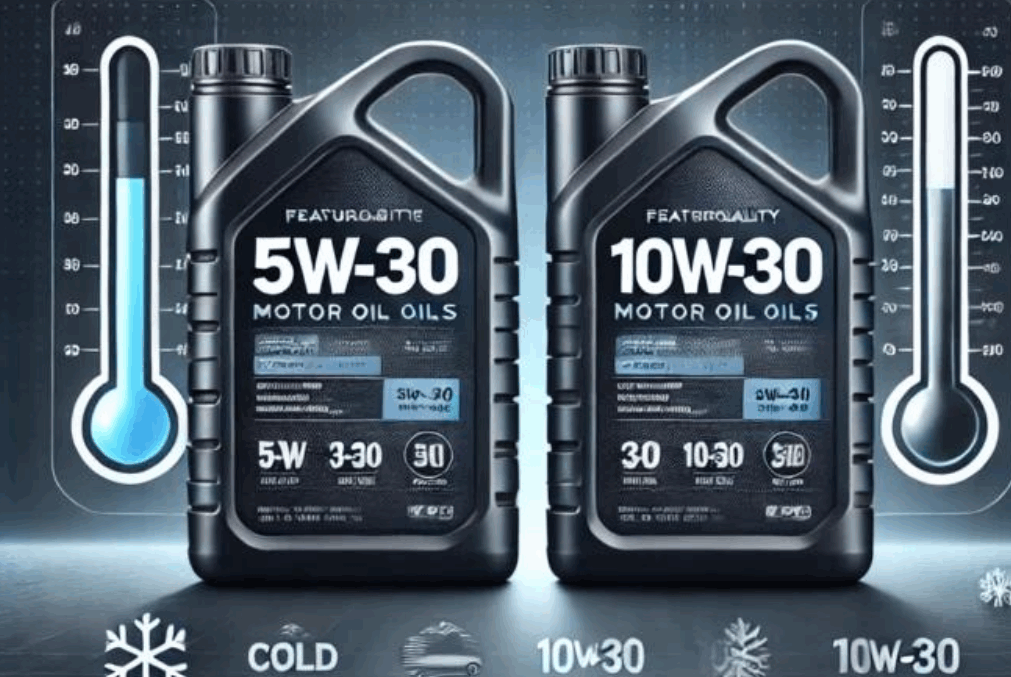
What Is the Difference Between 5W-30 and 10W-30 Engine Oil?
5W-30 and 10W-30 are different SAE viscosity grades that describe how engine oil flows at different temperatures. The main difference appears during cold starts because 5W-30 remains thinner than 10W-30 in low temperatures. Both oils provide the same SAE 30 viscosity performance when the engine reaches normal operating temperature.
Engine oil viscosity affects how quickly oil moves through engine components. A thinner oil can circulate faster when the engine starts, while a thicker oil can maintain oil pressure under certain operating conditions. The SAE J300 viscosity classification system defines these grades based on low temperature and high temperature performance.
The first number in each oil grade represents cold temperature behavior, while the second number represents viscosity at operating temperature. For example, the “5W” and “10W” ratings show how each oil performs during winter conditions. The “30” rating shows that both oils provide similar thickness when the engine operates at normal temperatures.
The difference between these oils becomes important when drivers consider climate, engine design, and manufacturer recommendations. A vehicle that frequently starts in cold weather requires oil that can move quickly through the engine. A vehicle operating in consistently warm conditions may have different requirements based on its engine specifications.
What Does the 5W-30 Oil Rating Mean?
5W-30 means the engine oil has a winter viscosity rating of 5 and an operating temperature viscosity rating of 30. This grade allows the oil to flow more easily during cold starts while maintaining protection when the engine reaches normal temperature.
The “5W” rating indicates how the oil performs in colder conditions. The lower number means the oil creates less resistance when the engine starts in cold weather. This faster oil movement helps lubricate internal engine parts sooner after ignition.
The “30” rating describes the oil thickness at approximately normal engine operating temperature. Both 5W-30 and 10W-30 reach the same high-temperature viscosity category, which means they provide similar lubrication characteristics during regular driving.
5W-30 is commonly used in modern passenger vehicles because many manufacturers design engines around lower viscosity oils. Examples include newer gasoline engines, turbocharged engines, and vehicles that prioritize fuel efficiency.
What Does the 10W-30 Oil Rating Mean?
10W-30 means the engine oil has a winter viscosity rating of 10 and a high-temperature viscosity rating of 30. This oil provides similar protection to 5W-30 at operating temperature but flows more slowly during cold starts.
The “10W” rating shows that this oil performs differently in low temperatures compared with 5W-30. It becomes thicker when the temperature drops, which means it takes more time to circulate through the engine after startup.
The “30” rating remains the same as 5W-30. This means both oils have similar viscosity behavior once the engine reaches normal operating conditions. The primary difference exists during the first moments after starting the vehicle.
10W-30 remains a suitable choice for certain vehicles that require this viscosity grade. Older engines, warmer climates, and specific manufacturer recommendations may support the use of 10W-30 engine oil.
How Does 5W-30 Compare to 10W-30 in Cold Weather?
5W-30 performs better than 10W-30 in cold weather because it flows faster at lower temperatures. The lower winter viscosity rating allows 5W-30 oil to circulate through the engine more quickly after startup.
Cold starts create a challenging condition for engine lubrication. When a vehicle remains parked for several hours, most engine oil settles in the oil pan. After ignition, the oil pump must move the oil through engine passages before critical components receive full lubrication.
5W-30 reduces this delay because it maintains better fluidity in cold conditions. Faster oil circulation helps protect important engine parts, including bearings, camshafts, and cylinder walls. This early lubrication reduces friction and supports smoother engine operation.
10W-30 still protects engines effectively, but it becomes thicker than 5W-30 in colder temperatures. As a result, it may take longer to reach internal engine components during cold starts. Drivers who regularly operate vehicles in freezing climates often choose 5W-30 because it provides faster oil flow during startup.
The difference between these two oils becomes smaller when the engine reaches normal operating temperature. Both oils have the same SAE 30 high-temperature viscosity rating, which means they provide similar thickness during regular driving. The main advantage of 5W-30 appears during cold starts, not during normal engine operation.
Is 5W-30 Better Than 10W-30 for Hot Weather Driving?
5W-30 and 10W-30 provide similar performance in hot weather because both oils have the same SAE 30 high-temperature viscosity rating. The main difference between them does not come from engine operating temperature but from their cold-start behavior.
When an engine reaches normal operating temperature, both oils maintain a similar thickness level. This allows them to create a protective lubrication layer between moving engine components. The oil film reduces friction between parts such as pistons, bearings, and camshafts during regular driving.
Hot weather alone does not automatically make 10W-30 a better choice than 5W-30. The correct oil depends on the engine design and manufacturer specifications. Modern engines often use tighter internal clearances, which require specific oil flow characteristics that manufacturers test during development.
In extremely warm conditions, drivers may assume thicker oil always provides better protection. However, using an oil with a higher viscosity than recommended can reduce oil circulation efficiency and affect engine performance. The engine manufacturer determines the suitable viscosity grade based on lubrication requirements, operating temperature range, and mechanical design.
For example, a vehicle designed for 5W-30 should continue using 5W-30 even in a hot climate unless the manufacturer approves another viscosity grade. The oil selection should follow the owner’s manual rather than temperature preference alone.
Does 5W-30 Improve Fuel Economy Compared to 10W-30?
5W-30 can improve fuel economy compared to 10W-30 in some vehicles because it creates less resistance during cold starts and oil circulation. However, the actual fuel economy difference depends on engine design, driving conditions, and manufacturer specifications.
Engine oil affects fuel efficiency because the engine must move oil through internal components during operation. A lower viscosity oil can reduce pumping resistance, which allows the engine to use slightly less energy to circulate the lubricant. This effect is more noticeable during startup and short trips when the engine operates before reaching its ideal temperature.
Modern vehicles often recommend 5W-30 because manufacturers design their engines around specific lubrication characteristics. Many newer engines use tighter internal tolerances and advanced fuel-saving technologies that work efficiently with lower viscosity oils.
The fuel economy difference between 5W-30 and 10W-30 is usually small. Engine design, tire pressure, driving habits, vehicle weight, and maintenance condition have a greater impact on fuel consumption than a minor oil viscosity change.
For example, replacing the recommended 10W-30 oil with 5W-30 does not automatically improve fuel economy if the engine was not designed for that viscosity. Using the wrong oil grade may affect lubrication performance and engine protection.
The best approach is to choose the oil grade specified by the vehicle manufacturer. If the manufacturer approves both 5W-30 and 10W-30, the thinner oil may provide a small efficiency advantage, especially in colder conditions or during frequent short-distance driving.
Can You Use 5W-30 Instead of 10W-30 Engine Oil?
You can use 5W-30 instead of 10W-30 only when the vehicle manufacturer allows both viscosity grades. The correct choice depends on engine specifications, climate conditions, and the requirements listed in the owner’s manual.
The main difference between these oils appears during cold temperatures. 5W-30 flows faster after startup because it has a lower winter viscosity rating. This characteristic can benefit vehicles that operate in colder climates or experience frequent cold starts.
However, viscosity compatibility depends on engine design. Manufacturers select oil grades based on factors such as internal clearances, oil pressure requirements, and lubrication performance. Using a different viscosity without approval may affect how the engine receives lubrication.
Drivers should check the owner’s manual before switching between 5W-30 and 10W-30. The manual provides the recommended viscosity grades and oil specifications tested for that specific engine.
For example, if a vehicle manufacturer recommends 5W-30, replacing it with 10W-30 may reduce cold-start performance in colder weather. If the manufacturer approves both grades, drivers can choose based on their climate and driving conditions.
When Should You Avoid Switching Between 5W-30 and 10W-30?
You should avoid switching between 5W-30 and 10W-30 when the manufacturer specifies only one viscosity grade for your engine. Some engines require precise oil characteristics to maintain proper lubrication and performance.
Newer engines often use advanced designs that depend on specific oil flow properties. Turbocharged engines, fuel-efficient engines, and vehicles with strict emissions requirements may require a particular viscosity grade to operate correctly.
You should also avoid changing viscosity grades during warranty periods unless the manufacturer approves the alternative oil. Using an unapproved oil can create maintenance issues and may affect warranty coverage.
Older engines require additional consideration because wear patterns and oil consumption can influence oil selection. A thicker oil does not automatically provide better protection. The correct viscosity depends on the engine’s original design and current condition.
Choosing between 5W-30 and 10W-30 should always start with manufacturer recommendations. Climate and driving habits can influence the decision, but they should not override the oil specification created for the engine.
Which Engine Oil Is Better for Older Engines: 5W-30 or 10W-30?
The better engine oil for older engines depends on the manufacturer recommendation, engine condition, and operating environment. Neither 5W-30 nor 10W-30 automatically provides better protection for every older engine.
Older engines often have more wear compared with newer engines. Over time, components such as piston rings, bearings, and seals can develop different operating conditions. However, choosing a thicker oil only because an engine is old does not always solve wear-related issues.
10W-30 may suit some older engines because it maintains a higher cold-temperature viscosity than 5W-30. Some vehicles designed for 10W-30 may require this oil grade to maintain proper oil pressure and lubrication performance. This is especially relevant for engines built before manufacturers widely adopted lower viscosity oils.
5W-30 can also work well in older engines when the manufacturer recommends it. Its faster cold-weather flow can help reduce startup friction and provide quicker lubrication after ignition. This benefit becomes important for vehicles that operate in colder climates.
Drivers with high-mileage vehicles should consider additional factors such as oil consumption, leaks, and manufacturer requirements. High-mileage engine oils often include additives designed to support older seals and reduce certain maintenance issues.
The correct oil choice comes from matching the viscosity grade to the engine’s design rather than choosing based only on vehicle age.
Should You Choose Synthetic 5W-30 or Synthetic 10W-30 Oil?
Synthetic 5W-30 and synthetic 10W-30 both provide advanced engine protection, but synthetic 5W-30 usually offers better cold-start performance because it maintains better fluidity at low temperatures.
Synthetic engine oils use refined base oils and specialized additives that help maintain stable performance across different temperatures. They resist breakdown, reduce deposits, and support consistent lubrication during demanding driving conditions.
Synthetic 5W-30 works well for drivers who experience temperature changes throughout the year. Its lower winter viscosity allows faster oil circulation during cold starts, while its SAE 30 rating maintains protection during normal engine operation.
Synthetic 10W-30 can be a suitable option for vehicles that require this viscosity grade. It may perform effectively in warmer climates where cold-start performance is less important. However, the vehicle manufacturer’s specification remains the primary factor.
For example, a modern vehicle that requires synthetic 5W-30 should not switch to synthetic 10W-30 simply because the second oil appears thicker. Engine design determines the required lubrication characteristics, and the recommended oil grade provides the best balance between protection, efficiency, and performance.
How Do You Choose Between 5W-30 and 10W-30 Engine Oil?
You should choose between 5W-30 and 10W-30 engine oil by checking your vehicle manufacturer recommendation, climate conditions, driving habits, and engine requirements. The correct oil grade provides the right balance between engine protection, efficiency, and performance.
The first step is to check the owner’s manual. Vehicle manufacturers test specific oil grades during engine development to ensure proper lubrication, oil pressure, and operating efficiency. The recommended viscosity grade should always be the starting point when selecting engine oil.
Climate conditions also affect the choice between 5W-30 and 10W-30. Drivers in colder regions often prefer 5W-30 because it flows faster during low-temperature starts. Drivers in warmer climates may use 10W-30 if their vehicle manufacturer approves this viscosity grade.
Driving conditions provide another important factor. Frequent short trips, winter driving, and daily cold starts increase the importance of fast oil circulation. Long-distance driving in stable temperatures may place less emphasis on cold-start performance.
Engine age and condition also influence oil selection. Older engines may require specific viscosity grades based on their original design and maintenance history. A thicker oil does not automatically create better protection because the engine needs the correct oil flow characteristics.
The best choice between 5W-30 and 10W-30 comes from matching the oil to the vehicle rather than choosing based on general assumptions. Manufacturer specifications, operating environment, and engine design determine which oil provides the most suitable performance.
What Other Engine Oil Grades Are Similar to 5W-30 and 10W-30?
Other engine oil grades similar to 5W-30 and 10W-30 include 0W-20, 5W-20, and 10W-40. Each grade provides different viscosity characteristics for specific engine designs and driving conditions.
0W-20 is a lower viscosity oil commonly used in newer vehicles that prioritize fuel efficiency. It flows faster than 5W-30 during cold starts and helps engines meet modern efficiency requirements.
5W-20 has a similar cold-temperature rating to 5W-30 but provides a lower high-temperature viscosity. Some manufacturers select this grade for engines designed with specific lubrication requirements.
10W-40 provides a higher operating temperature viscosity than both 5W-30 and 10W-30. Some older vehicles and high-mileage engines use this grade when recommended by the manufacturer.
Understanding different oil grades helps vehicle owners make better maintenance decisions. However, viscosity comparison alone is not enough. The correct engine oil must match the vehicle specification, engine design, and operating conditions.
Which Engine Oil Should You Choose Between 5W-30 and 10W-30?
The best engine oil between 5W-30 and 10W-30 depends on your vehicle requirements, operating conditions, and manufacturer recommendations. Neither oil is universally better because each viscosity grade serves different engine needs.
5W-30 provides an advantage during cold starts because it flows faster at lower temperatures. This makes it a suitable choice for many modern vehicles and drivers who operate in colder climates. 10W-30 can also provide reliable engine protection when the vehicle manufacturer recommends this viscosity grade.
The most important factor is not choosing the thicker or thinner oil. The most important factor is choosing the oil grade that matches the engine design. Vehicle manufacturers select viscosity grades based on lubrication requirements, internal engine components, and performance testing.
Before changing from 5W-30 to 10W-30 or the opposite, check the owner’s manual and follow the recommended specifications. The correct engine oil helps maintain proper lubrication, supports engine efficiency, and protects important components throughout the vehicle’s service life.