The Ford CP4 Recall has raised serious concerns among diesel truck owners across the United States. A failed Bosch CP4 high pressure fuel pump can contaminate the entire fuel system and create repair bills that exceed several thousand dollars. Many owners now want clear answers before their trucks develop expensive fuel system damage.
Many drivers struggle to understand whether their vehicle qualifies for a recall or another service program. Ford has issued different programs over the years, and each one offers different coverage. This situation often creates confusion because a recall, a Customer Satisfaction Program, and a warranty extension do not provide the same benefits.
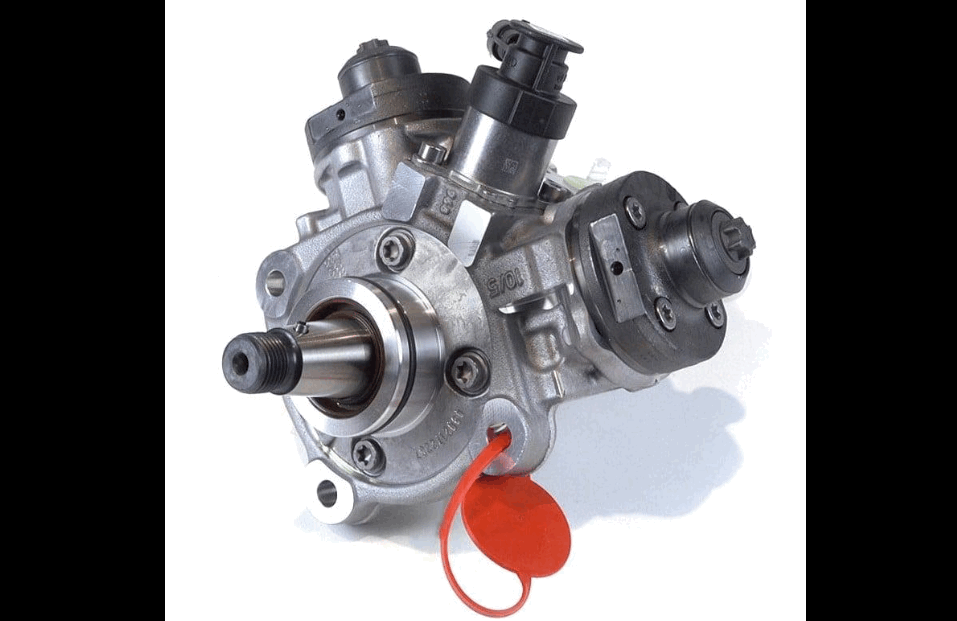
The Bosch CP4 fuel pump powers several Ford Super Duty trucks equipped with the 6.7L Power Stroke diesel engine. The pump delivers high fuel pressure for modern diesel injection systems. However, its internal design can wear prematurely under certain conditions. As the pump wears, it releases tiny metal particles that spread through the fuel system. Those particles can damage injectors, fuel rails, fuel lines, and other expensive components.
This guide explains the latest Ford CP4 Recall information in one place. You will discover which Ford models and model years may qualify, how to identify early warning signs, how to check your VIN, and what repair options are available. You will also learn how to reduce the risk of future CP4 fuel pump failure and protect your truck from unnecessary repair costs.
What Is the Ford CP4 Recall and Why Does It Matter?
The Ford CP4 Recall addresses concerns about the Bosch CP4 high pressure fuel pump used in certain Ford Super Duty trucks equipped with the 6.7L Power Stroke diesel engine. The pump can wear internally under specific operating conditions. When that happens, it may release small metal particles into the fuel system. Those particles can travel through fuel lines, injectors, and fuel rails, increasing the risk of widespread component failure and expensive repairs.
Many truck owners believe every CP4-related issue automatically qualifies for a safety recall. That assumption is not always correct. Ford has used several programs to address customer concerns, including Safety Recalls, Customer Satisfaction Programs, and Technical Service Bulletins. Each program follows different eligibility requirements and provides different repair coverage. Understanding these differences helps owners determine whether Ford will repair their vehicle at no cost or whether standard warranty terms still apply.
The issue matters because a damaged CP4 pump rarely affects a single component. Once metal debris enters the fuel system, technicians often need to replace multiple parts instead of only installing a new pump. Depending on the severity of the contamination, repairs may include new fuel injectors, fuel rails, fuel lines, filters, and even a replacement fuel tank. As a result, repair costs can increase dramatically when drivers continue operating the truck after the first warning signs appear.
Before making repair decisions, owners should verify the latest information through official Ford resources and their vehicle identification number. Accurate recall information reduces confusion, helps owners understand available coverage, and allows them to take action before minor fuel system wear develops into a complete mechanical failure.
Which Ford Trucks and Model Years Are Affected by the CP4 Recall?
The Ford CP4 Recall does not apply to every Ford diesel truck. Eligibility depends on the vehicle model, model year, engine configuration, and the specific program announced by Ford. Owners should avoid assuming that every truck equipped with a Bosch CP4 fuel pump automatically qualifies for free repairs. The most reliable way to confirm eligibility is by checking the vehicle identification number through official Ford resources.
Most discussions about the CP4 recall focus on Ford Super Duty trucks powered by the 6.7L Power Stroke diesel engine. These vehicles include the Ford F-250, F-350, F-450, and F-550. Several model years have used the Bosch CP4 high pressure fuel pump, but recall eligibility can vary between production periods. Ford may also issue different service programs for trucks that share the same engine but fall under different manufacturing dates.
Owners should also understand that recall coverage can change over time. Ford occasionally expands or updates repair programs after collecting additional field data or working with regulatory agencies. For that reason, information from online forums or social media may no longer reflect the latest eligibility requirements. Relying on outdated advice could delay necessary repairs or cause owners to miss available coverage.
Checking your VIN remains the fastest and most accurate way to determine whether your truck qualifies for recall repairs. A Ford dealer can verify your eligibility within minutes and explain the repair process if your vehicle appears in an active program. This simple step helps owners avoid unnecessary uncertainty and ensures they receive the most current information before scheduling service or paying for repairs.
Why Does the Bosch CP4 Fuel Pump Fail?
The Bosch CP4 fuel pump fails because its internal design depends on diesel fuel for both lubrication and cooling. The pump operates under extremely high pressure and contains metal components that move against each other at high speed. When the fuel cannot provide enough lubrication, those components create excessive friction. Over time, the friction accelerates wear and weakens the pump’s internal surfaces.
As the damaged surfaces continue to wear, the pump releases tiny metal particles into the fuel system. The fuel carries those particles through the high pressure lines and into the injectors, fuel rails, and pressure control components. This contamination spreads quickly because the fuel system constantly circulates diesel under high pressure. A small amount of internal wear can eventually affect multiple components throughout the engine.
Fuel quality also plays an important role in CP4 reliability. Diesel fuel with poor lubricating properties increases metal contact inside the pump and speeds up internal wear. Water contamination, dirt, or other foreign materials can make the problem even worse. Although regular maintenance helps protect the fuel system, it cannot completely eliminate the risk if the pump has already started to deteriorate.
A failing CP4 pump often causes more than a single mechanical problem. Once metal debris reaches the injectors and other precision components, technicians usually recommend replacing several parts instead of repairing only the pump. This approach helps prevent remaining debris from damaging newly installed components. As a result, a complete fuel system repair often costs significantly more than replacing the high pressure fuel pump alone.
What Symptoms Indicate a Failing CP4 Fuel Pump?
A failing CP4 fuel pump usually produces warning signs before it causes complete fuel system failure. Recognizing these symptoms early can reduce repair costs and prevent severe engine damage. Many drivers notice performance changes long before the pump stops working. Taking immediate action after the first symptom often protects expensive fuel system components from metal contamination.
Hard starting is one of the earliest signs of CP4 pump wear. The engine may crank longer than usual before it starts, especially after sitting overnight. As internal wear increases, the pump struggles to maintain stable fuel pressure. Drivers may also notice rough idling, hesitation during acceleration, or a noticeable loss of engine power under heavy loads. These problems often become more frequent as the pump continues to deteriorate.
The check engine light may also appear when the fuel system cannot maintain the required pressure. In some cases, the truck enters limp mode to protect the engine from additional damage. Drivers should never ignore these warnings because continued operation can spread metal particles throughout the fuel system. A technician may also discover fine metal debris inside the fuel filter during routine maintenance. This finding often indicates internal pump wear and requires immediate inspection.
Complete CP4 failure can cause the engine to stall without warning or prevent it from starting at all. At this stage, contamination has often reached the injectors, fuel rails, and high pressure fuel lines. Repairing only the fuel pump rarely solves the problem because damaged components remain inside the system. Owners should stop driving the vehicle as soon as serious symptoms appear and arrange a professional inspection. Acting quickly can limit secondary damage and significantly reduce overall repair costs.
How Can You Check Whether Your Ford Qualifies for the CP4 Recall?
Checking your vehicle identification number is the fastest way to determine whether your Ford qualifies for the CP4 Recall. Recall eligibility depends on several factors, including the model, model year, production date, and the specific program issued by Ford. Two trucks with the same engine may not receive identical coverage. A VIN lookup provides the most accurate answer because it identifies every active recall and service program assigned to your vehicle.
Start by locating your 17 character VIN. You can find it on the driver’s side dashboard, inside the driver’s door frame, or on your vehicle registration documents. Once you have the VIN, enter it into Ford’s official recall lookup tool or provide it to an authorized Ford dealer. The system will display any open recalls, Customer Satisfaction Programs, or other service campaigns that apply to your truck.
If your truck qualifies, the dealer will explain the next steps and schedule the required repairs. They can also confirm which components Ford will replace and whether the work is covered at no cost. If your VIN does not appear in an active program, ask the dealer whether your vehicle qualifies for any warranty extension or additional service coverage. Program details may change as Ford releases new information.
Avoid relying on unofficial websites or social media posts when checking recall status. Online discussions often reference outdated programs or apply to different model years. Official Ford records remain the most reliable source because they reflect the latest eligibility requirements. Spending a few minutes verifying your VIN can help you avoid unnecessary repair expenses and ensure your truck receives any available manufacturer support.
What Repairs Are Included Under the Ford CP4 Recall?
The Ford CP4 Recall focuses on restoring the fuel system to safe operating condition after a confirmed high pressure fuel pump failure. The exact repair depends on the condition of the vehicle and the amount of contamination found during the inspection. Technicians inspect the entire fuel system before replacing any parts because a damaged CP4 pump can affect multiple components at the same time.
If the pump has released metal debris, technicians usually replace more than the high pressure fuel pump. They may also install new fuel injectors, fuel rails, high pressure fuel lines, fuel filters, and fuel pressure sensors. In severe cases, they clean or replace the fuel tank and low pressure fuel lines to remove any remaining contamination. This approach helps prevent metal particles from damaging the new components after the repair is complete.
Ford dealers follow manufacturer repair procedures to verify that the fuel system operates correctly before returning the vehicle to the owner. After replacing the affected components, technicians inspect fuel pressure, perform diagnostic tests, and confirm that the engine runs normally under different operating conditions. These final inspections reduce the risk of repeat failures and help ensure the repair meets Ford’s service standards.
Repair coverage depends on the program assigned to the vehicle. Some owners receive complete coverage for eligible repairs, while others may qualify only under specific warranty terms or service programs. For that reason, owners should always confirm repair eligibility before authorizing any work. A Ford dealer can explain which components the manufacturer will cover, estimate the repair timeline, and answer questions about parts availability. Verifying these details in advance helps owners avoid unexpected costs and makes the repair process much easier to understand.
How Much Does a CP4 Fuel System Repair Cost Without Recall Coverage?
Repairing a failed CP4 fuel system without recall coverage can become one of the most expensive diesel repairs a Ford owner will face. A worn high pressure fuel pump rarely fails in isolation. Once metal debris enters the fuel system, technicians often replace several components to restore reliable performance. The final cost depends on the extent of the contamination, the number of damaged parts, and local labor rates.
A minor repair may require only a high pressure fuel pump and a few supporting components. However, many failures contaminate the injectors, fuel rails, high pressure fuel lines, and fuel filters. Severe cases may also require fuel tank cleaning or replacement to remove metal particles completely. Replacing every damaged component reduces the risk of another failure and protects the new parts from residual contamination.
Labor costs also contribute significantly to the total repair bill. Technicians must remove damaged components, flush the fuel system, install new parts, and perform extensive testing before returning the truck to the owner. This process requires specialized equipment and several hours of labor. As a result, complete repairs often cost far more than owners expect when they first notice a fuel system problem.
Owners should request a detailed inspection before approving repairs. A written estimate helps identify the damaged components and explains why each replacement is necessary. Comparing estimates from experienced diesel repair shops and authorized Ford dealers can also help owners make an informed decision. If the vehicle does not qualify for recall coverage, early diagnosis remains the best way to reduce repair costs because minor pump wear is far less expensive to address than a fully contaminated fuel system.
Can You Prevent Another CP4 Fuel Pump Failure?
You can reduce the risk of another CP4 fuel pump failure by following a consistent maintenance routine and using high quality diesel fuel. No preventive measure can guarantee that the pump will never fail, but proper care helps reduce unnecessary wear and protects the fuel system. Owners who inspect their trucks regularly often identify early problems before they develop into major repairs.
Fuel quality plays a critical role in CP4 reliability. Clean diesel fuel provides better lubrication for the pump’s internal components and reduces metal to metal contact. Purchasing fuel from reputable stations also lowers the risk of water contamination and debris entering the fuel system. If you frequently operate your truck in harsh environments, a diesel fuel additive that improves lubricity may provide additional protection when it meets the engine manufacturer’s recommendations.
Routine maintenance is equally important. Replacing the fuel filter at the recommended service interval helps prevent dirt and other contaminants from reaching the high pressure fuel pump. During each service visit, technicians should inspect the fuel filter for fine metal particles because this can reveal early signs of internal pump wear. Detecting contamination before it spreads through the fuel system may prevent extensive damage and significantly reduce future repair costs.
Some owners also install an upgraded filtration system or choose a CP3 conversion for improved long term reliability. These solutions may reduce the likelihood of widespread fuel system damage, but they also involve additional costs and technical considerations. Before modifying the factory fuel system, owners should consult a qualified diesel specialist and review any potential warranty implications. A preventive strategy that combines quality fuel, scheduled maintenance, and early inspections offers the best opportunity to extend the service life of the CP4 fuel pump.
Is a CP3 Conversion Better Than Keeping the CP4 System?
A CP3 conversion offers greater long term reliability for many diesel truck owners, but it is not the right solution for every vehicle. The best choice depends on your driving habits, maintenance goals, warranty status, and budget. Owners should compare the advantages and disadvantages of both systems before making a final decision.
The Bosch CP4 fuel pump supports modern emissions requirements and delivers the fuel pressure required by the factory injection system. When the pump operates under normal conditions, it provides consistent engine performance and fuel delivery. However, many owners remain concerned about the risk of internal wear because a single failure can contaminate the entire fuel system. This concern has encouraged many diesel enthusiasts to consider replacing the factory pump with a CP3 system.
The Bosch CP3 fuel pump has earned a strong reputation for durability in heavy duty diesel applications. Its internal design provides better lubrication and has demonstrated reliable performance over many years of service. Many aftermarket conversion kits allow owners to replace the CP4 without making extensive engine modifications. As a result, many truck owners choose a CP3 conversion to reduce the risk of future fuel system failures, especially after the original pump reaches high mileage.
A CP3 conversion also has limitations. The installation increases ownership costs and may affect factory warranty coverage if the vehicle remains under warranty. Some regions also have emissions regulations that owners must consider before modifying the original fuel system. Before investing in a conversion, owners should consult an experienced diesel technician and verify local legal requirements. Drivers who still qualify for recall repairs or manufacturer coverage may benefit more from completing those repairs before considering aftermarket upgrades.
Conclusion
The Ford CP4 Recall highlights the importance of identifying fuel system problems before they develop into costly repairs. Understanding how the Bosch CP4 fuel pump operates, recognizing the earliest warning signs, and checking your VIN through official Ford resources can help you determine whether your truck qualifies for manufacturer support. Early action often prevents metal contamination from spreading throughout the fuel system and reduces the likelihood of extensive component replacement.
If your truck shows symptoms of CP4 pump failure, schedule an inspection as soon as possible instead of continuing to drive the vehicle. A professional diagnosis can identify the source of the problem and help you choose the most effective repair strategy. Whether your truck qualifies for recall coverage or requires an independent repair, making informed decisions will protect your investment and improve long term reliability.
Owners who want additional peace of mind should also follow a preventive maintenance schedule, use high quality diesel fuel, and inspect the fuel system regularly. These practices cannot eliminate every risk, but they can reduce unnecessary wear and extend the service life of critical fuel system components. Staying informed about the latest Ford CP4 Recall updates will help you respond quickly if new programs or expanded coverage become available.