Honda Odyssey transmission problems usually appear through shifting issues, unusual noises, delayed engagement, or reduced driving performance. The transmission is one of the most important components in the vehicle because it transfers engine power to the wheels and controls how smoothly the minivan accelerates, changes gears, and operates under different driving conditions.
Most Honda Odyssey transmission issues develop from three main areas: fluid problems, mechanical wear, and electronic control failures. A damaged torque converter, degraded transmission fluid, worn internal components, or transmission control module problems can affect gear changes and create noticeable symptoms for drivers.
Recognizing early warning signs helps Honda Odyssey owners prevent expensive repairs and avoid complete transmission failure. Symptoms such as slipping gears, harsh shifting, vibration during acceleration, delayed movement after selecting Drive, and dashboard warning lights indicate that the transmission system requires inspection.
This guide explains the most common Honda Odyssey transmission problems, the symptoms drivers should watch for, the causes behind transmission failures, diagnostic methods, repair costs, and preventive maintenance steps. Understanding how the Honda Odyssey transmission system works allows owners to make better decisions about repairs, maintenance, and long term vehicle reliability.
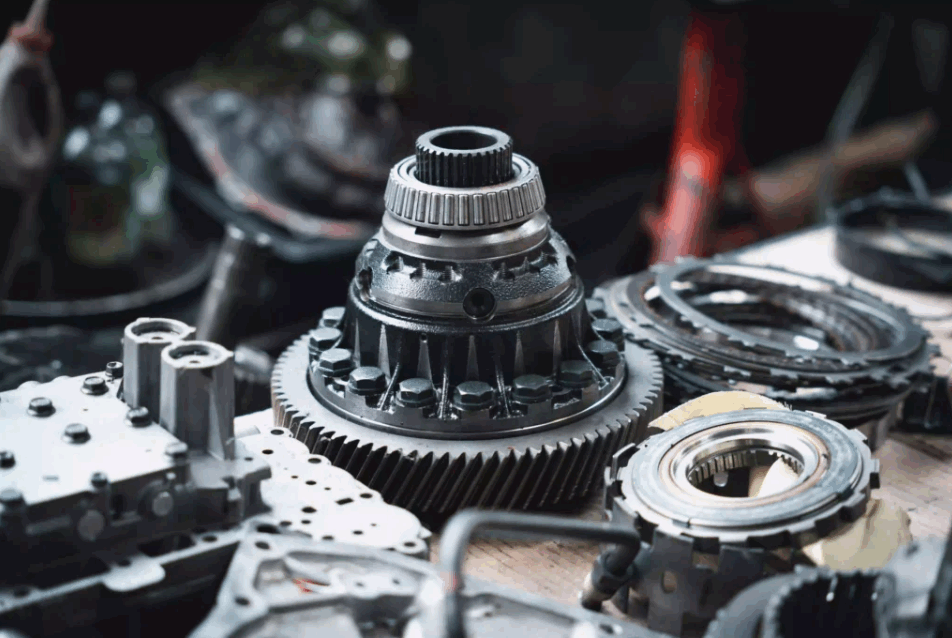
What Are the Most Common Honda Odyssey Transmission Problems?
Honda Odyssey transmission problems usually affect shifting performance, power delivery, and driving comfort. The most common issues include transmission slipping, hard shifting, delayed engagement, shuddering, and unusual noises. These problems appear when the transmission cannot transfer engine power correctly.
Transmission slipping is one of the most noticeable Honda Odyssey transmission problems. It happens when engine RPM increases but the vehicle does not accelerate properly. The transmission loses proper gear engagement, which reduces power delivery. Drivers may notice slow acceleration, sudden gear changes, or higher engine speed. Low transmission fluid, worn clutch components, and internal damage can cause this problem.
Hard shifting is another common transmission issue. A healthy automatic transmission changes gears smoothly through hydraulic pressure and electronic control. Problems occur when fluid pressure becomes unstable or internal parts become worn. Drivers may feel a strong jerk during gear changes. This symptom often appears during acceleration, deceleration, or when shifting from Park to Drive.
Delayed engagement happens when the vehicle does not move immediately after selecting Drive or Reverse. The transmission needs time to create enough hydraulic pressure before engaging the gear. Low fluid levels, damaged seals, or contaminated fluid can slow this process. A delay of several seconds can indicate a developing transmission problem.
Transmission shuddering is another issue reported by some Honda Odyssey owners. The vehicle may vibrate during acceleration, especially at lower speeds. This problem often involves the torque converter. The torque converter transfers engine power to the transmission. When it does not operate correctly, it can create noticeable shaking.
Unusual transmission noises can also indicate internal damage. Whining, grinding, and humming sounds may come from worn gears, damaged bearings, or poor lubrication. These noises should receive attention because continued driving can increase repair costs.
Recognizing these common Honda Odyssey transmission problems early helps owners prevent major failures. Regular maintenance and quick diagnosis can reduce damage and improve transmission reliability.
What Are the Symptoms of a Failing Honda Odyssey Transmission?
Honda Odyssey transmission failure usually develops through noticeable changes in vehicle behavior. The transmission controls how engine power reaches the wheels, so problems often appear during acceleration, shifting, or reversing. Early symptoms help owners identify issues before they become expensive repairs.
One of the most common signs is transmission slipping. A slipping transmission happens when the selected gear does not stay properly engaged. The engine may increase RPM, but the vehicle does not gain speed at the expected rate. Drivers may feel a sudden loss of acceleration or notice that the engine feels disconnected from the wheels. This problem often indicates worn internal components, low transmission fluid, or reduced hydraulic pressure.
Another common symptom is harsh or delayed shifting. A properly working Honda Odyssey transmission should change gears smoothly without strong impacts. When shifting becomes rough, drivers may feel jerking or hesitation during acceleration. Delayed engagement is also a warning sign. The vehicle may take several seconds to move after selecting Drive or Reverse. This usually happens because the transmission cannot build enough pressure to engage the correct gear immediately.
Unusual vibrations can also indicate transmission problems. Some Honda Odyssey owners experience shaking during acceleration or at specific speeds. This vibration may come from torque converter issues or inconsistent power transfer between the engine and transmission. A failing torque converter can reduce driving comfort and create additional stress on transmission components.
A burning smell is another symptom that should not be ignored. Overheated or damaged transmission fluid can produce a burnt odor. This usually means the fluid has lost its ability to protect internal components. Continued operation with overheated fluid can accelerate wear and increase the risk of transmission failure.
Dashboard warning lights can provide another important signal. The check engine light may appear when the vehicle detects abnormal transmission operation. Diagnostic trouble codes can help technicians identify problems with sensors, solenoids, or transmission control systems.
Recognizing these symptoms early allows Honda Odyssey owners to seek proper diagnosis before minor transmission issues develop into complete system failure. Regular inspections and timely maintenance are essential for protecting transmission performance.
What Causes Honda Odyssey Transmission Problems?
Honda Odyssey transmission problems usually develop because of fluid issues, mechanical wear, or electronic failures. The transmission contains many connected components that must work together to transfer engine power smoothly. When one part fails, the entire system can experience shifting problems, reduced performance, or complete failure.
Low or degraded transmission fluid is one of the most common causes of transmission problems. Transmission fluid provides lubrication, reduces heat, and creates hydraulic pressure for gear changes. Over time, the fluid loses its protective properties because of heat and contamination. Old fluid cannot protect internal components effectively. This increases friction and accelerates wear inside the transmission.
Internal component wear is another major cause of Honda Odyssey transmission failure. The transmission contains gears, bearings, clutches, seals, and other mechanical parts that experience continuous stress during driving. High mileage, heavy towing, and poor maintenance can increase wear on these components. When internal parts become damaged, drivers may experience slipping, grinding noises, or unstable shifting.
Torque converter problems can also affect Honda Odyssey transmission performance. The torque converter connects the engine and transmission while allowing smooth power transfer. When the torque converter develops internal damage, it may create vibration, shuddering, or delayed acceleration. A damaged torque converter can also place additional stress on other transmission components.
Electronic failures are another important cause of transmission issues. Modern Honda Odyssey models use a transmission control module and multiple sensors to manage shifting behavior. Problems with these electronic systems can cause incorrect gear changes, delayed shifting, or warning lights on the dashboard. A faulty sensor or control module can prevent the transmission from operating according to manufacturer specifications.
Transmission overheating is another factor that contributes to failure. Excessive heat breaks down transmission fluid and damages internal components. Heavy towing, aggressive driving, or insufficient cooling can increase transmission temperatures. Once overheating occurs repeatedly, the transmission may experience permanent damage.
Understanding the causes of Honda Odyssey transmission problems helps owners make better maintenance decisions. Regular fluid service, proper driving habits, and early inspections can reduce the risk of major transmission repairs.
Which Honda Odyssey Years Have Transmission Problems?
Honda Odyssey transmission problems have changed across different model years because Honda has used different transmission designs and technologies over time. Some generations experienced more transmission complaints than others due to differences in transmission construction, software control, and component durability. However, maintenance history remains one of the most important factors when evaluating transmission condition.
Older Honda Odyssey models with certain automatic transmissions received more attention for transmission reliability concerns. Earlier generations used designs that could experience issues such as gear failure, slipping, and shifting problems as mileage increased. These problems were often related to internal wear, insufficient maintenance, or transmission fluid conditions.
The fifth generation Honda Odyssey introduced newer transmission technology, including nine speed and ten speed automatic transmissions in some model years. These systems improved efficiency and performance but also introduced more complex electronic controls. Some owners reported rough shifting, delayed gear changes, or hesitation during acceleration. Software updates and proper diagnosis became important parts of addressing these concerns.
When evaluating a used Honda Odyssey, buyers should not focus only on the model year. A vehicle with higher mileage but complete maintenance records may have better transmission reliability than a newer vehicle with neglected service history. Transmission fluid condition, driving habits, and repair records provide important information about the actual condition of the system.
Several factors should be checked before purchasing a used Honda Odyssey. These include smooth gear changes, unusual noises, transmission fluid quality, warning lights, and previous repair history. A professional inspection can identify problems that are difficult to detect during a short test drive.
Honda Odyssey transmission reliability depends on both the transmission design and how the vehicle has been maintained. Understanding model year differences helps buyers and owners make better decisions, but regular maintenance remains the strongest factor in preventing transmission problems.
How Do You Diagnose Honda Odyssey Transmission Problems?
Diagnosing Honda Odyssey transmission problems requires checking the vehicle’s symptoms, transmission condition, and electronic systems. A correct diagnosis identifies the actual cause instead of replacing parts based only on visible symptoms. Many transmission problems share similar warning signs, so a complete inspection is necessary.
The first step is checking the transmission fluid condition. Transmission fluid should maintain proper color, consistency, and level to protect internal components. Dark, burnt-smelling, or contaminated fluid can indicate overheating or excessive wear. Low fluid levels can also reduce hydraulic pressure and cause delayed shifting or slipping.
A diagnostic scan is another important step in identifying transmission issues. Modern Honda Odyssey models use electronic control systems that monitor transmission performance. A technician can use a scan tool to read diagnostic trouble codes from the transmission control module and other vehicle systems. These codes can reveal problems with sensors, solenoids, or electronic controls.
A road test helps identify how the transmission behaves during normal driving conditions. Technicians observe acceleration, gear changes, shifting timing, and unusual noises. Problems such as hesitation, harsh shifting, or vibration often become easier to identify during a controlled test drive.
A professional transmission inspection may be required when symptoms continue after basic checks. Technicians can inspect internal components, hydraulic systems, and mechanical damage. This process helps determine whether the vehicle needs a repair, rebuild, or complete transmission replacement.
Honda Odyssey owners should avoid diagnosing transmission problems based on a single symptom. For example, a rough shift may come from old fluid, a sensor issue, or internal damage. Accurate diagnosis prevents unnecessary repairs and ensures the correct solution is selected.
Early diagnosis is one of the most effective ways to reduce Honda Odyssey transmission repair costs. Addressing minor issues before severe damage occurs can extend transmission life and maintain vehicle reliability.
How Much Does It Cost to Repair a Honda Odyssey Transmission?
Honda Odyssey transmission repair costs depend on the type of problem, vehicle year, transmission condition, and required repair method. Minor transmission services usually cost less than major mechanical repairs. A complete transmission replacement requires significantly more labor and parts compared with fluid service or component repair.
A transmission fluid service is usually the least expensive maintenance option. This service involves checking the fluid condition, removing old fluid, and replacing it with new transmission fluid. It can help restore smoother shifting when the problem is related to fluid degradation. However, fluid replacement cannot repair damaged internal components.
Minor transmission repairs usually involve replacing individual parts such as sensors, solenoids, seals, or other smaller components. These repairs are often performed when the transmission still has good internal condition. Early diagnosis can help owners repair specific problems before they require a complete transmission rebuild.
A transmission rebuild is a more extensive repair process. It involves removing the transmission, inspecting internal components, and replacing damaged parts. This option is used when internal wear affects gears, clutches, bearings, or other major components. A rebuild can restore transmission operation but requires more labor and technical expertise.
Transmission replacement is the most expensive repair option because it involves installing a new or remanufactured transmission unit. This solution is usually considered when the existing transmission has severe internal damage or when repair costs become too high compared with the vehicle’s value.
Several factors influence Honda Odyssey transmission repair costs. These include the transmission type, model year, damage severity, parts availability, and labor rates in the repair location. A newer Honda Odyssey with a complex transmission system may require more advanced diagnostic procedures and specialized repair skills.
Comparing repair options requires considering the vehicle’s overall condition. Owners should evaluate mileage, maintenance history, and future reliability before choosing between repair and replacement. A proper diagnosis helps prevent unnecessary spending and ensures the most practical solution.
How Can You Prevent Honda Odyssey Transmission Problems?
Preventing Honda Odyssey transmission problems requires consistent maintenance, proper driving habits, and early attention to warning signs. The transmission operates under constant stress because it manages power transfer between the engine and wheels. Regular care reduces wear and helps maintain smooth shifting performance.
Regular transmission fluid maintenance is one of the most important prevention steps. Transmission fluid protects internal components by reducing friction, controlling temperature, and creating hydraulic pressure. Over time, heat and contamination reduce fluid performance. Following the recommended service schedule helps maintain proper lubrication and reduces the risk of internal damage.
Avoiding excessive transmission stress can also improve reliability. Heavy towing, aggressive acceleration, and frequent stop and go driving increase transmission workload. These conditions create additional heat and pressure inside the transmission system. Drivers who regularly operate under demanding conditions should pay closer attention to fluid condition and maintenance intervals.
Addressing early symptoms prevents minor issues from becoming major failures. Signs such as delayed shifting, unusual noises, vibration, or fluid leaks should receive attention quickly. Ignoring these symptoms can allow small problems to damage expensive transmission components.
Using the correct transmission fluid is another important factor. Honda Odyssey transmissions require specific fluid specifications to maintain proper operation. Using incorrect fluid can affect shifting performance and reduce component protection.
Regular inspections also help extend transmission lifespan. A professional technician can identify early signs of wear before serious damage develops. Diagnostic checks are especially useful when the vehicle shows inconsistent shifting behavior or warning lights.
Honda Odyssey transmission reliability depends on preventive care rather than waiting for failure. Proper fluid service, responsible driving, and early repairs help protect the transmission system and reduce long term ownership costs.
What Should Honda Odyssey Owners Know About Transmission Problems?
Honda Odyssey transmission problems usually develop from fluid deterioration, component wear, overheating, or electronic system failures. The transmission system requires proper maintenance because it controls power delivery, acceleration, and overall driving performance. Ignoring early warning signs can allow small issues to become expensive repairs.
The most important symptoms to monitor include slipping gears, harsh shifting, delayed engagement, unusual noises, vibration, and dashboard warning lights. These signs indicate that the transmission may not be operating correctly. Early diagnosis helps identify the actual cause and prevents unnecessary damage to internal components.
Honda Odyssey owners can improve transmission reliability through regular fluid maintenance, responsible driving habits, and timely inspections. A well maintained transmission can provide better performance and reduce the risk of major repair costs. When serious problems occur, owners should compare repair options based on vehicle condition, mileage, and long term value.
Understanding Honda Odyssey transmission problems helps drivers make informed decisions about maintenance and repairs. By recognizing symptoms early and following proper service practices, owners can protect their vehicle’s transmission system and maintain reliable performance for years.