The Honda 10 speed transmission improves driving performance through faster gear changes, smoother acceleration, and better fuel efficiency. Honda introduced this automatic transmission system in several vehicles, including the Accord, Odyssey, Pilot, and Ridgeline.
Some owners report Honda 10 speed transmission problems that affect daily driving. Common complaints include hard shifts, delayed gear changes, hesitation, jerking, and unusual transmission sounds. These issues can appear during acceleration, low speed driving, or highway cruising.
Most Honda 10 speed transmission problems come from four main areas: software calibration, transmission fluid condition, mechanical wear, and driving conditions. The transmission control system manages complex gear changes, so incorrect settings or worn components can change shifting behavior.
This guide explains the symptoms, causes, and fixes for Honda 10 speed transmission problems. It also covers the Honda models that use this transmission and the maintenance steps that help improve reliability.
Understanding early warning signs helps owners protect their vehicles and avoid expensive repairs. A small shifting issue can become a major transmission failure if drivers ignore the problem for too long.
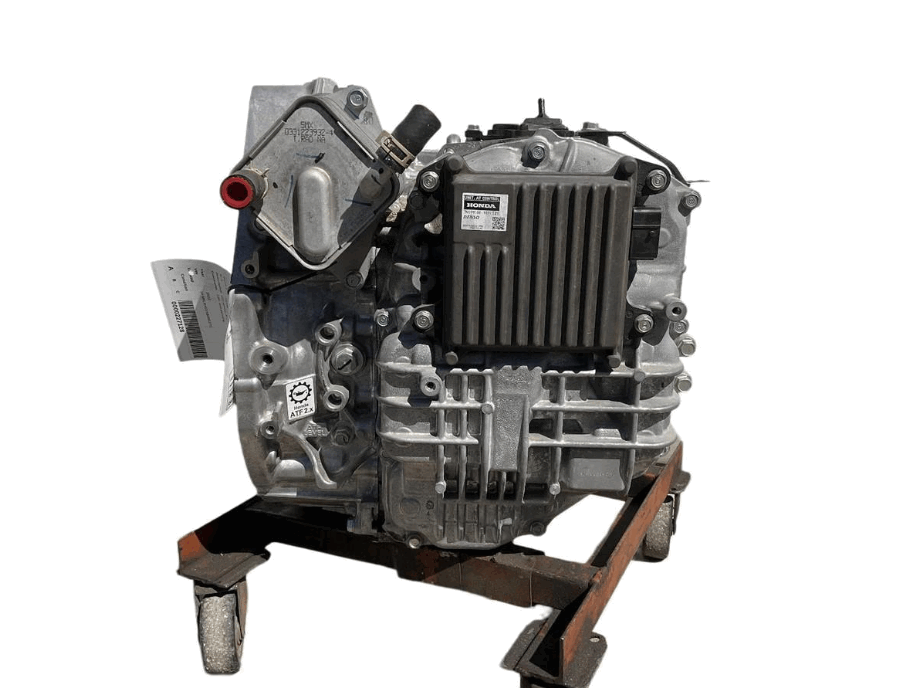
What Are the Most Common Honda 10 Speed Transmission Problems?
The most common Honda 10 speed transmission problems involve hard shifting, delayed gear changes, hesitation, shuddering, and inconsistent acceleration. These problems usually appear when the transmission cannot manage gear changes smoothly during different driving conditions. Owners often notice these issues during low speed acceleration, stop and go traffic, highway merging, or sudden throttle changes.
Hard shifting is one of the most reported concerns with automatic transmissions. The vehicle may produce a noticeable jolt when the transmission moves between gears. This happens because the transmission control system, hydraulic pressure, and internal components must work together to engage each gear at the correct time. When the system does not adjust properly, drivers may feel rough or unexpected shifts.
Delayed gear engagement is another common issue. A driver may press the accelerator and experience a short delay before the vehicle responds. This problem can occur when the transmission needs extra time to select the correct gear or when fluid pressure does not reach the required level quickly enough.
Transmission hesitation can also affect driving confidence. The vehicle may pause briefly before accelerating because the transmission struggles to select the ideal gear ratio. This behavior may relate to software calibration, sensor information, or internal transmission operation.
Some Honda owners also report transmission shuddering or vibration during acceleration. A shudder usually indicates inconsistent power transfer between the engine and transmission. Possible causes include torque converter operation, fluid condition, or component wear.
Early identification of these problems helps prevent more serious damage. A transmission that receives proper diagnosis and maintenance can often avoid major repairs and continue delivering reliable performance.
What Are the Symptoms of a Failing Honda 10 Speed Transmission?
A failing Honda 10 speed transmission usually shows clear changes in driving behavior before complete failure occurs. The most common symptoms include harsh shifting, delayed engagement, unusual noises, vibration, slipping, and warning lights on the dashboard. These signs indicate that the transmission system cannot control gear changes as efficiently as it should.
One of the earliest symptoms is jerking during gear changes. Drivers may feel a sudden movement when the vehicle shifts from one gear to another, especially during acceleration from a stop. This happens because the transmission must coordinate multiple components, including the gear sets, hydraulic system, and transmission control module. When these components do not work together correctly, the vehicle may produce rough or inconsistent shifts.
Another common symptom is delayed acceleration. The engine may increase speed, but the vehicle does not immediately respond with matching movement. This problem often appears when the transmission takes longer to select the correct gear. Drivers may notice this when merging onto highways, passing another vehicle, or accelerating after slowing down.
Unusual sounds can also indicate transmission problems. Whining, clunking, or grinding noises may suggest problems with internal components, fluid circulation, or mechanical wear. These sounds should not be ignored because continued operation can increase damage to transmission parts.
A Honda 10 speed transmission problem may also trigger warning lights or diagnostic trouble codes. The transmission control system monitors sensors and operating conditions to detect abnormal behavior. When the system identifies a serious issue, it can store error codes that help technicians locate the problem.
Recognizing these symptoms early allows owners to address transmission issues before they become expensive repairs. A professional inspection can determine whether the problem requires a software update, fluid service, component repair, or deeper transmission work.
Why Does the Honda 10 Speed Transmission Develop Problems?
Honda 10 speed transmission problems usually develop because of software settings, fluid conditions, mechanical wear, or demanding driving conditions. Modern automatic transmissions depend on precise communication between electronic systems and mechanical components. When one part of this system does not operate correctly, the transmission may produce abnormal shifting behavior.
Software calibration is one of the main factors that affects Honda 10 speed transmission performance. The transmission control module manages shift timing, gear selection, and pressure control during operation. If the software does not match the vehicle’s driving conditions correctly, the transmission may create harsh shifts, hesitation, or delayed engagement. Manufacturers can often improve these behaviors through software updates that adjust shift logic and transmission response.
Transmission fluid condition also plays an important role in reliability. Automatic transmission fluid provides lubrication, transfers hydraulic pressure, and helps control operating temperature. Old or contaminated fluid can reduce the transmission’s ability to change gears smoothly. Low fluid levels or incorrect fluid types can also affect internal components and increase wear.
Mechanical wear represents another possible cause of transmission problems. Components such as clutch packs, torque converters, bearings, and hydraulic parts experience stress during normal operation. Over time, excessive wear can reduce shifting accuracy and create symptoms such as slipping, vibration, or unusual noises.
Driving habits can also influence transmission lifespan. Frequent towing, aggressive acceleration, heavy loads, and extreme temperatures place additional stress on the transmission system. For example, a Honda vehicle that regularly pulls heavy loads may experience higher transmission temperatures compared with a vehicle used mainly for normal commuting.
Understanding these causes helps owners choose the correct solution. A transmission problem caused by software may require an update, while fluid-related or mechanical problems may require more extensive service.
Which Honda Vehicles Use the 10 Speed Automatic Transmission?
Honda uses the 10 speed automatic transmission in several vehicles that require strong performance, smooth shifting, and efficient power delivery. The transmission appears mainly in higher output Honda models and selected Acura vehicles. Each application uses different software calibration because vehicle weight, engine power, and driving purpose affect transmission behavior.
The Honda Accord is one of the well known models that uses the 10 speed automatic transmission. In this sedan, the transmission works with higher performance engines to provide quick acceleration and smooth highway cruising. Drivers who experience shifting concerns may notice symptoms during low speed driving or rapid acceleration.
The Honda Odyssey also uses the 10 speed transmission in specific model years. Because the Odyssey is a larger family vehicle, the transmission must handle more vehicle weight and frequent passenger loads. Proper maintenance becomes especially important because minivans often experience different driving conditions compared with smaller vehicles.
The Honda Pilot and Honda Ridgeline also use the 10 speed automatic transmission. These vehicles place additional demands on the transmission because they support larger body designs, higher towing capability, and heavier driving conditions. Regular service helps maintain consistent shifting performance.
Acura models, including the TLX and MDX, also use related 10 speed transmission technology. Acura applications focus more on performance and premium driving characteristics, which require precise gear control and responsive shifting.
Understanding which vehicles use the Honda 10 speed transmission helps owners identify relevant maintenance information and common concerns. Transmission behavior can vary between models because Honda adjusts the system based on engine specifications, vehicle design, and expected driving conditions.
How Much Does It Cost to Fix Honda 10 Speed Transmission Problems?
The cost to fix Honda 10 speed transmission problems depends on the cause, repair method, vehicle model, and level of damage. A transmission issue caused by software calibration usually requires a simpler solution, while internal mechanical damage may require extensive repairs or replacement. Accurate diagnosis is the first step because different problems require different repair approaches.
A software update is often one of the least expensive solutions for shifting concerns. The transmission control module manages gear selection, shift timing, and pressure adjustments. If outdated programming affects transmission behavior, a technician may update the software to improve shift performance without replacing physical components.
Transmission fluid service is another common repair option. Fresh transmission fluid helps maintain lubrication, hydraulic pressure, and temperature control. If old or degraded fluid causes poor shifting performance, replacing the fluid with the correct Honda transmission fluid may restore smoother operation. However, fluid service cannot repair internal damage caused by worn components.
More serious problems may require component repairs. A damaged torque converter, worn clutch packs, faulty solenoids, or internal hydraulic issues can increase repair costs because technicians must inspect and replace mechanical parts. These repairs usually require more labor compared with software updates or fluid services.
A complete transmission replacement represents the highest repair cost. This solution becomes necessary when internal damage prevents the transmission from operating reliably. The final cost depends on factors such as vehicle model, replacement transmission availability, labor rates, and whether the repair uses new or remanufactured components.
Honda owners can reduce repair expenses by addressing symptoms early. A small shifting problem may require a simple adjustment, while ignoring the issue can allow additional damage to develop.
How Can You Prevent Honda 10 Speed Transmission Problems?
Preventing Honda 10 speed transmission problems requires regular maintenance, proper driving habits, and early attention to warning signs. Automatic transmissions contain many connected components that depend on clean fluid, correct operating temperatures, and accurate electronic control. A preventive approach helps reduce unnecessary wear and improves long term transmission reliability.
Following the recommended transmission service schedule is one of the most important maintenance steps. Transmission fluid loses its effectiveness over time because heat and friction gradually change its chemical properties. Fresh fluid helps the transmission maintain proper lubrication, hydraulic pressure, and smooth gear engagement. Owners should use the correct Honda approved transmission fluid because the wrong fluid specification can affect transmission performance.
Monitoring early symptoms can also prevent larger problems. Drivers should pay attention to changes such as delayed shifting, unusual noises, vibration, or sudden jerking. A transmission issue diagnosed at an early stage may require a software update or basic service instead of major component replacement.
Driving habits directly affect transmission stress. Avoiding aggressive acceleration, excessive towing, and unnecessary heavy loads can reduce strain on internal transmission components. For example, a Honda Pilot or Ridgeline used for frequent towing experiences higher transmission demands compared with a vehicle used mainly for daily commuting.
Maintaining proper engine and transmission temperatures also supports reliability. The transmission cooling system helps control heat during demanding driving conditions. Excessive heat can accelerate fluid breakdown and increase wear on internal parts.
Regular inspections and responsible driving practices allow Honda owners to extend transmission lifespan. A well maintained Honda 10 speed transmission can provide smooth performance and reliable operation for many years.
Is the Honda 10 Speed Transmission Reliable?
The Honda 10 speed transmission can provide reliable performance when owners follow proper maintenance practices and address problems early. This transmission uses advanced electronic controls and multiple internal components to deliver smoother shifts, better acceleration, and improved efficiency. However, its complex design also means that small issues can affect driving behavior if they remain unresolved.
Most Honda 10 speed transmission problems involve shifting performance rather than immediate transmission failure. Common concerns include hard shifting, delayed engagement, hesitation, vibration, and unusual noises. These symptoms often come from software calibration, fluid condition, driving conditions, or normal component wear.
The reliability of the Honda 10 speed transmission depends heavily on maintenance and usage. Regular fluid service, proper driving habits, and early diagnosis help protect internal components and maintain smooth operation. A vehicle that receives consistent care is less likely to experience severe transmission damage.
Owners should not ignore early warning signs because minor transmission issues can develop into more expensive repairs. A professional inspection can identify whether the solution requires a software update, fluid service, component repair, or a more extensive transmission repair.
Overall, the Honda 10 speed transmission is a capable automatic transmission system with strong performance characteristics. Understanding common problems and following preventive maintenance recommendations allows owners to maximize reliability and enjoy a better ownership experience.