The Honda P1259 Code indicates a malfunction within the Variable Valve Timing and Lift Electronic Control (VTEC) system. This diagnostic trouble code appears when the Engine Control Module (ECM) detects that the VTEC oil pressure does not match the expected operating conditions. Although the problem is often linked to a faulty VTEC component, it can also result from low engine oil, incorrect oil viscosity, restricted oil flow, or electrical faults affecting the VTEC control circuit.
Honda introduced the VTEC system to improve engine efficiency, fuel economy, and high-speed performance. The system relies on adequate oil pressure to activate different camshaft profiles at higher engine speeds. When oil pressure cannot reach the required level or the ECM fails to verify proper VTEC engagement, the module stores the P1259 code and illuminates the Check Engine Light. In many cases, the engine enters a reduced-performance mode to protect critical components from potential damage.
This guide explains everything you need to know about the Honda P1259 Code. You will learn what the code means, the most common symptoms and root causes, the correct diagnostic procedure, effective repair methods, estimated repair costs, and practical maintenance tips that help prevent the problem from returning. Whether you own a Honda Civic, Accord, CR-V, or another VTEC-equipped model, this article provides a structured diagnostic approach that helps identify the actual fault before replacing any parts.
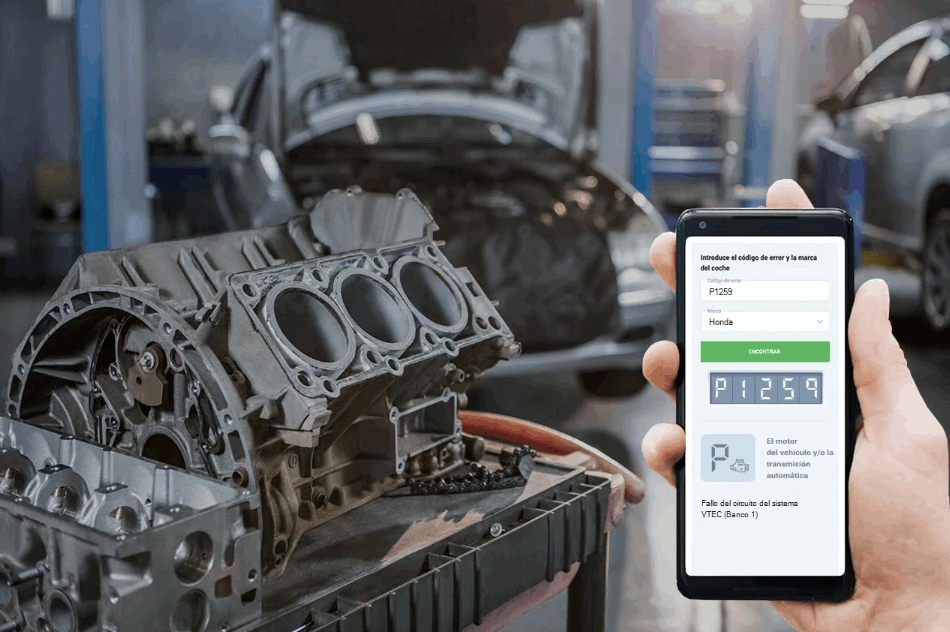
What Does the Honda P1259 Code Mean?
The Honda P1259 Code indicates a problem in the Variable Valve Timing and Lift Electronic Control (VTEC) system. The Engine Control Module (ECM) stores this code when the VTEC system fails to operate as expected. In most cases, the ECM cannot confirm the oil pressure required to activate VTEC. It then turns on the Check Engine Light and disables VTEC operation to protect the engine.
Honda developed the VTEC system to improve both fuel efficiency and engine performance. At low engine speed, the engine uses a cam profile that delivers smooth operation and lower fuel consumption. As engine speed increases, the ECM energizes the VTEC solenoid valve. Pressurized engine oil then moves an internal locking pin and switches the engine to a high-lift cam profile. This process increases valve lift and helps the engine produce more power at higher RPM.
The ECM continuously monitors the VTEC oil pressure switch during this process. The switch sends a confirmation signal after oil pressure reaches the required level. If the ECM does not receive that signal within the expected time, it records the Honda P1259 Code. The failure may result from low engine oil, poor oil pressure, a faulty pressure switch, a defective VTEC solenoid, or restricted oil passages.
Honda drivers often encounter this code on models equipped with a VTEC engine, including the Civic, Accord, CR-V, Element, Odyssey, and several Acura vehicles. Although each engine has minor design differences, they all use the same operating principle. A complete diagnosis should always confirm the actual cause before replacing any parts.
What Symptoms Does Honda P1259 Cause?
The Honda P1259 Code usually triggers several noticeable symptoms because the VTEC system can no longer operate correctly. The Check Engine Light almost always appears first. Soon after, many drivers notice weaker acceleration and reduced engine performance. These symptoms become more obvious when the engine reaches higher RPM.
Loss of VTEC engagement is one of the most common signs of this fault code. Under normal conditions, the VTEC system switches to a high-lift cam profile during hard acceleration. This transition allows the engine to generate more horsepower at higher speeds. When the system fails, the engine stays on the low-speed cam profile. As a result, acceleration feels sluggish and the engine struggles to deliver its normal power.
Many Honda vehicles also enter a protective operating mode after the ECM stores the P1259 code. The ECM limits engine performance to reduce stress on the VTEC system and prevent additional damage. Drivers may notice delayed throttle response, slower acceleration, and poor performance while climbing hills or merging onto highways. However, the engine often continues to idle smoothly because the fault mainly affects high-RPM operation.
Some vehicles experience intermittent symptoms instead of constant performance loss. For example, the VTEC system may work normally during one drive and fail during the next. This situation often points to unstable oil pressure, contaminated engine oil, or an electrical connection that loses contact under vibration. Drivers should not ignore these warning signs because the underlying problem can worsen over time. A complete diagnosis helps identify the root cause before unnecessary parts replacement increases repair costs.
What Causes Honda P1259?
Several problems can trigger the Honda P1259 Code, but most of them affect the VTEC oil control system. The engine depends on stable oil pressure to activate VTEC at higher RPM. When oil pressure drops below the required level or the control circuit fails, the ECM detects the fault and stores the code. Finding the root cause is essential because different failures can produce the same diagnostic trouble code.
Low engine oil is the most common cause of Honda P1259. The VTEC system relies on engine oil to move internal components and change the camshaft profile. A low oil level reduces hydraulic pressure and prevents the VTEC mechanism from engaging. Dirty engine oil can create the same problem. Sludge and contaminants restrict oil flow, while old oil loses its ability to maintain consistent pressure. Using the wrong oil viscosity also affects system performance, especially during cold starts or high-temperature operation.
A faulty VTEC oil pressure switch frequently causes this code. The switch monitors oil pressure after the VTEC solenoid opens. It sends a confirmation signal to the ECM when pressure reaches the required value. If the switch fails or reports incorrect data, the ECM assumes the VTEC system did not activate. A defective VTEC solenoid valve can produce the same result because it cannot direct oil pressure to the rocker arm assembly.
Mechanical restrictions inside the lubrication system also deserve careful attention. A clogged oil filter, blocked oil passages, or a worn oil pump can reduce oil pressure throughout the engine. These conditions prevent the VTEC system from operating correctly even when every electrical component works as designed. In addition, damaged wiring, loose connectors, or corroded terminals may interrupt communication between the ECM, the VTEC solenoid, and the oil pressure switch.
Although rare, an ECM fault can also trigger the Honda P1259 Code. Technicians should only consider this possibility after completing every mechanical and electrical inspection. Following the correct diagnostic sequence helps identify the actual cause, prevents unnecessary parts replacement, and reduces overall repair costs.
How Do You Diagnose Honda P1259?
A systematic diagnosis helps identify the actual cause of the Honda P1259 Code and prevents unnecessary parts replacement. Many technicians replace the VTEC solenoid or oil pressure switch too early. However, low engine oil or poor oil quality often causes the same fault. Starting with the simplest inspection saves both time and repair costs.
Begin by connecting an OBD-II scan tool and reading all stored trouble codes. Check the freeze frame data to see the engine speed, oil temperature, and operating conditions when the fault occurred. If the scan tool detects additional codes related to oil pressure, VTEC, or engine performance, diagnose those issues first because they may contribute to the P1259 code.
Next, inspect the engine oil level and condition. Confirm that the oil reaches the correct level on the dipstick and matches Honda’s recommended viscosity. Dark, contaminated, or degraded oil can reduce hydraulic pressure inside the VTEC system. If the oil appears dirty or the service interval has expired, replace both the engine oil and the oil filter before performing additional tests. In many cases, this simple repair restores normal VTEC operation.
If the code returns, measure the engine oil pressure with a mechanical gauge. Compare the readings with the manufacturer’s specifications at idle and higher engine speeds. Low oil pressure may indicate a worn oil pump, restricted oil passages, or internal engine wear. Normal oil pressure shifts the focus toward the VTEC control components instead of the lubrication system.
The next step involves testing the VTEC oil pressure switch and the VTEC solenoid valve. Use a digital multimeter to verify power supply, ground, and circuit continuity. Then activate the solenoid with a scan tool or an external power source to confirm proper operation. Finally, inspect the wiring harness and electrical connectors for corrosion, loose terminals, or damaged insulation. Only consider an ECM fault after every mechanical and electrical test confirms that the remaining components operate correctly.
How Do You Fix Honda P1259?
The correct repair for the Honda P1259 Code depends on the root cause of the fault. Replacing parts without proper testing often wastes time and money. A complete diagnosis should always identify the failed component before any repair begins. This approach improves repair accuracy and reduces the chance of the code returning.
Replace the engine oil and oil filter if the oil level is low, the oil appears contaminated, or the viscosity does not match Honda’s specifications. Clean engine oil provides the hydraulic pressure required for proper VTEC operation. Many Honda owners clear the P1259 code after performing a routine oil service because degraded oil often reduces VTEC performance. After the service, clear the code and complete a road test to confirm the repair.
Replace the VTEC oil pressure switch if testing shows an incorrect pressure signal. A failed switch cannot report the actual oil pressure to the ECM, even when the VTEC system operates normally. Likewise, replace the VTEC solenoid valve if it fails electrical or functional tests. A defective solenoid cannot direct oil pressure to the rocker arm assembly, which prevents the VTEC mechanism from engaging at higher engine speeds.
Repair any damaged wiring before installing new components. Broken wires, corroded terminals, and loose connectors often interrupt communication between the ECM and the VTEC system. Clean every connector, repair damaged circuits, and verify proper voltage before replacing expensive parts. This step eliminates many intermittent faults that appear only under certain driving conditions.
Inspect the engine lubrication system if the problem continues after replacing the electrical components. Clean blocked oil passages, replace a restricted oil filter, and verify that the oil pump produces the correct pressure. These mechanical issues directly affect VTEC performance and can trigger the same diagnostic code.
Replace the ECM only after every other test confirms that the engine, lubrication system, wiring, pressure switch, and VTEC solenoid operate correctly. ECM failures remain uncommon compared with oil-related or electrical faults. A final road test and another scan for diagnostic trouble codes should confirm that the Honda P1259 Code no longer returns under normal driving conditions.
Can You Continue Driving with Honda P1259?
You can usually continue driving with the Honda P1259 Code, but you should not ignore the problem. In most cases, the engine remains operational because the ECM disables the VTEC system instead of shutting down the engine. However, reduced engine performance and unresolved oil pressure issues can lead to more expensive repairs if you continue driving for an extended period.
Many Honda vehicles enter a fail-safe mode after the ECM detects the fault. This mode prevents the VTEC system from switching to the high-lift cam profile. As a result, the engine produces less power at higher RPM and responds more slowly during acceleration. Drivers often notice this limitation when overtaking another vehicle, climbing steep hills, or entering a highway. Although the vehicle remains drivable, it no longer performs as designed.
The level of risk depends on the actual cause of the P1259 code. If low engine oil or degraded oil triggers the fault, continued driving may reduce engine lubrication and accelerate internal wear. Low oil pressure affects more than the VTEC system. It also reduces protection for components such as the camshaft, crankshaft, bearings, and valve train. Ignoring these conditions can eventually result in severe engine damage.
If the problem comes from a faulty VTEC oil pressure switch, a defective solenoid valve, or a damaged electrical circuit, the immediate risk is usually lower. Even so, the engine should receive a complete inspection as soon as possible. Driving with the Check Engine Light also makes it harder to recognize new fault codes that may appear later.
Stop driving immediately if the Check Engine Light begins flashing, the oil pressure warning light turns on, or the engine develops abnormal noises such as knocking or ticking. These symptoms often indicate a more serious lubrication problem that requires immediate attention. Prompt diagnosis and repair help restore normal VTEC operation, protect the engine, and prevent minor faults from developing into major mechanical failures.
How Much Does It Cost to Repair Honda P1259?
The cost to repair the Honda P1259 Code varies because several different faults can trigger the code. A simple oil service may solve the problem in one vehicle, while another may require electrical repairs or replacement of VTEC components. An accurate diagnosis helps identify the failed part and prevents unnecessary expenses.
An engine oil and filter change is usually the least expensive repair. If low or contaminated oil causes the fault, replacing the oil with the correct viscosity often restores normal VTEC operation. This service typically costs $50 to $120, depending on the vehicle model, oil type, and labor rates.
Replacing the VTEC oil pressure switch or the VTEC solenoid valve increases the repair cost. A new oil pressure switch generally costs $30 to $100, while labor adds $50 to $150. A VTEC solenoid assembly usually costs $100 to $300 for the part. Total replacement costs often range from $180 to $450, depending on the engine and the repair shop.
Electrical repairs can vary significantly because the damage may affect a single connector or an entire section of the wiring harness. Cleaning corroded terminals may require only a small labor charge. However, repairing damaged wiring or replacing connectors can increase the total cost to $100 to $400, especially if technicians need additional time to locate an intermittent fault.
Mechanical problems usually create the highest repair bills. A clogged oil passage may require partial engine disassembly, while a worn oil pump demands more extensive labor. Repair costs can range from $400 to more than $1,000, depending on the failed component and the amount of work required. Internal engine damage caused by prolonged low oil pressure may increase the total cost even further.
Most repair shops recommend performing a complete diagnostic inspection before replacing any parts. Diagnostic fees typically range from $80 to $180, but many shops apply this amount toward the final repair if you authorize the work. Identifying the root cause early often reduces the total repair cost and prevents the Honda P1259 Code from returning after the repair.
How Can You Prevent Honda P1259 from Returning?
Regular maintenance is the most effective way to prevent the Honda P1259 Code from returning. The VTEC system depends on clean engine oil, stable oil pressure, and reliable electrical connections. When these components operate correctly, the system can engage at the right time and deliver consistent engine performance. Following Honda’s maintenance schedule also reduces the risk of unexpected VTEC-related faults.
Check the engine oil level at least once a month and before long trips. Low oil remains the leading cause of VTEC performance problems. Always refill the engine with the oil grade recommended in the owner’s manual. Using the correct viscosity helps maintain proper oil pressure during cold starts, normal driving, and high-RPM operation.
Replace the engine oil and oil filter at the recommended service interval. Fresh oil flows more efficiently through the lubrication system and keeps the VTEC oil passages clean. Dirty oil can leave deposits that restrict oil flow and reduce hydraulic pressure. Over time, these deposits increase the likelihood of VTEC malfunction and trigger diagnostic trouble codes such as P1259.
Inspect the VTEC solenoid, oil pressure switch, and wiring during routine maintenance, especially on high-mileage vehicles. Look for oil leaks, damaged connectors, loose terminals, or worn insulation. Fixing these issues early helps prevent intermittent electrical faults that are often difficult to diagnose after they become more severe.
Pay attention to warning lights and changes in engine performance. Delayed acceleration, reduced power at higher RPM, or an illuminated Check Engine Light may indicate an early VTEC problem. Scanning the vehicle as soon as these symptoms appear allows you to address minor faults before they develop into costly repairs.
Good maintenance habits protect more than the VTEC system. They also improve engine reliability, extend component life, and reduce long-term repair costs. By using the correct engine oil, following the recommended service schedule, and repairing small problems early, you can significantly reduce the chance of seeing the Honda P1259 Code again.
Frequently Asked Questions About Honda P1259
Can low engine oil cause the Honda P1259 Code?
Yes. Low engine oil is one of the most common causes of the Honda P1259 Code. The VTEC system relies on adequate oil pressure to change the camshaft profile. When the oil level drops below the required level, the system cannot build enough hydraulic pressure, and the ECM stores the fault code.
Will changing the engine oil fix the Honda P1259 Code?
An oil change can fix the problem if contaminated oil, incorrect oil viscosity, or a low oil level caused the fault. However, changing the oil will not solve issues such as a failed VTEC solenoid, a faulty oil pressure switch, damaged wiring, or low oil pressure caused by mechanical wear. Always perform a complete diagnosis if the code returns after an oil service.
Can I clear the Honda P1259 Code without making repairs?
You can erase the code with an OBD-II scan tool or by disconnecting the battery on some Honda models. However, the code will usually return if the underlying problem remains. Clearing the code without repairing the fault does not restore normal VTEC operation or prevent future engine performance issues.
Which Honda models commonly experience the P1259 Code?
The Honda P1259 Code can appear on many VTEC-equipped vehicles. Common examples include the Honda Civic, Accord, CR-V, Odyssey, Element, Prelude, Pilot, and several Acura models that use Honda VTEC engines. The exact repair procedure may vary slightly between engine families, but the diagnostic principles remain the same.
Is Honda P1259 a serious problem?
The code does not always indicate immediate engine damage, but it should never be ignored. Many vehicles remain drivable after the code appears, although engine performance usually decreases because the VTEC system stops operating. If low oil pressure causes the fault, continued driving can increase engine wear and lead to more expensive repairs.
Conclusion
The Honda P1259 Code indicates that the VTEC system cannot operate as intended because the ECM detects an abnormal oil pressure condition or a control system fault. Although the vehicle often remains drivable, reduced performance and unresolved lubrication problems can increase repair costs over time. Identifying the root cause should always take priority over replacing parts based on the fault code alone.
A complete diagnosis begins with the basics. Check the engine oil level, confirm the correct oil viscosity, inspect the VTEC solenoid and oil pressure switch, and test the electrical circuits before investigating more complex mechanical problems. Following this sequence improves diagnostic accuracy and prevents unnecessary repairs.
Routine maintenance remains the best long-term solution. Using the correct engine oil, replacing the oil and filter on schedule, and addressing warning signs early help keep the VTEC system operating correctly. With proper diagnosis and preventive maintenance, most Honda owners can resolve the P1259 Code efficiently and reduce the risk of the problem returning.