A Honda Civic key stuck in the ignition is a common problem that can leave you stranded. In many cases, the cause is simple. The gear selector may not reach the Park position, or the steering wheel lock may place pressure on the ignition. However, worn ignition parts, a weak battery, or a damaged key can also prevent the key from coming out.
Finding the exact cause is the first step. Many drivers pull the key with force because they think the lock is jammed. This mistake can bend the key or damage the ignition cylinder. A quick inspection often reveals the real problem before expensive repairs become necessary.
This guide explains the most common reasons a Honda Civic key gets stuck in the ignition. It also shows how to remove the key safely without damaging the ignition system. In addition, you will learn which parts fail most often, how much repairs usually cost, and what maintenance helps prevent the same issue in the future.
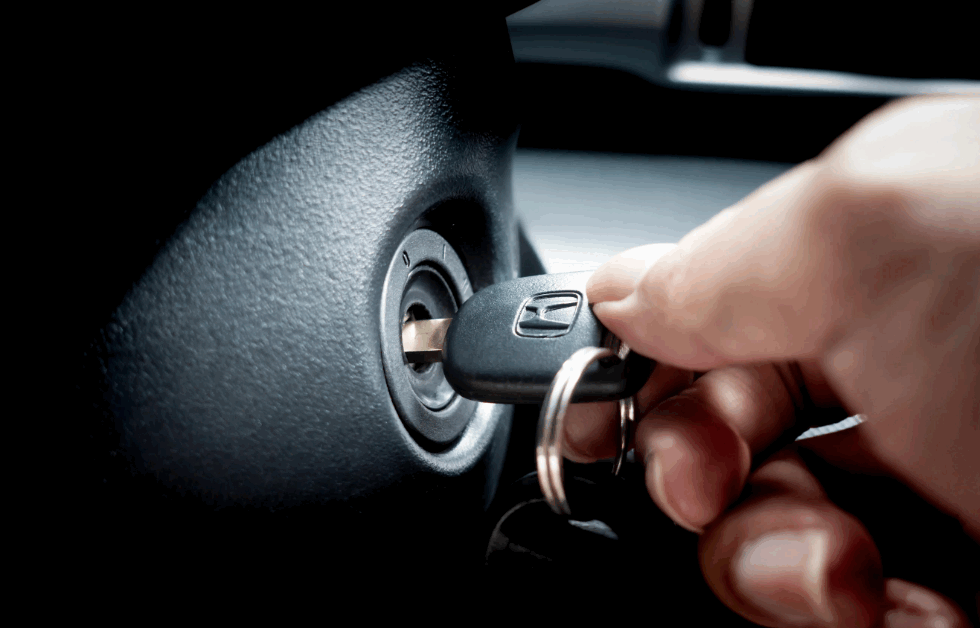
Why Does a Honda Civic Key Get Stuck in the Ignition?
A Honda Civic key usually gets stuck in the ignition when one part of the ignition system stops working correctly. The ignition cylinder, gear selector, steering lock, and shift interlock must work together before the system allows the key to come out. If one component fails or loses alignment, the ignition lock keeps the key in place. Identifying the faulty part helps you solve the problem faster and avoids unnecessary repairs.
The gear selector is one of the most common sources of this issue. The transmission must stay fully in the Park position before the ignition unlocks the key. A worn shift cable or a misaligned shifter can interrupt this process. Even a small amount of movement can prevent the ignition system from recognizing that the vehicle is in Park. Moving the shifter firmly into Park or gently rocking it often reveals whether the transmission causes the problem.
Steering wheel tension can also trap the key inside the ignition. This usually happens after you park with the front wheels turned against a curb or another obstacle. The steering lock places pressure on the ignition cylinder and limits the key’s movement. Turning the steering wheel gently while rotating the key often removes the pressure and restores normal operation.
Wear inside the ignition cylinder creates another common problem. Small locking pins inside the cylinder match the grooves on your key. Over time, both the pins and the key wear down through repeated use. The worn surfaces create extra friction, making the key harder to turn or remove. Many drivers notice sticking, rough movement, or inconsistent operation before the key becomes completely stuck.
Electrical faults can produce similar symptoms. A faulty brake light switch, a failing shift interlock solenoid, or a weak battery can interrupt communication between the transmission and the ignition system. When this happens, the ignition lock continues to hold the key even though the gear selector appears to be in Park. Checking these components first helps you find the real cause and prevents you from replacing parts that still work properly.
How Can You Remove a Stuck Key Without Damaging the Ignition?
Removing a stuck Honda Civic key requires a careful approach. Pulling the key with force rarely solves the problem and often damages the ignition cylinder or bends the key. Instead, inspect the most common causes one by one. This method protects the ignition system and helps you identify the real source of the issue.
Start by checking the gear selector. Make sure the shifter sits firmly in the Park position. If it feels loose, move it into another gear and return it to Park. Then try removing the key again. A worn shift cable or a faulty shift interlock can prevent the ignition system from recognizing the correct gear position, even when the dashboard displays P.
Next, check the steering wheel. If you parked with the wheels turned, the steering lock may place pressure on the ignition cylinder. Hold the steering wheel with one hand and turn it gently in both directions. At the same time, rotate the key toward the Lock position. This simple step often releases the pressure and allows the key to slide out smoothly.
If the key still sticks, inspect the key itself. Look for worn edges, bent sections, or visible damage. A spare key can help confirm whether the original key causes the problem. If the spare key works normally, replacing the worn key usually solves the issue before it damages the ignition cylinder.
Lubrication may also help when dirt or light corrosion creates extra friction inside the lock. Apply a graphite-based lock lubricant or a lubricant designed specifically for ignition cylinders. Insert the key several times to distribute the lubricant evenly. Avoid using excessive amounts of oil-based products because they attract dust and debris. Over time, this buildup can create even more resistance inside the ignition cylinder.
If none of these steps works, stop trying to force the key out. Continued force can break the key inside the cylinder or damage the internal locking pins. At that point, a qualified locksmith or Honda technician can inspect the ignition system and repair the faulty component without causing additional damage.
Which Parts Usually Fail When the Key Won’t Come Out?
Several components can prevent a Honda Civic key from coming out of the ignition. Each part performs a specific function, so the symptoms often point to the source of the problem. Understanding how these components work together makes troubleshooting faster and helps you avoid replacing parts that still function properly.
The ignition cylinder is one of the most common failure points. It contains a series of small pins that match the grooves on the key. Every time you start the engine, these pins move into position before the cylinder turns. Years of daily use gradually wear the pins and the key. As the wear increases, the key may stick, turn roughly, or refuse to return to the Lock position. Many drivers notice these warning signs long before the key becomes trapped.
The shift interlock system also plays an important role. This safety feature allows the ignition system to release the key only after the transmission reaches the Park position. A faulty shift interlock solenoid or a damaged brake light switch can interrupt this process. Even though the dashboard shows Park, the ignition system may still believe the vehicle remains in gear. As a result, it keeps the key inside the ignition.
The ignition switch can create similar symptoms. This electrical component sends signals between the key cylinder, the battery, and the vehicle’s control systems. Internal wear or damaged electrical contacts can prevent the switch from completing its normal cycle. The key may turn normally, but the ignition system may not unlock it after the engine shuts off. Drivers may also notice intermittent starting problems before the key begins to stick.
The gear selector and shift cable deserve attention as well. These components connect the shifter inside the cabin to the transmission. Over time, the cable can stretch, and the linkage can lose its adjustment. When this happens, the shifter may not engage Park completely. The ignition system cannot confirm the correct gear position, so it continues to lock the key in place.
The steering column lock can also contribute to the problem. It locks the steering wheel after you remove the key to help prevent theft. Excessive pressure on the steering wheel can place extra force on the locking mechanism and restrict the key’s movement. Although this problem often disappears after you relieve the pressure, repeated occurrences may indicate wear inside the steering column or ignition assembly.
Can You Drive a Honda Civic If the Key Is Stuck?
Whether you can drive a Honda Civic with a key stuck in the ignition depends on the cause of the problem. In some situations, the engine starts and runs normally even though the key will not come out. In other cases, the same fault can affect the ignition system and create a safety risk. Identifying the cause before driving helps prevent further damage and reduces the chance of an unexpected breakdown.
You can usually continue driving if the key becomes stuck after you turn off the engine and the vehicle operates normally. Minor issues such as steering wheel tension, a worn key, or a slightly misaligned gear selector often affect only the key release mechanism. Although the vehicle may remain drivable, you should repair the problem as soon as possible. Ignoring these early signs often leads to more severe wear inside the ignition system.
You should avoid driving if the key does not rotate smoothly or the ignition switch behaves unpredictably. A failing ignition switch can interrupt electrical power while the engine is running. You may also notice warning lights, accessories that stop working, or difficulty starting the engine. These symptoms suggest that the problem extends beyond the key release mechanism and requires immediate attention.
A faulty shift interlock or transmission linkage can also create safety concerns. If the transmission does not recognize the correct gear position, the vehicle may not shift as expected. The same fault can also prevent the ignition system from releasing the key. Continuing to drive without diagnosing the issue may increase wear on the transmission components and lead to more expensive repairs.
Pay close attention to warning signs that appear before the problem becomes more serious. A key that sticks occasionally, a steering wheel that locks too tightly, or an ignition cylinder that feels rough often indicates gradual wear. Addressing these issues early usually costs less than replacing a damaged ignition cylinder or ignition switch. If the key refuses to turn, the engine stalls unexpectedly, or the ignition system behaves inconsistently, stop driving and arrange for a professional inspection.
How Much Does It Cost to Fix a Honda Civic Key Stuck in the Ignition?
The cost to fix a Honda Civic key stuck in the ignition depends on the failed component and the repair method. Simple issues often require little or no money to resolve, while damaged ignition parts can increase the repair bill. Identifying the exact cause before replacing components helps you avoid unnecessary expenses and ensures that technicians repair the correct part.
A worn or damaged key is usually the least expensive problem to fix. If a spare key works without any issues, cutting and programming a new key often restores normal operation. Cleaning the ignition cylinder or applying a lock lubricant also costs very little when dirt or light corrosion creates extra friction inside the lock.
Repair costs increase when a mechanical component fails. Replacing an ignition cylinder typically costs between $200 and $500, including parts and labor. The final price depends on the Honda Civic model year, local labor rates, and whether the cylinder requires key programming. If technicians replace the ignition switch at the same time, the total repair cost may increase further because the job requires additional parts and installation time.
Electrical faults often fall within a similar price range. Replacing a brake light switch usually costs between $50 and $150, while a new shift interlock solenoid may cost $150 to $350. A damaged shift cable can also require replacement if it no longer moves the transmission into the correct position. Diagnosing the electrical system first helps prevent unnecessary part replacements and reduces the overall repair cost.
Many drivers choose a locksmith before visiting a dealership. An experienced automotive locksmith can often remove a stuck key, repair an ignition cylinder, or replace a damaged key at a lower price. However, a Honda dealership may offer a better solution for newer models with advanced security systems or smart key programming. Comparing repair estimates from both providers helps you balance cost, convenience, and long-term reliability.
How Can You Prevent the Problem From Happening Again?
Regular maintenance is the best way to prevent a Honda Civic key from getting stuck in the ignition. Most ignition problems develop gradually rather than suddenly. Small changes in the way the key turns or the gear selector feels often appear weeks or even months before a complete failure. Paying attention to these early signs allows you to fix minor issues before they become expensive repairs.
Keep your key in good condition because it works directly with the ignition cylinder every time you start the engine. Check the key for worn edges, cracks, or bends if it becomes difficult to insert or remove. Replace a damaged key as soon as possible instead of continuing to use it. A worn key can accelerate wear inside the ignition cylinder and shorten its service life.
Avoid attaching heavy keychains to your car key. Extra weight places constant pressure on the ignition cylinder while you drive. Over time, this pressure increases wear on the cylinder, the ignition switch, and other internal components. Using only the vehicle key or a lightweight key ring helps reduce unnecessary stress on the ignition system.
Maintain the transmission and shifting mechanism according to Honda’s service schedule. A properly adjusted gear selector allows the transmission to engage the Park position completely. If you notice excessive movement in the shifter or difficulty selecting gears, inspect the shift linkage before it affects the ignition system. Early repairs often cost much less than replacing damaged ignition components.
The electrical system also deserves regular attention. Replace a weak battery before it begins to affect vehicle performance. Test the brake lights if you suspect a faulty brake light switch because this component also supports the shift interlock system on many Honda Civic models. Solving small electrical problems early helps the ignition system operate as designed.
Finally, develop good driving habits that reduce unnecessary strain on the ignition system. Bring the vehicle to a complete stop before shifting into Park, avoid forcing the key during removal, and release steering wheel tension before turning off the engine when the front wheels rest against a curb. These simple habits reduce wear on critical components and help keep the ignition system reliable for many years.
Frequently Asked Questions
Why won’t my Honda Civic key turn?
A Honda Civic key may not turn because the steering wheel lock has engaged, the ignition cylinder has worn out, or the key itself has become damaged. A weak battery or a faulty ignition switch can also contribute to the problem. Checking these components in order usually identifies the cause.
Can a dead battery keep the key in the ignition?
Yes. A weak or dead battery can affect the shift interlock system on some Honda Civic models. Without enough electrical power, the ignition system may fail to release the key even when the transmission is in the Park position.
Should I spray WD-40 into the ignition?
No. WD-40 may provide temporary lubrication, but it can attract dust and dirt over time. This buildup increases friction inside the ignition cylinder. A graphite-based lock lubricant or a product designed specifically for ignition locks offers a safer long-term solution.
Should I call a locksmith or a mechanic?
An automotive locksmith is often the best choice if the key becomes stuck because of a worn key or a damaged ignition cylinder. A mechanic or Honda dealership is usually the better option when the problem involves the transmission, ignition switch, or electrical system.
Which Honda Civic model years have this issue most often?
This problem can affect almost any Honda Civic with high mileage. However, owners of older models from the early 2000s and some vehicles produced during the 2006–2015 model years report ignition cylinder and shift interlock wear more frequently because these components experience years of repeated use.
Conclusion
A Honda Civic key stuck in the ignition usually points to a mechanical or electrical issue rather than a single defective part. The gear selector, steering wheel lock, ignition cylinder, shift interlock, and ignition switch all work together to control when the key can enter or leave the ignition. Understanding how these components interact makes troubleshooting faster and reduces the risk of replacing parts unnecessarily.
Most cases begin with minor symptoms such as a key that sticks occasionally or a shifter that does not engage Park smoothly. Addressing these warning signs early often prevents costly repairs and extends the life of the ignition system. Regular maintenance, careful driving habits, and timely replacement of worn components also help reduce the chance of the problem returning.
If the key remains stuck after basic troubleshooting or the ignition system behaves unpredictably, arrange for a professional inspection as soon as possible. A proper diagnosis protects the ignition system, restores reliable vehicle operation, and helps you avoid more extensive repairs in the future.