If you want to turn off Honda Pilot VTM-4, you must first identify the type of warning on your dashboard. Many drivers confuse the VTM-4 Lock mode with the VTM-4 warning light. However, these indicators have different meanings and require different solutions.
The VTM-4 Lock mode activates extra traction for low-speed driving on slippery surfaces. You can turn this mode off by following the correct operating procedure. In contrast, the VTM-4 warning light tells you that the system has detected a fault. Pressing the VTM-4 Lock button will not remove this warning because the control module continues to detect the same problem.
In many Honda Pilot models, the VTM-4 light appears together with the Check Engine Light or the ABS warning light. This combination often points to an engine, transmission, sensor, or electrical problem instead of a failure inside the four-wheel-drive system. Restarting the engine may clear a temporary condition, but the warning usually returns if the fault remains.
This guide explains how to turn off Honda Pilot VTM-4 the right way. It covers the correct reset procedure, the most common causes of the warning light, practical diagnostic steps, and situations that require professional repair. By the end of this article, you will know whether your Honda Pilot needs a simple reset or a complete diagnosis.
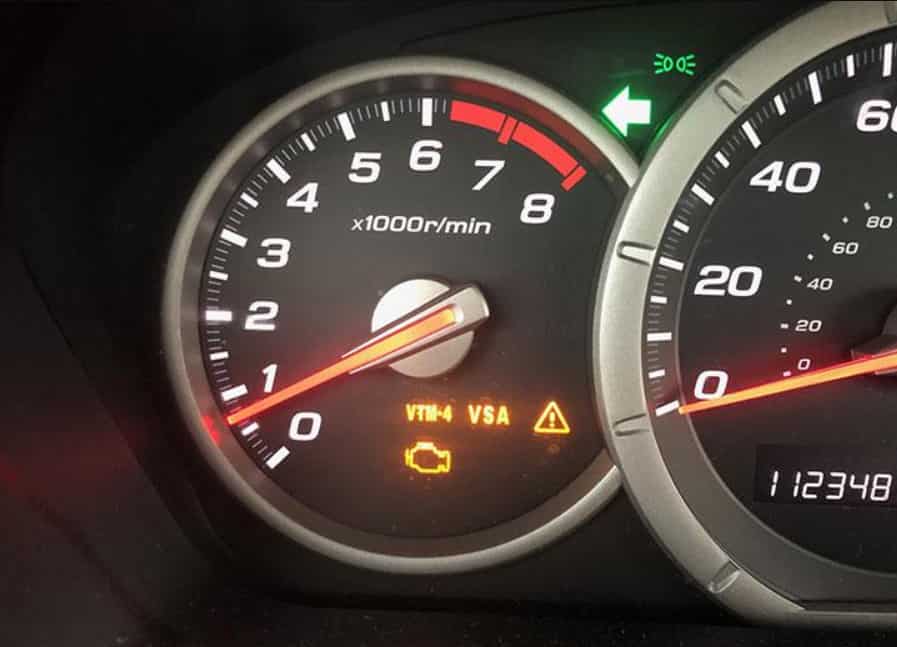
How Do You Turn Off Honda Pilot VTM-4?
You can turn off Honda Pilot VTM-4 only after identifying whether the system is in VTM-4 Lock mode or displaying a VTM-4 warning light. These two conditions look similar on the dashboard, but they require different actions. If you confuse them, you may waste time trying a reset that cannot solve the real problem.
When the VTM-4 Lock mode is active, press the VTM-4 Lock button again to disengage it. The system also exits this mode automatically when the vehicle exceeds its operating speed or no longer meets the required driving conditions. Once the lock mode ends, the indicator turns off and the system returns to normal automatic torque distribution.
A VTM-4 warning light works differently. It appears when the control module detects a problem that affects four wheel drive operation. Common causes include engine faults, transmission issues, wheel speed sensor failures, low system voltage, or communication errors between control modules. The warning remains active because the fault still exists, not because the light itself needs a reset.
Restarting the engine may clear a temporary warning if the condition disappears before the next system check. However, the light usually returns when the control module detects the same fault again. In this situation, scanning the vehicle with a compatible OBD II scanner provides the fastest way to identify the root cause.
Honda does not provide a dashboard switch that permanently disables the VTM-4 system. The VTM-4 Lock button controls only the temporary lock function. It does not turn off the four wheel drive system or erase diagnostic trouble codes. If the warning light stays on after a restart, inspect the vehicle and repair the underlying problem before attempting another reset.
How Can You Identify the Honda Pilot VTM-4 Light?
Identifying the correct VTM-4 indicator is the first step toward fixing the problem. Many Honda Pilot owners assume every VTM-4 light means the same thing. In reality, the dashboard can display different VTM-4 indicators, and each one points to a different operating condition. Understanding the difference helps you choose the correct solution instead of replacing parts unnecessarily.
The VTM-4 Lock indicator appears when you manually activate the lock function for additional traction. Drivers usually use this mode on snow, mud, sand, or other low-traction surfaces. The light should turn off after you press the VTM-4 Lock button again or when the vehicle leaves the operating conditions that support the lock mode. This behavior indicates that the four-wheel-drive system continues to operate normally.
A steady VTM-4 warning light tells you that the control module has detected a fault. The system may reduce or disable torque transfer to protect drivetrain components until you repair the problem. This warning often relates to engine performance, transmission operation, wheel-speed sensors, electrical voltage, or communication between control modules. Unlike the lock indicator, this warning does not disappear simply by pressing the VTM-4 button.
A flashing VTM-4 light usually requires more immediate attention. In many Honda Pilot models, a flashing indicator can mean that the rear differential has become too hot after prolonged wheel spin or heavy traction demand. The safest response is to stop the vehicle in a secure location and allow the drivetrain to cool before continuing your trip. Ignoring this warning may increase drivetrain stress and lead to additional damage.
You should also pay attention to other dashboard warnings. If the VTM-4 light appears with the Check Engine Light, the engine or transmission often causes the problem. If it appears with the ABS or VSA warning light, the fault may involve a wheel-speed sensor or another component shared by multiple safety systems. Identifying every warning light before starting diagnostics helps you find the root cause faster and prevents unnecessary repairs.
How Do You Reset the Honda Pilot VTM-4 Warning Light?
You can reset the Honda Pilot VTM-4 warning light only after confirming that no active fault remains. A temporary warning may disappear after an ignition cycle, but the control module will illuminate the light again if it detects the same problem. Resetting the indicator without diagnosing the cause only hides the symptom for a short time.
Start by parking the vehicle on a level surface and shifting the transmission into Park. Turn off the engine and wait for about one minute so the control modules can complete their shutdown process. Restart the engine and check the dashboard before driving. If the VTM-4 light stays off and no other warning lights appear, the issue may have resulted from a temporary operating condition instead of a mechanical failure.
Drive the vehicle for several minutes under normal road conditions. Monitor the dashboard carefully during the test drive. If the VTM-4 light returns, the system has detected a fault again. In this situation, further resets will not solve the problem because the control module continues to receive abnormal data from one or more components.
The next step is connecting a compatible OBD-II scanner. Read every stored and pending diagnostic trouble code before clearing anything. Engine, transmission, ABS, and four-wheel-drive modules can all contribute to a VTM-4 warning. Recording the codes first preserves valuable diagnostic information and makes troubleshooting much easier. Clearing the codes too early can erase evidence that helps identify the root cause.
Many owners disconnect the battery in an attempt to reset the warning light. This method rarely fixes the problem. It may erase temporary memory, but it also removes diagnostic data and resets several vehicle systems. If the original fault still exists, the VTM-4 light usually returns after the control module completes its next self-check. Repairing the underlying issue remains the only reliable way to keep the warning light off permanently.
Why Does the Honda Pilot VTM-4 Light Stay On?
The Honda Pilot VTM-4 light stays on because the control module has detected a condition that prevents the four-wheel-drive system from operating normally. In most cases, the VTM-4 system is not the actual source of the problem. Instead, it responds to faults in other vehicle systems that affect torque management, traction control, or drivetrain performance.
One of the most common causes is an engine problem. A misfire, throttle body malfunction, ignition failure, or emission-related fault can trigger the Check Engine Light and disable VTM-4 operation at the same time. The control module limits four-wheel-drive assistance because it cannot calculate engine torque accurately. As a result, repairing the engine fault often clears both warning lights without replacing any VTM-4 components.
Transmission problems can also keep the VTM-4 light illuminated. The system relies on accurate transmission data to distribute power between the front and rear wheels. Faults involving shift solenoids, transmission speed sensors, or gear position sensors may interrupt this communication. When that happens, the control module protects the drivetrain by limiting or disabling torque transfer to the rear wheels.
Wheel-speed sensors represent another frequent cause. The VTM-4 system compares wheel speeds to determine when additional traction is necessary. A damaged sensor, contaminated tone ring, loose connector, or broken wiring harness can send incorrect data to the control module. The vehicle may also illuminate the ABS or VSA warning light because these systems share the same sensor information.
Electrical issues often create intermittent VTM-4 warnings. A weak battery, failing alternator, corroded battery terminals, or poor ground connection can reduce system voltage below the required level. Even a brief voltage drop during engine startup may trigger communication errors between control modules. Testing the charging system before replacing expensive drivetrain components can save both time and repair costs.
Rear differential problems should also be considered, especially on higher-mileage vehicles. Low differential fluid, degraded fluid, excessive heat, or internal wear can affect the operation of the four-wheel-drive system. Regular maintenance helps prevent these conditions and reduces the risk of recurring VTM-4 warnings. If the light remains on after repairing other faults, inspecting the rear differential becomes an important part of the diagnostic process.
The fastest way to identify the exact cause is to scan the vehicle for diagnostic trouble codes. The stored codes reveal which module detected the fault and provide a clear starting point for repair. Replacing parts without confirming the codes often leads to unnecessary expenses and does not eliminate the warning light.
What Should You Do When the VTM-4 Light Is Flashing?
A flashing Honda Pilot VTM-4 light requires immediate attention because it usually indicates that the four-wheel-drive system is protecting itself from excessive heat or another abnormal operating condition. Continuing to drive aggressively can increase drivetrain stress and may lead to more expensive repairs. Responding quickly helps protect the rear differential and other critical components.
Reduce your speed as soon as it is safe to do so and avoid sudden acceleration or hard braking. If road conditions allow, pull over in a safe location and shift the transmission into Park. Turn off the engine and allow the drivetrain to cool naturally before restarting the vehicle. This short pause gives the rear differential and related components time to return to a normal operating temperature.
After restarting the engine, check whether the VTM-4 light has disappeared. If the warning remains off and the vehicle drives normally, the flashing light may have resulted from temporary overheating caused by prolonged wheel spin, towing, or driving through deep mud, snow, or sand. Even so, you should continue driving cautiously and monitor the dashboard for any warning lights that return.
If the flashing light appears again after only a short drive, the problem likely extends beyond temporary overheating. A failing wheel-speed sensor, low rear differential fluid, transmission fault, or electrical problem can also trigger repeated warnings. In this situation, driving longer without diagnosis increases the risk of damaging related drivetrain components.
Pay close attention to other symptoms while driving. Grinding noises, vibration, burning smells, fluid leaks, or reduced engine performance often indicate that the vehicle needs immediate inspection. If the Check Engine Light, ABS warning light, or VSA indicator also appears, stop driving as soon as it is safe and arrange a professional diagnosis. Multiple warning lights usually indicate a fault that affects more than one control system.
The safest approach is to scan the vehicle before continuing long trips or towing heavy loads. Diagnostic trouble codes reveal whether the flashing light resulted from temporary operating conditions or an active mechanical or electrical fault. Identifying the root cause early prevents repeated warnings and helps restore normal VTM-4 operation before additional damage occurs.
Can You Drive With the Honda Pilot VTM-4 Light On?
Yes, you can drive with the Honda Pilot VTM-4 light on in some situations, but you should never ignore the warning. The answer depends on how the vehicle behaves and whether other warning lights appear. A steady VTM-4 light often allows limited driving, while a flashing light or multiple dashboard warnings require immediate attention.
If the VTM-4 light stays on by itself and the vehicle drives normally, you can usually continue driving for a short distance to reach a repair shop. The engine should accelerate smoothly, the transmission should shift normally, and the vehicle should not produce unusual noises or vibrations. Even under these conditions, the four-wheel-drive system may not deliver full traction, so you should avoid rough terrain, deep snow, loose gravel, or other low-traction surfaces until the problem is repaired.
The situation becomes more serious when the VTM-4 light appears with the Check Engine Light. This combination often indicates an engine or transmission fault that has disabled normal four-wheel-drive operation. The vehicle may enter a reduced-performance mode to protect critical components. Continuing to drive without diagnosing the underlying fault can increase repair costs and lead to additional drivetrain problems.
You should stop driving as soon as it is safe if the VTM-4 light flashes or if you notice symptoms such as severe vibration, grinding noises, burning smells, fluid leaks, poor acceleration, or transmission slipping. These signs suggest that the drivetrain may be overheating or experiencing a mechanical failure. Driving under these conditions increases the risk of damaging the rear differential, transmission, or other expensive components.
Weather and road conditions also affect your decision. A vehicle with a disabled VTM-4 system can still operate on dry pavement, but it may struggle to maintain traction on wet, icy, or uneven roads. Reduced torque transfer to the rear wheels limits the vehicle’s ability to maintain stability when traction becomes poor. For this reason, delaying repairs becomes much riskier during severe weather or when driving off-road.
The safest approach is to treat the VTM-4 light as an early warning rather than an emergency reset issue. Scan the vehicle for diagnostic trouble codes, identify the root cause, and complete the necessary repair before relying on the four-wheel-drive system again. Taking action early helps prevent secondary damage and restores the Honda Pilot’s normal traction and drivetrain performance.
How Do You Diagnose a Honda Pilot VTM-4 Problem?
Diagnosing a Honda Pilot VTM-4 problem requires a systematic approach instead of replacing parts based on assumptions. The VTM-4 warning light often reflects a fault in another system, so identifying the root cause should always come before clearing any diagnostic codes. Following a logical process reduces repair time and prevents unnecessary expenses.
Begin by observing the dashboard carefully. Determine whether the vehicle displays only the VTM-4 light or additional warnings such as the Check Engine Light, ABS, or VSA indicator. Multiple warning lights usually indicate that the fault affects more than one control module. Recording every warning before starting the diagnosis provides valuable clues about where the problem originated.
Next, perform a basic visual inspection. Check the battery terminals for corrosion and make sure the electrical connections are secure. Inspect the tires to confirm that all four have the correct size, similar tread depth, and proper inflation pressure. Mismatched tires or low system voltage can interfere with the data that the VTM-4 control module uses to manage traction.
The next step is connecting a compatible OBD-II scanner. Read all stored, pending, and history diagnostic trouble codes instead of checking only the engine module. Engine, transmission, ABS, and four-wheel-drive modules can all contribute to a VTM-4 warning. Record the diagnostic codes and freeze-frame data before clearing anything because this information helps identify the exact conditions that triggered the fault.
After retrieving the codes, inspect the components related to the reported fault. A wheel-speed sensor code requires checking the sensor, wiring, and tone ring. A charging-system code calls for testing the battery and alternator. Engine or transmission codes should be repaired before investigating the VTM-4 system because many four-wheel-drive warnings disappear after the primary fault is resolved.
Complete the repair before clearing the diagnostic codes. Once the repair is finished, erase the codes with the scan tool and perform a road test under normal driving conditions. Monitor the dashboard throughout the test drive and scan the vehicle again afterward. If no codes return and the VTM-4 light remains off, the repair has successfully resolved the problem. If the warning reappears, continue diagnosing the remaining codes instead of replacing additional parts without evidence.
How Much Does It Cost to Fix a Honda Pilot VTM-4 Light?
The cost to fix a Honda Pilot VTM-4 light depends on the underlying problem rather than the warning itself. The VTM-4 system monitors several drivetrain and electronic components, so repair costs vary significantly. A simple maintenance service may solve the issue in one vehicle, while another may require extensive engine or transmission repairs. Identifying the root cause before replacing any parts is the most effective way to avoid unnecessary expenses.
Minor repairs usually involve routine maintenance or basic electrical components. Replacing a weak battery, cleaning corroded terminals, correcting low system voltage, or servicing the rear differential fluid often requires less labor than repairing drivetrain components. A damaged wheel speed sensor or a loose electrical connector can also trigger the VTM-4 warning and generally costs much less to repair than an internal mechanical failure.
Moderate repair costs often involve sensors, wiring harnesses, or charging system components. A failing alternator, damaged ABS wiring, or faulty transmission speed sensor requires additional diagnostic work before replacement. These repairs typically take longer because technicians must confirm that the reported fault is the actual cause instead of a secondary symptom created by another system.
Major repairs become necessary when the warning originates from the engine, transmission, rear differential, or an electronic control module. Internal transmission damage, differential wear, or complex communication faults require specialized equipment and experienced technicians. These repairs increase both labor time and parts costs because multiple systems may need inspection, testing, and calibration before the vehicle returns to normal operation.
A professional diagnostic scan is often the most valuable investment before approving any repair. Reading diagnostic trouble codes and inspecting the affected components allows technicians to identify the exact failure instead of relying on guesswork. Spending a small amount on accurate diagnostics can prevent unnecessary part replacements and reduce the overall repair bill.
The best way to control repair costs is to address the warning as soon as it appears. Ignoring the VTM-4 light can allow a minor electrical or sensor problem to develop into a more serious drivetrain issue. Early diagnosis not only reduces repair expenses but also helps maintain the reliability and performance of the Honda Pilot’s four-wheel-drive system.
How Can You Prevent the VTM-4 Light From Returning?
Preventing the Honda Pilot VTM-4 light from returning starts with regular maintenance and early diagnosis. Most recurring VTM-4 warnings develop because small problems remain unresolved for too long. Keeping the vehicle in good mechanical condition reduces the risk of drivetrain faults and helps the four-wheel-drive system operate as designed.
Follow the recommended maintenance schedule for the rear differential and always use the correct Honda-approved fluid. Old or contaminated differential fluid reduces lubrication and increases operating temperature. Over time, excessive heat and friction can affect the performance of the VTM-4 system and trigger warning indicators. Regular fluid replacement helps protect internal components and supports smooth torque distribution.
Keep all four tires in the same size, specification, and similar tread depth. The VTM-4 system continuously compares wheel speeds to determine how much torque each axle needs. A tire with a different rolling diameter can create inaccurate speed readings and confuse the control module. Checking tire pressure regularly also improves traction and prevents unnecessary drivetrain stress.
Maintain a healthy electrical system because the VTM-4 control module depends on stable voltage. Test the battery and charging system during routine service, especially before winter or long road trips. Clean battery terminals and inspect ground connections for corrosion. A strong electrical system improves communication between control modules and reduces the chance of false warning lights.
Address engine, transmission, ABS, and VSA warning lights as soon as they appear. These systems share information with the VTM-4 control module, so a fault in one system can quickly affect another. Repairing the primary problem early often prevents the VTM-4 light from appearing and reduces the likelihood of more expensive repairs later.
Driving habits also influence the long-term reliability of the VTM-4 system. Avoid prolonged wheel spin, aggressive acceleration on slippery surfaces, and unnecessary towing beyond the vehicle’s rated capacity. These conditions generate excessive heat and place additional stress on the drivetrain. Smooth driving and regular maintenance remain the most effective ways to keep the VTM-4 system operating reliably and prevent the warning light from returning.
What Are the Most Common Questions About Honda Pilot VTM-4?
Why Won’t My Honda Pilot VTM-4 Light Turn Off?
The VTM-4 light usually stays on because the control module continues to detect an active fault. Clearing the warning without repairing the underlying problem only provides a temporary result. Once the system completes another self-check, the warning light returns if the fault still exists. Reading the diagnostic trouble codes is the fastest way to identify the affected component and complete the correct repair.
Does the VTM-4 Lock Button Turn Off the Warning Light?
No. The VTM-4 Lock button only controls the temporary lock mode on Honda Pilot models equipped with this feature. It does not erase diagnostic trouble codes or disable the four-wheel-drive system. If a system fault triggers the VTM-4 warning light, pressing the button will not remove the warning because the control module still detects the problem.
Can Disconnecting the Battery Reset the VTM-4 Light?
Disconnecting the battery may erase temporary memory, but it rarely fixes the actual cause of the warning. It can also clear valuable diagnostic information that technicians use during troubleshooting. If the original fault remains, the VTM-4 light usually returns after the vehicle completes its next diagnostic cycle. Scanning the vehicle before disconnecting the battery is the better approach.
Can a Bad Alternator Cause the VTM-4 Light?
Yes. A failing alternator can reduce charging voltage and interrupt communication between electronic control modules. Low voltage may trigger multiple dashboard warnings, including the VTM-4, ABS, and Check Engine lights. Testing the charging system should be part of the diagnostic process whenever several warning lights appear at the same time.
Can a Wheel Speed Sensor Trigger the VTM-4 Warning?
Yes. The VTM-4 system depends on accurate wheel speed information to distribute torque between the front and rear wheels. A damaged sensor, contaminated tone ring, or wiring problem can send incorrect data to the control module. These faults often trigger the ABS and VSA warning lights in addition to the VTM-4 indicator.
Can You Drive Without Fixing the VTM-4 Light?
Driving may be possible if the vehicle operates normally and the warning light remains steady. However, delaying repairs increases the risk of additional drivetrain problems. The vehicle may also lose part of its four-wheel-drive capability, reducing traction on wet, snowy, or uneven roads. Scheduling a diagnostic inspection as soon as possible remains the safest decision.
Do You Need a Honda Dealer to Diagnose a VTM-4 Problem?
Not always. An independent repair shop with a professional scan tool can diagnose most VTM-4 faults. However, some model-specific software updates, control module programming, or advanced electrical repairs may require Honda factory equipment. If the initial diagnosis cannot identify the problem, visiting a Honda dealership is the next logical step.
Conclusion
Turning off the Honda Pilot VTM-4 system begins with understanding why the indicator appears in the first place. A VTM-4 Lock indicator requires a different solution than a VTM-4 warning light, and confusing the two can lead to unnecessary troubleshooting. Identifying the correct indicator allows you to choose the proper reset procedure and avoid replacing parts that are still functioning correctly.
Most VTM-4 warnings originate from engine, transmission, electrical, or sensor-related problems rather than a failure inside the four-wheel-drive system. Performing a complete diagnostic scan before clearing trouble codes helps identify the root cause quickly and reduces unnecessary repair costs. Addressing the original fault also prevents the warning light from returning after a temporary reset.
Regular maintenance remains the best long-term strategy for keeping the VTM-4 system operating reliably. Servicing the rear differential, maintaining a healthy charging system, using matching tires, and repairing dashboard warnings early all contribute to better drivetrain performance. Following these practices helps preserve four-wheel-drive capability and reduces the likelihood of future VTM-4 issues.