A Honda Civic may fail to start because of a weak battery, a damaged electrical connection, a failed starter, a fuel delivery problem, an ignition fault, a sensor failure, an immobilizer issue, or internal engine damage. The fastest way to identify the cause is to determine how the vehicle behaves when you try to start it.
There are four main starting conditions. The engine may not crank at all, crank slowly, crank normally without starting, or start and then shut off. Each condition points to a different group of components. Rapid clicking usually indicates low battery voltage or poor terminal contact. One strong click often points to the starter motor or starter solenoid. Normal cranking without combustion directs the diagnosis toward fuel pressure, ignition spark, sensor signals, engine timing, or compression.
This guide explains 12 common reasons why a Honda Civic is not starting. Each section connects the symptom to the most likely cause, the correct diagnostic check, and the appropriate repair. Start with the simple electrical checks before replacing parts. Stop trying to start the engine when you notice grinding, smoke, a burning smell, fuel leakage, severe knocking, or unusual mechanical resistance because repeated attempts can increase the damage.
Why Is Your Honda Civic Not Starting?
A Honda Civic will not start when one or more systems required for combustion stop working. Every engine needs battery power, a functioning starter, fuel delivery, ignition spark, accurate timing, and sufficient compression. If only one of these systems fails, the engine cannot run. Identifying the failed system is the fastest way to find the correct repair.
Start by observing what happens when you try to start the engine. Does the engine remain silent? Does it crank slowly? Does it crank normally but never start? Some vehicles may even start for a few seconds before stalling. Each condition points to a different group of components. Recognizing these differences prevents unnecessary part replacement and shortens the diagnostic process.
A Honda Civic that does not crank usually has an electrical problem. A weak battery is the most common cause. However, corroded battery terminals, loose ground cables, a faulty starter motor, a failed starter relay, or an immobilizer issue can produce the same symptom. These components control the electrical current that activates the starter motor. If one of them fails, the engine will not begin rotating.
A slow-cranking engine normally indicates low battery voltage or excessive electrical resistance. It may also indicate a worn starter motor that cannot rotate the engine efficiently. When the engine cranks at normal speed but never starts, the diagnosis changes completely. The problem is more likely related to fuel pressure, ignition spark, injector operation, engine sensors, or mechanical timing. These systems determine whether combustion can occur after the crankshaft begins turning.
Always diagnose the symptom before replacing parts. A correct diagnosis saves time, reduces repair costs, and prevents replacing components that are still working properly. Once you identify the starting condition, you can narrow the list of possible causes and perform the correct tests with greater confidence.
What Should You Check First When a Honda Civic Will Not Start?
The first inspection should focus on simple checks that require little time and no special tools. Many starting problems are caused by basic electrical faults rather than expensive mechanical failures. Performing these checks first helps eliminate common causes before moving to advanced diagnostics. It also reduces the risk of replacing parts that are still working correctly.
Begin by turning the ignition on and observing the dashboard. Bright warning lights usually indicate that the battery still has some power, while dim or flickering lights often suggest low voltage. Next, listen carefully when attempting to start the engine. No sound may indicate a problem with the ignition switch, starter relay, or immobilizer. Rapid clicking usually points to a weak battery or poor battery connections. One loud click often suggests the starter solenoid is engaging but the starter motor cannot turn the engine.
After checking the electrical response, inspect the battery terminals for corrosion, loose clamps, or damaged cables. Even a healthy battery cannot deliver enough current through poor connections. If the vehicle has an automatic transmission, confirm that the gear selector is fully engaged in Park. Moving the shifter to Neutral and trying again can help identify a faulty transmission range switch. On manual models, make sure the clutch pedal is fully depressed because the starter circuit will not activate unless the clutch safety switch is engaged.
Finally, verify that the vehicle has fuel and watch for any immobilizer warning light on the instrument cluster. If available, try starting the engine with a spare key. Connecting an OBD-II scanner is also a good next step because stored diagnostic trouble codes can quickly narrow the list of possible faults. Completing these basic inspections provides a clear direction before testing individual components such as the starter motor, fuel pump, ignition system, or engine sensors.
Can a Weak Battery Stop a Honda Civic From Starting?
A weak or discharged battery is the most common reason a Honda Civic will not start. The battery provides the electrical current needed to power the starter motor and engine control module. When voltage drops below the required level, the starter cannot rotate the engine fast enough for combustion to begin. Dashboard lights may still illuminate, but the available power is often insufficient to start the vehicle.
Several warning signs appear before the battery fails completely. Rapid clicking during startup is one of the most common symptoms because the starter relay repeatedly engages as voltage falls. Drivers may also notice slow cranking, dim headlights, flickering dashboard lights, or weak electrical accessories. If the engine starts normally after a jump-start, the battery is usually the first component that should be tested.
Measuring battery voltage is the quickest way to evaluate its condition. A healthy 12-volt battery should read about 12.6 volts with the engine turned off. Readings below 12.4 volts indicate a partial discharge, while anything below 12.0 volts usually requires charging or further testing. During engine cranking, voltage should remain above 9.6 volts. A larger drop often indicates a weak battery or excessive current draw from the starter motor.
Even when electrical accessories continue to operate, the battery may still be unable to start the engine. Headlights, interior lighting, and the infotainment system consume far less current than the starter motor. For that reason, working accessories should never be used as proof that the battery is healthy. Confirming battery condition first helps eliminate the most common cause of a Honda Civic no-start condition and prevents unnecessary parts replacement.
Can Corroded or Loose Battery Connections Cause a No-Start?
Corroded or loose battery connections can prevent a Honda Civic from starting even when the battery is fully charged. The starter motor requires a large amount of electrical current to crank the engine. Any resistance in the battery cables or terminal connections reduces current flow and limits starter performance. As a result, the engine may crank slowly or fail to crank at all.
Common symptoms often resemble those of a weak battery. Drivers may hear rapid clicking when turning the key or pressing the start button. Slow cranking, intermittent starting, and sudden power loss are also common signs. In some cases, the engine starts after the battery cable is moved by hand. This behavior usually indicates a loose terminal or an unstable ground connection rather than a failed battery.
Carefully inspect both battery terminals for white or blue corrosion, damaged cable ends, and loose clamps. Next, examine the ground cable where it connects to the engine or chassis. Dirt, rust, and moisture can create enough resistance to interrupt the starting circuit. Cleaning the terminals with a battery terminal brush and tightening every connection often restores normal operation. If corrosion has spread inside the cable, replacement is usually the safest solution.
Do not replace the battery before checking the connections. A new battery cannot overcome poor electrical contact or a damaged ground cable. Confirming cable condition early in the diagnostic process saves time and prevents unnecessary repairs. Once the battery and its connections are verified, attention can shift to the starter motor and the remaining components in the starting system.
Can a Failed Starter Motor Prevent a Honda Civic From Starting?
A failed starter motor can prevent a Honda Civic from starting even when the battery is fully charged. The starter motor converts electrical energy into mechanical force to rotate the engine during startup. If the motor or starter solenoid fails, the crankshaft will not turn, and combustion cannot begin. This type of failure is more common on high-mileage vehicles because the internal components wear over time.
Several symptoms can help distinguish a faulty starter from a weak battery. A single loud click is one of the most common signs because the starter solenoid receives power but the motor cannot rotate. Bright dashboard lights combined with a no-crank condition also point toward the starter rather than the battery. Some vehicles may start after several attempts, while others fail only when the engine is hot. These symptoms often indicate worn brushes, damaged solenoid contacts, or internal mechanical wear.
Proper testing confirms whether the starter is responsible for the no-start condition. Battery voltage should be verified before inspecting the starter because low voltage can produce similar symptoms. If the battery passes testing, technicians usually measure voltage at the starter terminals during cranking. A normal voltage reading without starter operation strongly suggests an internal starter failure. Current draw testing can also identify excessive electrical resistance or a seized motor.
Avoid replacing the starter without completing the basic electrical checks first. Corroded battery cables, loose ground connections, and a faulty starter relay can produce nearly identical symptoms. Confirming power reaches the starter helps eliminate these possibilities before replacing expensive components. Once the starter circuit has been verified, the repair decision becomes much more accurate and cost-effective.
Can a Blown Fuse or Failed Starter Relay Stop a Honda Civic From Starting?
A blown fuse or failed starter relay can stop a Honda Civic from starting by interrupting the electrical circuit that activates the starter motor. Even with a fully charged battery, the starter cannot operate if power does not reach the control circuit. Although these components are inexpensive, they play a critical role in the starting system. A single electrical failure is enough to leave the engine completely unresponsive.
Drivers often notice a complete no-crank condition when a fuse or relay fails. Pressing the start button or turning the key may produce no sound at all. In some cases, the dashboard lights remain bright, but the starter never engages. Intermittent starting is another common symptom because worn relay contacts may work occasionally before failing completely. These signs can easily be mistaken for a faulty starter motor.
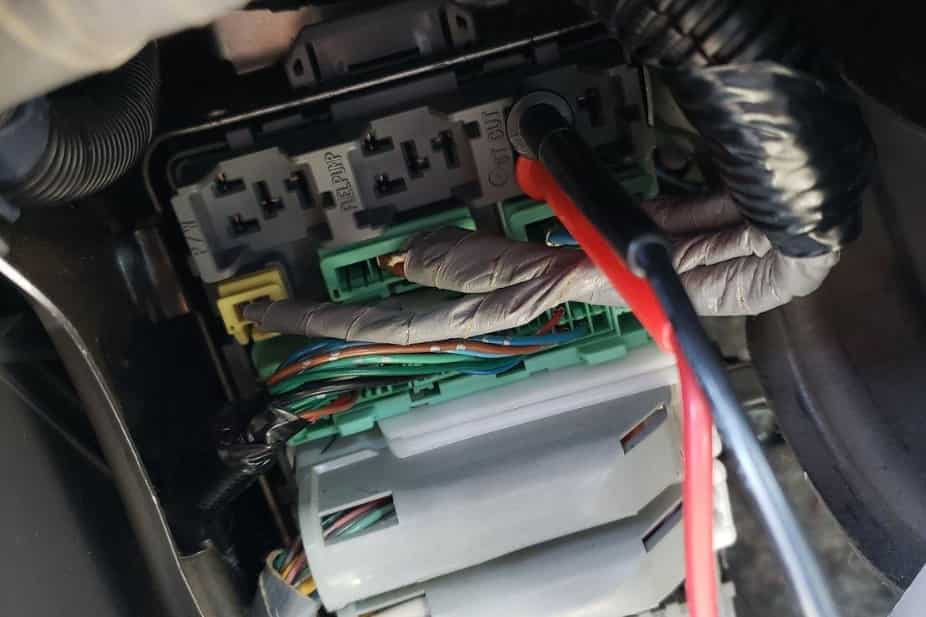
Inspecting the fuse box is the next logical step after confirming battery condition. Locate the starter fuse and check whether the metal strip inside has melted or broken. A continuity test with a multimeter provides a more reliable result than a visual inspection alone. If the fuse is intact, test the starter relay by swapping it with another relay of the same specification or by measuring voltage across the control terminals. Power reaching the relay without leaving it usually indicates an internal relay failure.
Replacing a blown fuse without identifying the underlying cause is rarely a permanent solution. Electrical shorts, damaged wiring, or excessive current draw can cause the new fuse to fail again. Confirming the condition of the fuse, relay, and surrounding wiring helps prevent repeated electrical problems. Once these components have been verified, attention should shift to the ignition switch, safety interlocks, or the starter motor itself if the engine still refuses to crank.
Can the Ignition Switch or Push-Button Start System Fail?
A faulty ignition switch or push-button start system can prevent a Honda Civic from starting even when the battery and starter are in good condition. These components control the signal that activates the starting circuit. If the signal is interrupted, the starter motor will not engage, and the engine will remain off. Electrical wear, damaged switches, or communication faults are common causes of this problem.
Symptoms vary depending on the type of starting system. A vehicle with a traditional ignition key may show no response when the key is turned. Models equipped with a push-button start system may display a warning message or fail to respond when the Start button is pressed. In some cases, the dashboard lights and accessories operate normally, but the engine never cranks. An intermittent no-start condition is another common sign because worn electrical contacts may fail only under certain conditions.
Before replacing the ignition switch, verify that all safety requirements have been met. Automatic models must be fully shifted into Park, while manual models require the clutch pedal to be completely depressed. Push-button start systems also depend on the brake pedal switch and key recognition system before sending a start command. A fault in any of these inputs can interrupt the starting sequence even though the ignition switch itself is working correctly.
Accurate diagnosis requires checking the entire starting control circuit rather than a single component. Scan tools can detect communication faults between the ignition system and the engine control module on many Honda Civic models. Voltage testing at the ignition switch and starter control circuit also helps confirm whether the start signal is reaching the relay. Completing these tests before replacing parts reduces repair costs and helps identify the true cause of the no-start condition.
Can a Key Fob or Immobilizer Problem Stop a Honda Civic From Starting?
A key fob or immobilizer problem can prevent a Honda Civic from starting by blocking communication between the key and the engine control system. Modern Honda Civic models use an immobilizer to verify that an authorized key is present before allowing the engine to start. If the system cannot recognize the key, it disables the fuel or ignition system to prevent unauthorized vehicle operation. As a result, the engine may crank without starting or fail to respond altogether.
Several warning signs can help identify an immobilizer-related fault. A flashing key indicator on the instrument cluster is one of the most common symptoms. Some push-button start models display a message stating that the key cannot be detected. Drivers may also notice that the engine starts normally with a spare key but refuses to start with the original one. These symptoms often indicate a weak key fob battery, a damaged transponder chip, or poor communication between the key and the immobilizer receiver.
Checking the key is the simplest way to begin the diagnosis. Replace the key fob battery if it has not been changed for several years because a weak battery can reduce the operating range. Next, try a spare programmed key if one is available. If the spare key starts the engine without difficulty, the original key likely requires repair or reprogramming. When neither key works, the problem may involve the immobilizer antenna, wiring, or the vehicle’s security control module.
Avoid assuming the immobilizer is responsible simply because the engine will not start. Battery problems, starter faults, and fuel system failures can produce similar symptoms. Confirming the warning indicators and testing a spare key provide valuable diagnostic evidence before replacing expensive electronic components. A systematic inspection helps identify the actual fault and prevents unnecessary repairs.
Can the Park or Neutral Safety Switch Cause a No-Start?
A faulty Park or Neutral safety switch can prevent a Honda Civic from starting by blocking the starter circuit. Automatic transmission models require the driver to place the gear selector in Park or Neutral before the starter motor can engage. This safety feature prevents unexpected vehicle movement during startup. When the switch sends the wrong signal, the starter never receives permission to operate even though the battery and starter motor remain in good condition.
Drivers can often recognize this problem from its behavior. The engine may refuse to crank in Park but start immediately after shifting into Neutral. Some vehicles also develop intermittent starting problems because the switch wears over time. Others display an incorrect gear position on the instrument cluster. These symptoms strongly suggest a problem with the transmission range switch or the shift linkage.
Start the inspection by moving the gear selector firmly into Park. Next, shift to Neutral and try starting the engine again. If the engine starts only in Neutral, inspect the safety switch before replacing any other component. A scan tool can confirm whether the transmission control module detects the correct gear position. This test quickly identifies electrical faults that a visual inspection cannot reveal.
Do not replace the battery or starter motor until you verify the safety switch. Many technicians overlook this component because it fails less often than the battery or starter. However, a worn switch can interrupt the entire starting sequence. Checking its operation early saves diagnostic time and helps avoid unnecessary repair costs.
Can a Failed Fuel Pump Cause a Honda Civic to Crank but Not Start?
A failed fuel pump can cause a Honda Civic to crank normally without starting. The fuel pump delivers pressurized fuel from the tank to the fuel injectors. Without enough pressure, the injectors cannot supply the correct amount of fuel to the engine. As a result, combustion never begins even though the starter motor turns the engine at normal speed.
Several symptoms can point to a fuel delivery problem. The engine may crank for several seconds without firing. It may also hesitate before starting or stall unexpectedly while driving. Many drivers notice that the fuel pump no longer produces its normal humming sound when they switch the ignition on. Although this symptom is common, silence alone does not confirm pump failure because a faulty relay, blown fuse, or damaged wiring can also prevent pump operation.
Begin the diagnosis by checking the fuel level and listening for the fuel pump during the first few seconds after turning the ignition on. Next, measure fuel pressure with a fuel pressure gauge and compare the result with Honda’s specifications. If pressure is below the recommended range, inspect the fuel pump fuse, relay, and electrical connector before replacing the pump itself. A scan tool can also reveal fault codes or live data that indicate problems within the fuel delivery system.
Avoid replacing the fuel pump based on symptoms alone. A clogged fuel filter, restricted fuel line, failed fuel pressure regulator, or faulty injector circuit can produce nearly identical results. Confirming fuel pressure before replacing components helps identify the actual fault and reduces unnecessary repair costs. Once the fuel system passes inspection, the next step is to verify ignition spark and engine sensor operation.
Can Bad Spark Plugs or Ignition Coils Stop a Honda Civic From Starting?
Bad spark plugs or failing ignition coils can prevent a Honda Civic from starting because they cannot ignite the air-fuel mixture inside the cylinders. The ignition system creates the spark required for combustion after the fuel injectors deliver fuel into the engine. When that spark becomes weak or disappears completely, the engine may crank normally but never start. Ignition problems often develop gradually before causing a complete no-start condition.
Several warning signs usually appear before the engine stops starting altogether. Drivers may notice rough idling, engine misfires, poor acceleration, or reduced fuel economy. The check engine light often turns on because the engine control module detects repeated misfires. As the problem becomes more severe, the engine may crank normally without firing. A strong fuel smell from the exhaust can also indicate that fuel enters the cylinders but fails to ignite.
Start the diagnosis by checking for spark at one or more cylinders with the proper testing equipment. Next, inspect the spark plugs for heavy carbon deposits, worn electrodes, oil contamination, or physical damage. Examine the ignition coils for cracks, moisture, or signs of overheating. A scan tool can also identify misfire codes that point toward a specific cylinder. These inspections help determine whether the fault lies in the spark plugs, ignition coils, or another part of the ignition system.
Do not assume every no-start condition results from failed spark plugs or ignition coils. A faulty crankshaft position sensor, damaged wiring, or an engine control module problem can also eliminate spark. Confirming spark output before replacing parts leads to a faster and more accurate diagnosis. Once the ignition system passes inspection, the next step is to evaluate engine timing, sensor signals, and compression.
Can a Crankshaft or Camshaft Sensor Cause a Honda Civic No-Start?
A faulty crankshaft or camshaft position sensor can prevent a Honda Civic from starting because the engine control module relies on these sensors to control fuel injection and ignition timing. The crankshaft sensor tracks engine speed and crankshaft position, while the camshaft sensor identifies valve timing. If either sensor stops sending accurate data, the engine control module cannot synchronize combustion. The engine may crank normally, but it will not start.
Several symptoms usually appear before complete sensor failure. The engine may stall without warning and restart after cooling down. Some drivers experience long cranking times, rough starting, or intermittent no-start conditions. The check engine light often illuminates when the engine control module detects missing or inconsistent sensor signals. In many cases, the tachometer remains at zero during cranking because the control module cannot detect engine speed.
Begin the diagnosis by scanning the vehicle for diagnostic trouble codes and reviewing live engine data. Check whether the scan tool displays engine RPM while the starter turns the engine. A missing RPM signal often indicates a crankshaft sensor problem or a damaged sensor circuit. Next, inspect the sensor connectors and wiring for corrosion, loose terminals, or physical damage. Repairing a damaged wire may solve the problem without replacing the sensor.
Do not replace a crankshaft or camshaft sensor based only on a stored fault code. Wiring faults, poor electrical connections, and timing-related problems can trigger similar codes. Always confirm sensor operation before installing new parts. A complete diagnosis reduces repair costs and prevents replacing components that still function correctly.
Can Fuel Contamination or Injector Failure Prevent Starting?
Contaminated fuel or failed fuel injectors can prevent a Honda Civic from starting because the engine cannot receive the correct fuel supply for combustion. Fuel injectors spray a precise amount of fuel into each cylinder at the right time. Contaminated gasoline, clogged injectors, or electrical injector faults can interrupt this process. The engine may crank normally, but it cannot produce combustion without the proper air-fuel mixture.
Several symptoms can indicate a fuel quality or injector problem. The engine may become difficult to start immediately after refueling. Long cranking, rough idling, hesitation, or repeated stalling often appear before a complete no-start condition. Some drivers also notice a strong fuel smell because unburned fuel remains inside the cylinders. In severe cases, the engine may not respond at all despite normal cranking speed.
Start the inspection by considering recent fueling history. Poor-quality fuel or the wrong type of fuel can trigger starting problems within a short time. Next, check fuel pressure and verify that the injectors receive electrical pulses from the engine control module. A noid light or scan tool can confirm injector operation without removing any components. If injector pulse is present, inspect the injectors for clogging or internal failure before replacing other fuel system parts.
Do not assume contaminated fuel or faulty injectors are the only possible causes of a crank-no-start condition. Low fuel pressure, ignition failure, or incorrect sensor data can create nearly identical symptoms. Confirming injector operation and fuel quality helps narrow the diagnosis and prevents unnecessary repairs. Once the fuel delivery system passes inspection, the final step is to evaluate engine compression and mechanical timing.
Can Low Compression or Incorrect Timing Cause a Honda Civic Not to Start?
Low engine compression or incorrect valve timing can prevent a Honda Civic from starting because the engine cannot generate the pressure required for combustion. Compression allows the air-fuel mixture to ignite efficiently inside each cylinder. At the same time, the timing system ensures the valves open and close at the correct moment. If either condition fails, the engine may crank normally but never produce enough combustion to start.
Mechanical problems often create noticeable warning signs before complete failure occurs. Drivers may hear the engine crank faster than usual because the cylinders no longer build normal compression. Others experience rough running, loss of power, repeated misfires, or unexpected stalling before the no-start condition develops. A stretched timing chain, a slipped timing component, burned valves, or worn piston rings can all produce these symptoms. Severe engine overheating may also damage internal components and reduce compression.
Begin the diagnosis with a compression test on every cylinder. Similar readings across all cylinders usually indicate a healthy mechanical condition, while consistently low readings suggest an internal engine problem. If compression is low, perform a leak-down test to locate the source of the pressure loss. Next, inspect valve timing if the engine history includes abnormal noises, overheating, or recent timing system repairs. These tests help identify whether the problem involves the timing components, cylinder head, valves, or piston assembly.
Avoid repeated starting attempts when you suspect a mechanical failure. Continuing to crank the engine can increase internal damage, especially if the timing system has slipped or broken. Confirming compression and valve timing early allows technicians to identify major engine problems before replacing electrical or fuel system components unnecessarily. A complete mechanical inspection provides the final step in diagnosing a Honda Civic that cranks but refuses to start.
How Can You Diagnose a Honda Civic That Will Not Start Step by Step?
Diagnosing a Honda Civic that will not start becomes much easier when you follow a logical sequence instead of replacing parts at random. Every no-start condition results from a failure in the electrical system, fuel system, ignition system, engine management system, or internal engine components. Checking each system in the correct order helps eliminate simple problems first and reduces unnecessary repair costs.
Start by verifying the battery condition and inspecting the battery terminals. Measure battery voltage with a multimeter and confirm that all cable connections are clean and secure. Next, observe how the engine responds when you turn the key or press the Start button. A no-crank condition usually points to the battery, starter circuit, ignition switch, immobilizer, or safety switch. A slow-crank condition often indicates low voltage or excessive resistance. If the engine cranks normally but never starts, shift your attention to the fuel and ignition systems.
Continue the inspection by scanning the vehicle for diagnostic trouble codes. Review live data to confirm that the engine control module receives crankshaft speed, camshaft position, and other essential sensor signals. Then verify fuel pressure, injector pulse, and ignition spark with the appropriate test equipment. If these systems operate correctly, perform a compression test and inspect valve timing. This approach allows you to rule out electrical and fuel-related faults before investigating internal engine damage.
Always complete one diagnostic step before moving to the next. Skipping basic inspections often leads to incorrect conclusions and unnecessary parts replacement. A structured diagnosis saves time, lowers repair costs, and improves the chances of identifying the actual cause during the first inspection. Once the fault has been confirmed, you can repair the affected component with greater confidence and restore reliable engine starting.
Why Does a Honda Civic Have Power but Still Not Start?
A Honda Civic can have electrical power and still fail to start because the starter motor requires much more current than the vehicle’s electronic accessories. The dashboard, radio, and interior lights consume relatively little electricity. In contrast, the starter motor needs a high current to rotate the engine. A battery that powers the lights may still lack enough capacity to crank the engine.
Several faults can produce this condition. A weak battery remains the most common cause even when the dashboard appears normal. Corroded battery terminals, loose ground cables, and damaged battery cables can also restrict current flow to the starter motor. In some cases, the battery operates normally, but a faulty starter motor, starter relay, or ignition switch prevents the engine from cranking. Push-button start models may also refuse to start if the immobilizer cannot verify the key or the brake switch fails to send the correct signal.
Begin the diagnosis by measuring battery voltage instead of relying on the dashboard lights. Next, inspect the battery terminals and ground connections for corrosion or loose clamps. Listen carefully while attempting to start the engine because the sound often reveals the next diagnostic step. Rapid clicking usually indicates low voltage, while a single click often points to the starter motor. No sound at all may suggest a relay, ignition switch, or immobilizer problem.
Avoid assuming that working electrical accessories confirm a healthy battery. Many drivers replace the starter motor before testing the battery under load. Others install a new battery without checking the cable connections. A complete electrical inspection identifies the actual fault, reduces repair costs, and prevents unnecessary parts replacement.
Why Does a Honda Civic Click but Not Start?
A clicking sound during startup usually indicates that the starter circuit is receiving power but cannot crank the engine. The type of clicking noise provides valuable clues about the underlying problem. Identifying the sound correctly helps narrow the diagnosis before replacing any components. Most clicking noises relate to the battery, starter motor, or electrical connections rather than the engine itself.
Rapid clicking almost always points to low battery voltage. The starter relay repeatedly engages and disengages because the battery cannot supply enough current to keep the starter motor operating. Corroded battery terminals and loose ground cables can create the same symptom by increasing electrical resistance. Checking battery voltage and inspecting every cable connection should always be the first diagnostic step.
A single loud click usually indicates a different problem. The starter solenoid receives the start signal, but the starter motor fails to rotate the engine. Internal starter wear, damaged solenoid contacts, or a seized starter motor commonly cause this condition. Less frequently, a locked engine or damaged flywheel prevents the starter from turning. Measuring voltage at the starter during cranking helps determine whether the fault lies in the starter or another part of the electrical system.
Do not ignore a clicking sound even if the vehicle eventually starts. Intermittent electrical faults often become more severe over time and may leave the vehicle stranded without warning. Confirming battery condition, cable integrity, and starter operation early prevents unexpected breakdowns and reduces unnecessary repair costs. Once these components pass inspection, continue diagnosing the ignition system, fuel delivery, or engine management system if the engine still does not start.
Why Does a Honda Civic Crank but Not Start?
A Honda Civic that cranks but does not start usually has a problem with fuel delivery, ignition, engine timing, or compression. The starter motor has already completed its job by rotating the engine. The remaining systems must now work together to create combustion. If one system fails, the engine continues to crank without running.
Fuel delivery should be the first system to inspect. The fuel pump must build enough pressure to supply the injectors, and each injector must deliver the correct amount of fuel into the cylinders. Low fuel pressure, clogged injectors, contaminated gasoline, or a failed fuel pump can interrupt this process. Many vehicles also store diagnostic trouble codes when the fuel system develops a fault, making an OBD-II scan an important early step.
The ignition system deserves equal attention during diagnosis. Worn spark plugs, failed ignition coils, or damaged wiring can eliminate the spark needed to ignite the air-fuel mixture. Engine management sensors also play a critical role. A faulty crankshaft position sensor or camshaft position sensor may prevent the engine control module from triggering fuel injection and ignition at the correct time. Checking for spark and reviewing live sensor data helps isolate these faults before replacing components.
Mechanical problems become the next priority after the fuel and ignition systems pass inspection. Low compression, incorrect valve timing, or internal engine damage can prevent combustion even when fuel and spark are present. A compression test and leak-down test provide reliable evidence of the engine’s mechanical condition. Following this diagnostic order helps eliminate simple faults first, reduces repair costs, and improves the accuracy of the final diagnosis.
How Much Does It Cost to Fix a Honda Civic That Will Not Start?
The cost to fix a Honda Civic that will not start depends entirely on the failed component and the complexity of the repair. Simple electrical problems often require inexpensive parts, while internal engine damage can lead to major repair expenses. An accurate diagnosis should always come before replacing any components. Identifying the root cause first prevents unnecessary labor charges and avoids replacing parts that still function correctly.
Minor repairs usually involve the battery, battery terminals, starter relay, or key fob battery. Cleaning corroded battery terminals costs very little and often restores normal operation. Replacing a battery or starter relay also ranks among the most affordable repairs. If the problem involves a worn starter motor, ignition switch, crankshaft position sensor, or fuel pump, both parts and labor increase the total cost because technicians must remove additional components during the repair process.
Major mechanical failures produce the highest repair bills. A stretched timing chain, damaged cylinder head, bent valves, or severe engine wear requires extensive labor and specialized equipment. In some situations, repairing an older Honda Civic may cost more than the vehicle’s market value. Comparing repair estimates with the overall condition of the vehicle helps owners decide whether repair or replacement offers the better long-term value.
Avoid approving expensive repairs until the technician completes a full diagnostic inspection. Many no-start conditions result from simple electrical faults that resemble major mechanical failures. Request a written diagnosis and ask which tests confirmed the failed component before authorizing repairs. This approach helps control repair costs, improves confidence in the recommended solution, and reduces the risk of paying for unnecessary parts or labor.
When Should You Call a Mechanic or Roadside Assistance?
Some Honda Civic starting problems require professional assistance because further troubleshooting may increase the risk of damage or create a safety hazard. Basic checks such as inspecting the battery, verifying the fuel level, or scanning for fault codes are safe for most drivers. However, certain symptoms indicate that the vehicle needs specialized equipment or immediate attention. Recognizing these warning signs helps prevent costly repairs and reduces the chance of becoming stranded.
Call roadside assistance if the engine refuses to start after a successful jump-start attempt or if repeated starting attempts produce the same result. Grinding noises, burning smells, smoke, or visible fuel leaks also require immediate attention. Continuing to crank the engine under these conditions may damage the starter motor, electrical wiring, or internal engine components. Stop the inspection and arrange professional service as soon as possible.
Professional diagnosis becomes even more important when the problem involves the immobilizer system, engine control module, or internal engine components. These systems require advanced scan tools and specialized testing procedures that most vehicle owners do not have. Low compression, incorrect valve timing, and intermittent sensor failures also demand accurate measurements before technicians can recommend the correct repair. Guessing the cause often leads to unnecessary parts replacement and higher repair costs.
Do not delay professional repairs if the vehicle stalls repeatedly, loses power while driving, or displays multiple warning lights before the no-start condition occurs. These symptoms often indicate a developing mechanical or electrical failure rather than a simple battery problem. Seeking professional help at the right time protects the vehicle from additional damage and increases the likelihood of a successful repair on the first visit.
How Can You Prevent Honda Civic Starting Problems?
Regular maintenance is the best way to prevent a Honda Civic from developing unexpected starting problems. Most no-start conditions begin as small electrical or mechanical issues that worsen over time. Detecting these problems early reduces repair costs and improves vehicle reliability. A preventive maintenance routine also lowers the risk of being stranded by a sudden starting failure.
Battery maintenance should remain the highest priority because the battery powers the entire starting system. Test the battery before extreme summer or winter temperatures and replace it when it no longer meets the recommended specifications. Keep the battery terminals clean and tighten the cable connections during routine inspections. Corrosion and loose terminals can reduce current flow long before they prevent the engine from starting.
Follow Honda’s maintenance schedule for the ignition and fuel systems. Replace spark plugs at the recommended service interval and investigate engine misfires as soon as they appear. Pay attention to warning lights because they often identify developing problems before they become serious. Scanning the vehicle for diagnostic trouble codes after a warning light appears can reveal hidden faults that are not yet noticeable during normal driving.
Driving habits also influence the health of the starting system. Avoid leaving lights or electrical accessories on after shutting off the engine because they can discharge the battery. If the vehicle remains parked for several weeks, use a battery maintainer to preserve battery capacity. Address slow cranking, intermittent starting, or unusual noises immediately instead of waiting for a complete failure. Taking these simple precautions helps extend the life of the battery, starter, ignition system, and other components that support reliable engine starting.
What Are the Most Common Questions About Honda Civic Starting Problems?
Can a Honda Civic Have Working Lights but a Dead Battery?
Yes. This situation is more common than many drivers expect. Headlights, interior lights, and the infotainment system require far less electrical current than the starter motor. A battery may still power these accessories while lacking the high current needed to crank the engine. Always test battery voltage and perform a load test before assuming the battery is in good condition.
Will a Honda Civic Start With a Dead Key Fob Battery?
It depends on the model year and starting system. Many Honda Civic models include an emergency starting procedure that allows the vehicle to detect the key even when the key fob battery is weak. If the vehicle still does not recognize the key, replace the battery and try a spare programmed key before diagnosing the immobilizer system.
Can a Bad Alternator Cause a Honda Civic Not to Start?
Yes, but the alternator usually causes the problem indirectly. The alternator recharges the battery while the engine is running. If it fails, the battery gradually loses its charge until it can no longer start the engine. Drivers often notice a battery warning light, dim headlights, or repeated battery failures before the vehicle develops a no-start condition.
Why Does a Honda Civic Start in Neutral but Not in Park?
This symptom usually indicates a worn Park or Neutral safety switch or a transmission range switch that no longer detects the correct gear position. The starter circuit only activates after the control system confirms that the transmission is in a safe position. If the engine starts in Neutral but not in Park, inspect the safety switch before replacing the battery or starter motor.
Can Cold Weather Stop a Honda Civic From Starting?
Yes. Low temperatures reduce battery performance and increase engine oil viscosity, making the engine harder to crank. Cold weather also exposes weak batteries that performed normally during warmer months. Testing the battery before winter and replacing an aging battery can prevent many cold-weather starting problems.
Can an OBD-II Scanner Identify Every Starting Problem?
No. An OBD-II scanner identifies many electrical and engine management faults, but it cannot detect every no-start condition. Mechanical problems such as low compression, incorrect valve timing, or poor battery connections may not generate diagnostic trouble codes. Combine scan tool data with voltage testing, fuel pressure testing, spark testing, and compression testing to reach an accurate diagnosis.
Conclusion
A Honda Civic that will not start does not always indicate a major mechanical failure. In many cases, the problem begins with a weak battery, poor electrical connections, a faulty starter, or another component within the starting system. Identifying whether the engine does not crank, cranks slowly, or cranks without starting provides the fastest path to an accurate diagnosis. This simple observation helps narrow the list of possible causes before more advanced testing begins.
Following a structured diagnostic process also reduces unnecessary repairs. Start with the battery, cables, and starter circuit before moving to the fuel system, ignition system, engine sensors, and mechanical components. Confirm each fault with the appropriate test instead of replacing parts based on symptoms alone. This approach saves time, lowers repair costs, and increases the likelihood of fixing the problem on the first attempt.
Routine maintenance remains the most effective way to avoid unexpected starting problems. Regular battery testing, clean electrical connections, timely spark plug replacement, and prompt attention to warning lights all improve long-term reliability. If basic inspections do not identify the cause or the vehicle shows signs of a serious mechanical failure, seek professional diagnosis as soon as possible. A systematic approach protects your Honda Civic from additional damage and helps restore reliable starting performance with confidence.