Honda Odyssey VCM Disable helps owners prevent the Variable Cylinder Management system from deactivating engine cylinders during driving. Honda created VCM technology for its J35 V6 engines to improve fuel efficiency. The system saves fuel by running fewer cylinders when the engine does not need full power.
Some Honda Odyssey owners disable VCM because they want more consistent engine operation. They also want to reduce concerns related to cylinder deactivation. These concerns include oil consumption, spark plug fouling, engine vibration, and long term reliability.
VCM disable devices such as VCM Muzzler and VCM Tuner change the signals that control the cylinder deactivation process. The engine then continues running with all cylinders active. These devices do not increase horsepower. They change how the engine manages cylinder operation.
This guide explains how Honda Odyssey VCM Disable works and why owners consider this modification. It covers the benefits, risks, fuel economy effects, and maintenance considerations. Understanding VCM technology helps Honda Odyssey owners choose the right approach for engine reliability and long term ownership.
What Is VCM on a Honda Odyssey and How Does It Work?
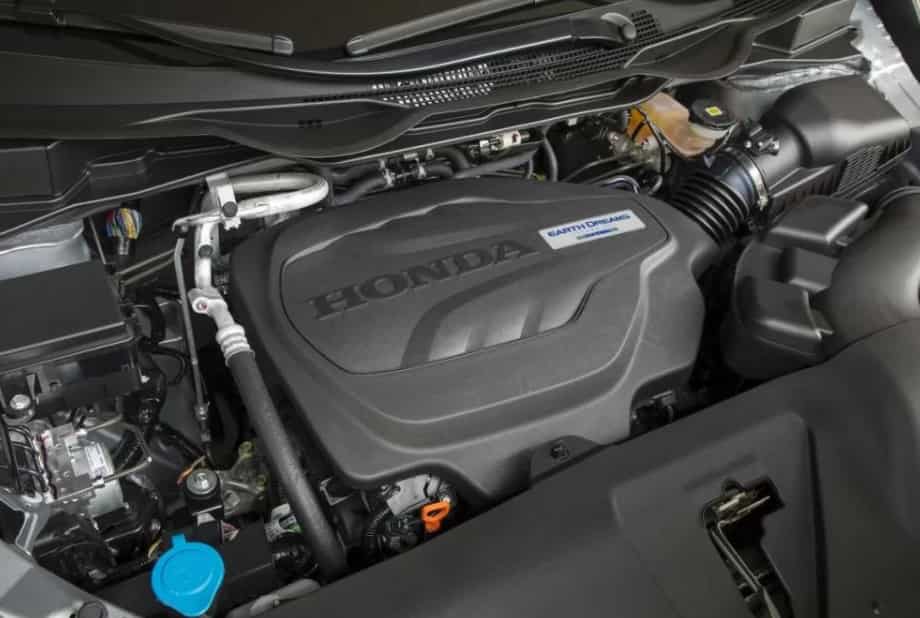
Honda Odyssey VCM, or Variable Cylinder Management, is a cylinder deactivation system that changes how the J35 V6 engine operates. The system allows the engine to run on fewer cylinders during low load conditions. Honda designed VCM to improve fuel efficiency without reducing the vehicle’s ability to produce power when needed.
The Honda J35 V6 engine normally uses all six cylinders during acceleration, towing, or high speed driving. When the vehicle cruises at a steady speed, the engine control unit can deactivate specific cylinders. This process reduces fuel injection and lowers pumping losses. The engine then uses less fuel because it does not need to operate every cylinder continuously.
VCM works through communication between the engine control unit, fuel injectors, valve control system, and other engine components. The ECU monitors driving conditions such as throttle position, vehicle speed, and engine load. When conditions meet the required parameters, the system changes cylinder operation to improve efficiency.
Honda introduced VCM because larger V6 engines consume more fuel than smaller engines during light driving conditions. Cylinder deactivation allows a V6 engine to provide strong performance while achieving better fuel economy during highway cruising. This technology appears in several Honda vehicles that use J35 engine variants, including different generations of the Honda Odyssey, Honda Pilot, and Honda Ridgeline.
The main purpose of VCM is fuel efficiency, not performance improvement. The system does not create additional horsepower or torque. Instead, it changes engine operation based on driving demand. This difference explains why some Honda Odyssey owners evaluate VCM from a reliability perspective rather than a performance perspective.
Why Do Honda Odyssey Owners Disable VCM?
Honda Odyssey owners disable VCM because they want to reduce potential reliability concerns linked to cylinder deactivation. The VCM system improves fuel economy, but some owners believe continuous switching between active and inactive cylinders can create unwanted engine conditions over time. These concerns are especially common among owners of high mileage Honda Odyssey models with J35 V6 engines.
One major reason owners consider VCM Disable is oil consumption. Some Honda J35 engines with VCM have reported increased oil usage during long term operation. The concern comes from the difference in cylinder operation when VCM activates and deactivates. Changes in combustion conditions can affect oil control, piston ring performance, and internal engine deposits.
Another reason involves spark plug fouling and misfire concerns. When certain cylinders remain inactive during specific driving conditions, combustion patterns can change between cylinders. Some owners report uneven spark plug wear, carbon buildup, or ignition issues that require additional maintenance. However, VCM does not automatically cause these problems in every Honda Odyssey.
Engine vibration is another concern among some owners. VCM changes the number of active cylinders, which can affect engine balance during operation. Honda uses active engine mounts and control systems to reduce these effects, but some drivers still notice vibration or changes in engine feel when the system activates.
Many owners choose VCM Disable as a preventive maintenance approach rather than a repair solution. The modification does not fix existing mechanical damage, worn components, or neglected maintenance. Instead, it prevents the engine from entering cylinder deactivation mode and helps owners maintain more consistent engine operation.
The decision to disable VCM depends on the vehicle condition, driving habits, and owner priorities. Drivers who prioritize maximum fuel economy may keep the system active. Owners who focus on long term reliability may consider VCM Disable as part of their maintenance strategy.
How Does Honda Odyssey VCM Disable Work?
Honda Odyssey VCM Disable works by preventing the Variable Cylinder Management system from entering cylinder deactivation mode. The modification changes how the engine control system receives and interprets operating information. As a result, the engine continues running with all six cylinders active during normal driving conditions.
Most VCM Disable devices connect to existing vehicle sensors and adjust the signals sent to the ECU. The engine computer uses these signals to decide when it should activate or deactivate cylinders. When the ECU receives modified information, it keeps the VCM system from meeting the conditions required for cylinder deactivation.
A VCM Muzzler is one of the most common solutions used by Honda Odyssey owners. This device modifies temperature related signals, usually from the engine coolant temperature sensor, to influence VCM activation. The ECU then assumes that cylinder deactivation conditions have not been reached and keeps all cylinders operating.
A VCM Tuner uses a more advanced approach by providing additional control over the signals sent to the ECU. Some VCM Tuner systems allow owners to adjust settings based on vehicle conditions and personal preferences. This gives users more control compared with simpler plug in solutions.
ECU tuning provides another method for disabling VCM. This approach changes the software instructions inside the engine computer instead of using an external device. Professional tuning can offer precise control, but it usually requires specialized equipment and technical knowledge.
VCM Disable does not remove the physical components of the VCM system. It changes the conditions that activate the system. The engine, cylinders, and internal components remain unchanged. The main difference is that the engine operates with a consistent six cylinder configuration instead of switching between different cylinder modes.
Understanding this mechanism helps Honda Odyssey owners choose the correct solution. A quality VCM Disable device should match the vehicle model, engine type, and owner’s maintenance goals. Poor installation or incorrect equipment selection can create unnecessary problems.
What Are the Benefits of Disabling VCM on Honda Odyssey?
Disabling VCM on a Honda Odyssey can provide several potential benefits related to engine consistency and long term reliability. The main advantage is that the engine operates with all six cylinders active instead of switching between different cylinder configurations. This creates a more consistent combustion process during daily driving.
One important benefit is reduced cylinder deactivation activity. When VCM remains inactive, the engine does not repeatedly change between six cylinder and reduced cylinder operation. This can reduce the number of operating changes inside the engine and may help maintain more stable combustion conditions.
VCM Disable can also help some owners manage oil consumption concerns. Cylinder deactivation changes how individual cylinders operate during certain driving conditions. By keeping all cylinders active, VCM Disable may reduce conditions that contribute to oil control issues in some engines. However, it cannot repair damaged piston rings, worn engine components, or existing mechanical problems.
Another potential benefit is improved driving consistency. Some Honda Odyssey owners report smoother engine behavior after disabling VCM. The engine maintains the same operating pattern during acceleration, cruising, and normal traffic conditions. This can create a more predictable driving experience, especially for owners who notice vibration or changes when VCM activates.
VCM Disable may also support long term maintenance planning. Owners who choose this modification often combine it with regular oil changes, spark plug inspections, and engine monitoring. The modification works as a preventive approach rather than a replacement for proper maintenance.
The benefits of VCM Disable depend on the condition of the vehicle and the owner’s priorities. Drivers who want maximum fuel economy may prefer keeping VCM active. Drivers who prioritize engine consistency and reliability may consider disabling VCM as a practical option.
What Are the Risks of Honda Odyssey VCM Disable?
Honda Odyssey VCM Disable can provide reliability benefits, but it also creates several trade-offs that owners should understand before making a modification. The main risks involve fuel economy changes, warranty considerations, and choosing an unsuitable device or installation method. A proper evaluation requires comparing the benefits with the original purpose of the VCM system.
The most noticeable effect is reduced fuel efficiency. Honda designed Variable Cylinder Management to lower fuel consumption during light engine loads. When VCM remains disabled, the engine continues operating with all six cylinders active. This increases fuel usage because the engine burns fuel in more cylinders during conditions where fewer cylinders would normally be sufficient.
The fuel economy difference depends on driving habits, road conditions, and vehicle usage. Highway drivers may notice a larger change because VCM operates more frequently during steady cruising. City drivers may experience a smaller difference because frequent acceleration already requires more cylinder activity.
Another consideration is vehicle warranty coverage. Some manufacturers may not cover problems related to aftermarket modifications. Honda Odyssey owners should review their warranty terms before installing any VCM Disable device. A reversible plug in solution may provide more flexibility than permanent engine computer changes.
Device quality and installation accuracy also affect the results. A poorly designed VCM Disable device can send incorrect signals to the ECU and create unwanted engine behavior. Owners should choose products designed specifically for their Honda Odyssey model and follow proper installation procedures.
VCM Disable also has limitations. It does not solve existing engine problems such as worn piston rings, damaged components, or poor maintenance history. If an engine already has excessive oil consumption or mechanical damage, disabling VCM will not restore engine condition.
The decision to disable VCM depends on the owner’s goals. Drivers who value maximum fuel economy may prefer the factory VCM system. Owners who prioritize consistent engine operation and long term reliability may accept the fuel economy trade off associated with VCM Disable.
Does Honda Odyssey VCM Disable Affect Fuel Economy?
Honda Odyssey VCM Disable affects fuel economy because it prevents the engine from using cylinder deactivation during low load driving conditions. The original purpose of Variable Cylinder Management is to reduce fuel consumption by allowing the J35 V6 engine to operate with fewer active cylinders when full power is unnecessary.
When VCM works normally, the engine can switch between different operating modes based on driving conditions. During highway cruising or steady speed driving, the system may deactivate selected cylinders to reduce fuel use. After disabling VCM, the engine continues operating with all cylinders active, which requires more fuel during these conditions.
The actual fuel economy difference varies depending on driving habits, vehicle condition, and environment. A Honda Odyssey used mainly for city driving may experience a smaller change because frequent acceleration already requires more engine power. A vehicle used for long highway trips may show a more noticeable difference because VCM activates more often during steady cruising.
Fuel economy is one of the main trade offs of VCM Disable. Owners exchange some potential fuel savings for a more consistent engine operating pattern. This decision depends on whether the owner values maximum efficiency or prefers to reduce concerns related to cylinder deactivation.
VCM Disable does not transform the Honda Odyssey into a high performance vehicle. The modification does not increase horsepower or torque. Its primary purpose is to change engine operation by keeping the J35 V6 in a consistent six cylinder mode.
For many owners, the fuel economy difference is acceptable because they prioritize long term ownership costs and engine reliability. However, drivers who focus on minimizing fuel expenses may prefer the factory VCM system. Evaluating annual mileage, driving conditions, and maintenance goals helps determine whether VCM Disable is the right choice.
Is Honda Odyssey VCM Disable Worth It?
Honda Odyssey VCM Disable is worth considering for owners who prioritize engine consistency and long term reliability over maximum fuel efficiency. The value of this modification depends on the vehicle’s condition, driving habits, and the owner’s maintenance goals. It is not a required upgrade for every Honda Odyssey, but it can be a practical choice for specific situations.
High mileage Honda Odyssey owners are one group that often considers VCM Disable. Vehicles with extensive mileage experience more operating cycles, and owners may want to reduce additional variables that affect engine behavior. Keeping the J35 V6 engine in a consistent six cylinder mode can provide a simpler operating pattern for long term ownership.
Owners who already experience possible VCM related concerns may also consider disabling the system. Symptoms such as increased oil consumption, spark plug fouling, engine vibration, or inconsistent engine operation can encourage drivers to investigate VCM solutions. However, proper diagnosis remains important because these symptoms can also come from other engine problems.
Newer Honda Odyssey owners without any VCM related concerns may choose to keep the factory system active. Honda designed VCM to improve efficiency, and a properly functioning system can provide fuel economy benefits without immediate reliability issues. Disabling VCM on a healthy vehicle requires accepting a potential fuel economy trade off.
The decision depends on the owner’s priority. Drivers who want the lowest possible fuel consumption may prefer the original VCM system. Drivers who want predictable engine operation and preventive reliability measures may find VCM Disable more suitable.
A good approach is to evaluate the vehicle history, maintenance records, and ownership plans before making a modification. VCM Disable works best as part of a broader maintenance strategy rather than as a solution applied without understanding the vehicle’s condition.
How Should You Maintain a Honda Odyssey After Disabling VCM?
Maintaining a Honda Odyssey after disabling VCM requires consistent engine care and regular inspections. VCM Disable changes how the engine operates, but it does not remove the need for proper maintenance. The Honda J35 V6 engine still depends on clean oil, healthy ignition components, and correct service intervals to maintain reliability.
Regular oil changes are one of the most important maintenance steps after disabling VCM. Engine oil protects internal components, controls friction, and helps prevent excessive wear. Owners should follow the recommended oil change schedule based on driving conditions, mileage, and oil quality. Vehicles that experience heavy traffic, frequent short trips, or high mileage may require more frequent oil service.
Spark plug inspection is another important maintenance step. Spark plugs directly affect combustion efficiency and engine performance. Checking spark plug condition helps identify problems such as carbon buildup, uneven wear, or ignition issues before they become larger repairs. Replacing worn spark plugs at the correct interval supports smoother engine operation.
Monitoring engine performance also helps owners identify early warning signs. Changes such as unusual vibration, rough idle, reduced fuel economy, or increased oil consumption should receive attention. VCM Disable may prevent cylinder deactivation, but it cannot prevent problems caused by worn components or poor maintenance.
Cooling system maintenance also remains essential for Honda Odyssey models with the J35 engine. The engine relies on stable operating temperatures for proper performance. Regular coolant inspections, radiator checks, and cooling system services help protect the engine from overheating and temperature related damage.
VCM Disable works best when combined with responsible vehicle ownership. A well maintained Honda Odyssey can provide long service life regardless of whether the owner keeps VCM active or disables it. The modification should support a complete maintenance strategy rather than replace basic engine care.
Conclusion: Should You Disable VCM on Your Honda Odyssey?
Honda Odyssey VCM Disable is a decision based on ownership priorities, vehicle condition, and long term maintenance goals. The modification provides a way to keep the J35 V6 engine operating with all cylinders active, which some owners prefer because they want a more consistent engine operation pattern.
VCM Disable can be a suitable option for owners who focus on preventive maintenance, high mileage reliability, or reducing concerns related to cylinder deactivation. It may help address specific VCM related concerns, but it does not repair existing mechanical problems or replace proper engine service.
Owners should evaluate the condition of their Honda Odyssey before making a decision. A vehicle with a healthy engine and no VCM related symptoms may continue using the factory system. A high mileage vehicle or one with concerns related to oil consumption, vibration, or cylinder deactivation behavior may benefit from further evaluation.
The best solution depends on balancing fuel efficiency and reliability goals. Keeping VCM active maintains Honda’s original fuel saving design. Disabling VCM creates a simpler engine operating pattern by keeping all cylinders active.
Understanding how Variable Cylinder Management works allows Honda Odyssey owners to make an informed decision. VCM Disable is not a universal requirement, but it remains a practical option for owners who prioritize consistent engine behavior and long term ownership confidence.