How long can a Honda Civic truly last? Many owners choose the Civic because of its reputation for reliability, fuel efficiency, and long term durability. However, even one of the most dependable compact cars requires proper care to maintain its performance. Following the correct Honda Civic Service Schedule is one of the most effective ways to prevent unexpected repairs and keep your vehicle running smoothly for years.
Regular maintenance does more than protect your engine. It helps improve fuel economy, maintain driving comfort, preserve resale value, and reduce the risk of expensive mechanical problems. Missing important service intervals can lead to issues such as poor engine performance, transmission problems, worn components, and higher ownership costs.
The Honda Civic Service Schedule is designed around mileage, driving conditions, and vehicle usage patterns. From routine oil changes and tire rotations to major services at higher mileage milestones, each maintenance step plays an important role in extending your Civic’s lifespan.
In this complete guide, you will discover the Honda Civic maintenance schedule by mileage and year, including recommended service intervals, common maintenance costs, and essential tips to help your Civic remain reliable beyond 100,000 miles.
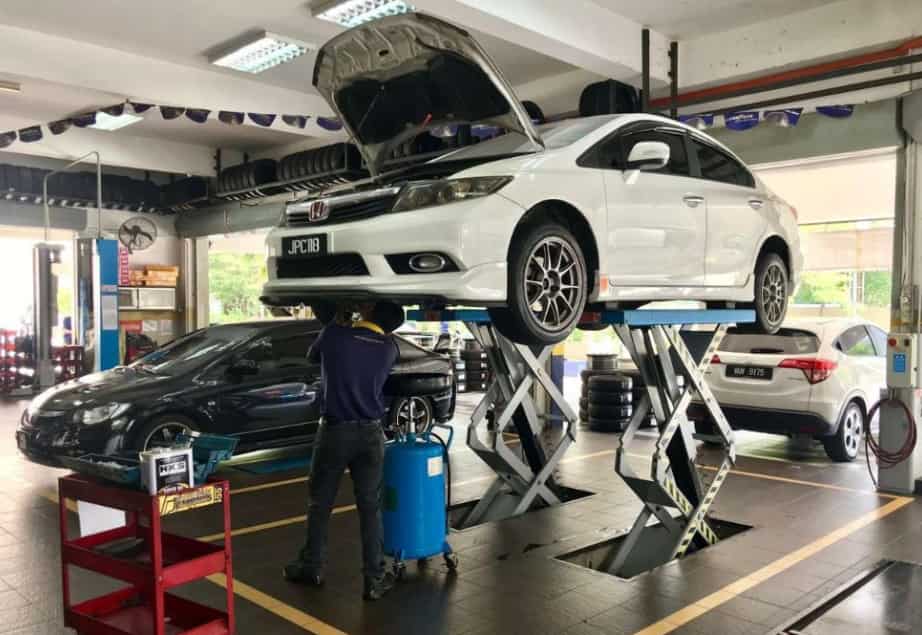
Understanding the Honda Civic Service Schedule and Why It Matters
The Honda Civic Service Schedule helps owners maintain their vehicles with a clear and practical maintenance plan. It shows drivers when they should complete important services and inspections. Following this schedule helps a Civic deliver consistent performance over many years.
Many factors affect vehicle maintenance. Mileage plays an important role, but it is not the only factor. Driving habits, road conditions, and climate also influence service needs. A Civic that operates in heavy traffic may need more attention than one that mostly travels on open roads.
Honda provides the Maintenance Minder system to help drivers track service requirements. This system monitors engine oil life and driving conditions. It then alerts owners when their vehicles need specific maintenance. Drivers can use these reminders to avoid missed services and reduce potential repair costs.
Regular maintenance protects key vehicle components. Oil changes help the engine run smoothly. Transmission service supports reliable gear operation. Routine inspections help owners find small problems before they become expensive repairs.
A well planned maintenance routine also improves ownership value. It can support better fuel efficiency, stronger reliability, and higher resale value. These benefits make regular servicing an important part of Honda Civic ownership.
Understanding the Honda Civic Service Schedule allows owners to take better care of their cars. Whether a Civic is new or has high mileage, proper maintenance helps the vehicle remain dependable for many years.
Honda Civic Service Schedule by Mileage: 5,000 to 30,000 Miles
The first maintenance milestones play an important role in protecting your Honda Civic. During the early stages of ownership, regular service helps the engine, tires, brakes, and other components maintain their best condition. Following the Honda Civic Service Schedule from the beginning can prevent small issues from becoming expensive repairs.
At around 5,000 miles, most Honda Civic owners should check essential maintenance items. An oil change helps protect the engine and maintain smooth performance. Tire rotation promotes even tire wear and improves tire lifespan. Technicians should also inspect the brakes, fluid levels, and general vehicle condition.
When the Civic reaches 10,000 to 15,000 miles, owners should continue routine inspections and replace filters when necessary. The cabin air filter helps maintain clean airflow inside the vehicle. The engine air filter supports efficient engine operation. Regular inspections can also identify early signs of wear in the suspension and braking systems.
The 30,000 mile service represents an important maintenance point for many Honda Civic models. At this stage, owners should inspect major systems and review previous service history. Technicians may check the transmission fluid, brake components, filters, and other essential parts. Some vehicles may require additional services depending on the model year and driving conditions.
Following these early maintenance intervals helps preserve the Civic’s reliability. Consistent care improves performance, reduces repair risks, and supports long term ownership satisfaction. A simple service routine during the first 30,000 miles creates a strong foundation for future vehicle health.
Honda Civic Major Maintenance Schedule at 60,000 Miles
The 60,000 mile service is one of the most important stages in the Honda Civic Service Schedule. At this mileage, several vehicle components require closer attention. Proper maintenance at this point helps protect the engine, transmission, and safety systems for many more miles.
Transmission service becomes a key priority during this maintenance interval. Many Honda Civic models use a continuously variable transmission, also known as a CVT. Regular transmission fluid changes help maintain smooth operation and reduce unnecessary wear. Ignoring this service can lead to poor performance and expensive transmission repairs.
Spark plug replacement also plays an important role at this stage. Worn spark plugs can affect engine performance, fuel efficiency, and driving comfort. Installing new spark plugs helps the engine maintain proper combustion and deliver consistent power.
Brake system inspections become increasingly important as mileage increases. Technicians should check brake pads, brake rotors, and brake fluid condition. These inspections help maintain safe stopping performance and identify components that may need replacement.
The cooling system also requires attention during major maintenance. Checking coolant levels and inspecting related components helps protect the engine from overheating. A healthy cooling system supports reliable performance in different driving conditions.
Completing the 60,000 mile service helps prevent long term mechanical problems. Honda Civic owners who follow this maintenance milestone can enjoy better reliability and lower repair costs over time. This service interval represents an investment in the vehicle’s future performance and durability.
Honda Civic Service Schedule at 100,000 Miles and Beyond
Reaching 100,000 miles is a major achievement for any Honda Civic owner. However, high mileage vehicles need more attention to maintain their reliability and performance. The Honda Civic Service Schedule at this stage focuses on replacing aging components and preventing future mechanical issues.
At 100,000 miles, owners should review important maintenance records and inspect major vehicle systems. Spark plugs often require replacement to maintain efficient combustion. Fresh coolant helps protect the engine cooling system. Transmission fluid service can support smoother operation and reduce wear on internal components.
Drivers should also inspect parts that experience regular stress over time. These components may include engine mounts, suspension parts, belts, hoses, and the vehicle battery. Replacing worn components before failure can prevent unexpected breakdowns and costly repairs.
Beyond 100,000 miles, consistent maintenance becomes even more important. Older Honda Civic models can continue delivering reliable performance when owners follow recommended service intervals. Regular inspections allow technicians to identify developing problems before they affect daily driving.
Many Honda Civic vehicles can reach 200,000 miles or more with proper care. The key is maintaining a consistent routine and addressing small issues early. High mileage does not automatically mean a vehicle has reached the end of its life. With the right maintenance approach, a Honda Civic can remain dependable, efficient, and enjoyable to drive for many years.
Honda Civic Service Schedule by Model Year
The Honda Civic Service Schedule can vary depending on the model year, engine type, and vehicle technology. While Honda Civic models share many maintenance principles, newer generations often include updated systems that require specific care. Understanding these differences helps owners follow the right maintenance plan for their vehicles.
Honda Civic models from 2016 to 2021 introduced several modern features, including turbocharged engines and advanced CVT systems. These vehicles benefit from regular oil changes, transmission fluid service, and scheduled inspections. Owners should pay close attention to the Maintenance Minder system because it provides service reminders based on actual driving conditions.
The 2022 to 2025 Honda Civic models feature updated designs, improved technology, and more efficient powertrain options. Some models also include hybrid systems that require additional considerations. Hybrid owners should follow recommended inspections for battery systems and related components while maintaining regular services such as oil changes and tire care.
Each Honda Civic generation has unique maintenance requirements. Factors such as engine configuration, transmission type, driving environment, and annual mileage can affect service timing. A Civic used for daily commuting may require a different maintenance approach compared with a vehicle used for long highway trips.
Checking the correct Honda Civic Service Schedule for your specific model year helps prevent unnecessary repairs and keeps the vehicle operating efficiently. By following manufacturer recommendations and maintaining accurate service records, owners can protect their investment and enjoy reliable performance throughout the vehicle’s lifespan.
Honda Civic Maintenance Cost: Expected Expenses Over Time
Understanding Honda Civic maintenance costs helps owners plan their vehicle budget and avoid unexpected expenses. While the Civic has a strong reputation for reliability, every vehicle requires regular service to maintain performance and safety. Following the Honda Civic Service Schedule can reduce long term ownership costs and prevent major repairs.
Routine maintenance usually represents the most common expenses for Civic owners. These services include oil changes, tire rotations, filter replacements, and general inspections. Completing these tasks on time helps protect important vehicle systems and improves overall driving efficiency.
As mileage increases, owners should prepare for medium level maintenance costs. Services such as brake repairs, battery replacement, transmission fluid changes, and tire replacement may become necessary. The exact cost depends on the vehicle condition, driving habits, and service provider.
High mileage Honda Civic models may require additional repairs. Suspension components, cooling system parts, and other aging components can wear over time. Addressing these issues early can help owners avoid larger repair bills in the future.
Compared with many compact vehicles, the Honda Civic usually offers reasonable maintenance costs and strong long term value. However, skipping recommended services can increase expenses and reduce reliability. A consistent maintenance routine allows owners to control costs while keeping their vehicles in good condition.
By understanding expected Honda Civic maintenance costs, drivers can make better decisions about repairs and service planning. Regular care not only protects the vehicle but also helps maintain its performance and resale value over time.
Common Honda Civic Maintenance Mistakes That Reduce Vehicle Lifespan
Even reliable vehicles like the Honda Civic can develop problems when owners ignore basic maintenance. Many expensive repairs happen because drivers delay simple services or overlook early warning signs. Following the Honda Civic Service Schedule helps prevent these common mistakes and protects long term vehicle performance.
One of the most common mistakes is delaying oil changes. Engine oil reduces friction and protects internal components during operation. Old or low quality oil can increase engine wear and affect overall performance. Regular oil service helps the engine run smoothly and efficiently.
Another mistake involves ignoring transmission maintenance. Many Honda Civic models use CVT transmissions that require proper fluid care. Skipping transmission service can affect shifting performance and increase the risk of costly repairs.
Some owners also ignore dashboard warnings or unusual vehicle symptoms. Strange noises, reduced fuel efficiency, or changes in driving performance may indicate developing problems. Addressing these signs early often prevents larger mechanical failures.
Using incorrect fluids or unsuitable replacement parts can also affect vehicle reliability. Honda Civic models require proper specifications to maintain optimal performance. Choosing the right products helps protect important systems and supports long term durability.
Many drivers believe that older vehicles need less attention, but the opposite is often true. High mileage Honda Civic models need consistent inspections and timely repairs. Avoiding these maintenance mistakes allows owners to extend vehicle lifespan, reduce repair costs, and maintain a safer driving experience.
Final Honda Civic Maintenance Checklist for Long Term Reliability
Maintaining a Honda Civic requires consistency, attention, and a clear understanding of essential service intervals. A proper Honda Civic Service Schedule helps owners protect their vehicles and avoid unexpected repair costs. Regular maintenance also supports better performance, improved safety, and stronger resale value.
The most important step is tracking your vehicle’s mileage and service history. Keeping accurate records helps you understand when your Civic needs routine maintenance or major inspections. Owners should follow recommended intervals for oil changes, tire rotations, fluid services, and component inspections.
Paying attention to the Honda Maintenance Minder system is also essential. These reminders help drivers complete important services at the right time. Ignoring maintenance alerts can lead to unnecessary wear and higher repair expenses.
Long term reliability also depends on addressing small problems early. Checking unusual sounds, warning lights, and changes in driving performance can help prevent serious mechanical issues. Regular professional inspections provide additional confidence, especially for older Honda Civic models with higher mileage.
A well maintained Honda Civic can provide reliable transportation for many years. Whether you drive a newer model or a high mileage Civic, following the correct maintenance plan remains one of the best ways to protect your investment.
If your Honda Civic is approaching a major service milestone, review your current maintenance records and schedule the necessary inspections. Proper care today can help your Civic deliver dependable performance well into the future.