Choosing between Star Tron and Sta-Bil depends on how you use your vehicle. Both products treat gasoline and help protect fuel during storage. However, each product serves different fuel treatment needs.
Your driving habits should guide the choice. A daily driven car needs fuel treatment for regular use. A vehicle that sits for months needs stronger focus on fuel storage. Ethanol blended gasoline adds another concern. Moisture and fuel degradation can affect gasoline during storage.
This guide compares Star Tron vs Sta-Bil across several important factors. These factors include fuel storage, ethanol blended gasoline, regular driving, treatment ratios, and vehicle applications. The comparison also examines the limits of each product.
There is no single winner for every driver. The better choice depends on your fuel, storage period, and vehicle use. This comparison will help you choose the fuel stabilizer that fits your specific situation.
What Is the Difference Between Star Tron and Sta-Bil?
Star Tron and Sta-Bil both treat gasoline, but they focus on different fuel care needs. Star Tron works as a fuel treatment and stabilizer that targets fuel quality, moisture, ethanol related problems, and fuel system cleanliness. Sta-Bil offers several formulas that target specific needs, including fuel storage and regular fuel protection.
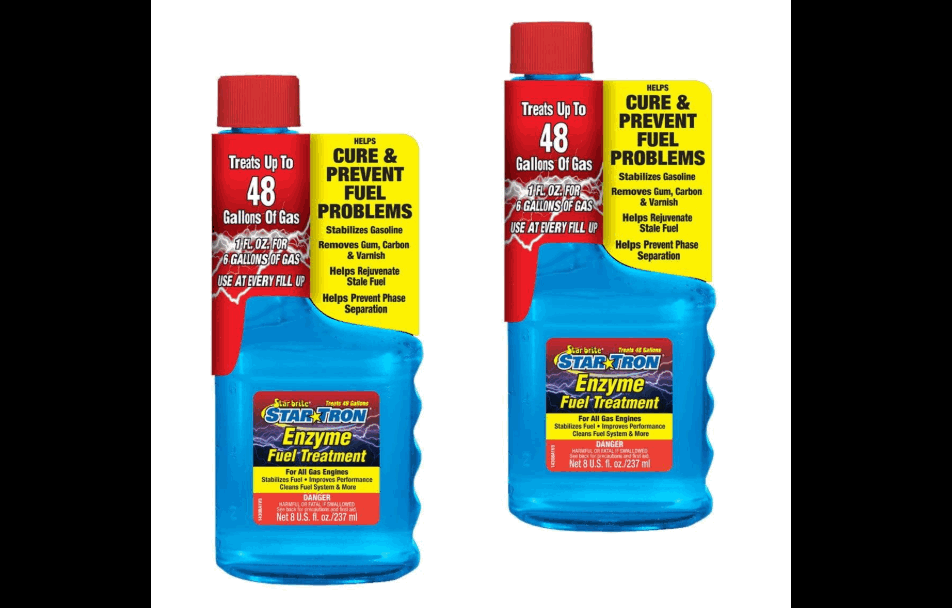
Star Tron uses enzyme technology in its fuel treatment formulas. The product aims to keep fuel stable and reduce problems linked to fuel degradation. It also targets gum, varnish, and carbon buildup. Star Tron also addresses moisture in ethanol blended gasoline. The product can disperse water into very small droplets and help prevent phase separation.
Sta-Bil takes a more product specific approach. Its Storage formula focuses on long term fuel storage. It helps prevent gum and varnish while keeping stored gasoline usable for longer periods. Sta-Bil also offers formulas for regular fuel protection. These products target different needs than a dedicated storage formula.
The main difference comes down to how you plan to use the fuel treatment. Star Tron combines fuel treatment and stabilization in one product. Sta-Bil provides different formulas for different fuel care situations. This distinction matters when you choose a product for your car.
For a vehicle that sits for several months, a storage focused formula deserves more attention. For a regularly driven vehicle, a treatment designed for ongoing fuel protection may fit better. Your fuel type, driving pattern, and storage period should guide the final choice.
Is Star Tron or Sta-Bil Better for Long Term Fuel Storage?
For long term fuel storage, Sta-Bil Storage has a more direct storage focused purpose. The product targets gasoline that will sit unused for an extended period. Star Tron also stabilizes fuel and supports fuel quality during storage. The better choice depends on the storage conditions and the specific formula you use.
Fuel changes as it sits in a tank. Gasoline can lose volatility over time. Gum and varnish can also develop as fuel components break down. These changes can affect engine starting and fuel system performance. A fuel stabilizer helps slow these problems during storage.
Sta-Bil Storage focuses specifically on long term gasoline storage. The manufacturer states that the product can keep fuel fresh for up to 24 months when users follow the recommended treatment and storage conditions. This makes Sta-Bil Storage a direct option for vehicles that remain unused for months.
Star Tron also targets fuel stabilization during storage. Its gasoline formula helps maintain fuel quality and addresses problems associated with moisture, gum, varnish, and ethanol blended gasoline. This broader treatment approach can suit drivers who want fuel treatment that also supports regular fuel system care.
The storage period also matters. A car that sits for a few weeks has different needs from a car that stays parked throughout an entire winter. Fresh gasoline provides a better starting point for storage. Adding the correct amount of stabilizer before storage also gives the treatment time to mix throughout the fuel system.
Neither product can reverse every effect of old gasoline. Fuel can still lose volatility during extended storage. Storage temperature, fuel condition, tank condition, and storage duration also affect fuel quality. For a vehicle stored for several months, choose a formula that matches the storage period and follow its dosage instructions carefully.
Is Star Tron or Sta-Bil Better for Ethanol Blended Gasoline?
For ethanol blended gasoline, Star Tron has a strong advantage when moisture and phase separation are major concerns. Star Tron specifically addresses ethanol related fuel problems. Sta-Bil also supports ethanol blended gasoline, but the best choice depends on the fuel problem you want to prevent.
Ethanol attracts moisture more readily than gasoline alone. Water can enter the fuel through condensation and other sources. Excess moisture can contribute to fuel quality problems. Phase separation can also occur when gasoline, ethanol, and water separate under certain conditions. These changes can affect engine performance and fuel system components.
Star Tron focuses on these ethanol related concerns. Its manufacturer states that the treatment disperses water into very small droplets. This approach helps prevent phase separation. Star Tron also targets gum, varnish, and carbon buildup. These functions give the product a broader role in ethanol fuel treatment.
Sta-Bil also works with ethanol blended gasoline. Its fuel stabilizer formulas protect stored fuel and help prevent fuel degradation. Some Sta-Bil products also target moisture and corrosion. However, you should match the specific Sta-Bil formula to your intended use. Storage and regular fuel treatment require different product choices.
Your fuel source also matters. E10 gasoline contains 10% ethanol and remains common in automotive applications. Higher ethanol blends require greater attention to product compatibility. Always check the product label before treating fuel.
For drivers who focus on ethanol related moisture and phase separation, Star Tron offers a clear use case. For drivers who mainly want to preserve gasoline during storage, a storage focused Sta-Bil formula may fit better.
Which Fuel Stabilizer Is Better for a Regularly Driven Car?
For a regularly driven car, Star Tron and STA-BIL In-Season Protection both target ongoing fuel treatment. The better option depends on the type of fuel protection you want. A daily driver does not need the same treatment strategy as a vehicle that sits in storage for months.
Star Tron recommends adding its Enzyme Fuel Treatment before each fuel fill-up. Its gasoline formula supports fuel stabilization and helps maintain a cleaner fuel system. It also targets moisture, fuel degradation, gum, and varnish. This makes Star Tron suitable for drivers who want one treatment for regular fuel care.
STA-BIL In-Season Protection takes a similar everyday approach. Gold Eagle recommends using it at every fill-up in gasoline powered vehicles. The formula includes PEA cleaners, corrosion inhibitors, and water removers. It also targets carbon buildup, gum, and varnish in the fuel system. The recommended rate is 1 ounce for up to 5 gallons of fuel.
The main difference comes from the product formulation and treatment goals. Star Tron emphasizes enzyme technology, fuel stabilization, and moisture dispersion. STA-BIL In-Season Protection emphasizes fuel system cleaning, corrosion protection, and ethanol treatment.
For a daily driven car, choose the formula that matches your main maintenance goal. Star Tron fits drivers who want regular fuel stabilization with moisture and fuel quality support. STA-BIL In-Season Protection fits drivers who want an everyday treatment with dedicated fuel system cleaners and corrosion protection.
Which Fuel Stabilizer Is Better for a Car That Sits for Months?
For a car that sits for several months, a storage focused fuel stabilizer is the better choice. Sta Bil Storage directly targets long term gasoline storage. Star Tron also stabilizes fuel and helps protect it during storage. Your storage period and fuel condition should determine which product you choose.
Gasoline changes as it remains unused. Fuel can lose volatility over time. Gum and varnish can also form as gasoline components break down. These changes can make an engine harder to start after storage. A fuel stabilizer slows these changes and helps maintain fuel quality during the storage period.
Sta Bil Storage focuses specifically on this situation. The product protects gasoline during long term storage and helps prevent gum and varnish formation. The manufacturer states that it can keep treated fuel fresh for up to 24 months under appropriate conditions. This makes it a direct option for a car that remains parked for several months.
Star Tron also supports fuel storage. Its fuel treatment stabilizes gasoline and addresses moisture, gum, varnish, and ethanol related fuel problems. This broader approach suits drivers who want one product for both regular fuel treatment and vehicle storage.
The condition of the gasoline also matters. Start with fresh gasoline whenever possible before storing the car. Add the correct amount of stabilizer and run the engine long enough to distribute the treated fuel through the fuel system. Proper storage conditions also matter because heat, moisture, and extended storage can affect fuel quality.
For a car that stays parked through winter or for several months, Sta Bil Storage has the clearer storage focused purpose. Star Tron makes more sense when you want storage protection along with broader fuel treatment during regular vehicle use.
How Much Fuel Does Star Tron or Sta-Bil Treat?
The amount of fuel that Star Tron or Sta-Bil can treat depends on the specific formula. You should compare treatment ratios rather than bottle sizes. Different formulas target different fuel treatment needs, so their dosage rates are not directly interchangeable.
Star Tron Classic Gas Formula treats up to 6 gallons of gasoline with 1 fluid ounce of product. Star Tron also offers formulas with different treatment ratios for other applications. This means you should check the label before measuring the treatment for your vehicle.
Sta-Bil Storage uses a different ratio. The product treats 2.5 gallons of gasoline with 1 ounce of stabilizer. This higher treatment concentration reflects its focus on long term fuel storage. Sta-Bil In-Season Protection uses a different ratio and treats up to 5 gallons with 1 ounce.
These differences matter when you compare product value. A larger bottle does not automatically provide better value. The more useful comparison is cost per treated gallon. This calculation accounts for both the product price and its treatment ratio.
For example, a product that costs more per bottle may treat significantly more fuel. Another product may cost less but require more product for the same fuel volume. Your fuel tank size also affects the amount you need. A 10 gallon tank requires a different dose from a 20 gallon tank.
Always use the dosage for the exact formula you purchase. Star Tron and Sta-Bil both offer multiple fuel treatment products. Comparing their ratios without considering their intended use can produce a misleading result. For automotive applications, match the formula to your driving pattern, fuel type, and storage period before comparing cost.
Which Fuel Stabilizer Is Better for Different Types of Vehicles?
Star Tron and Sta-Bil can serve different gasoline powered vehicles, but the right choice depends on the engine type and fuel treatment goal. Cars, trucks, motorcycles, ATVs, generators, and small engines can have different storage and fuel maintenance needs.
For cars and trucks, both products can support gasoline fuel treatment. Star Tron focuses on fuel stabilization, moisture management, and fuel system cleanliness. Sta-Bil offers separate formulas for storage and regular fuel protection. This distinction helps drivers choose a product based on how often they use the vehicle.
Motorcycles and ATVs also benefit from proper fuel treatment when they remain unused for extended periods. Seasonal use creates a greater need for fuel stabilization. A storage focused formula can help protect gasoline while the vehicle remains parked. Regular users may prefer a formula designed for ongoing fuel treatment instead.
Small gasoline engines create another common use case. Lawn equipment, generators, and other small engines often sit unused between periods of operation. The fuel can remain in the tank or fuel system during this time. Treating the fuel before storage can help reduce problems caused by aging gasoline, gum, and varnish.
Two cycle engines require extra attention because their fuel often contains an oil mixture. Use a formula that the manufacturer lists as compatible with the specific engine and fuel system. Do not assume that every fuel treatment works the same way in every engine.
For most automotive applications, the vehicle’s usage pattern matters more than the vehicle category itself. A daily driven truck and a seasonal motorcycle have different fuel treatment needs. Choose Star Tron or Sta-Bil based on fuel type, storage duration, and the treatment purpose rather than the vehicle name alone.
What Are the Limitations of Star Tron and Sta-Bil?
Star Tron and Sta-Bil can help protect fuel, but neither product removes every problem caused by old or poorly stored gasoline. Fuel quality still depends on storage time, temperature, moisture, and the condition of the fuel system. A fuel stabilizer works as part of proper fuel storage and maintenance.
Gasoline can change as it ages. Its components can lose volatility over time. Gum and varnish can also develop during storage. These changes can affect engine starting and performance. A stabilizer can slow fuel degradation, but it cannot make severely degraded gasoline fresh again.
Product selection also creates a limitation. Star Tron and Sta-Bil each offer different formulas. A product designed for long term storage may not serve the same purpose as a product designed for regular fuel treatment. You need to match the formula to your intended use. Comparing brands without comparing their specific formulas can lead to the wrong choice.
Storage conditions also affect the result. A stabilizer cannot control extreme heat, moisture exposure, or a damaged fuel system. The condition of the fuel before treatment also matters. Fresh gasoline gives you a better starting point for long term storage.
Manufacturer claims provide useful information, but they do not establish that one brand performs better in every situation. Independent testing may use different fuels, engines, temperatures, and storage periods. These differences can produce different results.
For that reason, the best comparison focuses on the specific fuel treatment goal. Consider storage duration, fuel type, vehicle use, and product formulation before choosing Star Tron or Sta-Bil. This approach gives you a more reliable basis for fuel maintenance than choosing a product based only on brand reputation.
Should You Choose Star Tron or Sta-Bil for Your Car?
You should choose Star Tron or Sta-Bil based on how you use your car and what you want the fuel treatment to do. Neither product fits every situation. Your driving frequency, storage period, fuel type, and treatment goal should determine your choice.
Choose Star Tron when you want a broader fuel treatment for regular use and storage. Star Tron focuses on fuel stabilization, moisture management, ethanol related fuel problems, and fuel system cleanliness. This approach suits drivers who want one product for ongoing fuel care and occasional storage.
Choose Sta-Bil when your main goal is long term fuel storage. Sta-Bil Storage focuses on keeping gasoline stable during extended periods without use. Sta-Bil also offers In Season Protection for regular fuel treatment. These separate formulas allow you to select a product based on how you use your vehicle.
Your storage period provides another useful decision point. A daily driven car needs a different approach from a vehicle that stays parked for several months. For regular driving, compare products designed for ongoing fuel treatment. For seasonal storage, focus on a formula designed to protect gasoline during extended storage.
Your fuel type also matters. Ethanol blended gasoline can create moisture related concerns during storage. If ethanol related problems are your main concern, compare the specific protection claims of each formula. Always check the product label for compatibility with your fuel.
For most drivers, the choice becomes simple when you define the main goal. Choose Star Tron for broader fuel treatment needs. Choose Sta-Bil Storage when long term fuel storage is your primary concern. If you drive your car regularly, compare Star Tron with STA-BIL In Season Protection instead of using the storage formula as the default choice.
Which Is Better Overall, Star Tron or Sta-Bil?
Star Tron and Sta-Bil both provide useful fuel treatment options, but the better choice depends on your vehicle and fuel storage needs. No single product wins for every automotive application.
Choose Star Tron when you want broader fuel treatment for regular use and storage. Its formulation focuses on fuel stabilization, moisture management, ethanol related fuel concerns, and fuel system cleanliness. This makes it a practical option for drivers who want one treatment for several fuel maintenance needs.
Choose Sta-Bil when your main priority is long term fuel storage. Sta-Bil Storage focuses on protecting gasoline during extended storage. The brand also offers formulas for regular fuel treatment, so drivers can select a product based on their usage pattern.
Your driving frequency should guide the final decision. A daily driven car needs regular fuel treatment. A seasonal or rarely driven vehicle needs stronger attention to fuel storage. Your fuel type also matters, especially when you use ethanol blended gasoline.
The simplest approach is to match the product with your primary goal. Choose Star Tron for broader fuel treatment needs. Choose Sta-Bil Storage when long term gasoline storage is your main concern. Always use the correct formula and follow its dosage instructions for your vehicle.