If you’ve ever seen the “Auto Park Engaged” message appear on your Jeep’s dashboard, you’re not alone. This warning often catches drivers off guard, especially when it appears unexpectedly while shifting gears or attempting to drive away. In some situations, your vehicle may even refuse to move, leaving you wondering whether it’s safe to continue driving or if a costly repair is inevitable.
The good news is that the Jeep Auto Park Engaged message does not always indicate a serious mechanical failure. In many cases, it is simply the vehicle’s built in safety system doing exactly what it was designed to do. Jeep introduced the Auto Park feature to help prevent unintended vehicle movement by automatically shifting the transmission into Park under specific conditions. However, when the warning appears repeatedly or activates at inappropriate times, it may point to an underlying issue involving the gear selector, brake switch, door sensors, battery, transmission control module, or other electronic components.
Understanding why this warning appears is the first step toward resolving it. Ignoring the problem could lead to inconvenience, unexpected breakdowns, or even safety concerns if the transmission or parking system is not functioning correctly.
In this comprehensive guide, you’ll learn what the Jeep Auto Park Engaged warning really means, how the system works, the most common causes behind the message, practical troubleshooting steps you can perform yourself, estimated repair costs, and when it’s time to seek professional assistance. Whether you own a Jeep Cherokee, Grand Cherokee, Wrangler, Compass, Gladiator, or Renegade, this guide will help you diagnose the problem and get your vehicle back on the road with confidence.
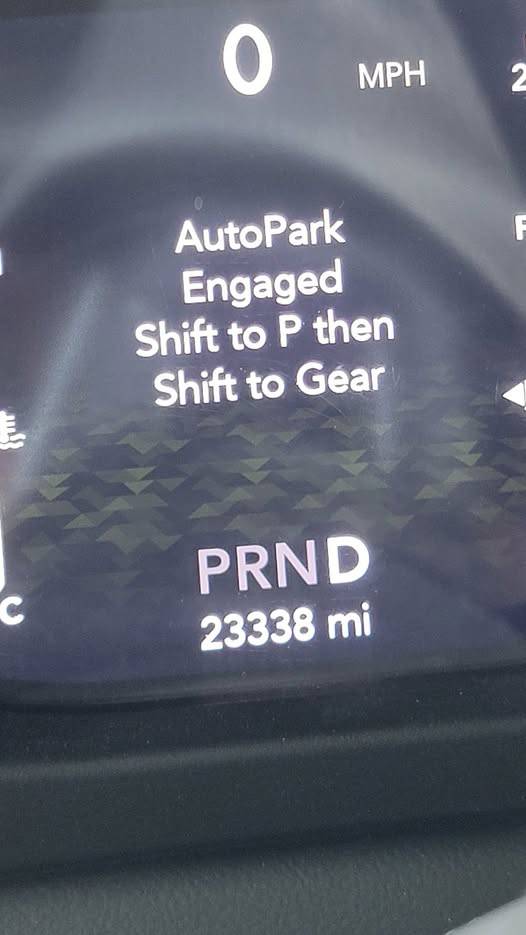
What Does “Jeep Auto Park Engaged” Mean?
The Jeep Auto Park Engaged message means that the vehicle has automatically placed the transmission into Park to prevent unintended movement. It is primarily a safety response rather than a warning that the transmission has already failed.
On many newer Jeep models, the Auto Park system monitors several conditions while the vehicle is running. It checks whether the driver door is open, whether the brake pedal is being pressed, whether the seat belt is fastened, and whether the gear selector is positioned correctly. If the system detects that the driver may be leaving the vehicle while it is still in Drive, Reverse, or Neutral, it may automatically shift the transmission into Park.
For example, the message may appear when a driver opens the door while the vehicle is moving very slowly and the seat belt is unfastened. The system interprets this combination as a possible attempt to exit the Jeep without selecting Park. It then engages Auto Park to reduce the risk of the vehicle rolling away.
In this situation, the feature is functioning as intended.
However, the message becomes more concerning when it appears even though the door is fully closed, the seat belt is fastened, the brake pedal is pressed, and the driver has not attempted to leave the vehicle. Repeated activation may indicate that one of the sensors or control modules is sending incorrect information.
The warning can also appear when the vehicle experiences low battery voltage, a malfunctioning gear selector, an electronic parking brake issue, or a communication problem between different control modules. In some cases, the Jeep may refuse to shift out of Park or may return to Park immediately after the driver selects another gear.
The exact meaning of the message therefore depends on the situation in which it appears. A single activation caused by an open door may be normal. A recurring warning that prevents the Jeep from moving usually requires further inspection.
Drivers should pay attention to any additional symptoms displayed at the same time. Messages such as “Service Shifter,” “Shift to Park,” or “Service Transmission” may help identify the source of the problem. Warning lights, unusual gear changes, delayed engagement, or an automatically activating parking brake can also indicate that the issue is more than a routine safety response.
Understanding the difference between normal Auto Park operation and a system fault can help Jeep owners avoid unnecessary panic while still recognizing when professional diagnosis is needed.
How the Jeep Auto Park System Works
The Jeep Auto Park system relies on information from several sensors, switches, and electronic control modules. These components work together to determine whether the vehicle is being operated normally or whether there is a risk of unintended movement.
One of the most important components is the gear selector. Unlike older mechanical shifters that were directly connected to the transmission, many modern Jeep models use an electronic shift system. When the driver selects Drive, Reverse, Neutral, or Park, the gear selector sends an electronic signal to the transmission control module.
The transmission control module then processes that request and determines whether the selected gear can be engaged safely. It also communicates with the engine control module, the body control module, and other vehicle systems.
The driver door sensor is another key part of Auto Park operation. If the sensor reports that the door is open while the vehicle is not in Park, the system may prepare to activate Auto Park. A damaged latch, loose electrical connection, or faulty door sensor can falsely report that the door is open even when it appears fully closed.
The seat belt sensor may also influence the system. If the driver seat belt is unfastened while the door is open and the vehicle is moving slowly, Auto Park may engage. This combination is often interpreted as a sign that the driver is attempting to exit.
The brake pedal switch tells the system whether the brake pedal is being pressed. This information is important because the driver usually must apply the brake before shifting out of Park. A faulty brake switch can prevent the transmission from recognizing that the brake pedal has been pressed, which may keep the Jeep locked in Park.
Vehicle speed is also monitored. Auto Park is generally designed to activate only under certain low speed conditions. The system uses wheel speed data and transmission information to confirm whether shifting into Park can be performed safely.
Battery voltage plays an important role as well. Modern Jeep vehicles depend heavily on stable electrical power. If the battery is weak or the charging system is not operating correctly, control modules may receive inconsistent voltage. This can cause false warnings, communication errors, or unexpected Auto Park activation.
When all signals appear normal, the Jeep allows the driver to select and maintain the desired gear. When the system detects an unsafe combination, it can command the transmission to enter Park and display the Jeep Auto Park Engaged message.
This design helps protect drivers, passengers, and nearby property from a vehicle that could otherwise roll unexpectedly. However, because the system depends on multiple electronic inputs, a single inaccurate signal can sometimes trigger the feature when it is not needed.
Common Causes of Jeep Auto Park Engaged
Several issues can cause the Jeep Auto Park Engaged message to appear. Some are simple operating conditions, while others involve electrical or mechanical faults.
Open or Improperly Closed Driver Door
One of the most common causes is a driver door that is not fully closed. Even a slightly open door can trigger the system when the vehicle is in gear. Dirt, ice, worn hinges, or a damaged latch can prevent the door from closing properly.
A faulty door sensor may also send an incorrect open signal. In this case, the dashboard may show a door ajar warning even though the door appears closed.
Unfastened Driver Seat Belt
The Auto Park feature may activate when the driver seat belt is unfastened and the driver door is open. This is usually normal system behavior.
If the message appears while the seat belt is securely fastened, the buckle sensor or related wiring may be damaged. The vehicle may incorrectly interpret the belt as unfastened.
Faulty Gear Selector
A malfunctioning electronic gear selector can send confusing or incomplete signals to the transmission control module. The vehicle may not know whether the driver selected Park, Drive, or another gear.
This problem may also produce a “Service Shifter” message. The gear indicator may flash, the selected gear may not engage, or the Jeep may return to Park immediately.
Brake Pedal Switch Failure
The brake pedal switch confirms that the driver is pressing the brake. If the switch fails, the Jeep may not allow the transmission to shift out of Park.
A faulty brake switch can also affect the brake lights. If the brake lights do not illuminate when the pedal is pressed, the switch should be inspected.
Weak or Failing Battery
Low battery voltage can cause several unusual electronic symptoms. The Auto Park warning may appear along with multiple dashboard lights, slow starting, flickering displays, or intermittent control module errors.
Jeep models with advanced electronic systems can be particularly sensitive to voltage drops. Testing the battery and charging system is often an important early diagnostic step.
Wiring or Connector Problems
Loose connectors, damaged wires, corrosion, or moisture intrusion can interrupt communication between sensors and control modules. Wiring problems may cause the warning to appear only occasionally, especially after rain, vibration, or temperature changes.
Technicians may need to inspect wiring near the gear selector, door latch, brake switch, battery, and transmission.
Software or Control Module Errors
The transmission control module or body control module may require a software update. Manufacturers sometimes release updated programming to improve system behavior or correct false warnings.
A temporary software error may disappear after restarting the vehicle, but repeated problems should be diagnosed with a professional scan tool.
Electronic Parking Brake Malfunction
The electronic parking brake system may communicate with the Auto Park system. If the parking brake motor, switch, sensor, or control module develops a fault, the vehicle may automatically apply the brake or display multiple warnings.
Shift Interlock Problem
The shift interlock prevents the transmission from leaving Park unless specific conditions are met. A faulty interlock solenoid, brake switch, or related circuit may cause the Jeep to remain locked in Park.
Internal Transmission Issue
Although less common, internal transmission problems can also trigger the message. Faulty range sensors, damaged transmission components, or hydraulic pressure problems may prevent the transmission from engaging the requested gear.
Internal transmission problems are more likely when the warning appears with harsh shifting, delayed engagement, slipping, unusual noises, fluid leaks, or a transmission warning light.
Symptoms That Often Accompany the Jeep Auto Park Engaged Warning
The Jeep Auto Park Engaged message rarely appears by itself. In many cases, it is accompanied by other symptoms that can help identify the underlying problem. Paying close attention to these warning signs can make diagnosis much easier and prevent a minor issue from developing into a more expensive repair.
One of the most common symptoms is a vehicle that refuses to move after shifting into Drive or Reverse. The transmission may immediately return to Park, even though the driver has selected another gear. This usually indicates that the Auto Park system has detected what it believes to be an unsafe operating condition.
Another common symptom is a gear selector that becomes unresponsive. Drivers may notice that the shifter feels normal but the selected gear does not match what is displayed on the instrument cluster. In some cases, the gear indicator may flash or fail to recognize the driver’s input altogether.
Some Jeep owners also report seeing a Service Shifter message at the same time. This warning often points to an issue with the electronic gear selector or the communication between the shifter and the transmission control module. When both messages appear together, further electronic diagnosis is typically required.
Dashboard warning lights may also illuminate simultaneously. The Check Engine Light, transmission warning light, electronic parking brake indicator, or traction control warning can all accompany the Auto Park Engaged message. Multiple warning lights usually indicate that one or more control modules have detected abnormal operating conditions.
Unexpected engagement of the electronic parking brake is another symptom worth noting. Instead of remaining stationary only after the driver parks the vehicle, the parking brake may activate unexpectedly during low speed operation or immediately after selecting a gear. This behavior may indicate an electronic parking brake fault rather than a transmission problem.
Some drivers experience intermittent warnings that appear and disappear without any noticeable change in vehicle performance. Although the Jeep may continue driving normally, recurring intermittent messages often suggest an electrical issue such as loose wiring, corroded connectors, or a failing sensor.
In more severe cases, the vehicle may enter limp mode. When this happens, engine power is reduced and transmission operation becomes limited to protect internal components from further damage. Drivers should avoid operating the vehicle for extended periods in this condition and arrange for a professional inspection as soon as possible.
Additional symptoms that may accompany the warning include delayed shifting, harsh gear engagement, unusual clicking sounds from the shifter area, battery related warning messages, difficulty starting the vehicle, or repeated requests to shift into Park before the engine can be turned off.
Recognizing these symptoms can help narrow down the source of the problem and determine whether a simple reset is sufficient or whether professional repairs are necessary.
Can You Continue Driving?
Whether you can safely continue driving after seeing the Jeep Auto Park Engaged message depends entirely on why the system activated. In some situations, the feature is operating exactly as designed. In others, it may indicate a fault that should not be ignored.
If the message appears only once after opening the driver door, unfastening the seat belt, or attempting to exit the vehicle while it is still in gear, the system is likely performing its intended safety function. After closing the door, fastening the seat belt, and restarting the driving process, the warning should disappear and the vehicle should operate normally.
You may also be able to continue driving if the warning disappears after restarting the engine and no additional dashboard warning lights remain illuminated. In these situations, the issue may have been caused by a temporary communication error or a brief voltage fluctuation.
However, you should avoid driving if the warning appears repeatedly without an obvious reason. Continuous activation often indicates a malfunctioning sensor, an electrical fault, or a transmission related issue that requires further diagnosis.
Do not continue driving if the vehicle refuses to shift into Drive or Reverse, automatically shifts back into Park, loses power while driving, or displays multiple transmission related warnings. These symptoms may indicate a failure that could affect vehicle control or leave you stranded unexpectedly.
Drivers should also avoid operating the vehicle if they notice burning smells, grinding noises, severe transmission slipping, leaking transmission fluid, or repeated activation of the electronic parking brake. These conditions may point to mechanical damage that could worsen if ignored.
If the warning appears while driving at normal road speeds, remain calm and avoid making sudden steering or braking inputs. Safely move the vehicle to the side of the road when possible and inspect for any obvious issues such as an open door or warning lights. If the Jeep continues to operate abnormally after restarting, it is advisable to have the vehicle transported to a repair facility rather than driving it further.
As a general rule, occasional Auto Park activation under expected conditions is usually not a cause for concern. Repeated warnings, abnormal transmission behavior, or any loss of vehicle control should always be treated as a safety issue that deserves immediate attention.
How to Fix Jeep Auto Park Engaged
Resolving the Jeep Auto Park Engaged warning begins with identifying whether the system is responding to a normal operating condition or an actual fault. Performing a few simple inspections can often eliminate the warning without requiring expensive repairs.
Start by turning the engine off completely. Wait a few minutes before restarting the vehicle. Temporary software glitches or communication errors between control modules may clear after a complete restart.
Next, verify that every door is fully closed. Even a partially latched driver door can activate the Auto Park system. Inspect the door latch for dirt, debris, or visible damage, and confirm that the dashboard no longer displays a door ajar warning.
Fasten the driver’s seat belt before shifting into gear. Although this may seem obvious, a faulty seat belt sensor can occasionally send incorrect information. If the warning disappears when the seat belt is buckled, further inspection of the buckle sensor may be necessary.
Press the brake pedal firmly before selecting a gear. If the transmission still refuses to shift, check whether the brake lights illuminate. Brake lights that fail to operate often indicate a defective brake pedal switch, which is one of the most common causes of shifting problems.
Inspect the battery if the vehicle has been slow to start or if multiple electronic warnings appear simultaneously. Low voltage can interfere with communication between control modules. A healthy battery should typically measure around 12.6 volts with the engine off and approximately 13.7 to 14.7 volts while the engine is running.
Using an OBD II diagnostic scanner is one of the most effective ways to identify the source of the problem. Stored diagnostic trouble codes can reveal faults involving the transmission control module, body control module, gear selector, electronic parking brake, or individual sensors. Recording these codes before clearing them can save significant diagnostic time.
If no obvious mechanical issues are found, check whether your Jeep has an available software update. Manufacturers periodically release updated programming that corrects false Auto Park activations, improves transmission operation, and resolves communication errors between electronic modules.
Sensors such as the door latch switch, seat belt buckle sensor, brake switch, or gear selector may need replacement if they are found to be defective. Damaged wiring or corroded electrical connectors should also be repaired to restore reliable communication throughout the system.
Finally, if the warning continues to return after basic troubleshooting or if the transmission behaves unpredictably, schedule a professional inspection. Certified technicians have access to manufacturer specific diagnostic equipment that can perform module testing, software programming, and advanced electrical diagnostics beyond the capability of most consumer scan tools.
Addressing the warning promptly not only restores normal vehicle operation but can also prevent more serious transmission or electronic failures from developing over time.
Repair Costs
The cost of repairing a Jeep Auto Park Engaged issue can vary significantly depending on the root cause. Some problems can be resolved with a simple sensor replacement or software update, while others may require extensive transmission or electrical repairs.
If the issue is caused by a weak or failing battery, replacing the battery is often the least expensive solution. Depending on the battery type and your location, the total cost typically ranges from $150 to $350, including installation.
A faulty brake pedal switch is another relatively affordable repair. Parts are inexpensive, and labor is usually minimal, bringing the total repair cost to approximately $70 to $180.
Problems involving the driver door latch or door ajar sensor generally cost between $100 and $300. If wiring repairs are required inside the door harness, labor costs may increase.
When the electronic gear selector fails, repairs become more expensive. Replacing the shifter assembly typically costs between $300 and $900, depending on the Jeep model and whether original equipment manufacturer parts are used.
Electrical problems can be more difficult to estimate because technicians must first locate the source of the fault. Repairing damaged wiring, corroded connectors, or communication issues between control modules usually costs between $100 and $600, although severe wiring damage may exceed this range.
If the issue is software related, the repair may simply involve updating one or more control modules. Some dealerships perform software updates as part of warranty or recall campaigns, while others charge between $0 and $250 depending on the required programming.
Electronic parking brake repairs vary considerably. Replacing a faulty switch may cost less than $200, while replacing the parking brake actuator or control module can exceed $700.
The most expensive scenario involves internal transmission damage. Repairs such as replacing the transmission range sensor, valve body, or internal components can cost anywhere from $800 to more than $4,500, especially if a complete transmission replacement is required.
Before approving any major repair, ask the repair facility to perform a complete diagnostic inspection. Because multiple components can trigger the Jeep Auto Park Engaged warning, replacing parts without confirming the root cause can lead to unnecessary expenses.
Whenever possible, check whether your Jeep is still covered by the factory warranty, an extended warranty, or a recall campaign. These programs may significantly reduce or eliminate repair costs.
Estimated Repair Cost Table
| Repair Item | Estimated Cost |
|---|---|
| Battery replacement | $150 to $350 |
| Brake pedal switch | $70 to $180 |
| Door latch or door sensor | $100 to $300 |
| Gear selector assembly | $300 to $900 |
| Wiring repair | $100 to $600 |
| Software update | $0 to $250 |
| Electronic parking brake repair | $150 to $700+ |
| Transmission repair | $800 to $4,500+ |
Jeep Models Commonly Affected
Although the Auto Park system is designed to improve safety across the Jeep lineup, certain models have generated more owner reports regarding unexpected Jeep Auto Park Engaged messages. The issue does not necessarily affect every vehicle, but understanding which models are commonly discussed can help owners know what to inspect.
Jeep Cherokee
The Jeep Cherokee is one of the models most frequently associated with Auto Park complaints. Owners have reported intermittent warnings, unexpected shifts into Park, and occasional Service Shifter messages. In many cases, the problem has been linked to the electronic gear selector, software calibration, or transmission control module communication.
Jeep Grand Cherokee
The Grand Cherokee uses several advanced electronic systems that work together with the transmission and parking functions. While the Auto Park feature normally operates smoothly, some owners have experienced false warnings caused by faulty door latch sensors, brake switches, or low battery voltage. Software updates have resolved the issue for some vehicles.
Jeep Wrangler
Modern Wrangler models equipped with electronic shifting systems may occasionally display the Auto Park warning if the driver door is opened before shifting into Park. Repeated warnings without obvious cause may indicate a defective door sensor, damaged wiring, or a malfunctioning shift interlock system.
Jeep Compass
Some Compass owners have reported situations where the Auto Park warning appears together with transmission warning lights or intermittent shifting problems. Electrical faults, battery voltage issues, and software updates are among the most commonly identified causes.
Jeep Renegade
The Renegade shares many electronic components with other compact vehicles produced by Stellantis. Owners have occasionally reported Auto Park activation related to gear selector communication errors or body control module software issues. Most cases are resolved through diagnosis rather than major transmission repairs.
Jeep Gladiator
Because the Gladiator shares much of its drivetrain and electronic architecture with the Wrangler, the symptoms can be similar. Drivers may experience Auto Park activation when a door sensor provides incorrect information or when communication between the transmission and control modules is interrupted.
It is important to remember that these reports do not mean every vehicle in these model lines has the same defect. Many Jeeps operate for years without experiencing Auto Park issues. The condition often depends on vehicle age, maintenance history, software version, environmental exposure, and overall electrical system health.
Regardless of the model you own, routine inspections of the battery, charging system, door latches, brake switch, and transmission software can reduce the likelihood of unexpected Auto Park warnings.
Is There a Recall?
Many Jeep owners wonder whether the Jeep Auto Park Engaged warning is related to an official recall. The answer depends on the specific model year, vehicle identification number, and the exact cause of the problem.
Not every Auto Park warning is the result of a manufacturing defect. In many cases, the system is functioning correctly and is responding to driver actions or component failures that occur over time. However, certain Jeep models have been included in recalls or Technical Service Bulletins involving transmission controls, electronic shifters, software updates, and parking related systems.
A recall is issued when a manufacturer or government safety agency determines that a defect creates an unreasonable safety risk. If your Jeep is covered by a recall, the repair is generally performed at no cost by an authorized dealership.
A Technical Service Bulletin, commonly known as a TSB, is different. A TSB provides repair procedures or updated diagnostic information to dealership technicians but does not necessarily require the manufacturer to repair the vehicle free of charge unless it remains under warranty.
If your Jeep repeatedly displays the Auto Park warning, the first step is to verify whether your vehicle has any outstanding recalls. You can do this by locating your Vehicle Identification Number, often referred to as the VIN, and checking it through an official recall database or by contacting an authorized Jeep dealership.
Even if no recall is listed, your vehicle may still qualify for a software update or a repair procedure described in a Technical Service Bulletin. Dealership service departments can determine whether updated programming or revised components are available for your specific vehicle.
Owners should also keep records of warning messages, diagnostic trouble codes, repair invoices, and any photos or videos showing the issue. This documentation can help technicians identify intermittent problems and may be useful if future recalls or warranty extensions are announced.
The most important point to remember is that the Jeep Auto Park Engaged message should never be ignored simply because no recall exists. A faulty sensor, wiring issue, or transmission problem can still affect vehicle safety and should be diagnosed promptly if the warning appears repeatedly or is accompanied by abnormal driving behavior.
Frequently Asked Questions
Why does my Jeep keep saying “Auto Park Engaged”?
The Jeep Auto Park Engaged message usually appears because the vehicle’s safety system has detected a condition that could allow the Jeep to move unintentionally. Common causes include an open driver door, an unfastened seat belt, a faulty gear selector, a defective brake pedal switch, low battery voltage, or communication issues between electronic control modules. If the warning appears repeatedly under normal driving conditions, the vehicle should be inspected for electrical or transmission related problems.
Can I drive my Jeep with the Auto Park Engaged warning?
It depends on how the warning appears. If the message is triggered because you opened the driver’s door or attempted to exit the vehicle while it was still in gear, the system is likely functioning normally. However, if the warning remains active, the vehicle repeatedly shifts itself into Park, refuses to move, or displays additional transmission warnings, you should avoid driving until the problem has been diagnosed.
What should I do first when the warning appears?
Begin with a few basic checks. Make sure every door is fully closed, fasten your seat belt, firmly press the brake pedal, and restart the vehicle. If the message disappears and does not return, the issue may have been temporary. If it continues to appear, use an OBD II scanner to check for diagnostic trouble codes or have the Jeep inspected by a qualified technician.
Can a weak battery cause the Auto Park Engaged warning?
Yes. Modern Jeep vehicles rely on stable battery voltage to operate multiple electronic control modules. A weak battery or charging system problem can create communication errors that trigger false dashboard warnings, including the Jeep Auto Park Engaged message. Testing the battery and alternator is often one of the first diagnostic steps.
Yes. While Auto Park is primarily a safety feature, it communicates directly with the transmission control module and electronic gear selector. If either component fails or sends incorrect information, the system may automatically shift the vehicle into Park or prevent it from leaving Park.
Does the warning always mean the transmission is failing?
No. Many Auto Park warnings are caused by sensors, electrical components, software issues, or low battery voltage rather than internal transmission damage. Although transmission failures can trigger the message, they are generally less common than electronic faults.
How much does it cost to fix Jeep Auto Park Engaged?
Repair costs vary depending on the cause. A simple brake switch or door sensor replacement may cost less than $200, while replacing an electronic gear selector can range from $300 to $900. Major transmission repairs may exceed $4,000 if internal components are damaged.
Can disconnecting the battery reset the warning?
Disconnecting the battery may temporarily clear the warning by resetting the vehicle’s electronic control modules. However, if the underlying problem remains, the message will usually return after driving the vehicle. Clearing the warning without diagnosing the root cause is not considered a permanent repair.
Which Jeep models are most likely to experience this issue?
Reports have been received from owners of the Jeep Cherokee, Grand Cherokee, Wrangler, Compass, Renegade, and Gladiator. The frequency and cause vary depending on the model year, software version, maintenance history, and specific vehicle configuration.
When should I take my Jeep to a repair shop?
You should seek professional service if the warning appears repeatedly, the transmission refuses to shift properly, multiple dashboard warning lights illuminate, the vehicle enters limp mode, or the electronic parking brake activates unexpectedly. Prompt diagnosis can prevent more extensive and costly repairs.
Conclusion
The Jeep Auto Park Engaged warning is designed to improve driver safety by preventing unintended vehicle movement. Under normal circumstances, the system automatically shifts the transmission into Park when it detects conditions that could allow the vehicle to roll away, such as an open driver door or an attempt to exit the vehicle while it is still in gear. In these situations, the feature is working exactly as intended.
However, when the warning appears repeatedly or under normal driving conditions, it may indicate an underlying problem that should not be ignored. Faulty door sensors, malfunctioning brake switches, electronic gear selector issues, weak batteries, damaged wiring, outdated software, and transmission related faults can all trigger unexpected Auto Park activation.
Fortunately, many of these problems can be identified through a systematic diagnostic process. Performing simple checks, scanning for diagnostic trouble codes, verifying battery condition, and keeping your vehicle’s software up to date can often resolve the issue before it develops into a more serious repair.
If your Jeep continues to display the Jeep Auto Park Engaged message despite basic troubleshooting, it is best to have the vehicle inspected by a qualified technician. Early diagnosis not only helps restore normal operation but can also prevent additional damage to the transmission or electronic control systems.
By understanding how the Auto Park system works and recognizing the warning signs of potential failures, Jeep owners can make informed decisions, improve vehicle safety, and reduce the risk of unexpected breakdowns. Regular maintenance, timely software updates, and prompt attention to dashboard warnings remain the most effective ways to keep your Jeep operating reliably for years to come.