A Honda anti theft system reset helps restore normal vehicle operation when the security system prevents the engine from starting. The correct reset method depends on the Honda model, model year, and ignition system. Honda does not use one reset procedure for every vehicle. Understanding the cause of the problem saves time and helps you avoid unnecessary repairs.
Many owners notice the problem after replacing the battery or using a damaged key fob. Others see a flashing security light or discover that the engine will not start. In some cases, the key unlocks the doors but cannot authorize the engine. These symptoms often point to the immobilizer. However, a weak battery, a faulty key, or another electrical issue can produce similar warning signs.
This guide explains how to identify the active Honda anti theft feature before attempting a reset. It also walks you through the correct reset procedure for vehicles with a traditional ignition key and push-button start. In addition, you will learn how to diagnose a blinking immobilizer light, check the key fob, and recognize situations that require professional key programming. Following the correct troubleshooting process helps you restore normal operation while protecting the factory security system.
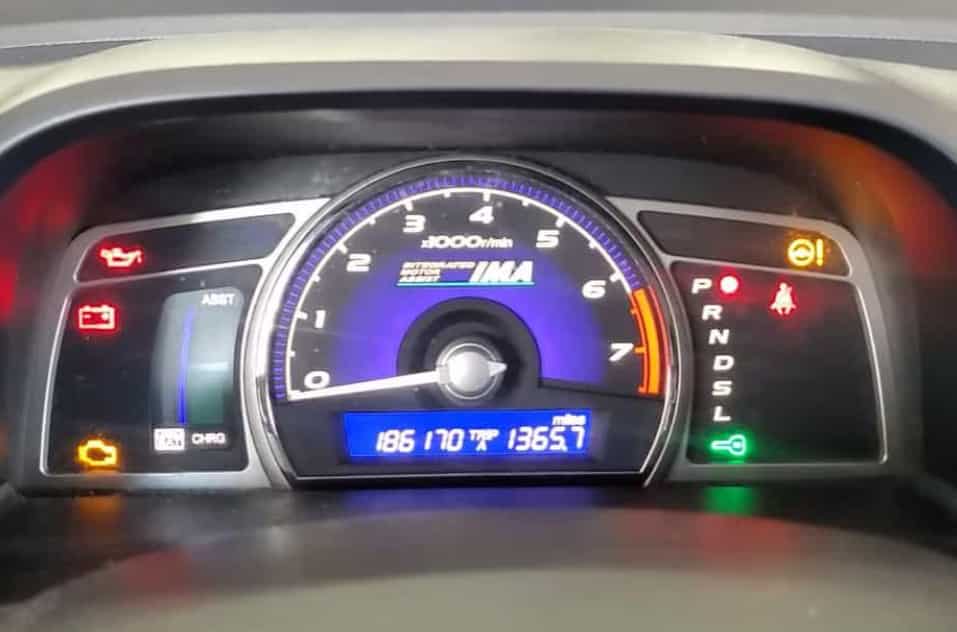
What Is the Honda Anti Theft System and How Does It Work?
The Honda anti theft system protects your vehicle from unauthorized access and engine operation. It combines several security features that work together to reduce the risk of theft. The most important component is the immobilizer system. It checks whether the electronic code inside the key matches the code stored in the vehicle. If the codes do not match, the engine will not start even though the key can still turn the ignition or unlock the doors.
Many drivers assume every security warning comes from the same system. In reality, Honda uses different security features for different purposes. The immobilizer controls engine authorization, while the security alarm responds to unauthorized entry. Some models also include a radio anti theft feature that locks the audio system after power loss. Each system has a different function, so each one requires a different solution. Identifying the correct system is the first step before attempting a Honda anti theft system reset.
The immobilizer communicates with a transponder chip inside the registered key or smart key. Every time you start the vehicle, the immobilizer reads the electronic code and compares it with the information stored in the control unit. When the codes match, the engine starts normally. When the codes do not match, the security indicator usually flashes, and the engine remains disabled. This process happens automatically within seconds and requires no action from the driver during normal operation.
The security alarm works differently because it protects the vehicle after you lock it. If someone opens a door, the hood, or the tailgate without proper authorization, the alarm activates to discourage theft. Meanwhile, the radio anti theft system protects only the audio unit by requesting a security code after the battery loses power. Because these systems operate independently, replacing a key fob battery or entering a radio code will not reset the immobilizer. Understanding these differences helps you diagnose the problem faster and choose the correct reset procedure instead of trying unnecessary fixes.
How Do You Know Which Honda Anti Theft System Needs Resetting?
You can identify the correct Honda anti theft system reset by observing the vehicle’s warning signs. The security light, dashboard messages, and engine behavior often reveal which system has triggered the problem. A careful diagnosis saves time and prevents unnecessary repairs. More importantly, it helps you choose the correct reset method instead of replacing parts that still work properly.
A flashing immobilizer light usually indicates that the vehicle cannot recognize the registered key. In this situation, the engine may crank but fail to start, or it may not crank at all depending on the model. This problem often appears after a weak battery, a damaged transponder key, or a communication error between the key and the immobilizer. If you have a spare registered key, test it before attempting any reset. A successful start with the spare key usually points to a faulty original key instead of an immobilizer failure.
Some symptoms involve the security alarm rather than the immobilizer. If the horn sounds continuously and the exterior lights flash, the alarm system has likely detected unauthorized entry. A door, hood, or tailgate that does not close correctly can also trigger the alarm. In other cases, a weak vehicle battery or a faulty door latch sensor may activate the warning even though no theft attempt has occurred. Understanding this difference helps you avoid using an immobilizer reset when the alarm system is the real cause.
Not every starting problem comes from the anti theft system. A discharged battery, a failed starter motor, or a fuel delivery issue can produce similar symptoms. Likewise, a radio that displays CODE indicates an audio security lock instead of an immobilizer fault. Before you perform a Honda anti theft system reset, confirm which system has activated the warning. This simple check reduces unnecessary troubleshooting and increases the chance of solving the problem on the first attempt.
How Do You Reset a Honda Anti Theft System Step by Step?
A Honda anti theft system reset works only after you identify the correct cause of the problem. Many owners try random reset methods, but this approach rarely solves the issue. Instead, you should inspect the warning indicator, use a registered key, and confirm that the vehicle battery has enough power. These simple checks eliminate common causes before you move to the reset procedure.
If your Honda uses a traditional ignition key, insert the registered key and turn it to the ON position without starting the engine. Leave the key in this position for a few seconds, then turn it back to OFF and remove it. Wait briefly before inserting the key again. Next, turn the ignition to ON one more time and watch the security indicator. If the light turns off after a short moment, start the engine normally. If the indicator continues flashing, repeat the process with the spare registered key. This comparison helps determine whether the problem comes from the key or the immobilizer system.
The procedure differs slightly on Honda models with push-button start. Place the registered smart key inside the vehicle and press the brake pedal firmly. Then press the ENGINE START/STOP button while watching the security indicator. If the vehicle cannot detect the smart key, hold the key fob close to the start button and try again. Many Honda models include this emergency detection feature when the key fob battery becomes weak. If the engine starts successfully, replace the key fob battery as soon as possible to prevent the problem from returning.
Do not assume that disconnecting the vehicle battery will reset the immobilizer. In most cases, this action only removes electrical power for a short period. It does not register a new key or repair communication problems inside the anti theft system. If both registered keys fail to start the vehicle and the security light continues flashing, stop repeating the reset procedure. At this point, the vehicle may require key programming or professional diagnosis instead of another reset attempt.
How Do You Reset a Honda Security Alarm?
A Honda security alarm usually stops after the vehicle recognizes an authorized key or key fob. The correct reset method depends on how the alarm was triggered. In most cases, you do not need special tools or advanced repairs. Instead, you need to restore normal communication between the security system and the registered key.
Start by unlocking the driver’s door with the registered key or the factory key fob. Avoid forcing the door open because this action can keep the alarm active. After unlocking the vehicle, enter the cabin and close every door completely. Next, insert the registered key into the ignition or keep the smart key inside the vehicle if your Honda uses push-button start. Start the engine and allow it to idle for a short time. Once the security system confirms the authorized key, the alarm should stop and the warning indicator should return to normal.
If the alarm activates again, inspect the vehicle before repeating the reset procedure. A door that does not latch properly can trigger the alarm even when the vehicle is locked correctly. The same problem may occur if the hood or tailgate remains slightly open. Dirt, worn latches, or damaged door switches can also send false signals to the security system. Correcting these issues often resolves repeated alarm activation without replacing any electronic components.
A weak vehicle battery may also cause unexpected alarm behavior. Low voltage can interrupt communication between different control modules and create false security warnings. Check the battery terminals for corrosion and make sure they are tight. If the battery is old or frequently loses charge, test it before assuming the anti theft system has failed. When the alarm continues to activate after these checks, the vehicle may have a faulty sensor or another electrical problem that requires professional diagnosis rather than another reset attempt.
How Do You Reset the Honda Anti Theft System After Replacing the Battery?
A battery replacement can trigger an anti theft warning because the vehicle temporarily loses electrical power. During this process, several control modules restart and reconnect with each other. Most Honda models complete this process automatically. However, some vehicles may briefly lose communication with the registered key or display a security warning until the system finishes its checks.
Begin by confirming that the new battery is installed correctly. Check that both battery terminals are clean, secure, and connected to the correct posts. A loose or poorly connected terminal can interrupt power and create warning lights that resemble an anti theft problem. Once you confirm the battery installation, unlock the vehicle with the registered key or key fob. Then insert the registered key into the ignition or keep the smart key inside the vehicle before attempting to start the engine. If the security indicator turns off after a few seconds, the system has recognized the key and completed the normal verification process.
Some owners disconnect the battery again when the warning light remains on. This approach rarely fixes the problem because the immobilizer stores key information in its own memory. Removing battery power does not register a new key or repair damaged electronic components. Instead, repeated battery disconnections can erase vehicle settings and create additional warning messages. It is better to identify the real cause before attempting another reset.
If the security light continues flashing after the battery replacement, test the spare registered key if one is available. A successful start with the spare key usually indicates that the original key has failed. If neither key works, inspect the battery voltage and verify that the main fuses remain intact. When every basic check passes and the warning still appears, the vehicle may require key programming or a professional inspection. Continuing to repeat the same reset procedure is unlikely to solve the problem because the underlying fault still exists.
Can the Honda Key Fob Cause an Anti Theft System Problem?
A damaged or weak key fob can cause anti theft problems if the vehicle cannot recognize the authorized key. Modern Honda models rely on constant communication between the smart key and the immobilizer system before allowing the engine to start. When this communication fails, the security indicator may flash, and the vehicle may refuse to start. Although these symptoms resemble an immobilizer failure, the real cause is often much simpler.
Start by testing the key fob before assuming the anti theft system has failed. Check whether the lock and unlock buttons respond normally from a reasonable distance. If the remote works only at close range or stops working completely, replace the key fob battery with the correct type. After installing the new battery, test every button again and attempt to start the vehicle. A weak battery often reduces the signal strength and prevents the smart key from communicating consistently with the vehicle.
The condition of the key itself also matters. Physical damage, water exposure, or worn internal components can interrupt communication between the transponder and the immobilizer. Even if the remote still unlocks the doors, the electronic chip inside the key may no longer transmit a valid authorization code. For this reason, always test a spare registered key when one is available. If the spare key starts the engine without any warning lights, the original key is the most likely source of the problem.
Electronic interference can also prevent the vehicle from detecting the smart key. Devices such as wireless chargers, mobile phones, or other key fobs may reduce signal quality when they are placed too close together. Remove unnecessary electronic devices from the vehicle and try again before attempting another Honda anti theft system reset. If both registered keys produce the same symptoms after these checks, the problem is more likely related to the immobilizer system or another electrical component than to the key fob itself.
Why Is the Honda Immobilizer Light Still Blinking After a Reset?
A blinking immobilizer light after a reset usually means the vehicle still cannot verify the registered key. The reset process does not remove the underlying problem if the key, immobilizer, or electrical system cannot communicate correctly. Before trying another reset, identify the reason behind the warning. This approach saves time and prevents unnecessary repairs.
A damaged or unregistered key is one of the most common causes. The immobilizer compares the electronic code inside the key with the code stored in the vehicle every time you attempt to start the engine. If the codes do not match, the security indicator continues flashing, and the engine remains disabled. Test the spare registered key if you have one. If the spare key starts the vehicle without any warning, the original key likely requires replacement or reprogramming.
Low battery voltage can also keep the immobilizer warning light active. A weak vehicle battery may interrupt communication between different control modules during startup. In some cases, the dashboard lights appear normal even though the battery no longer supplies stable voltage. Check the battery condition, inspect the terminals for corrosion, and verify that the main fuses remain intact before assuming the immobilizer has failed. These simple inspections often reveal the real cause of the problem.
If the warning light continues flashing after every basic check, the fault may involve the immobilizer antenna, the control module, or the vehicle wiring. Electrical damage, failed components, or communication errors can prevent the system from recognizing any registered key. At this stage, repeating the same Honda anti theft system reset is unlikely to produce a different result. A professional diagnostic inspection can identify the failed component and confirm whether the vehicle needs key programming, module repair, or another electrical repair.
When Does a Honda Key Need to Be Reprogrammed?
A Honda key needs reprogramming when the immobilizer no longer recognizes its electronic identification code. Every registered key contains a unique transponder code that allows the engine to start. If the vehicle cannot verify that code, the immobilizer blocks engine operation to protect the vehicle from unauthorized access. In this situation, a standard Honda anti theft system reset will not restore normal operation because the problem involves key authorization rather than a temporary system error.
Several situations require key reprogramming. The most common example is replacing a lost or damaged key with a new one. A newly cut key may fit the ignition, but it cannot start the engine until the immobilizer stores its electronic code. The same issue can occur after replacing the immobilizer control unit, the engine control module, or other security-related components. These repairs often erase or change the stored key information, so the system must register every authorized key again before the vehicle can start normally.
Many owners confuse key programming with simple maintenance. Replacing the key fob battery restores remote functions, but it does not program the transponder. Likewise, disconnecting the vehicle battery does not erase or register immobilizer data. If the security light continues flashing after replacing the battery or performing a reset, repeating the same procedure is unlikely to solve the problem. Instead, confirm that you are using a registered key and test the spare key if one is available.
Professional key programming becomes necessary when the vehicle rejects every registered key or fails to recognize a replacement key. A Honda dealership or a qualified automotive locksmith can access the immobilizer system with specialized diagnostic equipment. They can register new keys, remove lost keys from the system, and confirm whether another electrical fault is preventing communication. Choosing the correct service at this stage saves time and avoids replacing parts that still function correctly.
When Should You Contact a Honda Dealer or Automotive Locksmith?
You should contact a Honda dealer or a qualified automotive locksmith when basic troubleshooting no longer resolves the problem. Owner-level checks can eliminate simple issues such as a weak battery or a damaged key fob. However, they cannot repair a failed immobilizer module or register a new transponder key. Continuing to repeat the same reset procedure often wastes time because the underlying fault remains unchanged.
A Honda dealer is the best option when the vehicle requires factory diagnostics or software programming. This situation often occurs after replacing the immobilizer, the engine control module, or other security-related components. A dealer can also register new keys, update system software, and diagnose communication faults that standard scan tools cannot access. If your vehicle is still under warranty, dealer service may also reduce repair costs and ensure that genuine Honda procedures are followed.
A qualified automotive locksmith can also solve many anti theft problems. Most professional locksmiths have specialized equipment that allows them to cut replacement keys and program transponder chips. This service is often faster and more convenient when every key has been lost or locked inside the vehicle. In many cases, a mobile locksmith can perform the work at your location instead of requiring the vehicle to be towed to a repair facility.
Before scheduling service, gather every registered key that still works and prepare the vehicle identification number if possible. Explain when the problem started and describe any recent battery replacement, electrical repair, or key damage. These details help the technician diagnose the fault more quickly. If the security light continues flashing after every basic check, professional diagnosis becomes the safest and most effective solution because it identifies the exact cause instead of relying on repeated reset attempts.
How Can You Prevent Honda Anti Theft System Problems?
You can prevent most Honda anti theft system problems through regular maintenance and proper key handling. Many security issues develop gradually instead of appearing without warning. A weak battery, a worn key fob, or poor electrical connections often create communication problems long before the immobilizer fails. Taking a few preventive steps reduces the risk of unexpected starting problems and helps the security system operate as designed.
The first step is to protect your registered keys. Keep them away from water, excessive heat, and strong impacts because physical damage can affect the transponder inside the key. If your Honda uses a smart key, replace the key fob battery before it becomes completely discharged. A weak battery can reduce the communication range and cause intermittent key detection problems. Testing the spare registered key occasionally also confirms that you have a working backup if the primary key fails.
Your vehicle battery also plays an important role in the anti theft system. A battery that frequently loses charge can interrupt communication between the immobilizer and other control modules during startup. Check the battery terminals for corrosion and make sure every connection remains clean and secure. If the battery shows signs of aging, replace it before it begins causing electrical problems. Stable voltage helps every electronic system function correctly, including the factory security system.
Avoid modifying the factory security system unless the parts are designed specifically for your Honda model. Poorly installed remote starters, aftermarket alarms, and low-quality electrical accessories can interfere with the immobilizer and create false warning messages. Follow the maintenance schedule in your owner’s manual and address security warnings as soon as they appear. Early diagnosis usually costs less than repairing a system that has developed multiple electrical faults over time.
What Are the Most Common Questions About a Honda Anti Theft System Reset?
Many Honda owners experience similar anti theft problems, especially after replacing a battery or using a different key. The following questions address the situations that occur most often and provide clear answers based on how the Honda security system operates.
How long does a Honda anti theft system reset take?
A basic owner-level reset usually takes only a few minutes. If the vehicle requires key programming or electrical diagnosis, the repair may take significantly longer depending on the cause.
Will disconnecting the battery reset the Honda immobilizer?
No. Disconnecting the battery does not erase or reprogram the immobilizer. It only removes electrical power temporarily and rarely solves key recognition problems.
Can a dead key fob battery stop a Honda from starting?
Yes, especially on models equipped with a smart key system. A weak battery can prevent the vehicle from detecting the key. However, many Honda models include an emergency starting procedure that allows temporary operation until the battery is replaced.
Can a spare key fix the problem?
A registered spare key can help identify the cause of the failure. If the spare key starts the vehicle normally, the original key is likely damaged or requires replacement. If neither key works, the fault probably involves the immobilizer or another electrical component.
Why does the security light blink after I lock the vehicle?
A blinking security light after locking the vehicle is usually normal. It indicates that the anti theft system is active and protecting the vehicle. The warning becomes a concern only when it continues flashing while you attempt to start the engine.
Can a basic OBD2 scanner reset the Honda anti theft system?
No. Most standard OBD2 scanners cannot access immobilizer programming functions. Key registration and advanced security diagnostics require specialized equipment designed for Honda security systems.
Conclusion: What Is the Safest Way to Complete a Honda Anti Theft System Reset?
The safest Honda anti theft system reset begins with an accurate diagnosis rather than repeated reset attempts. Identifying the active security feature helps you choose the correct solution and prevents unnecessary repairs. In many cases, a registered key, a healthy vehicle battery, or a new key fob battery resolves the problem without replacing expensive components.
If the warning light remains on, test the spare registered key before assuming the immobilizer has failed. Next, inspect the battery condition, electrical connections, and visible warning indicators. These simple checks eliminate the most common causes of anti theft system problems and reduce unnecessary troubleshooting. They also help you determine whether the fault involves the key, the battery, or the vehicle itself.
When every basic check fails, professional diagnosis becomes the next logical step. A Honda dealer or a qualified automotive locksmith can test the immobilizer, register replacement keys, and identify hidden electrical faults. Following this troubleshooting sequence protects the factory security system and helps you restore normal vehicle operation safely. Instead of relying on repeated reset attempts, focus on finding the root cause and applying the correct repair the first time.