Goof Off is not universally safe for car paint because certain solvent-based formulations can damage automotive clear coats and painted surfaces. Although Goof Off effectively removes adhesives, glue, and stubborn stains, its compatibility with automotive paint depends on the specific product, chemical formulation, and application method. Using an incompatible remover can cause discoloration, surface dullness, or clear coat damage.
Most modern vehicles have a multi-layer paint system consisting of primer, base coat, and clear coat. The clear coat protects the underlying color from environmental exposure and minor surface damage. Strong solvents can affect this protective layer, particularly when left on the surface for extended periods. Factory-cured paint, aftermarket finishes, and previously repaired panels may respond differently to chemical exposure.
Choosing the correct cleaning product is essential when removing sticker residue, adhesive, or other contaminants from a vehicle’s exterior. Automotive-specific adhesive removers offer alternatives when their labels explicitly approve use on painted surfaces. This guide explains whether Goof Off can damage car paint, how different formulations affect clear coats, what to do after accidental exposure, and which alternatives are suitable for removing stubborn residue.
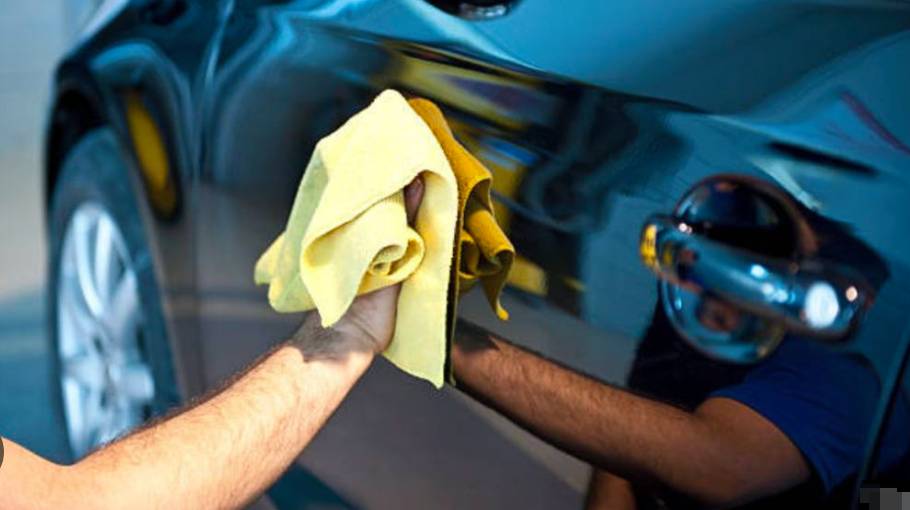
Is Goof Off Safe to Use on Car Paint?
Goof Off is not a universally safe choice for automotive paint because different formulations contain different ingredients and carry different surface-use restrictions. Before applying the product to a vehicle, check the exact product label and manufacturer instructions to determine whether the formulation is approved for automotive paint. A product designed to remove stubborn adhesive from household surfaces should not automatically be considered suitable for a vehicle’s exterior.
Automotive paint typically consists of three main layers: primer, base coat, and clear coat. The primer promotes adhesion to the vehicle’s body, the base coat provides color, and the clear coat creates a protective outer finish. Solvents that are incompatible with this system can affect the appearance or integrity of the finish. For example, an affected panel may develop dullness, discoloration, or an irregular surface instead of retaining its original gloss.
The condition of the paint also matters. Factory-cured paint, previously repainted panels, and surfaces with existing scratches or clear coat deterioration may respond differently to chemical exposure. A remover that is compatible with one surface under specified conditions should not be assumed safe for every vehicle or application.
For routine adhesive removal, choose a product explicitly labeled for automotive painted surfaces. Follow its application instructions and test it on a small, inconspicuous area when the manufacturer recommends testing. Avoid prolonged contact, excessive rubbing, and unapproved solvent combinations. These precautions reduce unnecessary exposure but do not guarantee compatibility when the product is unsuitable for the paint.
Can Goof Off Damage Car Paint or Clear Coat?
Goof Off can damage car paint when a particular formulation contains solvents that are incompatible with the vehicle’s finish. The severity depends on the ingredients, exposure time, paint condition, and application method. Possible outcomes include reduced gloss, surface discoloration, softening, and visible deterioration of the clear coat. However, the presence of a mark after cleaning does not automatically prove that the clear coat has been permanently damaged.
How Can Goof Off Affect a Car’s Clear Coat?
The clear coat is the outermost layer of most modern automotive paint systems, and its condition directly affects the vehicle’s gloss and surface protection. An incompatible solvent may disrupt this layer, producing haze, dull patches, or changes in surface texture. If the chemical penetrates or compromises the clear coat, the underlying base coat may become more vulnerable to further damage.
The visible effects depend on the paint system and the chemical exposure. For example, a brief contact that leaves removable residue is different from prolonged contact that causes persistent cloudiness or surface softening. Rubbing the affected area aggressively can add scratches and make the finish appear worse. The exact Goof Off formulation must therefore be identified before determining the likely risk.
Can Goof Off Cause Permanent Paint Damage?
Yes, an incompatible Goof Off formulation can cause damage that requires professional paint correction or refinishing. Surface residue may disappear with appropriate cleaning, while chemical deterioration of the clear coat may remain after the product has been removed. Persistent discoloration, peeling, wrinkling, or a roughened finish warrants closer inspection.
For example, if an affected panel remains cloudy after gentle cleaning and drying, do not assume that repeated washing or polishing will restore it. Abrasive polishing can remove some superficial defects, but it cannot reliably repair every form of chemical damage. A professional detailer or automotive paint specialist can assess whether the problem is limited to the surface or requires repainting.
To minimize risk, stop using the product if the paint changes appearance during application. Follow the manufacturer’s cleanup instructions and avoid adding other solvents to the affected area. The safest response is to identify the product, remove the residue using an approved method, and assess the finish before attempting any corrective treatment.
Which Goof Off Products Are Safe for Automotive Paint?
No Goof Off product should be assumed safe for automotive paint based on the brand name alone. Different formulations are designed for different cleaning tasks, and their suitability depends on the ingredients, label instructions, and type of surface being treated. Before using a remover on a vehicle, identify the exact product and verify whether its manufacturer explicitly permits application to painted automotive surfaces.
A useful starting point is to distinguish products intended for general-purpose stain removal from products specifically formulated for automotive applications. Their intended uses and surface restrictions may differ. The product name, label, technical information, and safety data sheet help identify the formulation, although a safety data sheet alone does not establish that a product is compatible with automotive paint.
The condition of the vehicle also influences the decision. Factory-applied finishes, aftermarket paint, repaired panels, and deteriorated clear coats may respond differently to chemical exposure. Even when a product is approved for a particular painted surface, the user must follow the stated application method and restrictions rather than assume that unrestricted use is safe.
For removing adhesive residue, select an automotive-specific cleaner whose instructions explicitly cover the relevant painted surface. Test a small, inconspicuous area when directed by the manufacturer, use the recommended contact time, and stop immediately if the finish changes. A spot test can help identify an obvious adverse reaction, but it does not guarantee that the product is safe under every condition.
Is Goof Off Pro Strength Remover Safe for Car Paint?
Goof Off Pro Strength Remover is marketed for removing dried paint, adhesive, glue, asphalt, and tar from hard surfaces, and the manufacturer’s product page lists most automotive surfaces among its intended applications. This means it should not automatically be classified as unsuitable for every vehicle surface. However, the phrase “most automotive surfaces” does not guarantee compatibility with every paint finish, plastic component, decal, or repaired panel.
Before using Pro Strength Remover on a painted panel, read the instructions for the exact product and package. Do not substitute instructions for another Goof Off formulation, even if both products remove adhesive. If the label does not clearly establish that the intended application is appropriate, choose a remover specifically labeled for automotive paint instead.
Is Goof Off Automotive Remover Safe for Car Paint?
Goof Off offers automotive-oriented products with different intended uses. For example, the manufacturer’s Automotive Power Gel is designed for removing sticker residue, tape adhesive, bugs, tree sap, and tar from automotive surfaces. Its instructions warn users not to let the product dry and prohibit use on acrylic plastics.
The manufacturer also markets Goof Off Bug & Tar Remover for painted motor vehicle surfaces, with instructions to apply the gel, allow it to penetrate for a couple of minutes, and wipe it away with a clean, absorbent cloth. Its label warns that it may remove decals and pinstriping.
These examples show why the exact product matters. A product intended for automotive paint may still have restrictions involving contact time, plastic components, decals, or other surfaces. Follow the instructions on the specific package, avoid exceeding the stated contact time, and do not allow a product to dry when its label prohibits it.
What Happens If Goof Off Stays on Car Paint Too Long?
Leaving Goof Off on car paint longer than the product instructions allow increases the risk of an adverse surface reaction. The outcome depends on the formulation, the paint system, and the conditions during application. Some automotive-specific removers are designed to remain on a surface briefly to dissolve contaminants, while other formulations have different application requirements. There is no single contact time that is safe for every Goof Off product.
Three factors influence the risk. First, formulation determines how the product interacts with the paint and contaminants. Second, exposure time determines how long the surface remains in contact with the chemicals. Third, surface condition affects how well the finish tolerates cleaning. For example, a deteriorated clear coat or a recently repainted panel deserves particular caution because its chemical resistance may differ from that of an intact, factory-cured finish.
Temperature and application technique also matter. Applying a cleaner to a hot panel or allowing it to dry against the manufacturer’s instructions can make removal more difficult and increase the chance of surface problems. Excessive rubbing adds another risk because it can scratch or dull the finish independently of any chemical reaction.
If Goof Off remains on a painted surface longer than intended, stop applying the product and follow the exact label’s cleanup instructions promptly. Do not attempt to neutralize the remover with another chemical or scrub the surface aggressively. Once the residue has been removed according to the manufacturer’s directions, inspect the panel under good lighting for persistent haze, discoloration, softening, or changes in gloss. If these signs remain, seek professional assessment before attempting polishing or refinishing.
What Should You Do If Goof Off Gets on Car Paint?
If Goof Off accidentally gets on car paint, stop applying the product and follow the cleanup instructions on its specific label immediately. The correct response depends on the formulation because different Goof Off products have different removal instructions and surface restrictions. Prompt, appropriate cleanup reduces unnecessary chemical exposure, although it cannot guarantee that the paint will remain undamaged.
First, identify the exact Goof Off product from its container. Check the label for instructions about removing excess product, washing the affected surface, and handling accidental contact. Do not assume that water alone is the correct cleanup method for every formulation. If the label is unclear, consult the manufacturer’s product guidance before applying another cleaner.
Next, avoid rubbing the affected area aggressively. Abrasive scrubbing can scratch the clear coat, while applying additional solvents can expose the paint to more chemicals. Once you have followed the recommended cleanup procedure, allow the surface to dry and inspect it under good lighting. Look for changes in gloss, discoloration, haziness, wrinkling, or surface texture.
If the finish appears unchanged, continue to monitor the area rather than immediately applying polishing compounds or other chemicals. If visible damage remains, consult a professional automotive detailer or paint specialist. Persistent defects may require paint correction, but polishing should only be attempted after determining that the defect is suitable for that treatment.
How Can You Tell If Goof Off Damaged the Clear Coat?
You can identify possible clear coat damage by looking for persistent changes in gloss, clarity, color appearance, or surface texture after the product has been removed. These signs indicate that the surface may have reacted to the chemical, although they do not establish the exact type or depth of damage.
There are four warning signs to check:
- Cloudiness or haze: The affected area looks cloudy or less transparent than the surrounding finish.
- Loss of gloss: The panel develops a dull patch that remains after appropriate cleaning.
- Discoloration: The paint appears lighter, darker, or uneven compared with adjacent areas.
- Surface changes: The finish develops wrinkling, swelling, peeling, or an unusual texture.
For example, if a previously glossy panel remains dull after residue removal and drying, the issue may involve the clear coat rather than leftover adhesive. By contrast, a mark that disappears after appropriate cleaning may have been surface contamination rather than permanent damage.
Avoid using aggressive polishing to diagnose the problem. Polishing removes a small amount of clear coat and may worsen a finish that has already been compromised. If the paint is wrinkled, peeling, or visibly softened, stop further treatment and seek professional assessment.
What Are the Safest Alternatives to Goof Off for Car Paint?
The safest alternatives to Goof Off for car paint are automotive adhesive removers explicitly labeled for painted surfaces, automotive tar removers, and car shampoo for loose surface contamination. The appropriate choice depends on the material being removed. A mild cleaning product is sufficient for ordinary dirt, while stubborn sticker adhesive or hardened tar may require a specialized remover.
Automotive adhesive removers are designed to dissolve glue, tape residue, and similar contaminants. Before choosing one, check the product label for compatibility with automotive paint, clear coat, plastic trim, and any decals near the affected area. A product approved for painted metal may still have restrictions on other vehicle surfaces. For example, a remover suitable for a factory-painted door panel may not be appropriate for an aftermarket vinyl wrap.
Car shampoo is a suitable starting point when the residue is loose or water-soluble. Wash the area with automotive shampoo and clean water, using a soft microfiber wash mitt. This approach removes surface dirt without introducing a strong solvent. However, ordinary car shampoo will not reliably dissolve every type of adhesive.
Detailing clay can remove certain bonded surface contaminants when used with the appropriate lubricant. It is not a universal adhesive remover, and incorrect use can cause marring or fine scratches. For stubborn glue, a compatible automotive adhesive remover is generally a more targeted option.
Choose the least aggressive method that can reasonably remove the contaminant. Follow the product’s application instructions, avoid excessive rubbing, and stop if the paint changes appearance. If the residue is embedded in damaged paint or the finish is already deteriorating, professional detailing may be safer than repeated chemical treatment.
Read more: Will Rubbing Alcohol Damage Auto Paint?
How Do You Remove Sticker Residue From Car Paint Safely?
To remove sticker residue from car paint safely, wash the area, soften the adhesive with a compatible automotive product, remove the residue gently, and clean the surface afterward. This process minimizes unnecessary friction and reduces the risk of damaging the clear coat. The exact method depends on the adhesive type, the paint condition, and the product manufacturer’s instructions.
Start by washing the affected area with automotive shampoo and water to remove loose dirt. This step matters because rubbing grit across the paint can create scratches. Dry the area gently or follow the cleaner’s instructions if it is intended for use on a wet surface. If adhesive remains, select a remover explicitly approved for the vehicle’s painted finish.
Apply the adhesive remover as directed on its label. Respect the specified contact time and never allow the product to dry if the manufacturer prohibits it. Use a clean microfiber cloth to lift softened residue with light pressure. For example, if a sticker leaves a thin layer of glue on a factory-painted trunk lid, an approved automotive adhesive remover may dissolve the residue more effectively than repeated scraping.
Avoid metal razor blades, abrasive pads, harsh household solvents, and forceful scraping on painted panels. These methods can scratch the clear coat or introduce additional chemical damage. Also, do not combine cleaning products unless their manufacturers explicitly permit it.
After removing the adhesive, clean the surface according to the remover’s instructions and inspect the finish under good lighting. If glue remains, repeat the approved procedure only as directed rather than increasing the contact time independently. Persistent residue, damaged paint, or adhesive on a delicate repainted panel may require professional treatment.
Is Goo Gone Safer Than Goof Off for Car Paint?
Goo Gone may be a suitable alternative to Goof Off for automotive adhesive removal, but neither brand is universally safe for every car paint finish. The correct comparison depends on the exact product formulation, the manufacturer’s surface-compatibility instructions, and the type of residue being removed. Choosing a product based only on its brand name can lead to the wrong cleaning method.
Goo Gone and Goof Off offer different products for different cleaning tasks. Some formulations target sticker residue, tape adhesive, or tar, while others are designed for tougher stains on specified hard surfaces. Their ingredients and usage instructions are not interchangeable. For example, a product labeled for automotive paint should be evaluated differently from a general-purpose remover intended for household surfaces.
Before using either product, check three things: whether the label explicitly permits use on automotive paint, how long the product may remain on the surface, and which materials must be avoided. Pay particular attention to decals, plastic trim, repainted panels, and damaged clear coat. Follow the specified application and cleanup procedure rather than relying on assumptions about the product’s strength.
For routine sticker residue, start with an automotive-approved adhesive remover and use the least aggressive method that works. Apply the product as directed, wipe gently with a clean microfiber cloth, and inspect the paint after cleaning. If the finish becomes cloudy, dull, discolored, or unusually textured, stop treatment and seek professional advice.