The GM 6L90 transmission can last approximately 150,000 to 200,000 miles, with some units exceeding 200,000 miles under favorable operating conditions. This range is a general estimate rather than a manufacturer-guaranteed lifespan. Actual longevity depends on transmission fluid maintenance, operating temperature, towing frequency, driving habits, and the condition of internal components.
The 6L90 is a heavy-duty six-speed automatic transmission developed by General Motors for vehicles requiring greater torque-handling capability. It is used in applications such as the Chevrolet Silverado HD, GMC Sierra HD, and certain Chevrolet Express and GMC Savana models. Although its design supports demanding workloads, repeated overheating, neglected fluid changes, and sustained heavy towing can accelerate internal wear and shorten its service life.
Several mechanical problems can affect 6L90 reliability, including torque converter clutch deterioration, worn clutch packs, valve body malfunctions, and contaminated transmission fluid. These issues can produce warning signs such as gear slipping, delayed engagement, harsh shifting, and shuddering during acceleration.
Understanding the expected lifespan of a 6L90 transmission helps owners plan maintenance, evaluate high-mileage vehicles, and determine when rebuilding or replacement becomes necessary. The following sections explain its mileage expectations, major failure causes, preventive maintenance requirements, and long-term ownership considerations.
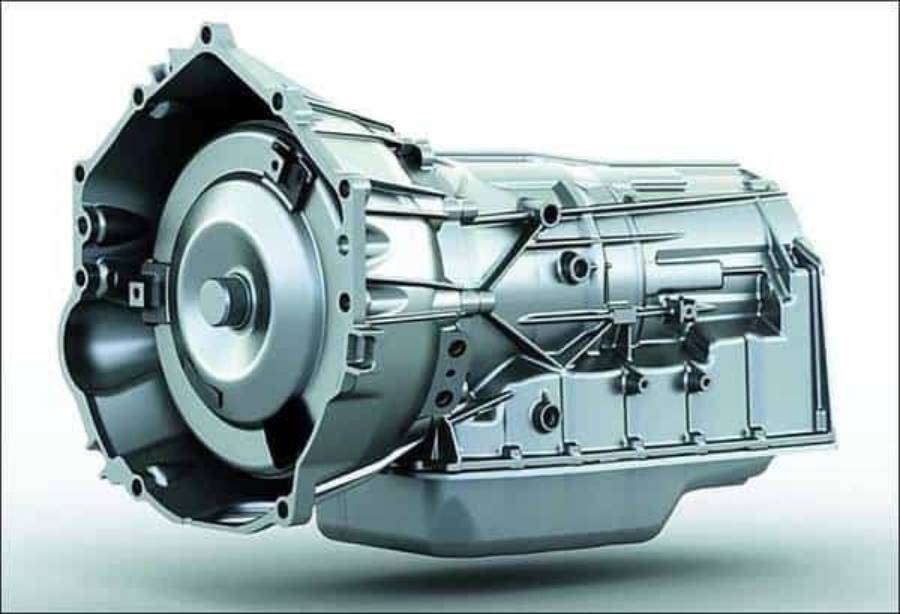
How Many Miles Does a 6L90 Transmission Typically Last?
A GM 6L90 transmission can last approximately 150,000 to 200,000 miles, although this range is a general estimate rather than a verified average across all vehicles. Some units require major repairs before 150,000 miles, while others remain operational beyond 200,000 miles. The actual lifespan depends on maintenance history, operating temperature, towing demands, and internal component wear.
The 6L90 is a six-speed automatic transmission designed for heavier-duty applications than the GM 6L80. Its internal components are engineered to handle higher torque loads, making it suitable for vehicles such as the Chevrolet Silverado 2500HD and GMC Sierra 2500HD in applicable configurations. However, greater torque capacity does not guarantee a longer service life because transmission durability also depends on operating conditions.
Transmission mileage alone cannot determine the remaining service life of a 6L90. A unit with 180,000 miles, consistent fluid maintenance, and normal shifting behavior may be in better mechanical condition than one with 100,000 miles that has experienced repeated overheating or prolonged operation with deteriorated fluid. Service records, diagnostic results, and actual transmission performance provide a more useful assessment than odometer readings alone.
Can a 6L90 Transmission Last 200,000 Miles?
A 6L90 transmission can reach 200,000 miles without a complete rebuild, provided its internal components remain in good condition and it operates within appropriate temperature and load limits. Reaching this mileage is possible, but there is no established failure-rate dataset demonstrating that every properly maintained 6L90 will achieve it.
Regular transmission maintenance supports longevity by preserving fluid lubrication, hydraulic operation, and clutch engagement. Automatic transmission fluid lubricates moving components, transfers hydraulic pressure, and helps remove heat generated by internal friction. As fluid deteriorates through heat exposure and contamination, its ability to protect transmission components can decline, increasing the risk of accelerated wear.
For example, a 6L90 installed in a Chevrolet Silverado HD primarily used for highway driving may experience different mechanical stresses than the same transmission used for frequent heavy towing. Sustained towing places greater demands on the torque converter, clutch assemblies, and cooling system. Consequently, two transmissions with identical mileage can have substantially different levels of internal wear.
Can a 6L90 Transmission Last 300,000 Miles?
A 6L90 transmission can remain operational at 300,000 miles, but this should be considered an exceptional mileage outcome rather than a standard lifespan expectation. Reaching this distance depends on accumulated mechanical wear, operating conditions, maintenance quality, and whether major components have been repaired or replaced.
High-mileage durability is closely related to the condition of the torque converter, clutch packs, valve body, and hydraulic system. These components experience repeated mechanical or hydraulic loading during normal operation. Over time, friction materials wear, seals age, and internal clearances can change, potentially reducing the transmission’s ability to maintain consistent hydraulic pressure and smooth gear engagement.
A 6L90 that reaches 300,000 miles after receiving a replacement torque converter or an internal rebuild should also be distinguished from an original, never-rebuilt transmission. Both may have accumulated the same vehicle mileage, but their component service histories differ significantly. For this reason, documented maintenance and repair records are essential when evaluating claims of exceptionally long transmission life.
For owners seeking maximum mileage, preventing overheating, following the applicable GM service schedule, and investigating abnormal shifting behavior early are more practical strategies than relying on a specific mileage target.
What Factors Affect the Lifespan of a 6L90 Transmission?
The four main factors affecting the lifespan of a 6L90 transmission are transmission fluid maintenance, operating temperature, towing loads, and driving habits. These factors determine how quickly internal components deteriorate and whether the transmission maintains proper lubrication, hydraulic pressure, and clutch engagement throughout its service life.
Transmission fluid maintenance directly affects 6L90 durability because automatic transmission fluid performs three essential functions: lubricating moving components, transferring hydraulic pressure, and dissipating heat. As the fluid ages, thermal degradation and contamination can reduce its effectiveness. Friction material particles and metallic debris may accumulate in the fluid, contributing to valve body wear, restricted hydraulic passages, and inconsistent clutch operation. Following the applicable GM maintenance schedule and using the specified transmission fluid helps reduce these risks.
Operating temperature is another major factor because excessive heat accelerates transmission fluid oxidation, seal deterioration, and friction material wear. The 6L90 generates heat through torque converter operation, clutch engagement, and internal mechanical friction. Its cooling system transfers this heat away from the transmission to maintain suitable operating conditions. When cooling efficiency decreases or mechanical loads become excessive, elevated fluid temperatures can accelerate component deterioration. Repeated overheating is particularly damaging because thermal stress affects both the fluid and the components it protects.
Towing loads influence transmission longevity by increasing the torque and heat generated during vehicle operation. When a Chevrolet Silverado HD or GMC Sierra HD equipped with a 6L90 pulls a heavy trailer, the transmission must transfer substantial engine torque while managing repeated gear changes and torque converter operation. Climbing steep grades, accelerating with a loaded trailer, and driving in mountainous terrain can increase thermal and mechanical stress. The effects depend on trailer weight, vehicle configuration, cooling capacity, and whether the vehicle operates within its manufacturer-rated towing limits.
Driving habits also determine how much mechanical stress the 6L90 experiences over time. Frequent hard acceleration, abrupt throttle changes, and aggressive driving under heavy loads increase demands on the transmission’s clutch assemblies and hydraulic control system. Stop-and-go driving introduces repeated acceleration and shifting cycles, while steady highway driving generally involves fewer gear changes. However, highway operation with a heavy trailer can still impose substantial loads, making driving conditions more important than road type alone.
These four factors interact rather than affecting transmission life independently. For example, frequent towing increases heat generation, while deteriorated transmission fluid may provide less effective protection under the same operating conditions. The combination can accelerate torque converter clutch wear, internal friction material deterioration, and hydraulic system problems.
A 6L90 transmission that receives appropriate maintenance and operates within its intended load and temperature limits has a better chance of reaching high mileage than one exposed to repeated overheating, neglected servicing, and excessive mechanical stress. Nevertheless, maintenance cannot eliminate manufacturing defects, age-related wear, or unexpected component failures. Evaluating transmission longevity therefore requires considering its complete operating and maintenance history rather than relying on mileage alone.
What Are the Most Common Causes of 6L90 Transmission Failure?
The four major causes of 6L90 transmission failure are torque converter problems, clutch pack wear, valve body malfunctions, and transmission fluid contamination. These problems can disrupt hydraulic pressure, reduce torque transfer efficiency, and accelerate internal component deterioration. Although they can develop independently, damage to one component can also affect other parts of the transmission through heat generation, fluid contamination, and abnormal operating pressure.
The GM 6L90 relies on a hydraulic control system and multiple clutch assemblies to engage its six forward gears. Proper operation requires coordinated clutch application, adequate fluid pressure, and accurate electronic control. When these functions deteriorate, the transmission may develop slipping, harsh shifting, delayed engagement, or complete loss of drive. Identifying the underlying mechanical problem is essential because similar symptoms can originate from different components.
How Can Torque Converter Problems Damage a 6L90 Transmission?
Torque converter problems can damage a 6L90 transmission by generating excessive heat, releasing friction material into the transmission fluid, and disrupting torque transfer. The torque converter connects the engine to the automatic transmission through a fluid coupling, while its internal lockup clutch reduces slippage under suitable driving conditions. Deterioration of this clutch can produce shuddering, inconsistent engagement, and additional heat.
Torque converter clutch wear becomes particularly damaging when friction material separates from its intended surface and circulates through the transmission fluid. Contaminated fluid can carry debris into the valve body, hydraulic passages, and other internal components. This contamination may interfere with pressure regulation and contribute to accelerated wear. Continued operation with a deteriorating torque converter can therefore turn a localized component problem into a more extensive transmission repair.
For example, a 6L90-equipped truck that develops repeated vibration during light acceleration or steady-speed torque converter clutch engagement may have a converter-related problem. However, similar vibrations can originate from engine misfires, driveline components, or other transmission faults. Diagnostic trouble codes, scan-tool data, and controlled road testing are needed to distinguish torque converter clutch problems from unrelated causes.
How Does Clutch Pack Wear Cause 6L90 Transmission Failure?
Clutch pack wear causes 6L90 transmission failure when friction elements lose their ability to hold the required torque during gear engagement. The transmission uses multiple clutch assemblies to establish different gear ratios. Each assembly depends on hydraulic pressure to compress friction plates and steel plates together, allowing engine torque to pass through the appropriate planetary gear components.
When clutch friction material deteriorates or hydraulic apply pressure becomes insufficient, the affected clutch can slip instead of maintaining a firm connection. Slippage generates additional heat, which accelerates friction material degradation and can damage adjacent steel plates. This creates a progressive failure cycle in which reduced holding capacity produces more slippage, higher temperatures, and further internal wear.
For example, a worn clutch assembly may cause engine speed to rise unexpectedly during a gear change without a corresponding increase in vehicle speed. This condition, known as shift flare, can indicate inadequate clutch holding capacity or an underlying hydraulic control problem. Continued driving with significant clutch slippage can cause extensive internal damage and eventually require transmission rebuilding or replacement.
Clutch wear is not always caused by friction material deterioration alone. Hydraulic leaks, damaged seals, pressure regulation problems, and electronic control faults can also prevent proper clutch engagement. A complete diagnosis must therefore evaluate both the mechanical condition of the clutch assemblies and the hydraulic system responsible for applying them.
Valve body malfunctions represent another important failure mechanism because the valve body regulates transmission fluid flow to the internal clutch assemblies. Its hydraulic passages, control valves, and electronically operated solenoids help determine when and how individual clutches engage. Wear, sticking valves, or pressure-control problems can produce delayed shifts, harsh engagement, incorrect clutch application, and inconsistent shifting behavior. These symptoms may resemble internal clutch failure even when the primary fault originates in hydraulic control.
Transmission fluid contamination can accelerate damage throughout the 6L90 because its hydraulic and lubrication systems depend on fluid circulating through narrow passages and precision components. Metallic particles, clutch friction debris, and degraded fluid deposits can interfere with valve movement, contribute to component abrasion, and restrict normal fluid flow. Contamination becomes especially concerning after a major internal failure because debris may remain in the transmission cooler and associated lines. A proper repair must address contaminated components and the cooling circuit rather than replacing only the visibly damaged part.
The severity of a 6L90 transmission problem depends on how early the underlying fault is identified. A hydraulic control issue discovered before significant clutch damage may require a less extensive repair than a transmission operated for thousands of miles with persistent slipping and contaminated fluid. Once multiple clutch assemblies, the torque converter, or other internal components are damaged, rebuilding or replacing the transmission may become the more practical solution.
What Are the Signs That a 6L90 Transmission Is Failing?
The four main signs of a failing 6L90 transmission are gear slipping, hard or delayed shifting, torque converter shudder, and transmission overheating. These symptoms indicate potential problems with internal clutch assemblies, hydraulic pressure regulation, torque converter operation, or transmission cooling. Identifying them early can help prevent additional component damage and reduce the likelihood of a complete transmission failure.
Gear slipping occurs when the transmission fails to maintain the intended gear ratio under engine load. Drivers may notice engine RPM increasing without a corresponding rise in vehicle speed, particularly during acceleration or gear changes. In the 6L90, slipping can result from worn clutch friction plates, insufficient hydraulic pressure, damaged internal seals, or malfunctioning pressure-control components. Continued slipping generates excessive heat and accelerates friction material deterioration, potentially damaging multiple clutch assemblies.
Hard or delayed shifting indicates that the transmission is not engaging gears with the expected timing or smoothness. A hard shift may produce a noticeable jolt when changing gears, while delayed engagement occurs when the transmission takes longer than expected to respond after selecting Drive or Reverse. These symptoms can develop from valve body wear, hydraulic pressure irregularities, deteriorated transmission fluid, or internal clutch problems. Because the 6L90 uses electronically controlled hydraulic shifting, diagnostic trouble codes and transmission control data are important for identifying the actual cause.
Torque converter shudder produces a vibration or shaking sensation during acceleration or steady-speed driving when the torque converter clutch is applying or operating with controlled slip. The sensation may resemble driving over a rough road surface and can become more noticeable under light throttle. Torque converter clutch friction deterioration, fluid-related friction problems, and irregular clutch engagement can contribute to this condition. However, engine misfires, worn driveline components, and tire-related vibrations can produce similar symptoms, making professional diagnosis necessary before replacing the converter.
Transmission overheating is another warning sign because excessive operating temperatures accelerate fluid degradation and internal component wear. The 6L90 generates heat during torque transfer, gear changes, and torque converter operation. Heavy towing, restricted transmission cooling, inadequate fluid levels, and prolonged clutch slipping can increase thermal stress. Warning messages, unusually high transmission temperature readings, deteriorated fluid, or changes in shift quality may indicate an overheating problem. A single temperature reading should be evaluated against the vehicle manufacturer’s specifications and actual operating conditions rather than an arbitrary universal threshold.
Several symptoms can appear together as transmission damage progresses. For example, a worn torque converter clutch may generate friction debris that contaminates the hydraulic system, contributing to irregular shifting and additional heat generation. Similarly, insufficient clutch apply pressure can cause slipping, which increases fluid temperature and accelerates friction material wear. These interconnected failures explain why ignoring an early warning sign can lead to more extensive internal damage.
A 6L90 displaying persistent slipping, severe engagement problems, repeated overheating warnings, or loss of drive should be inspected before continued operation. Diagnosis should include retrieving transmission-related trouble codes, reviewing relevant scan-tool data, checking fluid condition using the manufacturer-approved procedure, and evaluating transmission behavior during an appropriate road test. These steps help distinguish electrical and hydraulic control problems from mechanical failures that require internal repair.
How Can You Make a 6L90 Transmission Last Longer?
The five most effective ways to extend the lifespan of a 6L90 transmission are changing transmission fluid at the appropriate intervals, using the correct automatic transmission fluid, preventing overheating, reducing excessive towing stress, and addressing shifting problems early. These practices help preserve hydraulic pressure, reduce internal friction, and protect the torque converter and clutch assemblies from premature wear.
Preventive maintenance is particularly important because the 6L90 operates through a combination of hydraulic pressure, electronically controlled shifting, and mechanical clutch engagement. When transmission fluid deteriorates or operating temperatures become excessive, these systems experience additional stress. Maintaining proper operating conditions reduces avoidable wear, although it cannot prevent every mechanical or electronic failure.
How Often Should You Change the Fluid in a 6L90 Transmission?
A 6L90 transmission should receive fluid and filter service according to the maintenance schedule for its specific GM vehicle, model year, and operating conditions. There is no single service interval that applies to every 6L90 application because General Motors specifies maintenance requirements based on vehicle configuration and usage.
Vehicles operating under severe conditions, including frequent heavy towing, mountainous driving, and demanding commercial use, may require more frequent transmission servicing than vehicles used primarily for normal highway transportation. For example, some GM maintenance schedules specify automatic transmission fluid and filter replacement at approximately 45,000 miles under severe operating conditions. This figure is application-dependent and should not be treated as a universal 6L90 service interval.
Transmission fluid gradually deteriorates because of repeated heating, mechanical shearing, and contamination from normal component wear. As fluid quality declines, its lubrication and friction characteristics can change, affecting clutch engagement and hydraulic control. Replacing deteriorated fluid and the serviceable filter helps maintain fluid cleanliness and reduces the circulation of abrasive particles through sensitive transmission components.
Owners should also distinguish routine fluid maintenance from repairs involving an already damaged transmission. Changing fluid cannot restore worn clutch friction material, repair damaged seals, or correct a failing torque converter. A 6L90 exhibiting significant slipping, abnormal noises, or severe shifting problems should undergo diagnosis before a fluid service is considered the solution.
What Transmission Fluid Should You Use in a 6L90?
The GM 6L90 transmission generally requires automatic transmission fluid meeting the DEXRON-VI specification, subject to confirmation in the vehicle’s official service documentation. DEXRON-VI is a General Motors automatic transmission fluid specification designed to provide appropriate lubrication, friction characteristics, oxidation resistance, and hydraulic performance in compatible transmissions.
Using the correct fluid matters because the 6L90 depends on controlled friction between clutch plates during gear engagement. Automatic transmission fluid must provide sufficient lubrication while maintaining the friction characteristics required for smooth and consistent clutch operation. An incompatible fluid can alter clutch engagement behavior, contribute to shift quality problems, and interfere with normal torque converter clutch operation.
Transmission fluid level is equally important. Insufficient fluid can cause inadequate hydraulic pressure, poor lubrication, and overheating, while excessive fluid can contribute to aeration and irregular hydraulic operation. The 6L90 requires a specific fluid-level checking procedure involving the appropriate transmission temperature and vehicle conditions. Owners should follow the relevant GM service instructions rather than relying on a cold fluid reading or an estimated fill quantity.
Preventing overheating helps protect the 6L90 because excessive heat accelerates fluid oxidation, hardens seals, and increases friction material deterioration. The transmission cooling system removes heat generated by the torque converter, internal friction, and hydraulic operation. Maintaining the transmission cooler, checking for restricted cooling lines, and ensuring the vehicle’s engine cooling system operates correctly help preserve effective heat transfer. Drivers who tow frequently should also monitor transmission temperature through the vehicle’s available instrumentation and respond promptly to overheating warnings.
Reducing excessive towing stress limits the mechanical and thermal loads placed on internal transmission components. Heavy trailers increase the torque required during acceleration and hill climbing, while repeated shifting under load generates additional heat. Owners should remain within the vehicle manufacturer’s towing and gross combined weight ratings, use the recommended tow/haul operating mode when appropriate, and avoid sustained operation under conditions that cause transmission temperatures to rise excessively. Tow/haul mode adjusts transmission behavior for demanding loads, but it does not increase the vehicle’s rated towing capacity.
Addressing shifting problems early can prevent localized faults from developing into extensive internal damage. Symptoms such as torque converter shudder, delayed engagement, slipping, or unusually harsh shifts may indicate hydraulic control problems, deteriorating friction components, or electronic faults. For example, identifying a pressure-control problem before prolonged clutch slipping occurs may reduce the risk of additional clutch damage. Diagnostic scanning and inspection should be performed when abnormal behavior persists rather than waiting for the transmission to lose drive completely.
Consistent maintenance cannot guarantee that a 6L90 will reach 200,000 miles, but it reduces several controllable causes of premature failure. The most effective maintenance strategy combines manufacturer-specified fluid service, correct fluid selection, proper cooling, responsible load management, and early diagnosis of mechanical problems. Together, these practices improve the transmission’s chances of remaining reliable throughout high-mileage operation.
Is the 6L90 Transmission More Durable Than the 6L80?
The GM 6L90 transmission has a higher torque-handling capacity than the 6L80, but it does not necessarily last longer in real-world driving conditions. Both transmissions belong to General Motors’ six-speed automatic transmission family and share similar operating principles. The 6L90 incorporates design changes intended to support heavier-duty applications, while the 6L80 is primarily associated with lighter-duty trucks, SUVs, and performance vehicles.
The main mechanical difference between the two transmissions involves their torque capacity and internal component specifications. The 6L90 uses a reinforced design with components suited to higher torque loads, including differences in clutch capacity and internal hardware. These modifications allow the transmission to operate in applications that place greater demands on the drivetrain. However, increased mechanical capacity does not eliminate wear caused by overheating, inadequate lubrication, or repeated clutch slipping.
The 6L80 is commonly found in vehicles such as the Chevrolet Silverado 1500, GMC Sierra 1500, and certain Chevrolet Tahoe and Cadillac Escalade models. The 6L90 is used in selected heavier-duty applications, including Chevrolet Silverado HD, GMC Sierra HD, and GM full-size vans. Exact transmission availability varies by model year, engine, and vehicle configuration. These application differences are important because the operating loads experienced by each transmission can vary substantially.
Both the 6L80 and 6L90 can reach high mileage with appropriate maintenance, but neither has a universally established lifespan advantage. A 6L80 used primarily for light-duty highway driving may experience less mechanical stress than a 6L90 regularly subjected to heavy towing and commercial workloads. Conversely, a properly maintained 6L90 operating within its intended capacity may withstand demanding conditions better than a transmission designed for lighter applications.
The two transmissions also share several potential failure mechanisms, including torque converter clutch deterioration, internal clutch wear, valve body problems, and fluid contamination. These problems can affect shift quality, generate excessive heat, and eventually require major repairs. The severity and frequency of individual failures depend on transmission condition, operating history, and application-specific factors rather than transmission model alone.
For owners comparing the 6L90 and 6L80, the 6L90 is the more heavy-duty design, but maintenance history and operating conditions are stronger indicators of remaining service life than torque capacity alone. A well-maintained 6L80 with 150,000 miles may be in better condition than a heavily used 6L90 with fewer miles. Evaluating fluid condition, shift performance, diagnostic information, and previous repairs provides a more reliable basis for assessing durability than assuming the stronger transmission will automatically last longer.
Read more: 4L80E Transmission Upgrades: Best Parts & Tips
Is a High-Mileage 6L90 Transmission Still Reliable?
A high-mileage 6L90 transmission can remain reliable beyond 150,000 miles if its internal components are in good condition, maintenance has been consistent, and no significant shifting or hydraulic problems are present. However, mileage alone cannot establish transmission reliability because two units with identical odometer readings may have experienced substantially different operating loads, maintenance practices, and mechanical wear.
A 6L90 with 150,000 to 200,000 miles requires careful evaluation because the torque converter, clutch packs, valve body, and internal seals have undergone extensive operating cycles. These components gradually deteriorate through friction, heat exposure, and repeated hydraulic pressure changes. Although normal wear does not automatically indicate imminent failure, accumulated deterioration can increase the likelihood of slipping, delayed engagement, or inconsistent shifting.
Maintenance history is one of the most useful indicators of high-mileage 6L90 reliability. Service records should document transmission fluid and filter changes, previous repairs, and any recurring transmission complaints. A unit maintained according to the applicable GM service schedule has a more favorable maintenance history than one with unknown fluid service or repeated overheating incidents. Nevertheless, documented maintenance cannot guarantee that internal components are free from damage.
Transmission fluid condition provides additional information about internal wear and operating history. Fluid containing excessive metallic particles, substantial friction debris, or a strong burnt odor may indicate overheating or internal component deterioration. However, fluid color alone cannot reliably determine transmission health because automatic transmission fluid naturally changes appearance during service. A proper inspection should consider fluid condition alongside shift performance, diagnostic findings, and maintenance records.
Shift quality is another important factor when evaluating a used 6L90 transmission. During an appropriate road test, the transmission should engage Drive and Reverse without abnormal delays and shift through its available gears without persistent slipping, severe jolts, or unexpected engine-speed increases. Testing should include normal acceleration, steady-speed driving, and deceleration when road and vehicle conditions permit. Irregular shifting can indicate clutch wear, hydraulic pressure problems, or electronic control faults that require further investigation.
Diagnostic scanning helps identify problems that may not be obvious during a short road test. A compatible scan tool can retrieve transmission-related diagnostic trouble codes and display operating information such as transmission fluid temperature, commanded gear, and torque converter clutch behavior where supported. For example, a stored transmission-related code may direct attention toward a pressure-control, shift-performance, or electrical problem. However, the absence of diagnostic trouble codes does not prove that a high-mileage transmission is mechanically sound.
Previous repairs also influence the remaining service life of a 6L90. A transmission with 180,000 miles and a properly documented rebuild may contain newer internal components than an original unit with 120,000 miles. The quality of replacement parts, repair procedures, and workmanship determines whether those repairs improve long-term reliability. A replacement torque converter alone should not be interpreted as a complete transmission rebuild because other internal components may retain their original accumulated wear.
For used-truck buyers, a high-mileage 6L90 should be evaluated through service records, fluid inspection, diagnostic scanning, and transmission performance rather than mileage alone. A professional inspection is especially valuable when purchasing a vehicle with an unknown towing history or previous transmission complaints. Persistent slipping, repeated overheating, significant fluid contamination, or abnormal engagement behavior should be investigated before purchase because these conditions may indicate repairs that substantially increase the vehicle’s total ownership cost.
Is It Better to Rebuild or Replace a Failing 6L90 Transmission?
Rebuilding a 6L90 transmission is generally preferable when its major internal components are repairable and the total repair cost is lower than replacement. Replacing the transmission is often the better option when extensive internal damage, severe fluid contamination, or multiple component failures make rebuilding uneconomical. The decision depends on the transmission’s mechanical condition, repair costs, replacement availability, warranty coverage, and the vehicle’s remaining service life.
A transmission rebuild involves disassembling the existing 6L90, inspecting its internal components, and replacing damaged or worn parts. Depending on the failure, this process may include new clutch friction plates, seals, gaskets, bearings, and torque converter components. A replacement involves installing another transmission assembly, which may be used, rebuilt, or remanufactured. Each option has different costs, reliability considerations, and warranty conditions.
How Much Does It Cost to Rebuild a 6L90 Transmission?
Rebuilding a GM 6L90 transmission may cost approximately $2,500 to $4,500 in the United States, although this is a preliminary budgeting estimate rather than a verified current market average. The final price depends on labor rates, internal damage, replacement parts, and whether the torque converter or other major components require replacement.
Labor represents a substantial portion of the rebuilding expense because the transmission must be removed, disassembled, inspected, repaired, reassembled, and tested. Additional costs arise when technicians discover damaged clutch drums, worn hydraulic components, or excessive metallic contamination. A rebuild involving only routine wear components generally requires fewer replacement parts than one involving extensive mechanical damage.
Torque converter condition also affects rebuilding costs. When a failing torque converter releases friction debris into the transmission fluid, contamination may spread through the valve body, internal passages, and cooling system. A complete repair may require torque converter replacement, hydraulic system inspection, and transmission cooler cleaning or replacement. Reusing contaminated components can introduce debris into the repaired transmission and increase the risk of another failure.
For example, a 6L90 experiencing isolated clutch wear may be economically rebuildable when its major hard parts remain serviceable. However, a transmission with damaged planetary gear components, severe overheating, and extensive metallic contamination may require enough additional parts and labor to make a replacement assembly more practical.
How Much Does It Cost to Replace a 6L90 Transmission?
Replacing a 6L90 transmission may cost approximately $3,500 to $6,500 or more for a professionally installed rebuilt or remanufactured unit in the United States. This is a broad planning estimate, not a verified current quotation. Actual costs vary by vehicle application, transmission supplier, labor rate, warranty, and installation requirements.
A used 6L90 transmission generally has a lower initial purchase price than a remanufactured unit, but its remaining lifespan is less predictable. Used transmissions may have incomplete maintenance records, unknown towing histories, or internal wear that is not apparent before installation. A lower purchase price can therefore be offset by additional labor expenses if the replacement develops problems.
A remanufactured 6L90 typically undergoes a more standardized restoration process involving disassembly, inspection, replacement of specified wear components, and testing. The exact procedures vary by supplier, so buyers should verify which internal parts are replaced, whether the torque converter is included, and what testing is performed. Warranty terms are particularly important because some warranties cover replacement parts but exclude labor, towing, or related installation expenses.
The total replacement cost should also account for transmission fluid, filters, seals, cooler servicing, installation labor, and any required programming or setup procedures. Compatibility must be confirmed using the vehicle’s model year, engine, drivetrain configuration, and transmission identification information. Not every 6L90 assembly is interchangeable across GM applications without additional considerations.
The best repair decision comes from comparing complete written estimates rather than transmission prices alone. For example, rebuilding may be financially attractive when the transmission has limited internal damage and the repair shop provides a comprehensive warranty. A remanufactured replacement may offer better value when extensive damage makes rebuilding expensive or when the replacement includes stronger warranty coverage.
Vehicle condition should influence the final decision. Installing an expensive replacement transmission in a truck with significant engine problems, structural corrosion, or other major repair needs may not be economically justified. Conversely, replacing a failed 6L90 in an otherwise well-maintained vehicle can extend its useful life and avoid the higher cost of purchasing another truck.
Ultimately, rebuild a 6L90 when the existing transmission is economically repairable, and consider replacement when internal damage is extensive or a suitable replacement provides better overall value and warranty protection. Neither option guarantees a specific additional mileage lifespan. Repair quality, component condition, maintenance, and future operating demands remain the primary factors determining how long the repaired or replacement transmission will last.