G37 valve body replacement involves removing the faulty hydraulic control assembly from the Infiniti G37 automatic transmission and installing a compatible replacement. The valve body controls transmission fluid pressure and directs hydraulic flow to engage the appropriate gears. When it malfunctions, the transmission may experience harsh shifting, delayed gear engagement, slipping, or difficulty changing gears. However, these symptoms can also result from defective solenoids, low transmission fluid, or internal transmission damage.
The cost of replacing an Infiniti G37 valve body depends on the transmission type, replacement part, labor charges, and programming requirements. The G37 uses different automatic transmission configurations, including the 5-speed RE5R05A and 7-speed RE7R01A, depending on the model year and vehicle specifications. These differences affect valve body compatibility, installation procedures, and electronic control requirements.
Replacing a G37 valve body typically involves draining the transmission fluid, removing the transmission pan, disconnecting the valve body assembly, installing the replacement, and refilling the transmission with the specified fluid. Certain configurations also require transmission control module programming or initialization after installation. This guide explains the symptoms of valve body failure, diagnostic methods, replacement costs, installation procedures, and factors that determine whether repairing or replacing the assembly is the better option.
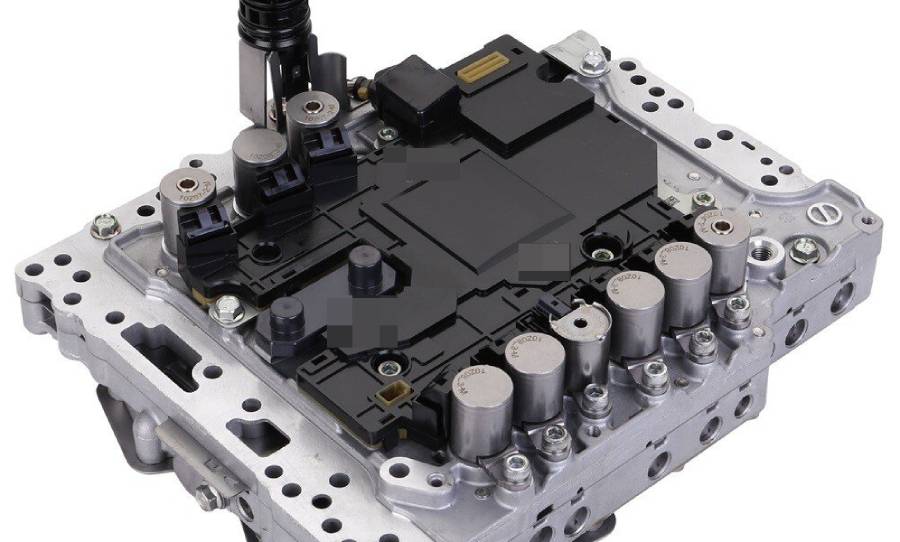
What Are the Symptoms of a Bad Valve Body in an Infiniti G37?
The most common symptoms of a bad Infiniti G37 transmission valve body include harsh shifting, delayed gear engagement, transmission slipping, irregular gear changes, and transmission fail-safe mode. These problems occur when the valve body cannot properly regulate hydraulic pressure or direct transmission fluid to the appropriate clutch circuits. Symptoms vary depending on whether the failure involves a shift solenoid, pressure-control component, internal valve, or transmission control electronics.
Harsh shifting occurs when the transmission engages a gear with excessive or poorly controlled hydraulic pressure. G37 drivers may notice a sudden jolt when shifting from first to second gear, downshifting during deceleration, or selecting Drive or Reverse. Worn valve bores, sticking control valves, and malfunctioning pressure-control solenoids can disrupt the gradual clutch engagement required for smooth shifting. However, worn transmission mounts and internal clutch problems can produce similar sensations.
Delayed gear engagement happens when the transmission takes longer than expected to engage Drive or Reverse after the gear selector is moved. A malfunctioning valve body may fail to supply hydraulic pressure to the required clutch circuit quickly enough. The engine may continue idling without immediate vehicle movement, followed by a sudden engagement. Low transmission fluid, worn clutch seals, and internal hydraulic leaks must also be considered during diagnosis.
Transmission slipping occurs when engine speed increases without a corresponding increase in vehicle speed. Incorrect hydraulic pressure can prevent transmission clutches from maintaining sufficient holding force under acceleration. Repeated slipping generates heat and accelerates friction material wear, potentially causing damage beyond the valve body itself.
Irregular shifting and fail-safe operation can occur when the transmission control system detects abnormal gear ratios, solenoid operation, or hydraulic performance. The G37 may hold a particular gear, refuse certain shifts, or illuminate a transmission-related warning indicator. These symptoms require diagnostic scanning because electronic faults, wiring problems, and internal transmission damage can trigger similar behavior.
How Do You Diagnose a Bad G37 Transmission Valve Body?
Diagnosing a bad G37 transmission valve body requires checking transmission fault codes, inspecting fluid condition, evaluating electrical components, and verifying hydraulic operation before replacing the assembly. A valve body should not be condemned based on shifting symptoms alone because low fluid pressure, damaged wiring, faulty sensors, and worn transmission clutches can produce nearly identical problems.
Begin by scanning the transmission control system with a diagnostic tool capable of accessing Infiniti transmission data. Generic OBD-II scanners may retrieve powertrain codes but lack the manufacturer-specific information needed for detailed transmission diagnosis. Relevant diagnostic trouble codes include P0750-series shift-solenoid faults, P0776 pressure-control solenoid performance faults, and P0730 incorrect gear ratio faults, depending on the transmission and detected malfunction. These codes identify affected systems rather than proving that the complete valve body has failed.
Next, inspect the transmission fluid using the fluid-level and temperature procedures specified for the exact G37 transmission. Low fluid levels can cause delayed engagement and slipping because the hydraulic pump cannot maintain the pressure required for consistent clutch operation. Burnt-smelling fluid, excessive friction debris, or metallic particles may indicate internal transmission wear. Significant metal contamination requires further investigation because installing a replacement valve body will not repair damaged gears, bearings, or clutch assemblies.
A qualified technician can then evaluate transmission live data, commanded gear changes, solenoid operation, and hydraulic pressure against the applicable factory service specifications. These tests help determine whether the transmission is receiving incorrect electronic commands, losing hydraulic pressure, or experiencing internal mechanical failure.
How Can You Tell Whether the Valve Body or a Solenoid Is Faulty?
Distinguishing a faulty valve body from a defective solenoid requires electrical testing and hydraulic diagnosis. A solenoid controls fluid flow or pressure in response to electrical commands, while the valve body contains the hydraulic passages and control valves that distribute transmission fluid. A malfunction in either component can interrupt clutch engagement and cause shifting problems.
Electrical diagnosis begins with inspecting the transmission wiring harness, connectors, power supply, and control circuits. Solenoid resistance and circuit continuity should be tested against the specifications for the installed transmission. An open circuit, short circuit, or resistance reading outside the specified range can indicate an electrical fault. However, a solenoid may pass a resistance test and still malfunction mechanically, so electrical resistance alone cannot confirm proper operation.
Hydraulic diagnosis focuses on pressure regulation and fluid movement through the valve body. Sticking valves, worn valve bores, and internal leakage can prevent correct pressure delivery even when the solenoids receive valid electrical commands. For example, a pressure-control solenoid may respond correctly during an active diagnostic test while excessive leakage inside the valve body prevents the transmission from achieving the commanded pressure.
The repair decision also depends on the transmission configuration. The Infiniti G37’s RE5R05A 5-speed and RE7R01A 7-speed automatic transmissions have different valve body and electronic control arrangements. Some faults can be addressed by replacing an individually serviceable component, while others require a complete compatible control assembly and additional electronic procedures.
A complete valve body replacement is justified when testing confirms a fault within the assembly that cannot be reliably corrected through an individual component repair. If diagnostic results instead identify damaged wiring, incorrect fluid levels, or internal clutch wear, those problems must be addressed rather than replacing a functioning valve body.
How Much Does G37 Valve Body Replacement Cost?
G37 valve body replacement typically costs an estimated $700–$2,000 at a US repair shop, including the replacement assembly, labor, transmission fluid, and related service materials. The final price depends on the Infiniti G37 model year, transmission configuration, valve body condition, and local labor rates. Repairs involving an OEM assembly or additional transmission control programming can exceed this estimated range.
The Infiniti G37 uses the RE5R05A 5-speed automatic transmission in certain earlier configurations and the RE7R01A 7-speed automatic transmission in later configurations. These transmissions use different valve body assemblies, electronic components, and service procedures. As a result, replacement parts must be matched to the vehicle identification number (VIN), transmission model, and applicable OEM part number before purchase.
The following table provides estimated US repair costs for budgeting purposes rather than verified current supplier quotations.
| Replacement Expense | Estimated Cost |
|---|---|
| Used valve body assembly | $150–$450 |
| Remanufactured valve body | $300–$800 |
| New OEM valve body assembly | $600–$1,200+ |
| Professional labor | $300–$700 |
| Transmission fluid and service materials | $75–$200 |
| Programming or initialization, if required | $100–$250 |
| Typical total replacement cost | $700–$2,000 |
A remanufactured valve body generally costs less than a new OEM assembly while offering a more predictable repair option than an untested used component. However, the lowest-priced replacement is not necessarily the least expensive repair overall. Incorrect part compatibility, defective solenoids, or missing electronic configuration requirements can result in additional labor and repeated transmission service.
How Much Does Labor Cost to Replace a G37 Valve Body?
Labor for G37 valve body replacement is estimated at $300–$700, depending on the repair facility’s hourly rate, transmission configuration, and additional diagnostic or electronic service requirements. The procedure involves accessing the transmission control assembly, removing the transmission pan, disconnecting electrical components, replacing the valve body, and restoring the correct transmission fluid level.
For example, a repair requiring four labor hours at $125 per hour produces a $500 labor charge. A shop charging $175 per hour would bill $700 for the same four-hour estimate. These figures illustrate how labor rates affect the final invoice; actual billed hours must be confirmed using the repair facility’s labor guide and the specific vehicle configuration.
Transmission diagnosis may be billed separately from replacement labor. A technician may need to retrieve transmission fault codes, evaluate solenoid operation, inspect fluid contamination, or perform hydraulic pressure testing before confirming valve body failure. Additional charges may apply when the replacement assembly requires control module configuration, initialization, or post-installation diagnostic procedures.
Replacing the valve body is generally less expensive than replacing the entire automatic transmission when the internal gears, clutch assemblies, and hydraulic components remain serviceable. A complete transmission replacement involves a larger assembly, additional removal and installation work, and potentially more extensive electronic setup. However, replacing only the valve body is not a cost-effective solution when significant internal clutch damage or metallic contamination indicates broader transmission failure.
Before approving the repair, request an itemized estimate identifying the replacement part number, component condition, labor charges, transmission fluid, programming requirements, and warranty coverage. This allows owners to compare repair options based on total cost and compatibility rather than the valve body’s purchase price alone.
How Do You Replace the Valve Body in an Infiniti G37?
Replacing an Infiniti G37 valve body involves draining the transmission fluid, removing the transmission pan, disconnecting the existing valve body, installing a compatible replacement, and completing the required fluid-level and electronic checks. The procedure requires accurate component identification, careful handling of transmission electronics, and adherence to the factory service specifications. Incorrect installation can cause hydraulic pressure loss, transmission fault codes, or additional internal damage.
Before starting, identify whether the vehicle uses the RE5R05A 5-speed or RE7R01A 7-speed automatic transmission. These units have different valve body designs, electrical connections, and service requirements. Confirm the replacement assembly using the vehicle identification number (VIN) and applicable OEM part number. Required equipment includes a vehicle lift or properly rated jack stands, a transmission drain pan, metric sockets, a calibrated torque wrench, suitable cleaning materials, replacement seals, and the manufacturer-specified automatic transmission fluid.
How Do You Remove the G37 Transmission Valve Body?
Removing the G37 transmission valve body requires accessing the hydraulic control assembly inside the transmission pan and disconnecting its mechanical and electrical attachments. The transmission must be supported safely, and the removal sequence must follow the service instructions for the installed transmission.
- Prepare the vehicle. Park on a level surface, secure the parking brake, and allow the transmission to cool. Raise the vehicle using approved lifting points and support it with a properly rated lift or jack stands. Never work beneath a vehicle supported only by a hydraulic jack.
- Drain the transmission fluid. Position a suitable drain container beneath the transmission and remove the applicable drain plug according to the service procedure. Collect the fluid and inspect it for metallic particles, burnt odor, or excessive friction material. Significant contamination may indicate internal transmission damage requiring further diagnosis.
- Remove the transmission pan. Loosen the pan fasteners in a controlled sequence and carefully separate the pan from the transmission housing. Remove any remaining fluid and inspect the pan magnets for abnormal metal accumulation. Clean the pan and sealing surfaces without introducing debris into the transmission.
- Disconnect the valve body components. Identify the electrical connectors, internal wiring, and mechanical attachments associated with the valve body. Disconnect them according to the transmission-specific service manual. Avoid pulling directly on wiring or damaging connector locking mechanisms.
- Remove the valve body assembly. Support the assembly while removing its retaining bolts in the specified sequence. Carefully lower the valve body without disturbing loose hydraulic components, seals, or other transmission-specific parts. Keep fasteners organized because bolt lengths and installation positions may differ.
After removal, inspect the exposed transmission surfaces and accessible components for damage, contamination, or displaced seals. Compare the original assembly with the replacement to verify matching hydraulic passages, electrical connections, and mounting locations. Do not install a replacement that differs from the required transmission configuration without documented compatibility.
How Do You Install a New G37 Valve Body?
Installing a replacement G37 valve body requires positioning the correct assembly, securing its hydraulic and electrical connections, reinstalling the transmission pan, and restoring the specified transmission fluid level. Accurate alignment and fastening are essential because the valve body distributes hydraulic pressure to the transmission’s clutch circuits.
- Verify the replacement assembly. Confirm the part number, transmission compatibility, connector arrangement, and supplied seals. Check whether the replacement includes electronic control components that require configuration or programming. Inspect the assembly for shipping damage or contamination before installation.
- Position the valve body. Align the replacement with the transmission housing and any applicable hydraulic passages, seals, and manual valve linkage. Ensure the assembly seats correctly without forcing it into position. Incorrect alignment can interfere with gear selection or cause internal hydraulic leakage.
- Install the retaining bolts. Insert the correct fasteners into their designated locations and tighten them using the sequence and torque specifications provided in the applicable Infiniti factory service manual. Excessive torque can damage aluminum threads or distort components, while insufficient torque can allow hydraulic leakage.
- Reconnect electrical components. Reattach the internal wiring harness and transmission connectors according to the original configuration. Verify that each connector is fully seated and that the wiring is routed away from moving components and sealing surfaces.
- Reinstall the transmission pan. Clean the mating surfaces, install the specified gasket or sealing material, and secure the pan using the manufacturer’s tightening procedure. Replace seals and other single-use components where required by the service instructions.
- Refill the transmission. Add the automatic transmission fluid specified for the vehicle’s transmission. Use the correct factory filling and fluid-level verification procedure, which may require monitoring transmission fluid temperature with a compatible diagnostic tool. Do not estimate the final fluid level solely from the amount drained.
After mechanical installation, scan the transmission control system for stored diagnostic trouble codes and determine whether the replacement requires electronic configuration, initialization, or learning procedures. These requirements depend on the transmission model and the electronic components included in the replacement assembly.
Post-replacement inspection should include checking for fluid leaks, confirming normal gear engagement, monitoring transmission data, and performing a controlled road test after the required service procedures are completed. The transmission should engage Drive and Reverse without abnormal delays and shift through the available gears without unexpected slipping, harsh engagement, or warning indicators.
If shifting problems remain after replacement, verify the fluid level, electrical connections, diagnostic codes, and required control module procedures before assuming the new valve body is defective. Persistent problems may indicate incorrect part compatibility, incomplete electronic setup, or internal transmission damage that was not identified during the original diagnosis.
Does an Infiniti G37 Valve Body Replacement Require Programming?
An Infiniti G37 valve body replacement may require transmission control module (TCM) programming, configuration, or initialization, depending on the transmission model and replacement assembly. The programming requirements differ between the RE5R05A 5-speed and RE7R01A 7-speed automatic transmissions because their electronic control arrangements and service procedures are not identical. Replacing a mechanical hydraulic component does not automatically require programming, but installing an assembly containing transmission control electronics may involve additional procedures.
The TCM regulates transmission operation by processing sensor inputs and controlling shift solenoids and hydraulic pressure. It uses information such as vehicle speed, engine load, transmission temperature, and selected gear to determine shift timing and clutch engagement. When replacement components include electronic control hardware, the transmission may require configuration data or initialization procedures to operate correctly with the vehicle.
For the RE7R01A 7-speed transmission, valve body replacement requires particular attention to the electronic control components associated with the assembly. Depending on the replacement part and service procedure, technicians may need to perform control module configuration or other manufacturer-specified operations using a compatible diagnostic system. The RE5R05A also has transmission control electronics that must be considered during component replacement. However, the required procedures must be determined from the exact transmission configuration rather than assuming that both units follow the same programming process.
Failure to complete required electronic procedures can result in abnormal shifting, delayed engagement, transmission fault codes, or fail-safe operation. These symptoms occur when the transmission control system cannot correctly operate or recognize the installed components. For example, an electronically incompatible replacement assembly may produce shifting problems even when the mechanical installation and transmission fluid level are correct.
After installation, a technician should verify the replacement part number, inspect transmission control data, check for diagnostic trouble codes, and complete any required configuration or learning procedures. Infiniti CONSULT diagnostic equipment or a compatible professional scan tool may be necessary, depending on the operation. Clearing fault codes alone does not substitute for programming or initialization when the factory service procedure requires those operations.
Should You Repair or Replace a Bad G37 Valve Body?
Repairing a G37 valve body is appropriate when the failure is limited to a serviceable component, while replacing the complete assembly is preferable when internal hydraulic wear, multiple component failures, or integrated electronic damage makes individual repairs impractical. The correct decision depends on diagnostic findings, transmission configuration, replacement part availability, and the total repair cost.
Individual repairs may address defective solenoids, damaged electrical connections, or specific hydraulic control problems when the affected components are separately serviceable. For example, a confirmed electrical failure in a replaceable shift solenoid may not justify replacing an otherwise functional valve body. However, solenoid serviceability varies by transmission and component design, so the repair must follow the applicable manufacturer procedures.
Complete valve body replacement becomes more appropriate when worn hydraulic passages, sticking valves, or multiple control faults prevent reliable pressure regulation. Internal valve bore wear can allow transmission fluid to leak between hydraulic circuits, reducing the pressure available for clutch engagement. Replacing an individual solenoid will not correct excessive hydraulic leakage caused by worn valve body surfaces.
The condition of the entire transmission must also be evaluated before selecting a repair. A replacement valve body cannot restore damaged clutch friction material, broken mechanical components, or severely worn internal seals. If the transmission pan contains substantial metallic debris or diagnostic testing confirms internal mechanical failure, a transmission rebuild or replacement may be necessary instead.
Is a Remanufactured G37 Valve Body Worth Buying?
A properly remanufactured G37 valve body is a worthwhile alternative to a new OEM assembly when it matches the transmission specifications, has undergone appropriate testing, and includes reliable warranty coverage. Remanufacturing generally involves disassembling the original unit, cleaning internal passages, inspecting control valves, replacing defective components, and testing the assembly before resale.
The quality of a remanufactured valve body depends on the rebuilding process. A reputable supplier should inspect hydraulic valve bores for wear, verify solenoid operation, and address internal leakage or damaged components. Simply cleaning a used valve body and replacing visibly defective parts does not guarantee that its hydraulic pressure regulation has been restored.
Part compatibility is particularly important for Infiniti G37 transmissions. A valve body intended for the RE5R05A should not be assumed compatible with the RE7R01A, and assemblies from different model years may have distinct electronic or hydraulic specifications. Buyers should verify the OEM part number, transmission application, included electronic components, and programming requirements before ordering.
Warranty terms also affect the overall value of a remanufactured assembly. A lower purchase price offers limited savings if the supplier does not cover a defective replacement or if the repair shop charges additional labor to remove and reinstall it. For example, a $400 remanufactured assembly with documented testing and warranty support may represent a better repair decision than a $250 untested used valve body when repeat installation costs are considered.
A new OEM valve body remains an option when factory parts are available and the owner prioritizes original component specifications. A used assembly is generally the least predictable choice because its previous operating conditions, internal wear, and remaining service life may be unknown. The best replacement option is the assembly that meets the vehicle’s technical requirements and provides the lowest reasonable total repair risk, not simply the lowest purchase price.
How Long Does an Infiniti G37 Valve Body Last?
An Infiniti G37 valve body has no fixed replacement interval and can remain functional throughout much of the transmission’s service life when hydraulic pressure, fluid condition, and electronic controls remain within specifications. Its durability depends on transmission maintenance, operating temperature, internal component wear, and driving conditions. Unlike transmission fluid or certain serviceable components, the valve body is generally replaced when diagnostic testing confirms a malfunction rather than at a predetermined mileage.
Valve body deterioration primarily results from hydraulic wear, fluid contamination, and malfunctioning control components. Repeated movement of internal valves gradually wears their contact surfaces, while contaminated transmission fluid can restrict narrow hydraulic passages or interfere with solenoid operation. Excessive transmission temperatures accelerate fluid degradation and can contribute to varnish deposits that restrict valve movement. These conditions disrupt hydraulic pressure regulation and eventually affect shift quality.
Driving conditions also influence valve body durability. Frequent stop-and-go driving, repeated high-load acceleration, and prolonged operation with overheating or low transmission fluid can increase stress on transmission components. For example, continued driving with delayed gear engagement may allow repeated clutch slipping, generating additional heat and friction material that circulates through the hydraulic system.
Mileage alone cannot determine whether a G37 valve body needs replacement. A transmission with relatively low mileage may develop an electrical or hydraulic control fault, while a higher-mileage unit may continue shifting normally. The most reliable indicators are transmission performance, diagnostic results, fluid condition, and confirmed component faults.
Read more: 68RFE Valve Body Replacement: Symptoms, Steps & Cost
How Can You Prevent G37 Valve Body Problems?
Preventing G37 valve body problems requires maintaining the correct transmission fluid, controlling operating temperatures, repairing leaks, and addressing abnormal shifting before additional damage occurs. These measures reduce contamination and hydraulic stress, although they cannot eliminate age-related wear or electronic component failures.
Transmission fluid maintenance is particularly important because automatic transmission fluid provides hydraulic pressure, lubrication, and heat transfer. Degraded or contaminated fluid can interfere with the small control passages and moving valves inside the valve body. Follow the maintenance requirements applicable to the vehicle’s model year, transmission, and operating conditions. Use only the fluid specification approved for the installed transmission, since incorrect fluid characteristics can affect clutch engagement and shifting performance.
Transmission overheating should also be prevented. Excessive heat accelerates fluid oxidation and can contribute to deposits that interfere with hydraulic control. Maintaining the transmission cooling system, correcting cooling-related faults, and avoiding prolonged operation under abnormal loads help limit thermal stress. Drivers who notice overheating warnings or significant changes in shifting behavior should arrange an inspection rather than continue operating the vehicle under the same conditions.
Transmission fluid leaks require prompt attention because insufficient fluid can reduce hydraulic pressure and interfere with clutch engagement. Common inspection areas include the transmission pan sealing surface, cooler connections, and accessible transmission seals. For example, a persistent pan leak can gradually lower the fluid level, producing delayed engagement or slipping that resembles valve body failure.
Early diagnosis is another important preventive measure. Harsh shifts, delayed engagement, unusual transmission behavior, and warning indicators should be investigated before repeated slipping generates additional heat or clutch debris. A transmission scan and fluid inspection can identify problems that may be corrected without replacing the entire valve body.
Can You Drive an Infiniti G37 With a Bad Valve Body?
Driving an Infiniti G37 with a confirmed faulty valve body is not recommended when the transmission slips, engages unpredictably, loses gears, or enters fail-safe mode. These conditions can reduce vehicle control and cause additional transmission damage. Whether the vehicle can be moved safely depends on the severity of the malfunction, but normal driving should not continue until the problem has been properly evaluated.
A malfunctioning valve body can prevent the transmission from maintaining the hydraulic pressure needed for clutch engagement. When clutch pressure is insufficient, friction components slip against each other instead of holding the selected gear. Repeated slipping generates heat, accelerates friction material wear, and can contaminate the transmission fluid. A repair initially limited to the valve body may therefore become more extensive if the vehicle continues operating with severe shifting problems.
Unpredictable gear engagement also presents a driving hazard. Delayed acceleration, sudden harsh downshifts, or unexpected loss of drive can interfere with merging, crossing intersections, or maintaining speed in traffic. For example, a G37 that hesitates before engaging Drive may respond unexpectedly when hydraulic pressure finally builds, making precise vehicle movement difficult.
Stop driving and arrange professional towing if the transmission repeatedly slips, fails to engage Drive or Reverse, produces severe mechanical noises, or shows signs of overheating. These symptoms indicate a risk of further damage or unreliable vehicle operation. A transmission warning indicator accompanied by abnormal shifting also warrants immediate inspection rather than continued routine driving.
If the vehicle exhibits only a minor shift-quality concern without slipping, overheating, or loss of drive, the appropriate next step is still a prompt diagnostic assessment. The absence of severe symptoms does not establish that the transmission is safe for unrestricted use. Confirming the actual fault through diagnostic scanning, fluid inspection, and transmission-specific testing helps determine whether the problem requires a valve body repair, complete assembly replacement, or additional transmission work.