Hyundai Palisade rough idle means the engine does not run smoothly when the vehicle stays at idle speed. The driver may notice shaking, uneven RPM, or unusual vibration while the SUV is stopped. These symptoms show that the engine does not maintain stable combustion.
A Hyundai Palisade rough idle problem usually comes from issues with the ignition system, fuel system, air intake system, or engine sensors. Common causes include worn spark plugs, damaged ignition coils, dirty fuel injectors, vacuum leaks, and throttle body problems.
A rough idle does not always mean the engine has major damage. However, ignoring the issue can reduce fuel efficiency and affect driving performance. Some problems can also develop into engine misfires or stalling if the faulty component remains unrepaired.
This guide explains the meaning of Hyundai Palisade rough idle, the most common causes, the diagnostic process, repair options, and maintenance steps. Understanding these factors helps vehicle owners identify problems earlier and protect long term engine performance.
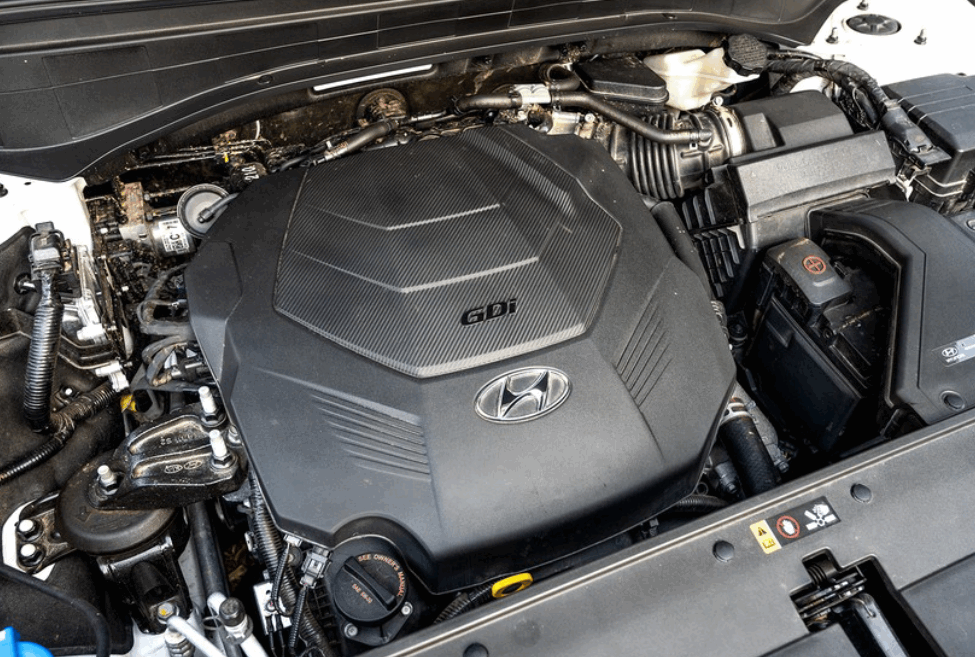
What Does Hyundai Palisade Rough Idle Mean?
Hyundai Palisade rough idle means the engine runs unevenly when the vehicle is not moving and the engine remains at idle speed. A healthy engine should maintain a stable idle speed without excessive vibration, unusual noise, or noticeable shaking. When combustion becomes inconsistent, the engine may struggle to keep smooth operation.
The idle process depends on a precise balance between air, fuel, and ignition. The engine control module (ECM) adjusts these factors to maintain proper combustion at low engine speed. If one component fails to deliver the correct input, the engine can lose stability and create a rough idle condition.
A rough idle is different from normal engine movement. Modern vehicles may produce minor vibration because the engine continues running while the vehicle stays still. However, strong shaking, fluctuating RPM, or repeated engine hesitation usually indicates an underlying performance issue.
Hyundai Palisade rough idle can develop from several systems, including the ignition system, fuel delivery system, air intake system, and engine control components. Identifying the affected system helps determine the correct repair instead of replacing parts without proper diagnosis.
What Are the Signs of a Hyundai Palisade Rough Idle?
The main signs of Hyundai Palisade rough idle include engine vibration, unstable RPM, unusual noises, warning lights, and reduced engine performance. These symptoms appear because the engine cannot maintain consistent combustion while operating at low speed.
The first noticeable sign is often excessive vibration when the vehicle stops. The driver may feel shaking through the steering wheel, seats, or cabin floor. This happens because one or more cylinders may not produce equal power during the combustion cycle.
Another common symptom is unstable engine RPM. A healthy Hyundai Palisade should maintain a steady idle speed when the transmission is in Park or Drive. If the RPM moves up and down without driver input, the engine may have an issue with fuel delivery, airflow control, or ignition timing.
The Check Engine Light may also appear when the vehicle detects abnormal engine operation. The engine control module can store diagnostic trouble codes related to misfires, sensor failures, or fuel mixture problems. An OBD-II scanner can help identify these issues.
A rough idle can also affect overall driving performance. Drivers may notice slower acceleration, lower fuel economy, hesitation during driving, or occasional engine stalling. These symptoms show that the problem affects more than idle quality and requires proper inspection.
What Causes Hyundai Palisade Rough Idle Problems?
Hyundai Palisade rough idle problems usually come from four main areas: the ignition system, fuel system, air intake system, and engine control components. Each system affects the combustion process, so a failure in any area can prevent the engine from maintaining a smooth idle.
The ignition system is one of the most common sources of rough idle. Spark plugs and ignition coils control the spark that ignites the air and fuel mixture inside each cylinder. Worn spark plugs can create weak ignition, while damaged ignition coils can cause misfires. When a cylinder produces less power than others, the engine may shake and run unevenly.
The fuel system also plays an important role in idle quality. Fuel injectors must deliver the correct amount of fuel at the right time. Dirty or failing fuel injectors can create an uneven fuel mixture, which reduces combustion efficiency. This imbalance can cause unstable engine speed and noticeable vibration.
The air intake system controls how much air enters the engine. A vacuum leak, dirty throttle body, or faulty airflow sensor can change the air and fuel ratio. When the engine receives incorrect airflow information, the engine control module may not adjust fuel delivery correctly.
Engine control components can also create rough idle conditions. The engine control module (ECM) uses information from different sensors to manage ignition, fuel delivery, and idle speed. Problems with sensors, carbon buildup, or mechanical engine issues can interrupt this process and reduce idle stability.
How Do You Diagnose Hyundai Palisade Rough Idle Problems?
You diagnose Hyundai Palisade rough idle problems by checking symptoms, scanning engine codes, and testing the systems that control combustion. A proper diagnosis identifies the failed component before any repair begins. This approach prevents unnecessary part replacement and reduces repair costs.
The first step is to observe the idle symptoms. A technician checks when the rough idle happens, such as during cold starts, when the engine reaches operating temperature, or when the vehicle uses additional loads like air conditioning. These details help narrow down possible causes.
The next step is scanning the vehicle with an OBD-II scanner. The scanner reads diagnostic trouble codes (DTCs) stored in the engine control module. Common codes include misfire-related codes such as P0300, which indicates random or multiple cylinder misfires. These codes provide useful information about ignition, fuel, or sensor problems.
A visual inspection should follow the diagnostic scan. Technicians inspect spark plugs, ignition coils, air intake components, vacuum hoses, and electrical connections. Damaged wires, loose connections, or air leaks can create idle problems without causing immediate component failure.
Fuel and airflow tests help confirm the root cause. A technician may check fuel injector performance, throttle body condition, airflow sensor readings, and engine data from the ECM. These tests show whether the engine receives the correct amount of fuel and air during idle operation.
A complete diagnosis combines scan data, physical inspection, and performance testing. This process ensures that the repair addresses the actual cause of Hyundai Palisade rough idle instead of only treating the symptoms.
How Do You Fix Hyundai Palisade Rough Idle?
You fix Hyundai Palisade rough idle by repairing or replacing the component that affects engine combustion, airflow, or fuel delivery. The correct repair depends on the cause identified during diagnosis. A technician should address the failed system instead of replacing unrelated parts.
Spark plug replacement is one of the common repairs for rough idle problems. Worn spark plugs cannot create a strong enough spark for complete combustion. Replacing damaged spark plugs can restore consistent ignition and improve engine smoothness.
Faulty ignition coils may also require replacement. A weak ignition coil can prevent a cylinder from producing enough power. This condition creates engine misfires, vibration, and unstable idle performance.
Fuel system repairs focus on restoring proper fuel delivery. Dirty fuel injectors may need professional cleaning, while damaged injectors require replacement. A clean and properly functioning injector helps the engine maintain the correct air and fuel mixture.
Air intake repairs can also solve Hyundai Palisade rough idle issues. Technicians may clean the throttle body, repair vacuum leaks, or replace faulty airflow sensors. These repairs help the engine receive accurate airflow information and maintain stable combustion.
Some rough idle problems require more advanced repairs. Carbon buildup, ECM issues, or internal engine damage may need additional testing before repair decisions are made. The repair cost depends on the failed component, labor time, and diagnostic complexity.
How Can You Prevent Hyundai Palisade Rough Idle Problems?
You can prevent Hyundai Palisade rough idle problems by following regular maintenance, inspecting engine components, and addressing early warning signs. Preventive maintenance keeps the ignition system, fuel system, and air intake system working correctly.
Following the Hyundai Palisade maintenance schedule helps reduce the risk of idle performance issues. Regular service includes checking engine oil condition, replacing air filters, and inspecting important engine components. These maintenance tasks help the engine maintain proper combustion.
Replacing worn ignition components before failure can also prevent rough idle symptoms. Spark plugs and ignition coils operate under high temperatures and repeated stress. Regular inspections help identify wear before they cause misfires or unstable engine operation.
Maintaining the fuel system supports consistent engine performance. Using quality fuel and keeping fuel injectors clean helps the engine receive the correct fuel amount. A balanced fuel mixture allows the engine to maintain a stable idle speed.
Drivers should also respond quickly to warning signs. A Check Engine Light, unusual vibration, poor acceleration, or changes in fuel economy can indicate developing engine problems. Early diagnosis reduces the chance of more expensive repairs.
Regular inspections and timely repairs help Hyundai Palisade owners maintain smooth idle performance and protect long-term engine reliability.
When Should You Take a Hyundai Palisade With Rough Idle to a Mechanic?
You should take a Hyundai Palisade with rough idle to a mechanic when the symptoms become severe, persistent, or affect driving safety. Some idle problems come from simple maintenance issues, but others indicate failures that require professional diagnosis.
A flashing Check Engine Light requires immediate attention because it often indicates an active engine misfire. A severe misfire can damage the catalytic converter and reduce engine performance. Continuing to drive under this condition may increase repair costs.
You should also seek professional inspection when the engine shakes heavily, stalls frequently, or loses power during acceleration. These symptoms suggest that the rough idle problem affects normal engine operation beyond idle speed.
Professional diagnosis is also recommended when basic maintenance does not solve the issue. Replacing common components without identifying the actual cause can waste time and money. A technician can use diagnostic equipment to test ignition, fuel delivery, airflow, and engine control systems.
Early inspection helps protect the Hyundai Palisade engine from further damage. Addressing rough idle symptoms at the beginning can improve reliability, maintain fuel efficiency, and prevent more complex repairs.
What Should You Do If Your Hyundai Palisade Has a Rough Idle?
You should diagnose the cause of a Hyundai Palisade rough idle before replacing any parts. A rough idle usually indicates a problem with engine combustion, fuel delivery, airflow, or ignition performance. Finding the exact cause helps restore smooth operation and avoids unnecessary repairs.
Start by checking the symptoms and warning signs. Pay attention to engine vibration, unstable RPM, reduced acceleration, unusual sounds, and Check Engine Light activity. These details help determine which engine system requires inspection.
The next step is proper diagnosis with tools such as an OBD-II scanner and component testing. Checking diagnostic trouble codes, inspecting ignition parts, and evaluating fuel and airflow systems provide a clear repair direction.
Regular maintenance also plays an important role in preventing future idle problems. Keeping spark plugs, filters, fuel system components, and engine sensors in good condition helps the Hyundai Palisade maintain stable engine performance.
A rough idle should not be ignored, especially when symptoms become stronger or affect driving quality. Early diagnosis and correct repairs help protect engine reliability and maintain consistent vehicle performance.