Yes, ceramic coating helps protect car paint against UV related damage by adding a durable protective layer over the vehicle’s clear coat. Prolonged sunlight exposure contributes to paint oxidation, color fading, loss of gloss, and deterioration of the clear coat. A ceramic coating reduces the paint surface’s direct exposure to environmental elements and helps preserve its appearance. However, ceramic coating should not be considered a complete or permanent barrier against ultraviolet radiation.
The level of UV protection depends on the coating formulation, application quality, condition of the vehicle’s clear coat, amount of sunlight exposure, and ongoing maintenance. Ceramic coatings also differ in their chemical composition, so a product containing SiO₂ does not automatically provide the same UV resistance as another ceramic coating. Product specific performance and manufacturer specifications therefore matter when evaluating UV protection.
For cars regularly parked outdoors, ceramic coating can form part of a broader paint protection strategy. Understanding how ceramic coating interacts with the clear coat, what types of sun damage it can reduce, and where its protection has limits helps determine whether it is suitable for a particular vehicle. This article explains these factors and compares ceramic coating with other paint protection options.
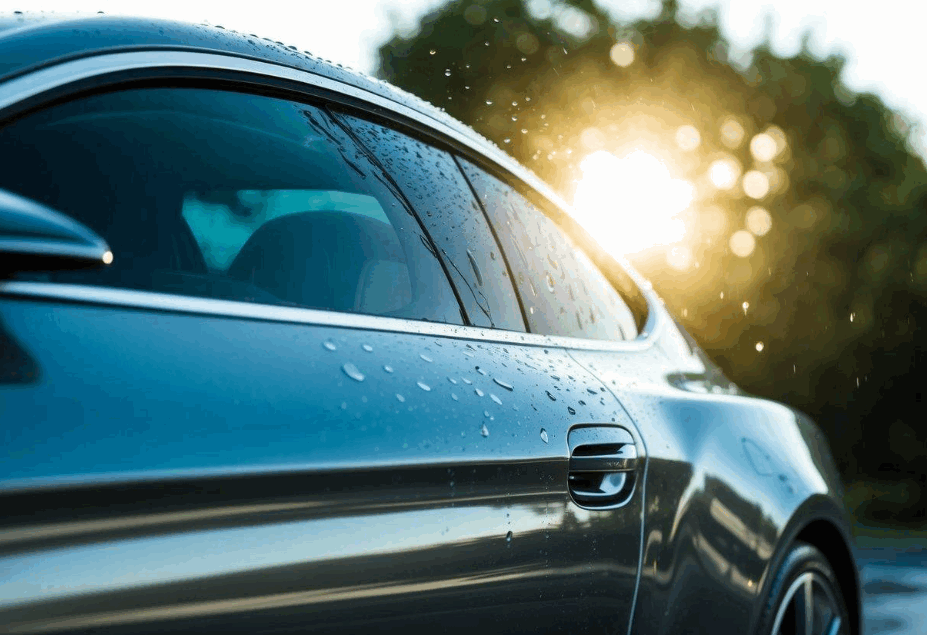
Does Ceramic Coating Protect Against UV Rays?
Ceramic coating helps protect car paint from UV related deterioration, but it cannot block all ultraviolet radiation. The coating adds a protective surface over the clear coat. This surface reduces direct contact between the paint and harmful environmental elements. As a result, it can help preserve the paint during regular sun exposure.
However, UV protection varies between ceramic coating products. Manufacturers use different formulas to create different protective properties. Some products include ingredients that improve resistance to ultraviolet exposure. Others focus more on chemical resistance, gloss, water repellency, or easier cleaning. Therefore, a ceramic coating does not guarantee a specific level of UV protection.
SiO₂ content alone also cannot determine UV resistance. Two coatings may contain silicon dioxide but perform differently under prolonged sunlight. Their formulas, additives, application methods, and durability can all affect performance. Product specifications and test results provide better evidence of UV resistance.
Vehicle owners should treat ceramic coating as one part of a broader paint protection strategy. It can help slow surface deterioration and reduce environmental exposure. However, sunlight still reaches the vehicle throughout the coating’s service life. Parking conditions, coating wear, washing methods, and maintenance also affect long term paint protection.
How Does Ceramic Coating Protect Car Paint From UV Damage?
Ceramic coating protects car paint by creating an additional protective surface over the vehicle’s clear coat. This layer acts as another barrier between the paint system and the surrounding environment. Sunlight, water, dirt, and contaminants reach this surface before they affect the clear coat.
The clear coat already protects the color coat underneath it. However, regular outdoor exposure can gradually weaken its appearance and condition. Sunlight and environmental contamination can contribute to oxidation, fading, and loss of gloss over time. Ceramic coating adds another protective surface that helps reduce this exposure.
Ceramic coating also protects paint through properties beyond UV resistance. Its hydrophobic surface helps water leave the vehicle more easily. Dirt and some contaminants also have more difficulty sticking to the coated surface. Chemical resistance can further reduce contact between the clear coat and harmful substances. These properties support the overall preservation of the vehicle’s finish.
The coating does not maintain the same performance forever. Frequent sun exposure, harsh cleaners, poor washing methods, and contamination can gradually reduce its effectiveness. Regular maintenance helps the coating retain its protective properties for longer. Proper application also matters because uneven coverage can reduce protection across the painted surface.
What UV Damage Can Occur to Car Paint?
UV exposure can contribute to three major paint problems: fading, oxidation, and clear coat deterioration. These problems develop gradually rather than appearing after a single day in the sun. Their severity depends on exposure time, climate, paint condition, and vehicle storage.
Paint fading affects the color and overall appearance of a vehicle. Prolonged sunlight can contribute to changes in pigments within the paint system. Over time, the finish may look less vibrant than it did when new. Cars that spend long periods outdoors face greater exposure than vehicles stored in a garage.
Oxidation creates another visible form of paint deterioration. The surface may lose gloss and develop a dull or chalky appearance. Environmental exposure can accelerate this process as the protective surface becomes less effective. Older or damaged finishes may show these changes more clearly.
The clear coat also plays an important role in paint protection. It forms the outer layer above the vehicle’s color coat. Regular exposure to sunlight and contaminants can gradually affect this protective surface. Once the clear coat deteriorates, the paint underneath has less protection from environmental conditions.
Ceramic coating adds another protective surface over the clear coat. This extra layer can help reduce exposure that contributes to paint deterioration. However, coating cannot reverse existing fading, oxidation, or clear coat failure. Paint correction or refinishing may be necessary when damage already exists.
Does Ceramic Coating Prevent Car Paint From Fading?
Ceramic coating can help slow paint deterioration, but it cannot guarantee that car paint will never fade. Its protective surface reduces the clear coat’s exposure to environmental conditions. However, several factors continue to affect the paint throughout the vehicle’s life.
Sunlight intensity is one important factor. A car that receives strong sunlight every day faces greater exposure than a garage kept vehicle. Exposure time also matters. Years of outdoor parking create different conditions from occasional periods in direct sunlight.
The existing condition of the paint can also influence the result. Healthy clear coat provides a stronger foundation for ceramic coating. In contrast, ceramic coating cannot repair clear coat that has already failed. It also cannot restore pigments that have already faded.
Coating formulation and condition create additional differences. Manufacturers use different ingredients and additives, so products do not provide identical protection. The coating also wears as the vehicle encounters sunlight, washing, chemicals, dirt, and other contaminants.
Maintenance therefore remains important after application. Proper washing helps preserve the coating and reduces unnecessary surface wear. Vehicle owners should also follow the maintenance requirements for their specific product. These steps help maintain the protective surface for longer.
Ceramic coating should therefore reduce risk rather than promise permanent prevention. It adds useful protection against environmental exposure. However, parking conditions, paint condition, coating quality, and maintenance still influence how well a vehicle retains its finish.
How Long Does Ceramic Coating Protect Against UV?
Ceramic coating can provide long term paint protection, but no single UV protection period applies to every product. Each coating uses a different formula and has its own expected service life. Driving conditions, sun exposure, application quality, and maintenance also affect how long the coating performs.
Product durability provides a useful starting point. Manufacturers may specify an expected lifespan for their ceramic coatings. However, coating lifespan does not guarantee consistent UV protection throughout that entire period. The protective surface gradually changes as the vehicle faces sunlight, rain, dirt, washing, and chemical exposure.
Application quality also affects durability. Proper surface preparation helps the coating bond evenly with the clear coat. Poor preparation can limit this bond and reduce overall performance. The condition of the paint before application also matters. A healthy clear coat provides a better surface for the coating.
Vehicle storage creates another important difference. Cars parked outdoors receive more sunlight than cars stored inside a garage. Climate can increase this exposure further. Strong sunlight and high temperatures place greater environmental stress on exterior surfaces.
Maintenance helps preserve coating performance for longer. Owners should use suitable washing methods and follow the product manufacturer’s care instructions. They should also inspect the coating as it ages. This approach provides a better measure of protection than relying only on the original durability claim.
What Reduces the UV Protection of Ceramic Coating?
Five main factors can reduce the protective performance of ceramic coating: outdoor exposure, abrasive washing, harsh chemicals, poor application, and inadequate maintenance. These factors affect the coating in different ways. Their combined effects can shorten its useful service life.
Prolonged outdoor exposure places continuous stress on the coated surface. Sunlight, heat, rain, road contamination, and changing weather conditions affect vehicles parked outside. Greater exposure can increase the rate at which the protective surface loses performance.
Abrasive washing can also cause unnecessary wear. Rough tools, aggressive scrubbing, and unsuitable washing techniques create repeated friction against the coated surface. Proper washing reduces this mechanical stress and helps preserve the coating.
Harsh chemicals create a different problem. Strong cleaners can affect surface performance when they fall outside the coating manufacturer’s recommended care process. Vehicle owners should use compatible cleaning products instead of assuming every automotive cleaner is coating safe.
Poor application can limit protection from the beginning. Inadequate preparation may prevent the coating from bonding evenly with the clear coat. Incorrect application can also leave areas with inconsistent coverage.
Finally, inadequate maintenance allows contamination to remain on the surface. Regular cleaning and inspection help owners identify changes in coating performance. Good maintenance cannot make ceramic coating permanent. However, it can help the coating retain its protective properties throughout more of its expected service life.
Is Ceramic Coating Better Than Wax or PPF for UV Protection?
Ceramic coating generally lasts longer than car wax, while PPF provides a physical barrier that ceramic coating cannot replace. However, UV protection varies by product. Vehicle owners should compare specific products instead of assuming that one protection category always blocks more UV radiation.
Is Ceramic Coating Better Than Car Wax for UV Protection?
Ceramic coating and car wax both add protection above automotive paint. However, they differ in durability and how they interact with the surface. Ceramic coating forms a stronger bond with the clear coat. Traditional wax creates a temporary protective layer that requires more frequent application.
This durability gives ceramic coating an advantage for long term exterior protection. The coating can resist water, contaminants, and chemicals for longer than a typical wax application. However, durability alone does not prove a specific level of UV protection. Manufacturers use different formulas for both ceramic coatings and waxes.
Vehicle owners should therefore check the UV claims for the specific product they plan to use. A ceramic coating may provide longer lasting surface protection. However, its UV performance still depends on its formulation, condition, and maintenance.
Is PPF Better Than Ceramic Coating for UV Protection?
Paint protection film and ceramic coating perform different primary functions. PPF creates a physical film over painted surfaces. This film primarily helps protect paint against stone chips, scratches, road debris, and similar physical damage. Ceramic coating focuses more on surface resistance, water repellency, chemical resistance, and easier cleaning.
UV resistance also varies among PPF products. Therefore, installing PPF does not establish a universal level of UV protection. Vehicle owners should review the specifications of the film when UV resistance is a priority.
The two products can also work together. PPF can provide physical protection, while ceramic coating can add useful surface properties. This combination offers broader exterior protection than relying on either product for every type of damage.
How Can You Protect Car Paint From UV Damage?
Car owners can reduce UV related paint damage by combining protective products, covered parking, proper washing, and regular maintenance. Ceramic coating provides one layer of protection, but reducing direct sun exposure remains an important part of preserving automotive paint.
Covered parking provides a simple way to reduce exposure. A garage offers the most consistent protection when one is available. Shaded parking can also reduce periods of direct sunlight. These measures limit the amount of time the vehicle spends under intense sun.
Proper washing also helps preserve the protective surface. Owners should use coating safe cleaning products and suitable washing tools. Gentle washing removes dirt and contamination without creating unnecessary abrasion. Regular cleaning also prevents contaminants from remaining on the exterior for extended periods.
Coating maintenance should follow the requirements of the specific product. Owners can monitor water behavior, surface condition, and overall coating performance during routine cleaning. A noticeable decline in performance can indicate that the coating needs inspection or additional maintenance.
PPF can provide another layer of protection when physical damage is also a concern. However, no single product removes the effects of outdoor exposure. Combining ceramic coating with sensible parking and maintenance practices creates a more complete strategy to protect car paint from sun damage.
Is Ceramic Coating Worth It for Cars Parked Outside?
Ceramic coating is worth considering for cars parked outside because these vehicles face more sunlight and environmental exposure. The coating adds a protective surface over the clear coat. This extra layer can help preserve the finish as the vehicle encounters sun, rain, dirt, and other contaminants.
Daily parking conditions have a major effect on exterior exposure. A garage kept vehicle spends less time under direct sunlight. In contrast, a car parked outdoors for several hours each day receives repeated UV exposure. Strong sunlight and high temperatures can increase the stress placed on exterior surfaces. Ceramic coating provides an additional layer between these conditions and the clear coat.
New vehicles can benefit because the coating helps preserve a finish that is already in good condition. Older vehicles may also benefit when their clear coat remains healthy. However, ceramic coating cannot repair faded paint or a failing clear coat. Paint correction or refinishing may be necessary before coating when significant damage already exists.
Long term vehicle ownership also makes paint preservation more relevant. Regular washing, suitable maintenance, and reduced sun exposure can support the coating over time. Covered parking remains useful whenever it is available. These measures work together rather than competing with each other.
Ceramic coating should therefore form part of a broader exterior protection strategy for cars parked outside. It provides useful surface protection, but it does not eliminate UV exposure. Vehicle owners will get better results by combining a suitable coating with proper maintenance and sensible parking practices.
Does Ceramic Coating Provide Enough UV Protection for Your Car?
Ceramic coating provides useful protection against UV related paint deterioration, but it cannot provide complete or permanent UV protection. It adds a protective surface over the clear coat and reduces exposure to environmental elements. This protection can help preserve gloss, color, and the overall appearance of automotive paint.
However, the level of protection depends on the specific coating. Product formulation, application quality, sunlight exposure, climate, and maintenance all influence long term performance. Vehicle owners should not assume that every ceramic coating provides the same UV resistance. They should check product specifications when UV protection is a priority.
Parking conditions also remain important after ceramic coating application. Cars stored in garages receive less direct sunlight than vehicles parked outside every day. Proper washing and regular coating maintenance can further support paint protection. PPF may provide additional protection when owners also want resistance against stone chips and other physical damage.
Ceramic coating is therefore a valuable part of a broader paint protection strategy. It works best when owners combine it with proper maintenance and reduced sun exposure. This approach helps protect the clear coat and preserve the vehicle’s finish over the long term.