Yes, you can wax over ceramic coating, but most ceramic coated cars do not need traditional car wax. Ceramic coating already protects the clear coat from water, dirt, chemicals, and environmental contaminants. When you add wax, it creates a temporary layer on top of the ceramic coating. Water and contaminants then contact the wax first.
Car wax does not normally damage a fully cured ceramic coating. However, wax can change how the coated surface behaves. It may alter water beading, slickness, and gloss until the wax wears away. These changes can make the coating’s actual performance harder to evaluate.
For regular maintenance, ceramic toppers, ceramic boosters, and SiO₂ sprays offer more suitable alternatives. Manufacturers design these products to support the coating’s hydrophobic properties and surface protection. The best option depends on the coating system and its maintenance requirements.
This article explains what happens when you wax a ceramic coated car. It also covers potential effects on coating performance and compares wax with better maintenance alternatives. You will also learn how to maintain ceramic coating without reducing its intended surface properties.
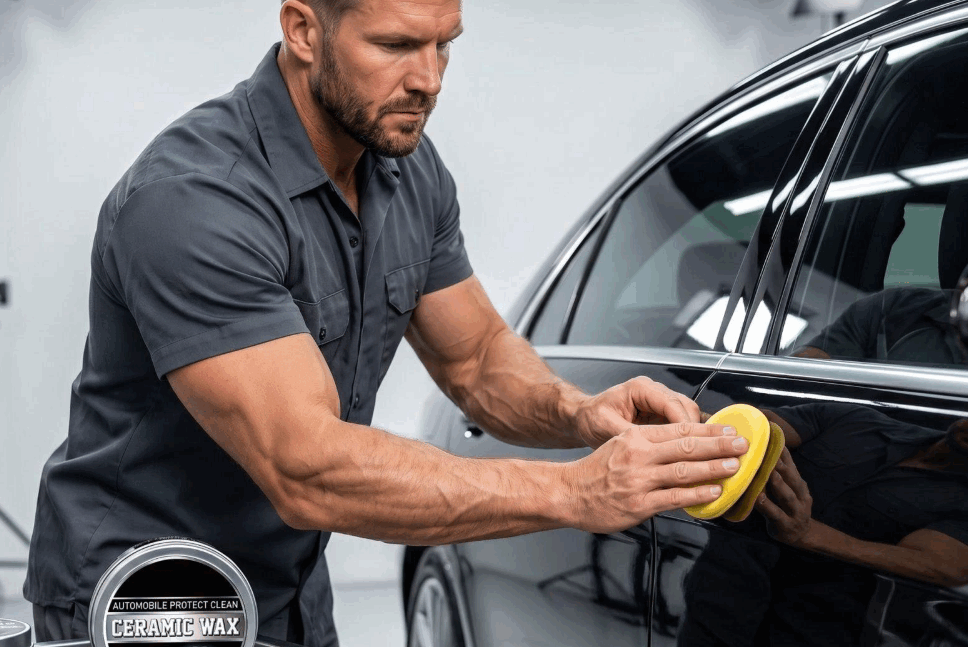
Can You Wax Over Ceramic Coating?
Yes, you can wax over ceramic coating after the coating has fully cured. The wax will sit on top of the ceramic layer instead of bonding directly with the vehicle’s clear coat. This creates an extra surface layer, but it does not replace the protection that the ceramic coating already provides.
Ceramic coating and car wax protect paint in different ways. A ceramic coating bonds with the painted surface and provides durable protection. Car wax creates a temporary protective layer that gradually wears away. When you apply wax over ceramic coating, the wax becomes the outermost layer. Therefore, its properties can influence how the surface looks and behaves.
The main question is not whether you can apply wax, but whether you should. Most ceramic coated cars do not need traditional wax for routine protection. The coating already provides the primary protective surface. Adding wax may increase gloss or slickness for a limited period. However, it may also change the water behavior that you expect from the ceramic coating.
Product compatibility also matters. Choose a nonabrasive product that does not contain ingredients that could interfere with the coating. You should also let a newly applied ceramic coating cure completely before adding any maintenance product. Follow the coating manufacturer’s instructions for the correct curing time and maintenance method.
Waxing a ceramic coated car is therefore possible, but it remains optional. For routine care, products designed specifically for ceramic coating maintenance usually provide a more suitable approach.
Does Ceramic Coating Need Wax?
No, ceramic coating does not need traditional car wax to provide its intended paint protection. A properly maintained coating already forms a protective surface over the vehicle’s clear coat. It also provides water repellency, chemical resistance, and easier cleaning. Adding wax is optional rather than a required maintenance step.
Ceramic coating and car wax serve similar purposes but work differently. Ceramic coating forms a durable bond with the painted surface. Traditional wax creates a temporary layer that gradually wears away through washing and environmental exposure. Applying wax does not strengthen the bond between the ceramic coating and the paint.
Some car owners still use wax to change the appearance or feel of a coated surface. For example, certain waxes can add temporary gloss or make the paint feel slicker. However, these characteristics come from the wax while it remains on the surface. They do not indicate that the ceramic coating has gained extra durability.
Routine coating maintenance should focus on keeping the surface clean and free from contamination. Dirt, mineral deposits, road grime, and other contaminants can reduce the coating’s expected surface performance. Proper washing and compatible maintenance products help preserve those characteristics without adding an unnecessary wax layer.
Car wax can therefore serve as an optional finishing product. It should not become a substitute for proper ceramic coating maintenance. Owners who want to refresh coating performance should consider products designed for ceramic coated surfaces.
What Happens When You Put Wax Over Ceramic Coating?
Wax creates a temporary outer layer that changes how a ceramic coated surface looks and behaves. Water, dirt, and environmental contaminants contact the wax first. As a result, the wax can influence water behavior, gloss, and slickness until it wears away.
The most noticeable change often involves water behavior. Ceramic coatings create a hydrophobic surface that helps water form beads and leave the paint more easily. Wax has its own water repellent properties. Once wax covers the coating, its characteristics influence how water reacts with the surface. Different wax formulas can produce different beading and sheeting patterns.
Wax can also change the appearance of coated paint. Some products increase perceived gloss or add visual depth to the finish. Others create a smoother feel that makes the surface seem slicker. These effects come from the wax layer rather than a permanent change to the ceramic coating.
These changes do not necessarily mean the ceramic coating has lost performance. The coating remains underneath the wax as long as other factors have not degraded it. As the wax wears away, the coating’s original surface characteristics can become noticeable again.
For this reason, water beading alone cannot always show the condition of a ceramic coating after waxing. Owners should consider surface contamination, maintenance history, and the products applied over the coating before judging its performance.
Can Wax Damage Ceramic Coating?
A compatible, nonabrasive car wax will not normally damage a fully cured ceramic coating. Most problems come from using unsuitable products or incorrect application methods. Wax can also mask some coating properties, but this effect does not mean the coating has suffered physical damage.
A traditional wax forms a temporary layer above the ceramic coating. This layer can change water behavior, gloss, and surface slickness. Drivers may notice different water beading after waxing and assume the coating has weakened. In many cases, they are simply seeing the characteristics of the wax layer.
Abrasive products create a different risk. Some paint care products contain polishing agents that remove small amounts of material from the surface. Repeated abrasion can reduce a ceramic coating because the polishing process physically affects its protective layer. For this reason, owners should distinguish pure wax from cleaner waxes and products that contain abrasives.
Chemical compatibility also deserves attention. Strong cleaners, unsuitable solvents, and other aggressive chemicals can affect coating performance. Wax residue can also collect on the surface when owners apply too much product or remove it incorrectly. Proper application helps prevent these problems.
Check the coating manufacturer’s maintenance instructions before applying wax or another detailing product. Use products that suit ceramic coated surfaces and avoid unnecessary abrasion. This approach protects the coating while preserving its intended surface characteristics.
Does Wax Affect the Hydrophobic Properties of Ceramic Coating?
Yes, wax can temporarily affect the hydrophobic behavior you see on a ceramic coated surface. Wax sits above the ceramic coating and becomes the outermost layer. Water therefore interacts with the wax before it reaches the coating underneath.
Ceramic coatings help water form beads and move away from the painted surface. Car wax also repels water, but each formula produces different surface characteristics. Some waxes may create tight water beads. Others may encourage larger beads or different sheeting behavior. The visible result depends on the product that directly contacts the water.
A change in water behavior does not automatically mean the ceramic coating has failed. The wax may simply mask the coating’s original hydrophobic characteristics. Surface contamination can create a similar effect. Dirt, road film, and mineral deposits can remain on top of the coating and reduce its visible water repellency.
Owners should clean the surface properly before judging coating performance. Removing contamination and unnecessary product residue gives a clearer view of the coating’s condition. The coating may still perform well even when water behavior changes temporarily.
For this reason, water beading should serve as one indicator rather than the only test. Maintenance history, surface cleanliness, and product application also provide useful context. Evaluating these factors together gives a more accurate picture of ceramic coating performance.
Can You Use Carnauba or Synthetic Wax Over Ceramic Coating?
Yes, you can use carnauba or synthetic wax over a fully cured ceramic coating if the product is compatible. Both types create a temporary layer above the coating. However, they differ in composition, durability, appearance, and surface behavior. Neither type is necessary for the ceramic coating to protect the paint.
Can You Use Carnauba Wax Over Ceramic Coating?
Yes, you can apply carnauba wax over ceramic coating, but its main benefits are cosmetic. Carnauba wax can add gloss, visual depth, and a smooth finish to automotive paint. These effects come from the wax layer that covers the coating.
Carnauba wax also changes the surface that water contacts. Its water behavior may differ from the ceramic coating underneath. As the wax wears away, the original characteristics of the coating become more noticeable again.
Choose a pure, nonabrasive wax if you decide to use carnauba wax. Avoid cleaner waxes that contain polishing agents because abrasion can affect the coating itself.
Can You Use Synthetic Wax Over Ceramic Coating?
Yes, compatible synthetic wax can also sit on top of ceramic coating. Synthetic formulas use manufactured polymers instead of relying mainly on natural carnauba wax. They can provide gloss, slickness, water repellency, and temporary surface protection.
Product compatibility remains more important than the wax category. Some synthetic products contain cleaners or other ingredients that may not suit every coating system. Check the product instructions and the coating manufacturer’s maintenance guidance before application.
Both wax types can work as optional finishing layers. However, products designed specifically for ceramic coating maintenance provide a more purpose specific solution.
What Should You Use Instead of Wax on Ceramic Coating?
Use a compatible ceramic topper, ceramic booster, or SiO₂ maintenance spray instead of traditional wax for routine coating care. These products focus on maintaining the surface characteristics of ceramic coatings. They can refresh water repellency, slickness, and gloss without adding a traditional wax layer.
A ceramic topper adds a temporary protective layer over the existing coating. It helps refresh surface behavior while the original ceramic coating remains underneath. Many toppers also improve water beading and slickness. This makes them useful when a coating still protects the paint but needs a surface refresh.
A ceramic booster serves a similar maintenance role. Owners can use it to restore characteristics that become less noticeable between major detailing sessions. For example, contamination and repeated washing can reduce the slick feel of a coated surface. A compatible booster can refresh that surface after proper cleaning.
SiO₂ maintenance sprays provide another practical option. These products use silicon dioxide based chemistry to support water repellency and surface protection. Their simple application makes them suitable for regular maintenance between more thorough detailing sessions.
Choose the maintenance product that matches your coating system. Check the coating manufacturer’s instructions before using a topper, booster, or SiO₂ spray. A compatible product helps maintain the coating without masking its characteristics with an unrelated wax layer.
Is Wax or a Ceramic Topper Better for Ceramic Coating?
A compatible ceramic topper is generally better than traditional wax for maintaining a ceramic coating. A topper supports the existing coating and refreshes its surface characteristics. Wax mainly adds a temporary layer with its own gloss, slickness, and water behavior.
Compatibility creates the most important difference. Manufacturers develop ceramic toppers for use with ceramic protection systems. A compatible topper can complement the coating without replacing its primary role. Traditional wax can sit over the coating, but the coating does not require wax to maintain its basic protective function.
The two options can also produce different hydrophobic behavior. A ceramic topper can refresh water repellency when the coated surface starts to lose its expected behavior. Wax also repels water, but its characteristics become dominant while it remains on the surface. The visible water behavior may therefore represent the wax instead of the coating.
Both products can improve gloss and slickness. However, these cosmetic effects do not necessarily indicate stronger paint protection. Surface preparation, product compatibility, and proper maintenance remain more important than gloss alone.
Choose a ceramic topper when your main goal is coating maintenance. Choose wax when you specifically want the appearance or surface feel that a compatible wax provides. In either case, follow the coating manufacturer’s instructions before adding another product to the surface.
How Should You Maintain a Ceramic Coated Car?
Maintain a ceramic coated car with regular washing, proper drying, contamination removal, and compatible maintenance products. These steps keep the coating clean and help preserve its expected surface characteristics. Traditional wax does not need to form part of this routine.
Wash the vehicle regularly to remove dirt, road film, and other loose contaminants. Use a suitable car shampoo and follow a gentle washing method. Avoid aggressive cleaning products unless the coating manufacturer recommends them. Regular cleaning prevents contamination from building up on the coated surface.
Dry the vehicle thoroughly after washing. Water left on the paint can leave mineral deposits when it evaporates. These deposits can interfere with the surface and change visible water behavior. Proper drying also gives you a better opportunity to inspect the condition of the coating.
Remove bonded contamination when normal washing no longer cleans the surface effectively. Contamination can reduce slickness and hydrophobic behavior without causing coating failure. Use a coating safe decontamination method that matches the type of contamination you need to remove.
Inspect the surface after cleaning and drying. Look at water behavior, surface cleanliness, and overall appearance instead of relying on one sign alone. Apply a compatible ceramic topper, booster, or maintenance spray when the coating needs a refresh.
Follow the coating manufacturer’s maintenance instructions throughout this process. Consistent care helps preserve coating performance and makes it easier to identify when the surface needs additional maintenance.
How Often Should You Maintain Ceramic Coating?
Maintain ceramic coating according to its condition, product instructions, and the vehicle’s level of exposure. No single maintenance schedule works for every coating or every car. Washing frequency, storage conditions, climate, and road contamination can all change how often the surface needs attention.
Start with regular washing because clean paint makes coating performance easier to evaluate. A daily driven car may collect road film, dirt, mineral deposits, and other contaminants faster than a garage kept vehicle. Frequent exposure to rain, dust, road salt, or harsh weather can also increase maintenance needs.
Inspect the coating after washing and drying the vehicle. Check its water behavior, slickness, cleanliness, and overall appearance. A noticeable change in one characteristic does not always mean the coating needs replacement. Surface contamination or product residue may cause the change.
Use a ceramic topper, booster, or SiO₂ maintenance spray when the coating system calls for one. Follow the product instructions for application frequency rather than applying it after every wash. Excessive product use can create unnecessary residue and make surface performance harder to assess.
The coating manufacturer’s maintenance schedule should remain your primary reference. Combine that guidance with the actual condition of the vehicle. This approach provides more reliable maintenance than following one fixed interval for every ceramic coated car.
Should You Wax Over Ceramic Coating?
You can wax over ceramic coating, but most ceramic coated cars do not need traditional wax. A fully cured ceramic coating already provides the primary protective layer over the vehicle’s paint. Adding wax mainly changes the characteristics of the outer surface for a limited period.
Wax can add gloss, slickness, and water repellency. However, these effects come from the wax while it remains on top of the coating. The wax may also mask the coating’s natural water behavior. A change in water beading after waxing does not automatically indicate coating damage or failure.
For routine maintenance, use products that match the existing coating system. A compatible ceramic topper, booster, or SiO₂ maintenance spray usually serves this purpose better than traditional wax. Proper washing, drying, and contamination removal also play an important role in preserving coating performance.
Use wax when you specifically want its appearance or surface feel. For regular coating care, prioritize compatible maintenance products and follow the coating manufacturer’s instructions. This approach keeps the maintenance process simple while preserving the characteristics that ceramic coating should provide.