There are 6 main ways to raise car height. You can install larger tires, spring spacers, or taller coil springs. You can also use a suspension lift kit, a body lift, or adjustable suspension. Each method changes the vehicle in a different way.
Car height usually refers to ride height. Ride height describes how high the vehicle sits above the ground. Ground clearance refers to the space between the ground and the vehicle’s lowest point. These measurements are related, but they are not identical. Raising the body, for example, does not always increase clearance under the chassis.
The best method depends on your vehicle and your goal. A small increase may only require a tire or suspension change. A larger increase may require a complete lift system. You also need to consider suspension travel, tire clearance, and wheel alignment.
This guide explains how to raise car height with 6 practical methods. It compares how each method affects ground clearance. It also explains the effects on suspension, handling, and ride quality. Finally, you will learn what to check after raising your vehicle.
What Determines a Car’s Ride Height and Ground Clearance?
A car’s ride height depends on several parts of its design. The suspension, springs, tires, wheels, and body position all affect how high the vehicle sits. The lowest parts under the vehicle also determine its actual ground clearance.
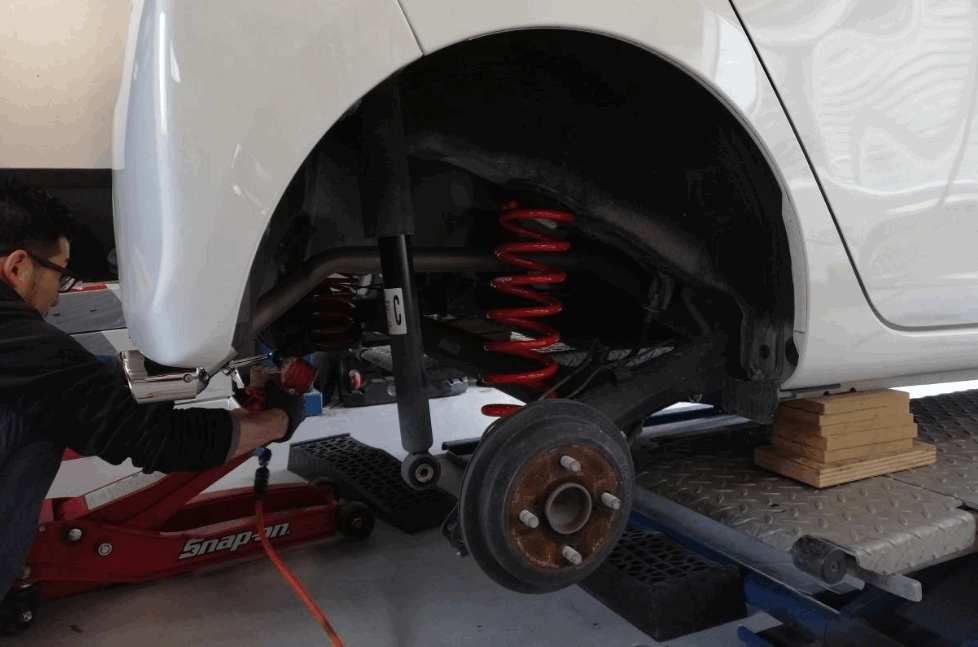
Ride height describes the vehicle’s position above the ground. Suspension components play a major role in this measurement. Springs support the vehicle’s weight and determine its normal height. Changing the springs or adding spacers can therefore raise the vehicle.
Tire size also affects vehicle height. A larger tire has a larger overall diameter. This increases the distance between the wheel center and the ground. It can therefore increase clearance around the axle and other components. However, larger tires also need enough space inside the wheel well.
Ground clearance depends on more than the vehicle’s overall height. A vehicle may sit higher while a low chassis component remains close to the ground. This difference matters when choosing a method to raise car height. A body lift, for example, raises the body but does not raise every component underneath it.
The goal should therefore determine the modification. If you need more clearance under the suspension, a suspension change may be appropriate. If you need more space for larger tires, tire and wheel fitment becomes more important. Understanding this difference helps you choose the right method before modifying the vehicle.
What Are the 6 Ways to Raise Car Height?
There are 6 main ways to raise car height. The most common options are larger tires, spring spacers, taller coil springs, suspension lift kits, body lifts, and adjustable or air suspension. Each method changes the vehicle differently. Your choice should depend on the amount of height you need and the type of clearance you want.
How Can Larger Tires Raise Car Height?
Larger tires can raise a vehicle because they increase the distance between the wheel center and the ground. A tire with a larger overall diameter places the vehicle higher than a smaller tire. This change can also increase clearance around the axle and other components.
However, larger tires need enough room inside the wheel wells. They can rub against the fenders or suspension when you turn the steering wheel. The tire diameter can also affect the speedometer and drivetrain behavior. Check tire fitment before choosing a larger size.
How Do Spacers and Taller Springs Raise a Car?
Spring spacers raise ride height by adding material between the spring and its mounting point. This changes the position of the suspension and raises the vehicle. Spacers can suit owners who want a moderate increase without replacing the original springs.
Taller coil springs use a different approach. They replace the original springs with springs designed to provide more ride height. Spring design also affects ride quality and suspension behavior. The correct spring must match the vehicle and its suspension system.
How Do Suspension and Body Lift Kits Raise a Vehicle?
A suspension lift changes the height of the suspension system. A lift kit can use new springs, spacers, shocks, struts, or other suspension components. This approach can provide more clearance while creating space for larger tires.
A body lift works differently. It raises the vehicle body above the frame on compatible vehicles. It can increase body height and tire clearance. However, it does not raise every component below the vehicle. This makes a body lift different from a suspension lift.
How Does Adjustable or Air Suspension Raise Car Height?
Adjustable suspension allows the driver to change ride height. Air suspension uses air springs to raise or lower the vehicle. Some systems allow different height settings for different driving conditions.
This method provides greater control than a fixed lift. It also adds more components and system complexity. The installation must match the vehicle’s suspension design. The chosen height should also maintain suitable suspension travel and wheel clearance.
Which Way to Raise a Car Gives the Most Ground Clearance?
The method that gives the most useful ground clearance depends on which part of the vehicle sits closest to the ground. Larger tires increase the distance between the wheel center and the ground. A suspension lift can raise the suspension and chassis. A body lift mainly raises the body and does not provide the same clearance under every component.
Larger tires provide a direct increase in tire related clearance. The amount depends on the difference in tire diameter. A larger tire also needs enough space inside the wheel well. If the tire is too large, it can rub against the fender or suspension during steering and suspension movement.
A suspension lift provides a broader increase in vehicle height. It changes the position of the suspension and can create more space for larger tires. The final clearance still depends on the vehicle design and the components used in the lift system. Suspension geometry also changes as ride height increases.
A body lift raises the body above the frame on vehicles that support this type of modification. It can create additional space around the body and wheel openings. It does not raise every component under the vehicle. Low points such as parts of the drivetrain can therefore remain at their original height.
Adjustable or air suspension offers another approach. It allows the vehicle to use different ride height settings. This makes it useful when you need additional height in specific driving conditions. The system must still maintain suitable suspension travel and wheel clearance.
For this reason, there is no single lifting method that provides the most ground clearance for every car. Choose the method based on the component that needs more clearance. This approach provides a better result than choosing a modification based only on the vehicle’s overall height.
How Much Can You Raise a Car Without Creating Problems?
There is no single safe lift height for every car. Each vehicle has different suspension geometry, tire clearance, and component limits. The safe amount depends on the suspension design and the parts used to raise the vehicle.
Suspension travel is one important limit. Raising the vehicle changes the normal position of the suspension. A large increase can reduce available travel or move components outside their intended range. This can affect how the suspension works over bumps and uneven roads.
Control arms and steering components can also change position after a lift. Their new angles can affect suspension movement and steering behavior. Vehicles with CV axles can also experience different axle angles after a suspension lift. These changes make vehicle specific lift systems important for larger height increases.
Tire clearance creates another limit. A taller vehicle does not automatically have enough space for larger tires. The tires must clear the fenders, suspension parts, and other components during steering and suspension movement. A tire that fits when the vehicle is stationary can still rub while driving.
A higher ride height can also raise the vehicle’s center of gravity. This can change body movement and handling. The effect depends on the amount of lift and the vehicle’s suspension setup.
For these reasons, choose a lift based on the vehicle’s design rather than a universal height limit. A small increase may require fewer changes. A larger increase requires closer attention to suspension travel, steering geometry, tire clearance, and related components.
Do You Need a Wheel Alignment After Raising a Car?
Yes, you should check the wheel alignment after raising a car with a suspension modification. Changing ride height can change suspension and steering angles. These changes can affect toe, camber, and caster. Tire manufacturers and suspension specialists also identify a change in ride height as a possible cause of alignment changes.
Toe affects how the tires point in relation to each other. Camber describes the inward or outward tilt of the tire. Caster affects steering stability and steering behavior. A change in these angles can cause the vehicle to pull, handle differently, or wear its tires unevenly. Incorrect alignment can also increase tire wear over time.
A suspension lift can create larger geometry changes than a simple tire replacement. The effect depends on the vehicle and the amount of height added. Some lift kits may also require additional suspension components to maintain suitable alignment angles. Vehicle specific requirements should therefore guide the installation.
After the modification, have the alignment checked with the vehicle at its intended ride height. Ask the technician to compare the results with the vehicle manufacturer’s specifications. A printed alignment report can also show the measurements before and after adjustment.
Do not treat alignment as an optional finishing step after a suspension lift. The lift changes the position of the suspension, while alignment restores the intended wheel angles. Checking both helps maintain predictable steering, even tire wear, and proper vehicle behavior.
How Does Raising Car Height Affect Handling and Ride Quality?
Raising car height can change handling and ride quality because it changes the vehicle’s suspension position. The effect depends on the amount of lift and the components used. A small height increase may produce a limited change. A larger lift can have a greater effect on vehicle behavior.
A higher ride height can raise the vehicle’s center of gravity. This can increase body movement during cornering. Steering response can also change when the suspension operates at different angles. These effects become more important as the lift becomes larger.
The suspension components also affect ride quality. Taller springs can change spring rate and suspension movement. Spacers change the position of the original spring and suspension system. A suspension lift may also require different shocks or struts. The final ride therefore depends on the complete suspension setup, not only the amount of height added.
Tire changes can affect the driving experience as well. Larger tires add weight and change the tire’s contact with the road. A taller tire can also change steering response and vehicle behavior. The result depends on the tire size, construction, and vehicle setup.
A lift should therefore balance height with suspension performance. Raising the vehicle as much as possible is not always the best approach. The better goal is to achieve the required clearance while keeping predictable handling and suitable ride quality.
What Should You Check After Raising Car Height?
After raising car height, check the alignment, tire clearance, suspension travel, steering components, and related parts. These checks help confirm that the modification works with the vehicle’s new ride height. They also help identify problems before they affect driving performance.
Start with the wheel alignment. A suspension height change can alter wheel angles and steering geometry. Check the toe, camber, and caster where applicable. The vehicle should also track straight after the modification. Uneven tire wear can indicate an alignment problem.
Next, check tire clearance at different steering positions. Turn the steering wheel fully in both directions and inspect the space around the tires. Also check clearance around the suspension and fenders. The tires need enough space during normal suspension movement. A tire that clears the fender while parked can still rub while driving.
Check suspension travel and the position of related components. Inspect the shocks, struts, control arms, brake lines, and ABS wiring where applicable. Vehicles with CV axles also need suitable axle angles after a suspension lift. Components should move without binding or making contact.
Finally, check all installation points and test the vehicle at low speed. Listen for unusual noises and watch for changes in steering or handling. Recheck the installation after the initial road test. A proper inspection confirms that the new ride height does not create avoidable mechanical problems.
What Is the Best Way to Raise Car Height for Your Car?
The best way to raise car height depends on the clearance you need and the design of your vehicle. Larger tires suit small increases in clearance when the wheel wells have enough space. Spacers or taller springs suit vehicles that need a moderate increase in suspension height.
A suspension lift suits drivers who need more substantial height and tire clearance. This method changes the suspension position and can provide more clearance under the vehicle. It also requires more attention to suspension geometry, wheel alignment, and related components.
A body lift suits compatible body on frame vehicles when the main goal is to raise the body. It can create more space around the body and wheel openings. However, it does not raise every component under the vehicle. It therefore does not provide the same type of ground clearance as a suspension lift.
Adjustable or air suspension suits drivers who want variable ride height. These systems allow the vehicle to use different height settings for different conditions. They also add more components and require a suitable installation for the vehicle.
The right choice should match the reason for raising the vehicle. Choose larger tires when you need a small increase and have enough wheel well space. Choose a suspension based solution when you need more suspension and ground clearance. Choose adjustable suspension when variable height matters most. Always consider alignment, tire clearance, suspension travel, and handling before making the final decision.