Oil additives can be worth it when they address a specific engine or lubrication problem. However, most healthy modern engines do not need aftermarket oil additives. Modern motor oils already contain additives that reduce wear, control deposits, limit oxidation, and manage viscosity. Using an extra additive does not always provide better protection.
Four factors determine whether an oil additive offers real value. These are engine condition, additive purpose, oil compatibility, and manufacturer recommendations. For example, a high mileage engine may develop aging seals or increased oil consumption. A newer engine with no lubrication problems has different requirements. Using the same additive in both engines may produce different results.
Oil additives work best as targeted maintenance products rather than routine additions. Drivers should first identify the problem they want to address. They should then check the required oil specification and the vehicle owner’s manual. This article explains how oil additives work and examines their main benefits and risks. It also covers high mileage engines, synthetic oils, common engine problems, and situations that require mechanical repair.
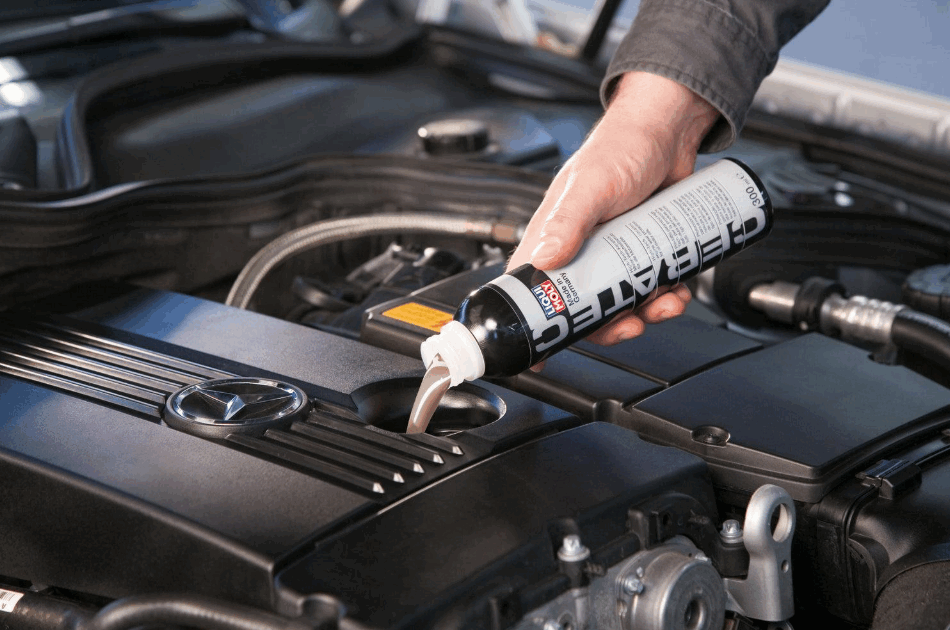
Are Oil Additives Worth It?
Oil additives are worth it when they solve a specific lubrication problem that regular motor oil cannot address. However, most well maintained engines do not need an extra additive. Modern motor oils already contain detergents, dispersants, friction modifiers, and anti wear agents. Oil manufacturers balance these components to meet specific performance standards.
The condition of the engine plays a major role in this decision. An older engine may consume oil, develop minor seal leaks, or accumulate deposits. A suitable additive may help manage certain symptoms in these cases. In contrast, a healthy engine gains less from an additional product. The correct motor oil already provides the lubrication and protection that the engine requires.
Drivers should also consider the cause of an engine problem before using an additive. An additive may improve lubrication or condition aging seals. It cannot repair a damaged gasket, worn piston rings, or a failing engine component. Using an additive for a mechanical failure may only delay the correct repair.
Cost also affects whether oil additives are worth buying. A product has value when its function matches a confirmed engine need. It offers little value when drivers use it without a clear purpose. Therefore, drivers should check the owner’s manual and oil specification first. More additives do not automatically mean better engine protection.
What Do Oil Additives Do in an Engine?
Oil additives change or support specific properties of motor oil to improve lubrication, cleanliness, stability, or protection. Different additives perform different functions inside an engine. However, motor oil already contains a balanced additive package. Aftermarket products add extra compounds to that existing formula.
Anti wear additives help protect metal surfaces when the oil film becomes thin. They form a protective layer on critical engine parts. This layer reduces direct contact between moving metal surfaces. Detergents and dispersants perform a different function. Detergents help control deposits on engine surfaces. Dispersants keep contaminants suspended in the oil until the next oil change.
Friction modifiers reduce friction between lubricated surfaces. Viscosity modifiers help oil maintain suitable flow characteristics as temperatures change. These functions matter because engine oil must flow during cold starts. It must also maintain adequate protection at normal operating temperatures.
Some aftermarket products contain seal conditioners. These compounds target aging engine seals and may help with minor seepage in suitable cases. They cannot repair cracked seals or damaged mechanical parts.
The purpose of an oil additive therefore depends on its chemistry. Drivers should choose a product for a defined lubrication need. They should not assume every additive provides the same benefits. They should also check compatibility with the motor oil and vehicle requirements before adding another product.
What Are the Benefits of Using Oil Additives?
Oil additives can provide four main benefits when their formulation matches the needs of the engine. They can reduce wear, control deposits, modify lubrication properties, and support aging seals. The actual benefit depends on the additive type and the condition of the engine.
Anti wear additives can provide extra protection between moving metal surfaces. These compounds create a protective film when the normal oil film becomes too thin. This protection can reduce direct metal contact under demanding operating conditions. Friction modifiers can also reduce resistance between lubricated surfaces. However, these additives perform different chemical functions.
Detergent and dispersant additives help control contaminants inside the engine. Detergents reduce deposits on hot engine surfaces. Dispersants keep small contaminants suspended in the oil. The oil can then carry these particles until the next oil change. This process helps control sludge and deposits when the formulation suits the application.
Some products also modify viscosity or condition aging seals. Viscosity related additives change how the lubricant behaves at different temperatures. Seal conditioners target certain aging seals and may reduce minor seepage. They cannot repair a cracked or severely damaged seal.
These benefits do not mean every engine needs an aftermarket additive. Modern motor oils already contain additives that perform many of these functions. An aftermarket additive provides the most value when it addresses a defined need without disrupting the required oil properties.
What Are the Risks of Using Oil Additives?
Oil additives have four main risks: changing oil chemistry, altering viscosity, creating compatibility problems, and masking mechanical faults. These risks depend on the product, engine, motor oil, and amount used. A suitable additive should support a specific need without interfering with the required lubricant properties.
Motor oil contains a balanced mixture of base oils and additives. Adding another chemical product can change that balance. For example, extra detergents or friction modifiers may affect how the existing formulation performs. This is one reason drivers should avoid mixing products without checking their intended use and compatibility.
Some additives also change oil viscosity. Thicker oil can behave differently during a cold start. It can also affect oil flow through narrow engine passages. The engine manufacturer specifies suitable viscosity grades for defined operating conditions. Drivers should not change these properties without a clear reason.
The greatest risk occurs when an additive hides a mechanical problem. An engine may lose oil because of worn piston rings, a damaged gasket, or a failed seal. It may also produce abnormal noise because an internal component has worn out. An additive cannot repair these physical defects.
Drivers should diagnose persistent symptoms before relying on an additive. They should also follow the oil specification in the owner’s manual. An oil additive becomes a poor investment when it delays a necessary repair or changes the lubricant beyond the engine’s requirements.
When Should You Use an Oil Additive?
You should use an oil additive when your engine has a specific lubrication need that the product can address. The decision should start with the engine condition rather than the product claim. Drivers should identify the problem first. They can then determine whether an additive offers a suitable solution.
Older engines provide a common example. Aging seals may develop minor seepage as their materials change over time. A compatible seal conditioner may help in certain cases. An engine with deposit concerns may require a product designed for deposit control. These situations give the additive a defined purpose.
However, drivers should separate lubrication problems from mechanical failures. A damaged gasket, cracked seal, or worn engine component requires diagnosis and repair. An additive cannot restore a physically damaged part. Persistent oil loss, unusual engine noise, or low oil pressure can indicate a more serious problem.
Oil compatibility also matters. Drivers should check the viscosity grade and oil specification required by the vehicle manufacturer. They should then confirm that the additive suits the existing motor oil. The owner’s manual should remain the primary reference for lubrication requirements.
A simple process can guide the decision. Identify the symptom first. Determine its cause next. Check the required motor oil and manufacturer guidance. Then evaluate whether the additive targets that specific need. Oil additives make the most sense when drivers use them for a defined purpose rather than as routine preventive maintenance.
Are Oil Additives Worth It for High Mileage Engines?
Oil additives can be worth it for high mileage engines when they target a specific problem caused by age or wear. However, mileage alone does not mean an engine needs an additive. Engine condition, maintenance history, oil consumption, and existing symptoms provide better reasons for making that decision.
Older engines may develop changes in seals, deposits, oil consumption, and internal clearances. A seal conditioner may help manage minor seepage from aging seals. Other additives may target deposits, friction, or lubricant viscosity. The product should match the actual condition instead of the number on the odometer.
High mileage motor oil provides another option. Manufacturers formulate these oils for older engines and include an existing additive package. Some formulas contain seal conditioners and other components for age related concerns. Using high mileage oil may provide a simpler approach than adding a separate aftermarket product.
Drivers should investigate serious symptoms before choosing either option. Heavy oil consumption can result from worn piston rings or other internal problems. A major oil leak may come from a failed gasket or damaged seal. An additive cannot rebuild worn parts or repair physical damage.
High mileage engines benefit from oil additives only when the additive has a clear purpose. A well maintained older engine that runs normally may need nothing beyond the correct motor oil. Engine condition should determine the decision, not mileage by itself.
Do Synthetic Oils Need Oil Additives?
Synthetic oils do not normally need extra oil additives because they already contain a formulated additive package. Oil manufacturers combine base oils with additives to meet specific lubrication and performance requirements. Adding another product is not automatically necessary because the oil uses a synthetic base.
Synthetic motor oil can contain detergents, dispersants, anti wear agents, antioxidants, and friction modifiers. Other components help control viscosity, corrosion, or foam. Each additive performs a specific function. The complete formula helps the oil protect the engine across different temperatures and operating conditions.
Aftermarket additives differ from these existing components. Drivers pour them into oil after purchasing the motor oil. This changes the original formulation inside the engine. The change may offer value when it addresses a defined need. However, adding more chemicals does not guarantee better lubrication or greater engine protection.
Drivers should first check whether the synthetic oil meets the specifications required for their vehicle. They should also use the correct viscosity grade. These factors matter more than adding a supplemental product to an engine that already operates normally.
A separate additive makes more sense when it serves a clear purpose and suits the existing oil. The vehicle manufacturer should not prohibit its use. For most healthy engines, using the correct synthetic oil and following the recommended oil change schedule provides a stronger maintenance strategy than adding oil additives without a specific reason.
Can Oil Additives Fix Oil Leaks, Engine Noise, or Oil Consumption?
Oil additives may reduce certain oil leaks, engine noises, or oil consumption, but they cannot fix damaged engine parts. Their effectiveness depends on the cause of the symptom. Drivers should identify that cause before choosing an additive.
Some oil additives target minor leaks around aging seals. Seal conditioners can affect the condition of certain seal materials. This may reduce minor seepage in suitable cases. However, these products cannot repair a cracked seal, failed gasket, or damaged engine component. Those problems require mechanical repair.
Engine noise also has several possible causes. An additive may affect noise when lubrication contributes to the problem. For example, changing certain oil properties can influence friction between moving surfaces. However, quieter operation does not prove that an engine is healthy. Worn bearings and other damaged components can also create abnormal sounds.
Oil consumption requires the same approach. External leaks can cause oil loss, while internal engine wear can allow the engine to burn oil. Worn piston rings and other mechanical problems need proper diagnosis. An additive cannot restore worn metal components.
Drivers should therefore treat these products as targeted lubrication tools rather than engine repair products. An additive may help manage a suitable symptom, but it should not replace diagnosis when oil loss, noise, or consumption continues. Fixing the underlying cause provides a more reliable solution when mechanical damage exists.
When Should You Avoid Using Oil Additives?
You should avoid oil additives when your engine runs normally and already uses the correct motor oil. You should also avoid them when the product conflicts with manufacturer guidance. An additive needs a clear purpose before it becomes a useful part of engine maintenance.
A healthy engine usually receives its required protection from the specified motor oil. Modern oils contain additive packages for wear control, cleanliness, oxidation, and other lubrication needs. Adding another product without a specific reason may provide little practical benefit. It may also change properties of the original oil formulation.
Drivers should also avoid additives when they cannot confirm compatibility. The engine may require a specific viscosity grade or oil specification. An aftermarket product can change how the lubricant behaves inside the engine. Check the owner’s manual before changing the recommended lubrication approach.
Mechanical problems provide another reason for caution. Persistent oil leaks, low oil pressure, excessive oil consumption, or abnormal noises require proper diagnosis. A chemical additive cannot repair a broken gasket, worn bearing, damaged seal, or worn piston ring. Using a product to hide these symptoms may delay necessary repairs.
Avoid choosing an additive only because its marketing promises extra protection. Use an oil additive only when you can identify its purpose, confirm its compatibility, and connect its function to an actual engine need. Otherwise, correct motor oil and regular maintenance provide the more appropriate approach.
How Do You Choose the Right Oil Additive for Your Car?
Choose the right oil additive by matching its function to a specific engine need and the required motor oil. Start with the reason you want to use an additive. Then check the vehicle requirements before adding any product to the engine.
First, identify the problem you want to address. Different products target different lubrication concerns. A seal conditioner targets certain problems with aging seals. A cleaning additive focuses on deposits and contaminants. Other products target friction, wear, or viscosity. Choosing by function helps prevent the use of an unrelated product.
Next, check the owner’s manual for the required oil viscosity and specification. The manual may also provide guidance about supplemental oil additives. Follow these requirements when evaluating a product. An additive should not create a conflict with the lubrication requirements of the engine.
Compatibility is also important. Check whether the product suits the motor oil and intended engine application. Follow the product instructions for the correct amount. Adding more than the recommended amount does not provide greater protection.
Finally, consider whether the engine needs an additive at all. A healthy engine may only need the correct motor oil and regular oil changes. Persistent leaks, abnormal noise, or high oil consumption may require diagnosis instead. The right oil additive has a defined purpose, matches the engine requirements, and addresses a lubrication need that an additive can realistically influence.
Are Oil Additives Worth the Money?
Oil additives are worth the money when they address a specific lubrication need and match the requirements of the engine. They offer less value when drivers add them to a healthy engine without a clear purpose. In that situation, the correct motor oil should already provide the required lubrication and protection.
Four factors determine whether an oil additive offers good value. These are engine condition, oil specification, additive purpose, and manufacturer guidance. A product may make sense for certain aging seals or another suitable lubrication concern. However, the same product may provide no useful benefit to an engine that operates normally.
Drivers should also compare the cost of an additive with the correct solution. Persistent oil consumption, major leaks, low oil pressure, and abnormal noises can indicate mechanical problems. An additive cannot repair worn piston rings, failed gaskets, damaged seals, or other failed components. Mechanical diagnosis offers more value when physical damage causes the problem.
Regular oil changes and the correct motor oil remain the foundation of engine lubrication. Supplemental additives should serve a defined purpose rather than become an automatic maintenance expense. Oil additives are worth buying when a specific product addresses a confirmed need without conflicting with the engine’s lubrication requirements. Otherwise, spending that money on proper maintenance provides greater value.