A transmission fluid change at Valvoline does not have one fixed nationwide price. The final cost depends on your vehicle, transmission type, fluid capacity, and service location. Your vehicle may also require a specific type of transmission fluid. As a result, two vehicles can have different service costs at the same Valvoline location.
Valvoline offers transmission fluid replacement as part of its preventive maintenance services. The service removes old transmission fluid and replaces it with fresh fluid that meets the vehicle’s requirements. Valvoline states that this service can take about 20 minutes for many vehicles. However, the actual time depends on the vehicle and the required service. This relatively short service time makes Valvoline convenient for routine transmission maintenance.
Price should not be your only consideration when choosing a transmission service. First, check the service type recommended for your transmission. You should also review the manufacturer’s maintenance schedule and required fluid specification. These details help you avoid paying for the wrong service. This guide covers Valvoline transmission fluid change costs, price factors, service details, and alternatives. It also compares Valvoline with dealerships and independent repair shops.
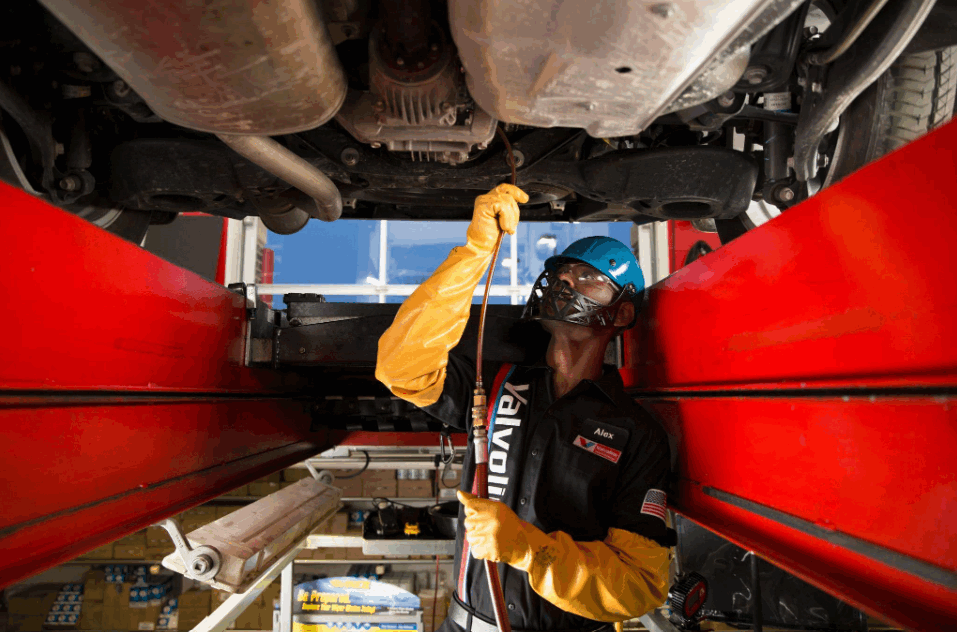
How Much Is a Transmission Fluid Change at Valvoline?
Valvoline does not charge one fixed nationwide price for a transmission fluid change. Each service center can set prices based on its location and operating costs. Your vehicle also affects the final amount. Therefore, you need a vehicle specific quote to know the exact cost.
The transmission itself creates another price difference. Different transmissions require different fluid specifications and quantities. A vehicle with a larger fluid capacity needs more transmission fluid during a full exchange. Some vehicles also require specialized fluids that cost more than standard automatic transmission fluid. These requirements can increase the total service price.
The type of service matters as well. A simple drain and refill removes only part of the old transmission fluid. A fluid exchange replaces a much larger portion of the fluid inside the system. These procedures use different amounts of fluid. They may also require different equipment and service time. For this reason, drivers should confirm the exact procedure before comparing prices.
Location can also affect what you pay at Valvoline. Labor costs, local market conditions, and individual service center pricing can vary between areas. A quote from one Valvoline location may not match another location.
Ask the selected Valvoline center for an exact quote before authorizing the service. Provide your vehicle’s year, make, model, and engine information when requesting the price. These details help the service center identify the correct transmission and fluid requirements. They also provide a more useful price than a general nationwide estimate.
What Affects the Cost of a Transmission Fluid Change at Valvoline?
Five main factors affect the cost of a transmission fluid change at Valvoline. These factors include vehicle model, transmission type, fluid capacity, fluid specification, and service location. Each factor can change the amount of fluid or work required for the service.
Your vehicle make and model help determine the transmission design and service requirements. Valvoline must use a fluid that meets the specifications for that transmission. Therefore, two vehicles may require different fluids even when both use automatic transmissions.
Transmission type also affects the service. Conventional automatic transmissions and continuously variable transmissions can have different fluid requirements. Manufacturers design these fluids for specific operating conditions. Using the correct specification helps the transmission operate as intended.
Fluid capacity directly affects how much fluid the service requires. A transmission with a larger capacity may need more replacement fluid. This becomes especially important during a fluid exchange because the process uses more fluid than a basic drain and refill.
The required fluid can also influence the total price. Some transmissions need specialized formulations instead of conventional automatic transmission fluid. Drivers should confirm the required specification before approving the service.
Finally, Valvoline prices can vary by service location. Local operating costs and market conditions can affect service pricing. For this reason, a price from one location may not apply to another. Requesting a local quote for your specific vehicle provides the most relevant cost information.
What Does Valvoline Include in a Transmission Fluid Service?
Valvoline transmission service focuses on replacing old transmission fluid with fresh fluid. The exact procedure depends on the vehicle and its transmission requirements. Drivers should confirm the service type before work begins because transmission maintenance procedures are not identical.
A transmission fluid exchange replaces a large portion of the old fluid inside the system. The process introduces fresh fluid while removing existing fluid from the transmission. This approach replaces more fluid than a basic drain and refill. It also helps restore the fluid properties needed for lubrication and transmission operation.
A drain and refill works differently. The technician drains the fluid that can leave through the transmission drain point. Some old fluid remains inside components such as the torque converter and fluid passages. Fresh fluid then replaces the amount removed during drainage. As a result, this procedure replaces only part of the transmission’s total fluid capacity.
Drivers should also distinguish fluid replacement from transmission repair. Fresh fluid cannot repair worn gears, damaged seals, or other mechanical problems. Symptoms such as slipping or severe shifting problems may require diagnosis before routine fluid service.
Transmission filter replacement also depends on the vehicle and service procedure. Drivers should not assume that every fluid service includes a new filter. Ask the Valvoline location what the quoted service includes before approving the work. This confirms the procedure, required fluid, and any additional services that may affect the final cost.
How Much Does Valvoline Cost Compared With Other Transmission Service Providers?
Valvoline can cost less than a dealership for some transmission services. However, the exact difference depends on the vehicle and required procedure. Local pricing also affects the comparison. Drivers should compare quotes for the same service instead of comparing advertised prices alone.
Valvoline states that customers can save compared with dealership pricing on selected maintenance services. Its service model also focuses on routine preventive maintenance. This setup can reduce service time and make transmission fluid replacement more convenient. However, a lower price does not mean every vehicle should receive the same procedure.
Dealerships may charge more because their service departments specialize in vehicles from specific manufacturers. They also have direct access to manufacturer service information and vehicle specific procedures. This can provide extra value when a transmission requires specialized maintenance or diagnosis.
Independent repair shops create a wider range of prices. Labor rates, fluid brands, equipment, and shop experience can differ significantly. Some shops may offer competitive prices for a drain and refill. Others may charge more for a complete fluid exchange or additional inspection.
Compare the complete service before choosing a provider. Ask each provider which fluid it will use and how much fluid it will replace. You should also confirm whether the quote includes additional labor or related services. Comparing the same procedure gives you a more accurate view of value. It also prevents a cheaper quote from appearing better simply because it includes less work.
How Long Does a Transmission Fluid Change Take at Valvoline?
A transmission fluid change at Valvoline can take about 20 minutes for many vehicles. The actual time depends on the vehicle and the required transmission service. Some vehicles have different fluid capacities, transmission designs, and service procedures. These differences can increase the time needed to complete the work.
Valvoline focuses on preventive maintenance services that drivers can complete without a traditional repair appointment. This service model makes routine transmission maintenance more convenient. A technician can identify the vehicle’s fluid requirements and perform the appropriate fluid service at the service center.
However, service time and total waiting time are not always the same. A busy location may have other vehicles waiting when you arrive. Vehicle specific requirements can also extend the visit. Therefore, the complete visit may take longer than the transmission service itself.
A dealership or independent repair shop may use a different process. Some facilities require customers to schedule an appointment and leave the vehicle during service. This can increase the total time without necessarily changing the actual transmission fluid replacement time.
Drivers who value convenience should consider both price and service duration. Contact the Valvoline location before visiting if timing matters. You can also provide your vehicle’s year, make, and model in advance. This helps the service center confirm whether it offers the required transmission service. It can also give you a better estimate of the expected service time.
How Often Should You Change Transmission Fluid?
You should change transmission fluid according to your vehicle manufacturer’s maintenance schedule. There is no single replacement interval that applies to every vehicle. Transmission design, fluid type, mileage, and driving conditions all affect the correct service interval.
Start by checking the owner’s manual or official maintenance schedule for your vehicle. The manufacturer specifies the fluid type and recommended maintenance requirements for that transmission. Following this guidance helps prevent unnecessary service. It also reduces the risk of using an interval designed for a different transmission.
Driving conditions can also affect transmission fluid life. Towing and carrying heavy loads place more stress on the transmission. Frequent stop and go driving can also increase operating demands. High temperatures and other severe conditions may place additional stress on the fluid. Your manufacturer may recommend a different maintenance schedule under these conditions.
Transmission type is another important factor. A conventional automatic transmission and a continuously variable transmission do not necessarily follow the same maintenance requirements. They may use different fluids and service procedures. Therefore, drivers should avoid choosing an interval based only on general advice.
Mileage alone should not determine when you schedule a transmission fluid change at Valvoline. Check the manufacturer’s requirements first. Then confirm that Valvoline offers the correct service and fluid for your vehicle. This approach connects the service interval to the actual transmission rather than a universal mileage estimate.
What Are the Signs That Your Transmission Fluid Needs to Be Changed?
Six common signs can indicate that your transmission fluid needs attention. These include dark fluid, a burnt smell, delayed shifting, rough shifting, overheating, and unusual transmission behavior. However, these signs do not always mean that a fluid change will solve the problem.
Transmission fluid can change in appearance as it ages and collects contaminants. Dark or dirty fluid may indicate that the fluid has been in service for a long time. A burnt smell can also signal excessive heat inside the transmission. In either case, check the vehicle’s maintenance requirements before choosing a service.
Shifting problems can provide another warning. Delayed engagement may occur when the transmission does not respond normally after selecting a gear. Rough or inconsistent shifts can also indicate a problem. However, worn components and other mechanical faults can cause similar symptoms.
Excessive transmission heat also deserves attention. Transmission fluid helps lubricate moving components and manage heat. Fluid that no longer performs correctly can affect these functions. Still, overheating can have several causes, so fluid replacement should not replace proper diagnosis.
Unusual transmission behavior requires the same caution. Slipping, severe hesitation, or persistent shifting problems may indicate more than old fluid. A technician should diagnose serious symptoms before routine maintenance. Changing the fluid may support normal maintenance, but it cannot repair damaged internal components. Always separate preventive fluid service from mechanical transmission repair.
What Is the Difference Between a Transmission Fluid Change and a Transmission Flush?
A transmission fluid change and a transmission flush replace different amounts of old fluid. A fluid change removes part of the existing fluid and adds fresh fluid. A flush or full fluid exchange replaces a much larger portion of the fluid in the transmission.
During a basic fluid change, fluid drains from the transmission through its drain point. However, some old fluid remains inside the torque converter, passages, and other components. The technician then adds fresh fluid to replace the amount removed. This process requires less replacement fluid than a complete exchange.
A full fluid exchange uses equipment to remove more of the existing fluid. Fresh fluid enters the system as old fluid leaves. This process replaces a greater percentage of the transmission fluid. It can also require more fresh fluid, which may affect the total service cost.
The correct option depends on the vehicle and its maintenance requirements. Manufacturers can specify particular fluids and service procedures for their transmissions. Vehicle age and transmission condition can also affect the appropriate approach. For this reason, drivers should check the manufacturer recommendations before choosing a service.
A fluid service should not replace diagnosis when a transmission has serious problems. Slipping, severe hesitation, unusual noises, or persistent shifting issues can indicate mechanical damage. New fluid cannot repair worn or damaged internal components. Confirm the required procedure first, especially when the transmission already shows significant symptoms.
How Can You Save Money on a Valvoline Transmission Fluid Change?
You can save money on a Valvoline transmission fluid change by checking prices before your visit. Start by requesting a quote for your specific vehicle. This gives you a better cost estimate than relying on a general service price.
Check current Valvoline coupons and promotions before scheduling the service. Available offers can change by location and date. Therefore, confirm that a coupon applies to transmission service at your selected location. You should also review its expiration date and service restrictions before your visit.
Confirm the required transmission service before approving any work. Your owner’s manual can identify the recommended maintenance procedure and fluid specification. This information helps you avoid paying for a service that does not match your vehicle’s requirements.
You can also compare the complete service with other local providers. Ask each provider what fluid it will use and what procedure the quote covers. A lower price may cover a different service or use less replacement fluid. Comparing equivalent services gives you a more accurate cost comparison.
Finally, follow the manufacturer’s maintenance schedule instead of waiting for serious transmission problems. Routine maintenance can help you address fluid service at the appropriate interval. However, maintenance cannot repair existing mechanical damage. If your transmission slips or shifts poorly, seek a diagnosis before paying for routine fluid replacement. This approach helps you spend money on the service your vehicle actually needs.
Is a Valvoline Transmission Fluid Change Worth It?
A Valvoline transmission fluid change can be worth the cost for routine preventive maintenance. Valvoline offers a convenient service model and can complete transmission fluid service quickly for many vehicles. However, value depends on the service your vehicle actually needs.
Convenience is one of the main advantages. Valvoline focuses on routine vehicle maintenance rather than complex transmission repair. This approach can suit drivers who need scheduled fluid service without a lengthy repair shop visit. The shorter service process can also reduce the time spent on routine maintenance.
Price also affects the value of the service. Compare the Valvoline quote with prices from dealerships and independent repair shops. Make sure each quote covers the same procedure and fluid specification. A cheaper service provides little value when it does not meet the manufacturer’s requirements.
Vehicle compatibility matters just as much as price. Confirm that Valvoline can provide the correct fluid and procedure for your transmission. This step is especially important for vehicles with specialized transmission designs or fluid requirements.
Valvoline may not be the best option when your transmission already has serious symptoms. Persistent slipping, unusual noises, or severe shifting problems require diagnosis rather than routine maintenance. A transmission specialist or dealership may provide more appropriate support in these cases.
Valvoline offers the most value when your vehicle needs routine transmission fluid maintenance. Confirm the required service, request a vehicle specific quote, and compare equivalent procedures before making your decision.
Conclusion
The cost of a transmission fluid change at Valvoline depends on your vehicle and service requirements. Transmission type, fluid capacity, fluid specification, service procedure, and location can all affect the final price. For this reason, a local vehicle specific quote provides more useful information than a general nationwide estimate.
Valvoline can be a practical choice for routine transmission maintenance. Its service model focuses on convenience and relatively quick preventive maintenance. However, drivers should confirm the required fluid and procedure before approving the service. The owner’s manual or manufacturer maintenance schedule provides the best starting point for these requirements.
Price should also reflect what the service includes. Compare equivalent procedures when considering Valvoline, a dealership, or an independent repair shop. A lower quote does not always represent better value when the service scope differs.
Before visiting Valvoline, check your vehicle’s maintenance requirements and request an exact local quote. You can also check current coupons before your visit. If the transmission has serious shifting problems, seek a diagnosis before paying for routine fluid replacement.