Ceramic coating cost varies widely because every vehicle requires a different level of preparation, protection, and labor. While some entry-level packages start at a few hundred dollars, premium ceramic coating services can cost several thousand dollars depending on the vehicle’s size, paint condition, coating brand, and installer expertise. Understanding these pricing differences helps you compare services based on value rather than choosing the lowest quote.
A ceramic coating is more than a protective liquid applied to your vehicle’s paint. It is a long-term investment that improves gloss, enhances hydrophobic performance, reduces chemical contamination, and makes routine maintenance easier. However, the coating itself represents only part of the total price. Surface preparation, paint correction, installation time, and warranty coverage often account for a significant portion of the final cost.
Many vehicle owners focus only on the initial price and overlook the factors that determine long-term value. A professionally installed coating with proper paint correction can provide years of protection, while a lower-priced option may require earlier replacement or additional maintenance. Comparing packages without understanding what is included often leads to inaccurate expectations.
This guide explains everything you need to know about ceramic coating cost. You will learn the average price range, the factors that influence pricing, the cost differences between vehicle types, and the long-term expenses associated with maintaining a ceramic coating. By the end of this guide, you will be able to evaluate different coating packages with confidence and choose the solution that delivers the best value for your vehicle and your budget.
How Much Does Ceramic Coating Cost?
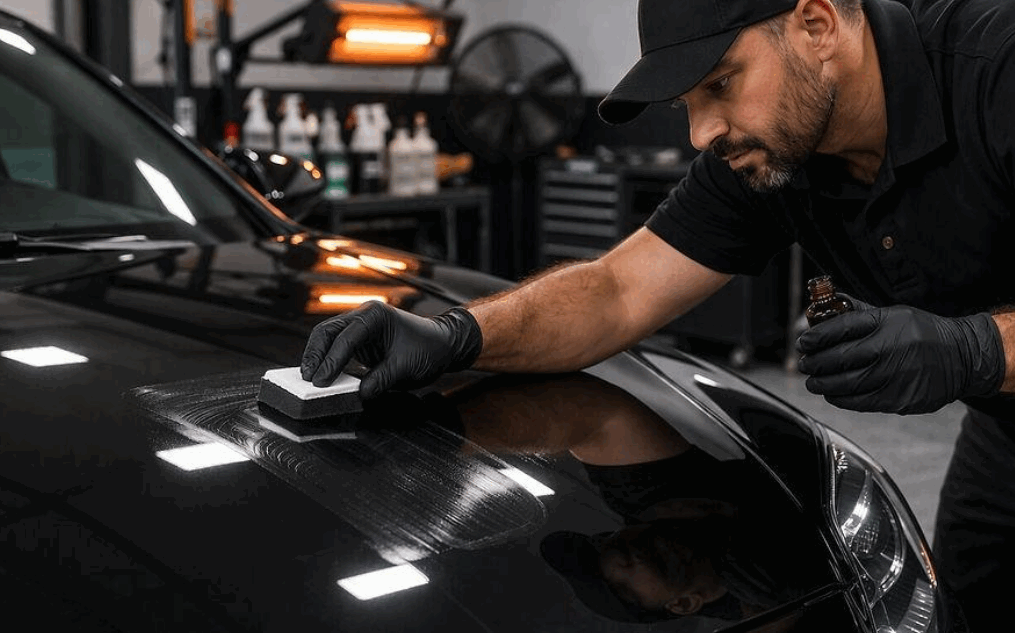
The average ceramic coating cost ranges from $500 to $3,000 for most passenger vehicles. Entry-level professional packages typically cost between $500 and $900, while mid-range ceramic coatings usually fall between $900 and $1,500. Premium multi-layer systems with extensive paint correction and long-term warranties often range from $1,500 to $3,000 or more. The final price depends on the amount of preparation required before the coating is applied rather than the coating product alone.
Vehicle owners should understand that ceramic coating is a professional detailing process instead of a single product application. Most of the installation time is spent washing, decontaminating, polishing, and correcting paint imperfections. These preparation steps create a clean and defect-free surface that allows the ceramic coating to bond properly. A vehicle with swirl marks, oxidation, or scratches requires more labor, which increases the overall service cost.
DIY ceramic coating is a more affordable alternative, with most consumer-grade products costing between $50 and $200. Although this option reduces the initial investment, it does not include professional paint correction, specialized equipment, or installation expertise. As a result, DIY coatings generally provide shorter durability and lower finish quality than professionally installed ceramic coatings.
Price differences also reflect the quality of the coating package. Higher-priced services often include premium ceramic coating brands, multiple coating layers, longer warranty periods, and scheduled maintenance inspections. These additional services improve durability and help preserve the coating’s protective performance over time.
Instead of comparing ceramic coating prices alone, evaluate the complete value of each package. A service that includes thorough surface preparation, certified installation, and long-term maintenance may deliver better protection and lower ownership costs than a cheaper package with limited coverage. Looking beyond the initial price helps you choose a ceramic coating that provides lasting value for your vehicle.
What Factors Affect Ceramic Coating Cost?
Several factors determine ceramic coating cost, but paint condition, vehicle size, installation quality, and coating durability have the greatest impact on the final price. Two vehicles of the same model can receive very different quotes because the preparation process often requires different amounts of labor. Understanding these pricing factors makes it easier to compare ceramic coating packages and avoid choosing a service based only on the lowest price.
The condition of the vehicle’s paint is usually the largest cost factor. A new vehicle with minimal imperfections requires less preparation before the coating is applied. An older vehicle often needs extensive decontamination, clay bar treatment, and paint correction to remove swirl marks, oxidation, water spots, or light scratches. Since professional paint correction can take several hours, it significantly increases the total installation cost while also improving the final appearance and durability of the coating.
Vehicle size also influences ceramic coating pricing because larger vehicles have more painted surfaces that require cleaning, polishing, and coating. Compact cars and sedans generally cost less than SUVs, pickup trucks, and full-size vans because technicians spend more time preparing and protecting larger vehicles. Complex body designs with additional curves, trim pieces, and difficult-to-reach areas can further increase labor requirements.
The ceramic coating product itself represents another important pricing factor. Premium brands typically offer stronger chemical resistance, better hydrophobic performance, higher gloss retention, and longer service life than entry-level products. Some coating systems also require multiple layers or certified installation procedures, which increase both material costs and application time. These differences explain why professional ceramic coating packages vary widely even when they appear similar at first glance.
Installer experience and warranty coverage also contribute to the total price. Certified detailing shops invest in professional training, controlled installation environments, and quality assurance processes that help achieve consistent results. Longer warranties usually indicate greater confidence in both the coating product and the installation process. Although these services increase the initial investment, they often reduce long-term maintenance costs and provide better overall value throughout the life of the ceramic coating.
How Much Does Ceramic Coating Cost by Vehicle Type?
Ceramic coating cost increases as vehicle size grows. Larger vehicles require more preparation, more coating product, and more labor. Most detailing shops calculate pricing based on painted surface area, body complexity, and paint condition. As a result, the same ceramic coating package rarely costs the same for every vehicle.
A standard sedan usually costs between $500 and $1,500. Sedans have a smaller body and fewer painted panels than larger vehicles. Technicians can clean, polish, and coat them more quickly. If the paint is already in good condition, the installation process becomes even more efficient. This reduces labor costs and keeps the overall price lower.
The average ceramic coating cost for an SUV ranges from $800 to $2,000. SUVs have taller body panels, larger roofs, and more exterior surfaces. Detailers spend more time washing, polishing, and coating these areas. They also use more ceramic coating product to achieve complete coverage. These factors increase the total installation cost.
Owners looking for ceramic coating cost for a truck should expect to pay between $900 and $2,500. Pickup trucks have long beds, large hoods, and wider body panels. Many work trucks also show scratches, oxidation, or water spots. These defects require additional paint correction before technicians apply the coating. Extra preparation increases both labor time and the final price.
Luxury vehicles often cost between $1,500 and $3,000 or more. These vehicles usually feature premium paint finishes, complex body lines, and delicate exterior trim. Detailers work more carefully to preserve the finish and deliver a flawless result. Many owners also choose premium ceramic coating systems that include longer warranties and higher durability.
Electric vehicles follow the same pricing structure as gasoline-powered vehicles. However, some EVs feature large glass roofs, unique body designs, or premium paint options that require extra attention during installation. The most accurate ceramic coating estimate always depends on the vehicle’s condition and the amount of preparation required before the coating application begins.
Is Professional Ceramic Coating Worth the Higher Cost?
Professional ceramic coating costs more than a DIY solution, but it also delivers better protection, longer durability, and a higher-quality finish. Most professional installations range from $500 to $3,000, while DIY ceramic coating kits usually cost between $50 and $200. Although the price difference is significant, the overall value depends on the coating’s lifespan, installation quality, and long-term maintenance requirements.
Professional installers begin with a thorough preparation process before applying the coating. They wash the vehicle, remove contaminants, and correct paint defects to create a smooth surface. This preparation allows the ceramic coating to bond properly and perform as intended. In contrast, many DIY users skip paint correction or lack the proper tools, which can reduce durability and produce uneven results.
Durability is another important difference. A professionally installed ceramic coating can protect the paint for three to seven years, depending on the product and maintenance routine. Most consumer-grade DIY coatings last one to two years before their hydrophobic properties begin to decline. Frequent reapplication can increase the total ownership cost over time, even if the initial purchase price is lower.
Professional services also include benefits that DIY products rarely provide. Many detailing shops offer manufacturer-backed warranties, maintenance inspections, and aftercare recommendations. These services help preserve the coating and reduce the risk of premature failure. They also give vehicle owners greater confidence in the long-term performance of their investment.
DIY ceramic coating remains a practical choice for owners with limited budgets or experience maintaining their own vehicles. However, professional ceramic coating offers better value for drivers who want maximum durability, consistent appearance, and reliable protection. Instead of comparing installation costs alone, consider the coating’s expected lifespan, maintenance needs, and overall performance throughout its service life.
What Additional Costs Should You Expect After Ceramic Coating?
The initial installation is only part of the total ceramic coating cost. Most vehicle owners should also budget for regular maintenance, periodic inspections, and occasional reapplications. These additional services protect the coating’s performance and extend its lifespan. Understanding these ongoing expenses helps you calculate the true cost of owning a ceramic-coated vehicle.
Annual maintenance is the most common recurring expense. Most professional detailing shops recommend a maintenance service every 6 to 12 months. During this visit, technicians wash the vehicle, remove bonded contaminants, inspect the coating, and restore its hydrophobic performance. Depending on the service package and vehicle size, maintenance typically costs between $100 and $300 per visit.
Some vehicles also benefit from a ceramic coating booster. A booster refreshes the coating’s water-repellent properties and enhances surface gloss after months of daily driving. Detailers usually apply this product during a maintenance appointment rather than as a separate service. While a booster cannot replace the original coating, it helps maintain consistent protection and delays the need for a full reapplication.
Paint damage can also increase long-term ownership costs. Road debris, improper washing techniques, bird droppings, and deep scratches may damage the coating or the paint beneath it. If this happens, technicians often polish the affected panel before applying a new layer of ceramic coating. Repair costs vary depending on the size of the damaged area and the amount of paint correction required.
Choosing a reputable installer can reduce many of these long-term expenses. High-quality ceramic coatings usually resist chemicals, UV exposure, and environmental contaminants more effectively than lower-grade products. When combined with proper washing techniques and regular maintenance, a professional ceramic coating can deliver reliable protection for several years while keeping future maintenance costs under control.
Ceramic Coating vs Wax vs Paint Protection Film: Which Offers Better Value?
Ceramic coating offers better long-term value than traditional car wax, while paint protection film provides the highest level of physical protection. Each solution serves a different purpose, so the best choice depends on your budget, driving habits, and protection goals. Comparing only the installation cost does not provide an accurate picture because each option differs in durability, maintenance, and overall performance.
Car wax is the most affordable option. Most wax products cost between $20 and $100, and professional applications usually range from $100 to $300. Wax enhances gloss and adds a thin protective layer against dirt and water. However, its protection typically lasts only a few weeks or months. Frequent reapplication increases both maintenance time and long-term ownership costs.
Ceramic coating requires a higher initial investment, with professional installation generally costing between $500 and $3,000. In return, it delivers stronger chemical resistance, better UV protection, improved water repellency, and easier vehicle maintenance. A quality ceramic coating can last several years when owners follow the recommended maintenance schedule. Although the upfront cost is higher than wax, the longer service life often makes ceramic coating a more cost-effective solution over time.
Paint protection film, commonly known as PPF, represents the most expensive option. Full vehicle installation often costs between $4,000 and $8,000, depending on the vehicle and the coverage area. Unlike ceramic coating, PPF absorbs minor impacts and helps prevent rock chips, road debris damage, and light scratches. Many premium films also feature self-healing technology that reduces the appearance of fine surface marks after exposure to heat.
The right choice depends on the level of protection you expect. Wax works well for owners seeking an affordable shine with minimal upfront cost. Ceramic coating suits drivers who want long-lasting protection and easier maintenance without paying for full paint protection film. PPF provides the best defense against physical damage and is often the preferred solution for luxury vehicles, performance cars, and new vehicles exposed to demanding road conditions. Many owners also combine PPF with ceramic coating to maximize both impact resistance and long-term surface protection.
How Can You Reduce Ceramic Coating Cost Without Sacrificing Quality?
Reducing ceramic coating cost does not mean choosing the cheapest service available. The best approach is to select a package that matches your vehicle’s condition, driving habits, and long-term expectations. Spending wisely on the right services often delivers better value than paying less for a package that fails to provide lasting protection.
Start by choosing a ceramic coating package that fits your needs instead of selecting the highest level of protection. A daily commuter that spends most of its time in a garage may not require a premium multi-layer coating with a lifetime warranty. In many cases, a three to five-year coating provides an excellent balance between price, durability, and maintenance.
Request a paint inspection before accepting a quotation. Some vehicles need extensive paint correction, while others require only light polishing. Paying for unnecessary correction increases the total cost without improving the final result. A professional inspection allows the installer to recommend the most appropriate level of preparation for your vehicle.
Comparing detailing shops also helps you make a better investment. Look beyond the advertised price and evaluate the experience of the technicians, the coating brands they use, and the warranty they provide. Customer reviews, certification, and a portfolio of completed projects often reveal more about service quality than a discounted price alone.
Proper maintenance is another effective way to reduce long-term costs. Washing your vehicle with pH-neutral car shampoo, removing contaminants promptly, and following the manufacturer’s maintenance schedule help preserve the coating for many years. A well-maintained ceramic coating requires fewer repairs and delays the need for reapplication, which lowers the total cost of ownership over time.
Frequently Asked Questions About Ceramic Coating Cost
How Long Does Ceramic Coating Last?
Professional ceramic coating typically lasts between three and seven years, depending on the product quality, installation process, and maintenance routine. Premium coatings often provide longer protection because they contain higher concentrations of active ceramic materials and require certified installation. Regular maintenance also plays an important role in extending the coating’s lifespan.
Does Ceramic Coating Prevent Scratches?
Ceramic coating helps reduce the risk of minor swirl marks and light surface marring, but it does not make your vehicle scratch-proof. The coating forms a hard protective layer that resists chemical stains, UV rays, and environmental contaminants. However, sharp objects, road debris, and heavy impacts can still damage the paint. Drivers who need maximum protection against rock chips and deep scratches should consider combining ceramic coating with paint protection film.
Can Ceramic Coating Replace Wax?
Yes, ceramic coating can replace traditional car wax for most vehicle owners. Unlike wax, which usually lasts only a few weeks or months, ceramic coating provides long-term protection and maintains its hydrophobic properties for several years. It also reduces the need for frequent reapplication, making routine vehicle maintenance easier and more cost-effective.
How Often Should Ceramic Coating Be Maintained?
Most detailing professionals recommend inspecting and maintaining ceramic coating every six to twelve months. Routine maintenance removes bonded contaminants, restores water-repellent performance, and allows technicians to identify minor issues before they become larger problems. Following the recommended maintenance schedule helps preserve both the coating’s appearance and its protective performance.
Why Do Ceramic Coating Prices Vary So Much?
Ceramic coating prices vary because every vehicle requires a different amount of preparation and labor. Paint condition, vehicle size, coating brand, warranty coverage, and installer experience all influence the final quote. Two vehicles with similar dimensions can receive different prices if one requires extensive paint correction while the other only needs basic surface preparation. Comparing what each package includes is the best way to determine which service offers the greatest value.
Conclusion
Ceramic coating cost depends on far more than the coating product itself. Surface preparation, paint correction, vehicle size, installer expertise, and warranty coverage all contribute to the final price. Understanding these factors allows you to compare ceramic coating packages based on overall value instead of focusing only on the lowest quote.
For many vehicle owners, professional ceramic coating offers a worthwhile long-term investment. It protects the paint, enhances gloss, simplifies routine maintenance, and reduces the need for frequent waxing. Although the initial cost is higher than traditional paint protection methods, the extended durability often results in lower ownership costs over time.
Before making a decision, request a detailed inspection and ask what each package includes. Comparing preparation work, coating quality, warranty terms, and maintenance services will help you choose the option that best matches your vehicle and your budget. If you want to learn more, explore our guides on paint correction, ceramic coating maintenance, and paint protection film to understand how each solution contributes to long-term paint protection.