The Ford L9 Axle Code identifies a specific factory rear axle configuration installed on selected Ford vehicles. This code provides valuable information about the axle ratio and may also help determine the differential type, depending on the model year and vehicle configuration. Understanding the L9 axle code is essential for owners who want to verify factory specifications, compare towing performance, purchase compatible replacement parts, or evaluate a used Ford truck before making a buying decision.
Many drivers focus on engine size or transmission options while overlooking the rear axle. However, the axle ratio directly influences acceleration, highway engine speed, towing capability, fuel efficiency, and overall driving characteristics. A truck equipped with the wrong axle ratio for its intended use may deliver disappointing performance, even if it has a powerful engine. For this reason, Ford assigns axle codes to simplify vehicle identification and ensure owners can confirm the original drivetrain specifications.
This guide explains everything you need to know about the Ford L9 Axle Code. You will learn what the code means, which gear ratio it represents, whether it includes a limited slip differential, and which Ford models commonly use it. The article also explains how to verify the code using the door jamb label, VIN information, and factory identification tags. By the end, you will have a clear understanding of how the L9 axle configuration affects daily driving, towing performance, off road capability, and future vehicle upgrades.
What Does the Ford L9 Axle Code Mean?
The Ford L9 Axle Code is a factory identifier for a specific rear axle configuration. Ford uses short axle codes instead of printing full mechanical specifications on the vehicle label. This system helps technicians and owners identify the original drivetrain quickly. It also reduces confusion when ordering replacement parts or checking factory equipment.
Each Ford axle code represents a unique combination of specifications. These usually include the axle ratio and, in some cases, the differential type. However, the exact meaning of the L9 code can vary between model years. Ford updates axle configurations as new truck generations are introduced. For this reason, you should always verify the code against the correct model year before making repair or upgrade decisions.
The L9 axle code is useful when buying a used Ford truck. It allows you to compare the factory configuration with the vehicle’s current setup. This step helps reveal whether the rear axle has been replaced or modified. It also gives buyers greater confidence when evaluating towing capability, off road performance, or drivetrain compatibility.
You can find the Ford L9 Axle Code on the Safety Compliance Certification Label inside the driver’s side door jamb. The code appears in the field marked AXLE. If the label is missing, you can verify the original configuration through the VIN, the axle tag, or Ford’s official service records. Using more than one source provides the most reliable result.
What Gear Ratio Does the Ford L9 Axle Code Represent?
The Ford L9 Axle Code identifies a factory rear axle with a specific gear ratio. This ratio determines how many times the driveshaft rotates to turn the rear wheels once. Although the code is consistent within Ford’s identification system, the exact ratio should always be confirmed using the vehicle’s model year or an official axle code chart. Ford occasionally updates axle specifications across different production years, so the same code may not always represent identical mechanical details.
A lower numerical gear ratio usually keeps engine speed lower during highway driving. This setup often improves fuel economy and creates a quieter driving experience. A higher numerical ratio delivers more torque to the wheels. As a result, the truck accelerates more quickly and handles heavy loads with greater confidence. However, the engine also runs at higher RPMs, which may increase fuel consumption during long trips.
The factory gear ratio affects much more than straight line performance. It influences towing capacity, climbing ability, trailer stability, and overall drivability. For example, a truck used for frequent towing benefits from a ratio designed to provide stronger pulling power. By comparison, a vehicle driven mainly on highways may perform better with a ratio that prioritizes efficiency and lower engine speed.
Knowing the original gear ratio also helps when upgrading tires or replacing drivetrain components. Larger tires can change the effective gearing and reduce performance if the axle ratio is not matched correctly. Checking the Ford L9 Axle Code before making modifications helps maintain balanced performance and ensures replacement parts remain compatible with the factory drivetrain.
Does the Ford L9 Axle Code Include a Limited Slip Differential?
The Ford L9 Axle Code may provide information about the factory differential, but the code alone does not always confirm whether the vehicle has a limited slip differential. Ford assigns axle codes based on the original drivetrain configuration. However, the exact meaning of each code can vary by model year and vehicle platform. Because of this, owners should verify the differential type using official Ford documentation instead of relying on the axle code alone.
A limited slip differential sends power to both rear wheels when traction decreases. This design improves grip on wet roads, gravel, snow, and uneven terrain. An open differential works differently. It transfers power to the wheel with the least resistance, which can reduce traction when one tire begins to slip. Some Ford trucks also offer an electronic locking differential. Unlike a limited slip unit, a locking differential forces both wheels to rotate together when activated.
The differential type has a direct impact on vehicle performance. A limited slip differential offers better stability during towing and provides more consistent traction in challenging driving conditions. An electronic locking differential delivers even greater off road capability. However, it is designed for specific situations and should not remain engaged on dry pavement. An open differential is the simplest design and is commonly found on trucks used for everyday driving.
The easiest way to verify the factory differential is to compare the axle code with an official Ford axle code chart. You can also inspect the axle tag, request a VIN build sheet, or contact a Ford dealer for the original vehicle specifications. Confirming this information before buying replacement parts or planning drivetrain upgrades helps prevent compatibility issues and ensures the truck performs as intended.
Which Ford Vehicles Use the L9 Axle Code?
The Ford L9 Axle Code can be found on several Ford trucks, but it is not limited to a single model. Ford selects axle configurations based on the vehicle’s engine, transmission, drivetrain, payload package, and intended use. As a result, the same axle code may appear on different trucks built for similar performance requirements. The code identifies the factory axle configuration rather than a specific vehicle model.
The L9 axle code is most commonly associated with Ford pickup trucks, including selected versions of the Ford F-150, Ford Ranger, and Ford Super Duty lineup. Availability depends on the model year and factory build options. For example, two Ford F-150 trucks from different production years may carry the same axle code while using different axle assemblies or differential designs. This is why the production year should always be considered during the verification process.
Factory options also influence which axle code a vehicle receives. Trucks equipped with a towing package often use a different axle ratio than models designed for daily commuting. Off road packages may include upgraded differentials or other drivetrain components that change the original axle specification. These variations allow Ford to match the axle configuration to the truck’s intended purpose without changing the overall vehicle design.
The most reliable way to confirm whether your truck uses the Ford L9 Axle Code is to inspect the driver’s side door jamb label. You should then compare the code with the official axle chart for your model year. If the information does not match, a Ford dealer can verify the original build specifications using the VIN. This extra step helps ensure accurate identification before ordering parts, evaluating towing capacity, or planning drivetrain modifications.
How Can You Verify the Ford L9 Axle Code?
Verifying the Ford L9 Axle Code is an important step before ordering replacement parts or making drivetrain upgrades. Although the axle code provides valuable factory information, you should always confirm it using official vehicle records. This process reduces the risk of purchasing incompatible components and ensures the specifications match the original build.
The quickest place to check the code is the Safety Compliance Certification Label on the driver’s side door jamb. Ford prints the axle code in the field marked AXLE alongside other factory details. These include the transmission code, exterior paint code, and trim information. If the label is clear and undamaged, it usually provides the fastest way to identify the original rear axle configuration.
If the door label is missing or difficult to read, the Vehicle Identification Number offers another reliable solution. A Ford dealership can access the factory build sheet through the VIN and confirm the original axle specifications. Many online VIN lookup services also provide drivetrain information. However, their databases may not include every production year or trim level. For this reason, official Ford records remain the most dependable source.
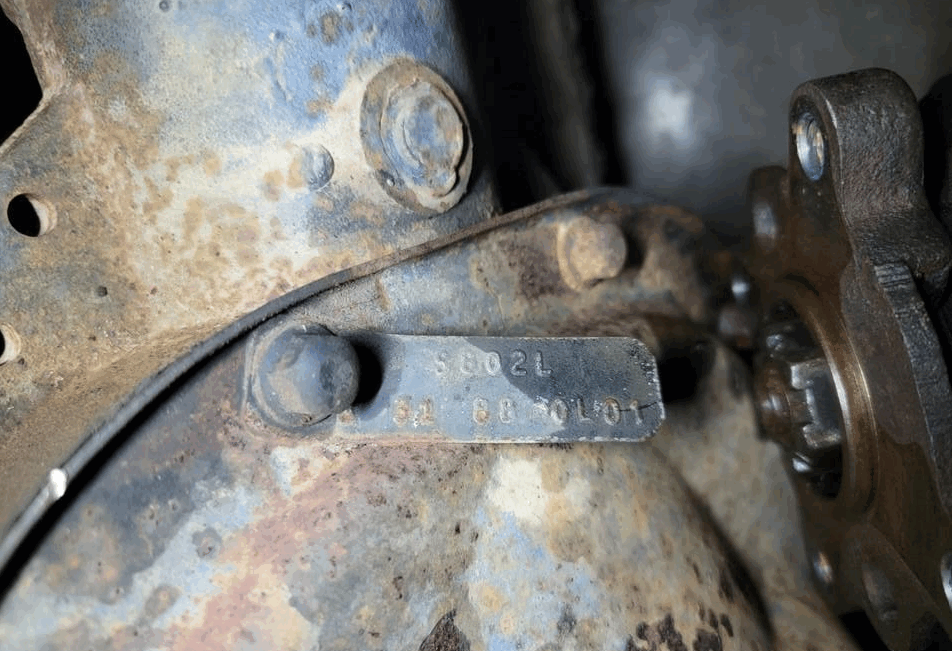
You can also inspect the metal axle tag attached to the rear differential housing. This tag often includes the gear ratio, axle assembly number, and other manufacturing details. Comparing the tag with the door label and VIN records helps confirm whether the axle is still original. Using more than one verification method gives the highest level of accuracy and helps avoid costly mistakes when repairing, upgrading, or evaluating a used Ford truck.
How Does the Ford L9 Axle Ratio Affect Vehicle Performance?
The Ford L9 Axle Code affects more than the rear axle itself. It also influences how the truck performs in everyday driving and demanding work conditions. The factory gear ratio determines how engine power reaches the wheels. This relationship has a direct impact on acceleration, towing capability, fuel economy, and engine speed. Choosing the right axle ratio helps the vehicle perform as Ford originally intended.
A gear ratio designed for higher torque allows the truck to accelerate more confidently and pull heavier loads. This setup is ideal for drivers who tow trailers, carry equipment, or travel through steep terrain. The trade off is higher engine RPM at highway speeds, which may increase fuel consumption during long trips. Even so, many owners prefer this configuration because it delivers stronger pulling power when the vehicle is under load.
A taller gear ratio produces a different driving experience. The engine turns fewer revolutions while cruising, which can improve fuel efficiency and reduce cabin noise. This configuration is often better for trucks used primarily on highways or for daily commuting. However, it may require more throttle when climbing hills or towing heavy cargo because less torque reaches the wheels.
The axle ratio also affects modifications made after the truck leaves the factory. Installing larger tires changes the effective gearing and can reduce acceleration if the original ratio remains unchanged. Many owners choose to regear the axle after fitting oversized tires to restore factory performance. Understanding the Ford L9 Axle Code before making these changes helps maintain balanced handling, reliable towing performance, and long term drivetrain durability.
What Are the Most Common Ford Axle Codes Compared with L9?
The Ford L9 Axle Code is only one of many axle identifiers used across Ford trucks. Each code represents a specific factory axle configuration. While some codes differ only in gear ratio, others also indicate a different differential type or axle assembly. Comparing these codes helps owners understand how one configuration differs from another and whether an alternative setup better matches their driving needs.
| Axle Code | Typical Application | Key Difference |
|---|---|---|
| L9 | Selected Ford trucks | Factory axle configuration varies by model year |
| H9 | Ford F-150 and Super Duty | May use a different gear ratio for towing or highway driving |
| 15 | Various Ford models | Commonly paired with an open differential |
| 27 | Selected pickup trucks | Often configured for improved towing performance |
| 3L | Multiple Ford trucks | Commonly identifies a limited slip differential configuration |
Although these codes look similar, they should never be compared by appearance alone. Ford may reuse axle codes across different vehicle generations while updating the mechanical specifications. As a result, two trucks with different axle codes may perform almost the same, while two vehicles sharing the same code may have different factory components because they were built in different years.
Comparing axle codes is especially useful when purchasing a used truck or replacing drivetrain parts. It helps confirm whether the vehicle still has its original axle assembly and whether replacement components will fit correctly. Owners who plan to tow heavy trailers or install larger tires should also verify the original axle specifications before making changes.
The safest approach is to use the axle code together with the vehicle’s model year and VIN. This combination provides a much clearer picture of the original drivetrain configuration. It also reduces the chance of ordering incorrect parts or making modifications that affect vehicle performance.
Can You Change the Factory Ford L9 Axle Ratio?
Yes, you can change the factory gear ratio associated with the Ford L9 Axle Code. Many truck owners choose to regear the rear axle after modifying their vehicles or changing how they use them. A different gear ratio can improve towing performance, restore acceleration after installing larger tires, or create a better balance between power and fuel economy. However, the upgrade requires careful planning because it affects several drivetrain components.
Changing the axle ratio involves replacing the ring and pinion gears inside the differential. This job requires precise measurements and specialized tools. Incorrect installation can lead to excessive gear noise, poor performance, or premature wear. For this reason, most owners have the work completed by an experienced drivetrain technician instead of attempting the repair at home.
Modern Ford trucks may also require electronic adjustments after the gear ratio changes. The engine control module and transmission control system use axle ratio data to calculate vehicle speed, shift timing, and other operating functions. If these settings are not updated, the speedometer may become inaccurate and the transmission may not shift correctly. Recalibrating the vehicle helps restore normal performance and ensures the onboard systems operate as expected.
Before changing the factory axle ratio, consider how you use the truck every day. A lower gear ratio may improve highway fuel efficiency, while a higher ratio usually provides stronger towing performance and quicker acceleration. Matching the new ratio to your driving habits is more important than choosing the highest or lowest number available. When the upgrade is planned correctly, it can improve both performance and long term driving satisfaction without reducing drivetrain reliability.
Frequently Asked Questions About the Ford L9 Axle Code
Is the Ford L9 Axle Code the same on every Ford model?
No. The Ford L9 Axle Code does not always represent the same specifications across every vehicle. Ford may assign the code to different axle configurations depending on the model year, trim level, drivetrain, and factory equipment. Always verify the code using the correct axle chart for your vehicle.
Can I identify the Ford L9 Axle Code with the VIN?
Yes. A Ford dealer can use the VIN to access the original factory build information. This method is one of the most reliable ways to confirm the axle ratio and differential configuration when the door label is missing or unreadable.
Does the Ford L9 Axle Code always include a limited slip differential?
No. The axle code alone does not guarantee the presence of a limited slip differential. Some vehicles use an open differential, while others may include a limited slip or electronic locking differential. The original build sheet or axle tag provides the most accurate confirmation.
Is the Ford L9 Axle Code suitable for towing?
It depends on the factory gear ratio and vehicle configuration. Some L9-equipped trucks are designed to provide strong towing performance, while others are optimized for balanced daily driving. Checking the official specifications is the best way to determine the truck’s towing capability.
Should I change the factory axle ratio?
A gear ratio change is only necessary when your driving needs have changed. Owners who install larger tires or tow heavy trailers often benefit from a different ratio. If the truck already performs well for its intended use, keeping the original factory configuration is usually the better choice.
Conclusion
The Ford L9 Axle Code provides valuable information about a truck’s original rear axle configuration. It helps owners identify the factory gear ratio, verify drivetrain specifications, and understand how the axle influences towing, fuel economy, acceleration, and overall vehicle performance. Because Ford updates axle configurations across different model years, the code should always be verified using the door jamb label, VIN, axle tag, or official service records.
Understanding the factory axle setup also makes future maintenance and upgrades much easier. Whether you are purchasing a used Ford truck, replacing drivetrain components, or planning performance modifications, confirming the original axle specifications reduces the risk of compatibility problems. Taking a few minutes to verify the Ford L9 Axle Code can help protect your investment and ensure the vehicle continues to perform as designed.