The Honda Check DRL System warning often appears without any obvious signs of headlight failure. Many Honda owners see this message even though the headlights still work normally. In most cases, the warning points to a problem in the Daytime Running Light system instead of the main lighting system. A failed DRL bulb, a blown fuse, a faulty relay, or damaged wiring can all trigger the warning. Low battery voltage and a malfunctioning Body Control Module (BCM) can also cause the system to detect a fault.
Honda designed the DRL system to improve vehicle visibility during the day. The system turns on the daytime running lights automatically after the engine starts. It also monitors the electrical circuit to ensure every component works correctly. When the system detects an abnormal voltage, an open circuit, or a failed component, it immediately displays the Check DRL System warning on the dashboard.
This guide explains what the Honda Check DRL System warning means and why it appears. You will learn the most common causes, the symptoms that help identify the fault, and the correct diagnostic process. The article also covers repair methods, estimated repair costs, and practical maintenance tips. Whether you drive a Honda Civic, Accord, CR-V, Pilot, or Odyssey, this guide will help you identify the problem faster and choose the right repair solution with confidence.
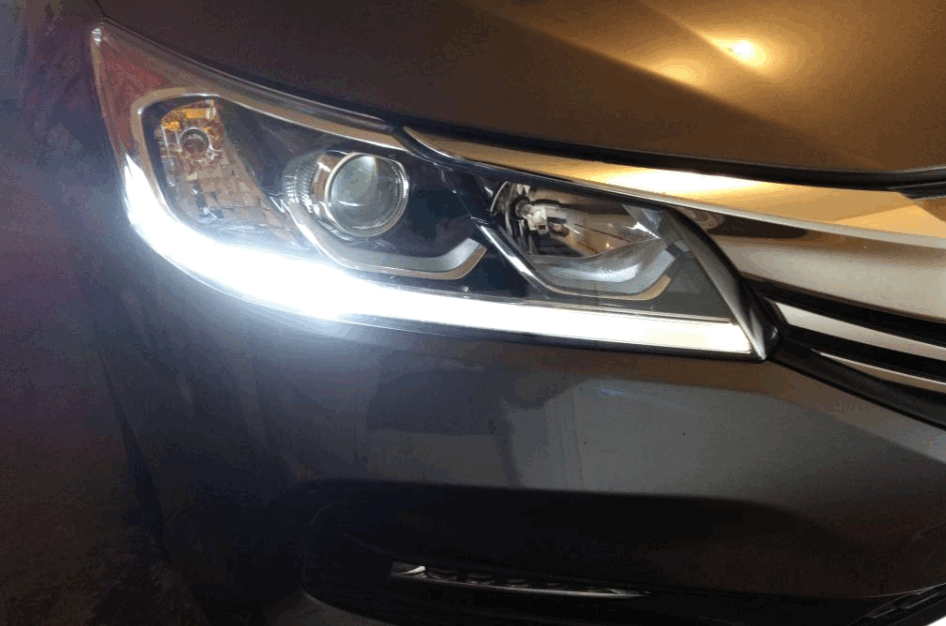
What Does the Honda Check DRL System Warning Mean?
The Honda Check DRL System warning means the vehicle has detected a fault in the Daytime Running Light system. The warning does not always indicate that the headlights have failed. Instead, it tells the driver that one or more components responsible for daytime running lights are not operating as expected. In many cases, the issue affects safety and visibility during daylight hours rather than nighttime driving.
Honda introduced the Daytime Running Light system to make vehicles easier for other drivers to see during the day. The system automatically turns on the front daytime running lights when the engine is running and the parking brake is released. It works without any input from the driver and continuously monitors the electrical circuit for abnormal voltage, excessive resistance, or component failure.
When the system detects an electrical problem, it sends a fault signal to the Body Control Module (BCM). The BCM then displays the Check DRL System message on the dashboard. Common faults include a burned-out DRL bulb, a failed LED module, a blown fuse, a defective relay, damaged wiring, or unstable battery voltage. A faulty BCM can also trigger the warning, although this happens less frequently.
Many drivers assume the warning means the headlights have stopped working. This assumption is not always correct. The low beams, high beams, turn signals, and brake lights may continue to operate normally while only the daytime running lights fail. For this reason, checking the DRL system separately from the main headlight system is important.
You can usually continue driving after the warning appears if the headlights still function correctly and local regulations do not require operational daytime running lights. However, delaying repairs may reduce daytime visibility and allow a small electrical fault to develop into a larger problem. Diagnosing the warning as soon as possible helps prevent unnecessary repairs and keeps the lighting system operating safely.
What Causes the Honda Check DRL System Warning?
Several electrical and lighting problems can trigger the Honda Check DRL System warning. Most faults originate from components that control or supply power to the Daytime Running Light system. Identifying the exact cause helps prevent unnecessary part replacement and reduces repair costs.
A failed DRL bulb is one of the most common causes. Halogen-equipped Honda models rely on dedicated bulbs that wear out over time. Once the bulb fails, the system detects an open circuit and displays the warning message. Newer Honda models with LED daytime running lights can experience similar problems if the LED module reaches the end of its service life.
A blown fuse or a faulty DRL relay can also interrupt power to the lighting circuit. The fuse protects the system from electrical overload, while the relay controls power delivery to the daytime running lights. If either component fails, the DRLs may stop working completely or operate intermittently.
Damaged wiring is another frequent cause. Corroded connectors, loose terminals, or broken wires increase electrical resistance and interrupt communication between the DRL components and the Body Control Module. Moisture inside the headlight assembly can also damage connectors and create unstable electrical signals that trigger the warning.
Battery and charging system problems often cause unexpected DRL faults. A weak battery or a failing alternator may produce unstable voltage. The Body Control Module continuously monitors electrical input, so voltage fluctuations can generate false warning messages even when the lights still operate normally.
Although less common, a faulty Body Control Module can also trigger the Honda Check DRL System warning. The BCM manages multiple lighting functions and processes signals from different electrical circuits. Software errors, internal circuit failures, or communication faults may cause the module to report a DRL malfunction even after all lighting components pass inspection.
Because several components can produce the same warning, replacing parts without proper testing is rarely the best solution. A systematic inspection of the bulbs, fuse, relay, battery, wiring, and BCM provides the fastest and most accurate way to identify the root cause.
What Symptoms Usually Accompany the Warning?
The Honda Check DRL System warning often appears before the lighting system stops working completely. Many drivers first notice the dashboard message and then discover that one or both daytime running lights no longer operate correctly. Recognizing the early symptoms can help you identify the fault before it affects other electrical components.
A failed daytime running light is the most obvious symptom. One light may stop working while the other continues to operate normally. On some Honda models, both DRLs may turn off at the same time if the problem involves a fuse, relay, or Body Control Module. Comparing both sides of the vehicle during daylight makes this issue easy to identify.
Flickering lights also indicate a developing electrical problem. The DRLs may switch on and off without warning or appear dimmer than usual. These symptoms often result from loose electrical connectors, damaged wiring, moisture inside the headlight housing, or unstable battery voltage. Ignoring intermittent flickering can allow the fault to worsen over time.
Some vehicles display additional warning messages alongside the Check DRL System notification. Electrical faults that affect the charging system or Body Control Module may trigger multiple dashboard alerts. Drivers may also notice unusual headlight behavior, such as delayed activation, inconsistent brightness, or unexpected switching between lighting modes. These symptoms do not always indicate a failed headlight, but they suggest that the lighting control system requires inspection.
The warning may also appear even though every exterior light seems to function normally. This situation usually points to a communication problem rather than a failed lighting component. A software issue, a weak battery, or abnormal voltage can cause the Body Control Module to detect an electrical fault before the driver notices any visible symptoms.
Ignoring these warning signs can increase repair costs and make diagnosis more difficult. Inspecting the lighting system as soon as the warning appears allows you to locate the fault earlier and reduce the risk of additional electrical damage.
How Do You Diagnose a Honda Check DRL System Problem?
Diagnosing the Honda Check DRL System warning requires a logical inspection process. Starting with simple components saves time and prevents unnecessary repairs. Most DRL problems result from failed bulbs, blown fuses, damaged wiring, or unstable voltage. Checking these components first often reveals the fault without advanced testing.
Begin by inspecting the daytime running lights. Start the engine and confirm whether both DRLs illuminate correctly. Compare the brightness on each side of the vehicle because a dim or inoperative light often indicates a failed bulb or LED module. Next, inspect the headlight housing for moisture, cracks, or visible damage that could affect the electrical circuit.
Continue by checking the DRL fuse and relay. Locate the correct fuse box using the owner’s manual and inspect the fuse for signs of damage. Replace any blown fuse with one that has the same amperage rating. If the fuse appears normal, test the DRL relay or swap it with an identical relay that is known to work. This simple step can quickly identify a faulty relay without specialized equipment.
The next step is to verify the vehicle’s electrical system. Measure the battery voltage with the engine off and again while the engine is running. A weak battery or a failing alternator can create unstable voltage that triggers false DRL warnings. Afterward, inspect the wiring harness, electrical connectors, and ground points for corrosion, loose connections, or damaged insulation. Even a small wiring defect can interrupt communication between the DRL components and the Body Control Module.
If every component passes inspection, connect an OBD-II scanner that supports Honda body control diagnostics. Read any stored fault codes from the Body Control Module and compare them with the vehicle’s symptoms. After completing the necessary repairs, clear the diagnostic codes and verify that the Honda Check DRL System warning does not return. Following this step-by-step process improves diagnostic accuracy and helps replace only the component that actually failed.
How Do You Fix the Honda Check DRL System Warning?
Fixing the Honda Check DRL System warning depends on the component that caused the fault. A proper diagnosis should always come before replacing any parts. Many DRL problems have simple solutions, while others require professional electrical testing. Repairing the correct component restores normal system operation and prevents the warning from returning.
Replace the DRL bulb if it no longer works or appears noticeably dimmer than the opposite side. Always install a replacement that matches Honda’s original specifications. Using the wrong bulb type or wattage can create electrical issues and trigger another warning. If your Honda uses LED daytime running lights, replace the entire LED module because individual LEDs are usually not serviceable.
Replace a blown fuse with another fuse that has the same amperage rating. If the replacement fuse fails again, stop driving the vehicle until you locate the electrical fault. Repeated fuse failure often indicates a short circuit or damaged wiring rather than a defective fuse. If testing confirms a faulty relay, install a new OEM-quality relay to restore stable power to the DRL circuit.
Repair any damaged wiring before replacing expensive electrical modules. Clean corroded connectors, tighten loose terminals, and replace broken wires whenever necessary. Water inside the headlight housing should also be repaired because moisture can damage connectors and interrupt electrical communication. If the battery or alternator produces unstable voltage, repair the charging system first. Stable voltage allows the Body Control Module to monitor the DRL system correctly.
Replace or reprogram the Body Control Module only after every other component passes inspection. A BCM rarely fails without warning, so it should remain the final step in the repair process. After completing the repair, clear all diagnostic codes with a compatible scan tool and verify that the Honda Check DRL System warning no longer appears. A final road test confirms that the daytime running lights operate normally and that the electrical system functions as expected.
Is It Safe to Drive with the Honda Check DRL System Warning?
You can usually continue driving after the Honda Check DRL System warning appears if the main headlights, brake lights, and turn signals operate normally. In most cases, the warning affects only the Daytime Running Light system. However, you should not ignore the message because it may indicate an underlying electrical problem that could become more serious over time.
The Daytime Running Light system improves vehicle visibility during daylight hours. It helps other drivers recognize your vehicle sooner, especially in poor weather or heavy traffic. Although the system does not replace the headlights, a failed DRL can reduce your vehicle’s visibility and increase the risk of an accident. This risk becomes more noticeable during rain, fog, or early morning conditions when natural light is limited.
The warning may also indicate a fault outside the lighting system. A weak battery, unstable charging voltage, damaged wiring, or a malfunctioning Body Control Module can all trigger the same dashboard message. If one of these components continues to deteriorate, additional electrical systems may begin to malfunction. Addressing the problem early helps prevent larger repairs and improves long-term reliability.
Local traffic regulations also deserve consideration. Some countries and regions require operational daytime running lights on vehicles manufactured with a factory-installed DRL system. Driving with an inoperative DRL could result in a failed vehicle inspection or a traffic citation, depending on local laws. Checking the applicable regulations in your area helps you avoid unnecessary penalties.
Schedule a diagnostic inspection as soon as possible if both daytime running lights stop working, multiple dashboard warnings appear, or the headlights begin to behave abnormally. These symptoms often indicate a broader electrical issue that requires immediate attention. Repairing the fault promptly restores normal lighting performance, improves road safety, and prevents additional damage to the vehicle’s electrical system.
How Much Does It Cost to Repair a Honda Check DRL System?
The cost to repair the Honda Check DRL System depends on the failed component, labor rates, and your Honda model. Simple repairs usually cost much less than electrical diagnostics or control module replacement. Identifying the root cause before replacing parts helps reduce unnecessary expenses and prevents repeat repairs.
Replacing a DRL bulb is usually the least expensive repair. Most aftermarket bulbs cost between $15 and $50, while OEM bulbs typically cost more. Labor remains relatively low because technicians can replace the bulb quickly on most Honda models. If your vehicle uses an integrated LED daytime running light, the repair cost increases because the entire LED module often requires replacement.
A blown fuse or a faulty relay also results in a relatively inexpensive repair. Most replacement fuses cost less than $10, while a quality relay generally costs between $20 and $60. Labor charges remain minimal unless technicians must remove additional components to access the electrical panel. These repairs often restore the DRL system without further work.
Repair costs increase when the problem involves damaged wiring or electrical connectors. Technicians must inspect the wiring harness, locate the damaged section, and verify the repair before reassembling the vehicle. Depending on the extent of the damage, wiring repairs typically range from $100 to $400. Replacing a faulty Body Control Module represents the most expensive repair. Including programming and labor, the total cost commonly falls between $500 and $1,200, depending on the Honda model and dealership pricing.
Diagnostic testing also contributes to the final repair bill. Most repair shops charge between $80 and $180 for electrical diagnosis. This service often saves money because it identifies the failed component before any replacement begins. Investing in a proper diagnosis usually costs less than replacing multiple parts that still function correctly.
How Can You Prevent the Honda Check DRL System Warning?
Preventing the Honda Check DRL System warning starts with routine vehicle maintenance. Regular inspections help identify worn components before they fail and reduce the likelihood of unexpected dashboard warnings. A proactive maintenance schedule also improves the reliability of the entire lighting system.
Inspect the daytime running lights during routine maintenance or whenever you wash the vehicle. Verify that both lights operate with equal brightness and activate correctly after starting the engine. Replacing a weak bulb before it fails completely helps maintain proper visibility and prevents the warning message from appearing unexpectedly.
Keep the battery and charging system in good condition. Test the battery regularly, especially if it is more than three years old or shows signs of slow engine cranking. A healthy alternator should also maintain stable charging voltage. Consistent electrical power allows the Body Control Module to monitor the DRL system accurately and reduces the chance of false warning messages.
Protect the electrical system from moisture and corrosion. Inspect the headlight assemblies for cracks, damaged seals, or condensation. Clean electrical connectors whenever corrosion becomes visible, and repair damaged wiring as soon as possible. Preventing water intrusion extends the lifespan of connectors, relays, and lighting components.
Use replacement parts that meet Honda’s original specifications whenever repairs become necessary. Low-quality bulbs, relays, or electrical components may not perform consistently and can create additional electrical faults. After every repair, verify that the warning message has disappeared and that both daytime running lights operate normally. Regular inspections and quality replacement parts remain the most effective way to prevent future Honda Check DRL System warnings.
Conclusion
The Honda Check DRL System warning usually points to a fault within the Daytime Running Light system or its supporting electrical components. In many cases, the problem results from a failed bulb, a blown fuse, a faulty relay, damaged wiring, or unstable battery voltage. Although the warning does not always indicate a serious safety issue, it should never be ignored because an unresolved electrical fault can affect other vehicle systems over time.
A systematic diagnosis remains the most effective way to identify the root cause. Starting with the bulbs, fuses, and relays before inspecting the battery, wiring, and Body Control Module helps eliminate unnecessary repairs and reduces overall maintenance costs. Replacing only the failed component also improves repair accuracy and restores reliable DRL operation.
Regular inspections, quality replacement parts, and routine electrical system maintenance significantly reduce the risk of future DRL warnings. If the warning persists after basic troubleshooting or appears together with multiple dashboard alerts, professional diagnosis is the safest solution. Addressing the issue early helps maintain vehicle visibility, supports safe driving, and protects your Honda’s electrical system from more extensive damage.