A Honda Civic emission system problem indicates that the vehicle has detected an issue within the system responsible for controlling exhaust emissions. The emission system includes multiple components such as oxygen sensors, the evaporative emission control system (EVAP), catalytic converter, fuel system, and engine control unit (ECU). When one of these components provides abnormal data or fails to operate correctly, the Honda Civic may display an emission system warning.
The warning does not always mean the engine has a major failure. In many cases, the problem comes from a specific component such as a loose gas cap, faulty sensor, or small EVAP leak. However, ignoring the warning can increase emissions, reduce fuel efficiency, and allow a minor issue to develop into a more expensive repair.
Understanding the causes, symptoms, diagnosis process, and repair options helps Honda Civic owners make better decisions when this warning appears. This guide explains what the emission system problem means, which components commonly fail, how mechanics identify the cause, and what solutions are available to restore normal vehicle operation.
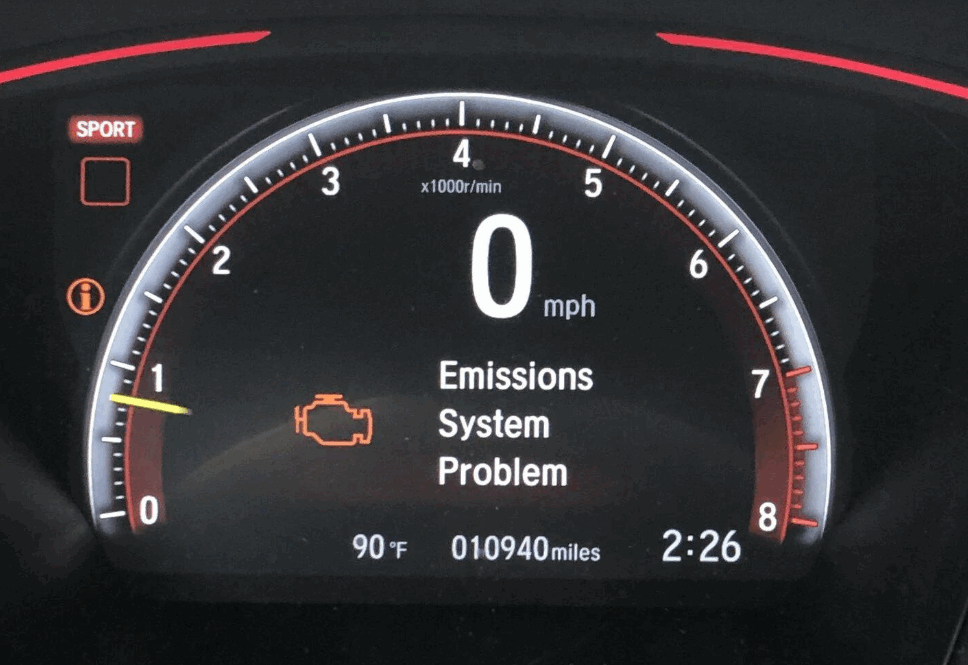
What Does Honda Civic Emission System Problem Mean?
A Honda Civic emission system problem means that the vehicle has detected an abnormal condition within its emission control system. The emission system is designed to reduce harmful exhaust gases and maintain the correct balance between engine performance, fuel consumption, and environmental regulations. When the Engine Control Unit (ECU) receives data that falls outside the expected range, it activates the warning message to alert the driver.
The Honda Civic emission system works through a network of sensors and components that monitor combustion efficiency and exhaust output. The oxygen sensor measures the amount of oxygen in exhaust gases, the air fuel ratio sensor helps adjust fuel delivery, and the catalytic converter processes harmful pollutants before they leave the exhaust system. The EVAP system controls fuel vapor emissions by storing and recycling gasoline vapors instead of releasing them into the atmosphere.
A warning message does not identify one specific failed part. The Honda Civic ECU only detects that the emission system is not operating according to its programmed standards. For example, a loose gas cap can create an EVAP leak that triggers the same warning as a malfunctioning purge valve or damaged catalytic converter.
The severity of a Honda Civic emission system problem depends on the affected component. A minor issue may only reduce fuel efficiency or trigger a dashboard warning, while a serious failure can cause poor engine performance, increased emissions, or difficulty passing an emissions inspection. Proper diagnosis is necessary because replacing parts without testing the system can lead to unnecessary repair costs.
What Are the Common Symptoms of Honda Civic Emission System Problems?
A Honda Civic emission system problem can create several warning signs that affect engine operation, fuel efficiency, and driving experience. The most common symptom is the appearance of the emission system warning message or the Check Engine Light because the ECU has detected abnormal readings from one or more emission related components.
One of the earliest signs is a noticeable change in engine performance. A Honda Civic with an emission system issue may experience reduced acceleration, rough idling, hesitation during driving, or difficulty maintaining consistent engine power. These symptoms occur because the ECU may adjust fuel delivery and engine timing to protect the vehicle when it detects incorrect information from sensors such as the oxygen sensor or air fuel ratio sensor.
Another common symptom is reduced fuel economy. The emission system works closely with the fuel management system to maintain an efficient air fuel mixture. When a sensor provides inaccurate data, the engine may receive too much or too little fuel. A rich fuel mixture wastes gasoline, while a lean fuel mixture can increase combustion temperature and create additional stress on engine components.
Unusual exhaust behavior can also indicate an emission system problem. Drivers may notice a stronger fuel smell, unusual exhaust odor, or increased emissions from the tailpipe. These issues often appear when the catalytic converter, EVAP system, or fuel system is not working correctly.
Some Honda Civic emission problems develop without obvious driving symptoms. The vehicle may continue operating normally while the ECU stores a Diagnostic Trouble Code (DTC). This is why checking the warning message early is important. Identifying the problem before symptoms become severe can prevent more expensive repairs and protect other connected components.
What Causes Honda Civic Emission System Problems?
A Honda Civic emission system problem usually happens when one or more emission components fail or provide incorrect data. The most common causes include oxygen sensor failure, catalytic converter problems, EVAP system leaks, fuel system issues, and ECU communication errors.
A faulty oxygen sensor is one of the most common causes of emission warnings. The oxygen sensor measures oxygen levels in exhaust gases. It sends this information to the ECU. The ECU then adjusts the air fuel mixture based on this data.
When the oxygen sensor provides incorrect readings, the engine may receive the wrong fuel adjustment. A rich fuel mixture wastes gasoline. A lean fuel mixture can increase combustion temperature. Both conditions can reduce efficiency and increase emissions.
A damaged catalytic converter can also trigger a Honda Civic emission system warning. The catalytic converter reduces harmful exhaust gases before they leave the vehicle. It converts pollutants such as carbon monoxide and hydrocarbons into safer gases.
A failing catalytic converter reduces emission control efficiency. The ECU can detect this issue through exhaust sensor readings. A common diagnostic code linked to this problem is P0420, which indicates reduced catalyst efficiency.
EVAP system leaks are another frequent cause of emission problems. The EVAP system controls gasoline vapors from the fuel tank. It stores these vapors and sends them back into the engine for combustion.
A loose gas cap, damaged EVAP hose, faulty purge valve, or defective vent valve can create an EVAP leak. The ECU detects the leak and activates the emission warning.
Fuel system problems can also affect Honda Civic emission performance. Faulty fuel injectors, incorrect fuel pressure, or poor air fuel balance can reduce combustion quality. When combustion becomes inefficient, the vehicle produces higher emissions and may trigger a warning.
ECU or software problems can create additional emission system errors. The ECU controls communication between sensors and vehicle systems. A software issue or communication failure can cause incorrect warning signals. Proper diagnosis is required before replacing any parts.
How Do You Diagnose a Honda Civic Emission System Problem?
A Honda Civic emission system problem requires proper diagnosis because the warning message does not identify the exact failed component. The emission system contains several connected parts. A single warning can come from sensors, exhaust components, fuel systems, or electronic controls.
The first diagnostic step is scanning the vehicle with an OBD II scanner. This tool connects to the Honda Civic diagnostic port and reads stored Diagnostic Trouble Codes (DTCs). These codes help technicians identify which system has detected abnormal operation.
Common emission related codes include P0420, P0455, and P0171. A P0420 code usually indicates reduced catalytic converter efficiency. A P0455 code points to a large EVAP system leak. A P0171 code indicates that the engine is running with a lean fuel mixture.
However, diagnostic codes do not always mean that a specific part must be replaced. For example, a P0420 code does not automatically confirm a failed catalytic converter. Other issues, such as faulty oxygen sensors or exhaust leaks, can create similar readings.
After retrieving the codes, technicians perform additional inspections. They check sensor performance, inspect wiring connections, test fuel system operation, and examine emission components. This process helps confirm the actual cause of the problem.
A complete diagnosis prevents unnecessary repairs. Replacing expensive parts without proper testing can increase repair costs and fail to solve the original issue. Accurate testing ensures that the correct component receives attention.
For Honda Civic owners, early diagnosis is important because emission problems can affect fuel economy, engine performance, and vehicle reliability. Addressing the warning before symptoms become severe can reduce the risk of larger repair expenses.
Can You Drive a Honda Civic With an Emission System Problem?
A Honda Civic with an emission system problem may still be drivable, but the safety level depends on the cause and severity of the issue. Some emission problems only affect fuel efficiency and exhaust control. Other problems can affect engine performance and require immediate attention.
If the Honda Civic runs normally, has stable engine power, and shows only a steady warning light, short distance driving is usually possible. However, the vehicle should still be inspected because the underlying problem may become worse over time. A small EVAP leak, for example, may not affect driving immediately but can develop into a larger fuel vapor control problem.
A flashing Check Engine Light requires a different response. This warning often indicates a serious engine problem, such as an active misfire. A misfire can send unburned fuel into the catalytic converter. This condition can increase exhaust temperature and damage expensive emission components.
Drivers should avoid continuing to operate the vehicle when they notice severe symptoms. These symptoms include strong fuel smells, significant power loss, engine shaking, unusual exhaust smoke, or difficulty starting the engine. These signs suggest that the problem may involve more than a minor emission control issue.
The best approach is to diagnose the warning as soon as possible. Early inspection helps identify whether the issue comes from a simple component, such as a gas cap or sensor, or a more expensive part, such as a catalytic converter. Ignoring the warning can lead to higher repair costs and reduced vehicle reliability.
How Much Does It Cost to Fix a Honda Civic Emission System Problem?
A Honda Civic emission system problem repair cost depends on the failed component, vehicle model year, labor rates, and diagnostic requirements. The warning message itself does not determine the final repair price because the emission system contains many different parts with different replacement costs.
A simple issue usually requires a lower repair cost. For example, a loose gas cap or minor EVAP leak may only require a small replacement part or a basic repair. These problems are easier to fix because they do not involve major engine or exhaust components.
Sensor replacement usually creates a medium repair cost. Oxygen sensors and air fuel ratio sensors are important parts of the emission system. Their replacement cost depends on the sensor location, labor time, and Honda Civic generation. Some models have easier access, while others require more inspection work.
Catalytic converter problems are usually more expensive. The catalytic converter contains valuable materials and performs a critical emission control function. When it fails, replacement costs increase because both the component price and installation labor are higher.
Diagnostic fees also affect the total repair expense. A professional inspection may include OBD II scanning, sensor testing, wiring checks, and emission system evaluation. Accurate diagnosis helps prevent unnecessary part replacement.
The most effective way to control repair costs is to identify the problem early. A warning caused by a small issue can become more expensive if it damages connected components. Regular maintenance and quick inspection help protect the Honda Civic emission system and reduce long term ownership costs.
How Can You Fix and Prevent Honda Civic Emission System Problems?
A Honda Civic emission system problem can be fixed by repairing or replacing the component that causes abnormal emission readings. The correct repair depends on the diagnostic results. Replacing parts without identifying the actual failure can waste money and may not remove the warning.
Sensor replacement is one of the most common repair solutions. Faulty oxygen sensors or air fuel ratio sensors can send incorrect information to the ECU. Installing a new sensor allows the engine control system to restore accurate fuel adjustment and improve combustion efficiency.
EVAP system repairs are another common solution. A technician may replace a damaged gas cap, repair leaking hoses, or replace a faulty purge valve. These repairs restore the system’s ability to control fuel vapors and prevent unnecessary emissions.
Catalytic converter replacement may be required when the component loses its ability to process exhaust gases. Before replacement, technicians usually check oxygen sensor data and exhaust conditions. This prevents replacing an expensive catalytic converter when another component causes the warning.
ECU software updates can also solve some emission system problems. Modern Honda Civic models use complex electronic systems to manage engine operation. A software update may correct communication issues or improve how the ECU interprets sensor information.
Preventing emission problems requires regular vehicle maintenance. Following the Honda Civic maintenance schedule helps keep important systems working correctly. Replacing air filters, maintaining proper oil levels, using quality fuel, and repairing warning signs early can reduce the chance of emission system failures.
Drivers should also avoid ignoring dashboard warnings. An early inspection can identify small problems before they affect other components. Proper maintenance protects fuel efficiency, engine performance, and long term vehicle reliability.
Conclusion
A Honda Civic emission system problem is a warning that the vehicle has detected an issue within its emission control system. The problem can come from different components, including oxygen sensors, catalytic converters, EVAP systems, fuel systems, and electronic controls. Understanding the cause is important because the same warning message can represent a simple repair or a more complex mechanical issue.
Proper diagnosis is the most important step before starting any repair. An OBD II scan can identify stored trouble codes, but additional testing is often required to confirm the failed component. Replacing parts without accurate testing may increase costs without solving the original problem.
Honda Civic owners should address emission system warnings early. Quick inspection helps maintain fuel efficiency, engine performance, and vehicle reliability. Regular maintenance also reduces the risk of emission system failures by keeping sensors, fuel systems, and engine components operating correctly.
When the warning appears, the best solution is not to reset the message and continue driving. The correct approach is to identify the cause, complete the necessary repair, and restore the emission system to proper operation.