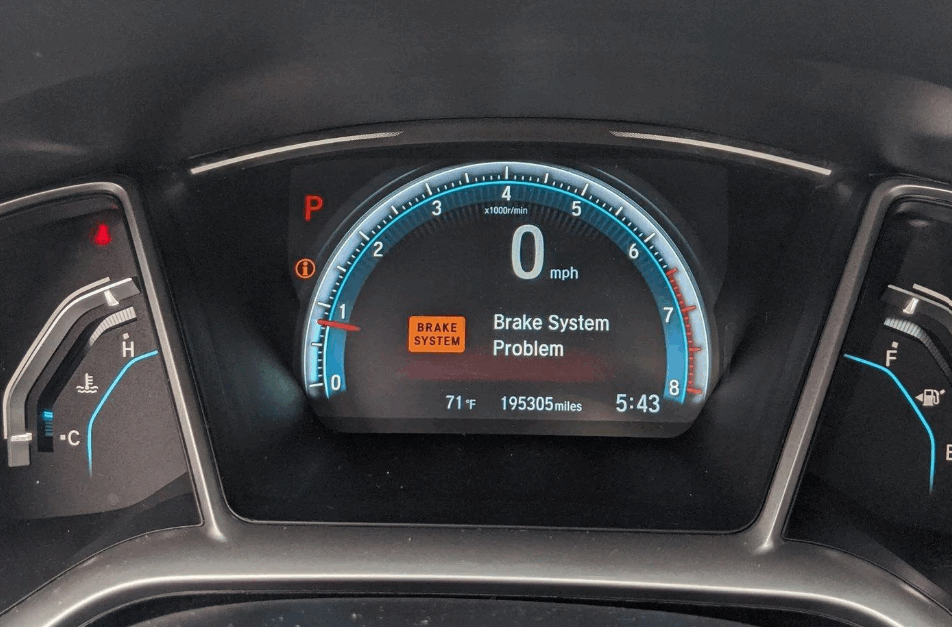
The Honda Civic Brake System Problem Message means that the vehicle has detected a potential issue affecting the braking system. This warning does not always indicate complete brake failure, but it shows that the vehicle’s brake monitoring system has identified a condition that requires inspection. The problem may come from electronic brake components, brake sensors, battery voltage issues, brake fluid problems, or other related systems.
Modern Honda Civic models use multiple electronic systems to maintain braking safety, including the Anti lock Braking System (ABS), Brake Assist System, Electric Parking Brake, and brake control modules. When one of these components detects abnormal data, the vehicle can display a Brake System Problem Message on the dashboard to alert the driver.
The most common causes of this warning include weak battery voltage, low brake fluid, faulty sensors, communication errors between control modules, and problems with electronic brake components. Understanding the cause helps drivers decide whether they can continue driving temporarily or need immediate professional inspection.
This guide explains what the Honda Civic Brake System Problem Message means, why it appears, how to diagnose the issue, possible repair solutions, and how to prevent future brake system problems.
What Does the Honda Civic Brake System Problem Message Mean?
The Honda Civic Brake System Problem Message means that the vehicle’s onboard diagnostic system has detected an abnormal condition within the brake system. This warning indicates that one or more brake related components are not operating within the expected range and require inspection. The message does not always mean that the brakes have completely failed, but it signals that the vehicle has identified a possible issue affecting braking performance or safety functions.
Honda Civic models use an integrated electronic brake system that monitors multiple components while the vehicle is operating. These components include the Anti lock Braking System (ABS), Brake Assist System, Electric Parking Brake, brake control module, and various sensors that measure wheel speed, brake pressure, and system communication. When the system detects incorrect signals or unstable operating conditions, it activates the warning message to inform the driver.
The brake warning can appear because of different types of problems. A weak battery can reduce electrical stability and interrupt communication between control modules. A faulty wheel speed sensor can send incorrect data to the ABS system. Low brake fluid can affect hydraulic braking pressure and trigger a warning. Electronic components such as the brake actuator or control module can also create warning messages when they experience internal faults.
The Honda Civic Brake System Problem Message is therefore a general warning rather than a specific diagnosis. Drivers need additional inspection to identify the exact failed component. Checking related symptoms, reading diagnostic trouble codes, and examining the brake system components are necessary steps to determine the correct repair method.
Why Does My Honda Civic Show a Brake System Problem Message?
The Honda Civic shows a Brake System Problem Message when the vehicle detects an abnormal condition in its braking system. There are 4 main causes of this warning: electrical problems, brake fluid issues, sensor failures, and electronic brake system malfunctions. Finding the exact cause requires checking the symptoms, diagnostic codes, and affected components.
A weak battery is one of the most common electrical causes. Modern Honda Civic models rely on stable voltage to operate electronic brake systems. Low battery voltage can interrupt communication between the battery, Engine Control Unit (ECU), ABS module, and other control systems. The vehicle may then display multiple warning messages, starting problems, or temporary brake system alerts.
Low brake fluid is another possible cause of this warning. The hydraulic brake system uses brake fluid to transfer pressure from the brake pedal to the brake calipers. When the fluid level drops, braking pressure can become unstable. This issue may happen because of fluid leakage, worn brake components, or delayed maintenance. Drivers may notice a soft brake pedal, longer stopping distance, or an additional brake warning light.
Faulty sensors can also trigger the Honda Civic Brake System Problem Message. The ABS system uses wheel speed sensors to monitor wheel movement during braking. A damaged sensor or incorrect signal can affect how the system controls braking performance. Wiring problems can create similar issues because the brake control module may receive inaccurate information.
Electronic brake components can cause this warning as well. The ABS control module, brake actuator, Electric Parking Brake system, and other control units must communicate correctly. A failure in any of these components can activate the warning message. Professional diagnostic equipment is often required because the dashboard message does not identify the exact failed part.
Is It Safe to Drive With a Honda Civic Brake System Problem Message?
The safety of driving with a Honda Civic Brake System Problem Message depends on the cause of the warning and the current condition of the vehicle. A brake system warning does not always mean immediate brake failure, but it indicates that the vehicle needs inspection. Ignoring the message can increase the risk of reduced braking performance if the problem affects important brake components.
A Honda Civic may be temporarily safe to drive if the brakes feel normal and the warning appears without other symptoms. The brake pedal should have normal resistance, the vehicle should stop properly, and no additional red brake warning lights should appear. In some cases, a temporary electrical issue, such as low battery voltage, can trigger the message without causing immediate braking problems.
Drivers should stop driving and inspect the vehicle when they notice changes in braking performance. A soft brake pedal, increased stopping distance, unusual braking noises, or the vehicle pulling to one side can indicate a serious problem. These symptoms may point to issues with brake fluid pressure, brake components, or electronic brake controls.
Multiple warning lights also require attention. The Honda Civic brake system works together with safety systems such as ABS, Vehicle Stability Assist (VSA), and Brake Assist. When several warnings appear at the same time, the problem may involve communication between electronic control modules.
The safest approach is to check the vehicle as soon as possible after the warning appears. Drivers can begin with basic inspections, such as checking brake fluid level and battery condition. However, persistent warnings require professional diagnosis because the message alone cannot identify the exact cause.
How Can You Diagnose a Honda Civic Brake System Problem Message?
Diagnosing a Honda Civic Brake System Problem Message requires checking the vehicle’s brake components, electrical system, and stored error codes. The correct diagnosis starts by identifying whether the problem comes from a mechanical brake component, an electronic system, or a power supply issue. The dashboard message provides a warning, but it does not show the exact failed component.
The first step is checking the brake fluid level. Brake fluid maintains hydraulic pressure between the brake pedal and the brake calipers. A low fluid level can reduce braking efficiency and activate warning systems. Drivers should inspect the brake fluid reservoir and look for signs of leaks, dark fluid color, or fluid levels below the recommended mark. Low brake fluid can also indicate worn brake pads because the fluid level decreases as the caliper pistons extend.
The next step is checking the vehicle battery condition. Honda Civic brake systems depend on stable electrical power to operate control modules and sensors. A weak battery can create communication errors between the ECU, ABS module, and other electronic systems. Testing battery voltage can help identify whether low power is causing the warning message.
The third step is scanning the vehicle for diagnostic trouble codes. An OBD II scanner can read stored codes from the ABS system, brake control module, and other related components. These codes provide information about possible sensor failures, communication problems, or electronic brake issues.
A complete inspection should also include brake sensors and wiring connections. Wheel speed sensors, brake pressure sensors, and electrical connectors must send accurate information to the brake control system. A damaged wire or faulty sensor can create incorrect signals and activate the warning message.
Professional diagnosis may be required when basic checks do not identify the problem. Brake system components are connected through complex electronic networks, so accurate testing prevents unnecessary part replacement.
How Do You Fix a Honda Civic Brake System Problem Message?
Fixing a Honda Civic Brake System Problem Message depends on the component that causes the warning. The correct repair method is based on the diagnosed problem, not the warning message itself. Some issues require simple maintenance, while others need replacement of electronic brake components.
A weak battery is one of the easier problems to fix. The Honda Civic depends on stable electrical power for its brake control systems. If battery voltage drops too low, the vehicle may display brake related warnings because control modules cannot communicate correctly. Replacing an old battery, cleaning battery terminals, or repairing electrical connections can restore normal system operation.
Brake fluid related problems require inspection of the hydraulic braking system. If the fluid level is low, technicians need to check for leaks before adding new fluid. A brake fluid replacement service may be required when the fluid becomes contaminated or loses its proper condition. Maintaining correct brake fluid levels helps the brake system maintain consistent hydraulic pressure.
Sensor problems require testing and, in some cases, component replacement. Wheel speed sensors and brake pressure sensors provide important information to the ABS and brake control modules. A damaged sensor can send incorrect data and trigger the Brake System Problem Message. Replacing the faulty sensor usually restores accurate system monitoring.
Electronic brake failures may require more advanced repairs. Problems with the ABS control module, brake actuator, or Electric Parking Brake system often need specialized diagnostic equipment. Technicians may need to repair wiring, replace damaged components, or update vehicle software.
After the repair, the warning message should be cleared and the brake system should be tested. A proper repair includes confirming that the vehicle can communicate correctly with all brake related systems and that braking performance returns to normal.
How Much Does It Cost to Repair a Honda Civic Brake System Problem?
The cost to repair a Honda Civic Brake System Problem Message depends on the failed component, the vehicle model year, and the required repair method. There is no fixed repair price because the warning message can result from simple maintenance issues or complex electronic brake failures. A proper diagnosis is necessary before estimating the total repair cost.
Battery related repairs are usually among the lowest cost solutions. A weak battery can create brake system warnings because electronic brake modules require stable voltage. Replacing the battery, cleaning terminals, or repairing a connection problem may solve the issue if the warning comes from an electrical power problem.
Brake fluid service usually costs more than a basic battery replacement but less than electronic brake repairs. The final cost depends on whether the vehicle only needs fluid replacement or requires additional repairs for leaks, worn brake components, or hydraulic system problems. Regular brake fluid inspection can help prevent more expensive repairs.
Sensor replacement costs vary depending on the affected component. Wheel speed sensors and brake pressure sensors are important parts of the ABS and electronic brake systems. If a sensor fails, technicians need to diagnose the exact location before replacing the part. Additional labor may be required if the sensor is difficult to access.
Electronic brake component repairs are usually more expensive. The ABS control module, brake actuator, and Electric Parking Brake system contain complex electronic components. Repair or replacement may require specialized equipment and professional programming.
Honda Civic owners should avoid replacing parts without proper diagnosis. The Brake System Problem Message identifies a system concern, not a specific failed component. Accurate testing helps reduce unnecessary repairs and ensures that the braking system receives the correct solution.
How Can You Prevent Honda Civic Brake System Problems?
Preventing Honda Civic Brake System Problems requires regular maintenance of the braking system, electrical components, and vehicle monitoring systems. The best way to avoid brake warnings is to identify small issues before they affect safety related components. Regular inspections help maintain reliable braking performance and reduce unexpected repairs.
Maintaining proper brake fluid condition is one of the most important preventive steps. Brake fluid absorbs moisture over time, which can reduce its effectiveness and affect hydraulic pressure. Checking the fluid level during routine maintenance helps detect possible leaks, worn brake components, or other problems before they create a warning message.
Battery maintenance is also important for modern Honda Civic models. The electronic brake system depends on stable electrical power from the vehicle battery. A weak battery can cause communication problems between control modules and create unnecessary warning messages. Checking battery voltage and replacing an aging battery before failure can prevent electrical related brake alerts.
Regular brake inspections help identify mechanical problems early. Technicians can check brake pads, rotors, calipers, sensors, and wiring connections during scheduled maintenance. Worn brake components can affect system performance and may place additional stress on electronic brake controls.
Honda Civic owners should also respond quickly when dashboard warnings appear. Ignoring a brake system message can allow a small problem to become a larger repair issue. Early diagnosis helps protect important components such as the ABS system, Brake Assist System, and Electric Parking Brake.
Following the recommended Honda maintenance schedule provides another layer of protection. Consistent servicing allows technicians to inspect brake related systems, update software when needed, and maintain the vehicle’s overall safety performance.
Conclusion
The Honda Civic Brake System Problem Message indicates that the vehicle has detected a possible issue within its braking system. The warning can result from different causes, including weak battery voltage, low brake fluid, faulty sensors, or electronic brake component failures. Because the message does not identify the exact problem, proper diagnosis is necessary before choosing a repair method.
Drivers should pay attention to changes in braking performance, additional warning lights, and unusual vehicle behavior. A normal brake pedal and temporary warning may indicate a minor electrical issue, while reduced braking ability requires immediate inspection. Checking basic components such as battery condition and brake fluid level can provide useful information, but persistent warnings require professional diagnostic equipment.
Regular maintenance is the most effective way to prevent Honda Civic brake system problems. Maintaining battery health, inspecting brake components, and following the recommended service schedule help keep safety systems operating correctly. Early attention to warning messages can prevent more expensive repairs and maintain reliable braking performance.