A locked steering wheel is a common problem that many Honda Civic owners experience. It often happens after parking the vehicle or when trying to start the engine. In most situations, the steering wheel lock is a normal anti theft feature. It prevents someone from moving the vehicle without the correct key or authorization.
The problem becomes more serious when the steering wheel stays locked and the car refuses to start. The key may not turn inside the ignition cylinder, or the push button start system may not respond. These symptoms often point to a mechanical or electrical fault instead of normal steering lock operation. Common causes include pressure on the steering wheel, a weak battery, a worn ignition cylinder, or a failed electronic steering lock.
Finding the real cause is important before attempting any repair. Many drivers force the key or steering wheel because they believe the lock has jammed. This approach can damage the ignition system and increase repair costs. A proper diagnosis helps you choose the correct solution and avoid replacing parts that still work normally.
This guide explains why a Honda Civic steering wheel becomes locked and how to unlock it safely. It also covers the most common warning signs, repair options, estimated costs, and practical maintenance tips. By the end of this article, you will know whether you can solve the problem yourself or if your Honda Civic needs professional repair.
Why Is My Honda Civic Steering Wheel Locked?
A Honda Civic steering wheel locks because Honda designed the steering lock system to protect the vehicle from theft. When you remove the key or switch off the ignition, the locking mechanism engages automatically if the steering wheel moves slightly. This feature prevents the steering wheel from turning until the correct key or authorization unlocks the system.
In most cases, a locked steering wheel is completely normal. The steering wheel often locks after the front wheels rest against a curb or when the driver turns the wheel before leaving the vehicle. These situations place light pressure on the steering column and activate the lock. Once you insert the key or press the start button while gently turning the steering wheel, the mechanism usually releases without difficulty.
A normal steering wheel lock should unlock within a few seconds. If the key turns smoothly or the push button start responds immediately, the system is working as intended. You should not hear unusual clicking noises or feel excessive resistance from the steering wheel during this process.
A steering wheel that remains locked is different from a normal security feature. If the key will not turn, the start button does not respond, or the steering wheel refuses to move after several attempts, another component may have failed. A weak battery, a worn ignition cylinder, a damaged key, or a faulty electronic steering lock can all prevent the system from releasing correctly. Identifying these symptoms early helps you avoid unnecessary force that could damage the ignition system or steering column.
Understanding the difference between a normal steering wheel lock and a mechanical failure makes troubleshooting much easier. Once you know how the locking mechanism should operate, you can identify abnormal behavior quickly and choose the correct repair instead of replacing parts without a proper diagnosis.
What Causes a Honda Civic Steering Wheel to Stay Locked?
A Honda Civic steering wheel usually stays locked because one or more components fail to release the steering lock after you start the vehicle. Although the anti theft system is designed to unlock automatically, mechanical wear, electrical faults, and driver habits can interrupt this process. Identifying the root cause allows you to fix the problem faster and prevents unnecessary replacement of expensive parts.
One of the most common causes is pressure on the steering wheel after parking. This happens when the front tires rest against a curb or when the steering wheel is turned after the engine is switched off. The added tension keeps the locking pin under pressure and makes the key difficult to turn. Gently moving the steering wheel left and right while turning the key often releases the lock within a few seconds.
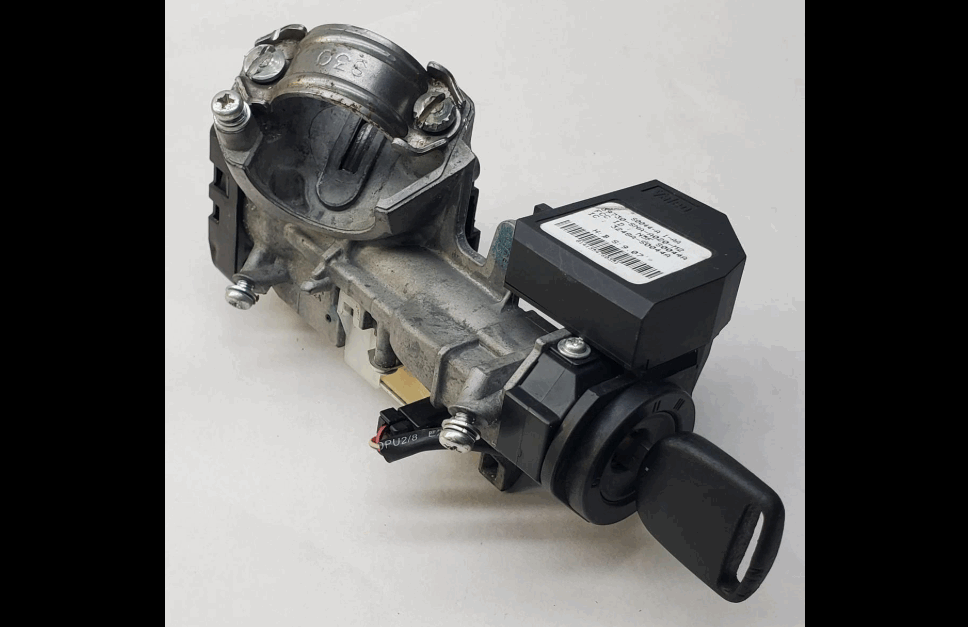
A worn ignition key or ignition cylinder can also prevent the steering lock from disengaging. Over time, the grooves on the key become less precise, while the internal tumblers inside the ignition cylinder wear down through repeated use. As these parts age, they no longer align correctly, making it difficult for the key to rotate and unlock the steering mechanism.
Electrical problems become more common on newer Honda Civic models equipped with a push button start system. A weak vehicle battery may not provide enough voltage for the electronic steering lock actuator to operate correctly. Likewise, a low key fob battery can interrupt communication between the smart key and the immobilizer system, preventing the steering lock from releasing even though the driver has the correct key.
Mechanical failure is another possible cause. A damaged steering lock actuator, a faulty ignition switch, or a worn steering column lock mechanism can all stop the system from operating normally. In these situations, the steering wheel often remains locked even after multiple attempts. Drivers may also notice warning lights, clicking noises, or intermittent starting problems before the steering lock fails completely. Recognizing these early symptoms helps prevent more extensive damage and reduces repair costs.
How Do You Unlock a Honda Civic Steering Wheel Safely?
Unlocking a Honda Civic steering wheel is usually a simple process when the locking mechanism works as intended. The correct method depends on whether your vehicle uses a traditional ignition key or a push button start system. Applying excessive force is never the right solution because it can damage the ignition cylinder, bend the key, or wear the steering lock mechanism.
If your Honda Civic has a traditional key, insert it fully into the ignition before attempting to turn it. At the same time, hold the steering wheel firmly and move it gently to the left and right. The goal is to relieve the pressure on the locking pin instead of forcing the key to rotate. Once the pressure disappears, the key should turn smoothly and release the steering wheel.
The process is similar for Honda Civic models equipped with a push button start system. Keep the key fob inside the vehicle and press the brake pedal firmly. While pressing the Start button, move the steering wheel slightly in both directions. If the steering lock engaged under tension, this movement usually allows the electronic locking mechanism to disengage and restore normal steering operation.
If the steering wheel remains locked after several attempts, stop trying to force it. Check whether the vehicle battery has enough power and confirm that the key fob battery is not weak. If you have a spare key, use it to rule out a damaged key or communication problem. These simple checks often identify the cause without requiring any repairs.
If none of these methods works, the problem is likely more serious than a normal steering lock. A faulty ignition cylinder, a failed steering lock actuator, or an electrical issue may prevent the system from unlocking. At this stage, a professional inspection is the safest option because it can identify the failed component before additional damage occurs.
What Should You Do If the Steering Wheel Is Locked and the Car Won’t Start?
A locked steering wheel and a Honda Civic that will not start usually indicate more than a normal steering lock. The anti theft system is not always the cause. In many cases, the problem involves the battery, ignition system, or electronic steering lock. A systematic inspection helps you find the fault quickly and avoid unnecessary repairs.
Start by checking the vehicle battery. Many steering lock problems begin with low voltage. Turn on the headlights or dashboard lights. Look for signs of weak electrical power. Dim lights, slow cranking, or a blank instrument cluster usually indicate a weak battery. Low voltage may prevent the steering lock actuator from releasing. It can also stop the ignition system from working correctly. Charging or replacing the battery often restores normal operation.
Next, make sure the transmission is fully in the Park position if your Honda Civic has an automatic transmission. The ignition system may remain disabled if the gear selector is not fully engaged. Move the shifter back into Park. Then press the brake pedal firmly and try to start the vehicle again.
If your Honda Civic uses a smart key, inspect the key fob next. A weak key fob battery can interrupt communication with the immobilizer system. As a result, the vehicle may fail to recognize the authorized key. Replace the battery or test a spare key. This simple step often rules out a common cause.
If the steering wheel remains locked, check for other warning signs. Dashboard warning lights, repeated clicking sounds, or an unresponsive Start button often indicate a faulty steering lock actuator, ignition switch, or steering column component. Connecting an OBD II scanner can reveal diagnostic trouble codes. These codes help identify the affected system before any parts are replaced.
If none of these steps solves the problem, schedule a professional inspection. Do not force the steering wheel or ignition key. Excessive force can damage the steering lock mechanism and increase repair costs. A qualified technician can inspect the steering column, ignition system, and control modules. This approach leads to a faster and more accurate diagnosis.
When Does a Locked Steering Wheel Mean a Mechanical or Electrical Failure?
A locked steering wheel does not always indicate a serious problem. However, the situation changes when the steering wheel remains locked after you follow the correct unlocking procedure. At that point, the issue is more likely related to a mechanical or electrical failure than to the normal anti theft system.
Mechanical failures usually develop as parts wear over time. The ignition cylinder may no longer align with the key. The steering lock mechanism can also become worn or damaged after years of use. In some cases, the locking pin sticks inside the steering column. When this happens, the steering wheel stays locked even though the correct key is in the ignition.
Electrical failures are more common in newer Honda Civic models with a push button start system. A faulty steering lock actuator may fail to retract after receiving the unlock command. A damaged ignition switch, wiring problem, or failed control module can produce the same result. These faults prevent the steering lock system from completing its normal operation.
Several warning signs suggest that the problem is more than a temporary lock. The steering wheel may stay locked every time you try to start the vehicle. The Start button may not respond. You may also notice warning lights on the dashboard, repeated clicking noises, or intermittent starting problems. These symptoms often appear before the steering lock fails completely.
Accurate diagnosis is essential because many of these symptoms look similar. Replacing the battery will not fix a worn ignition cylinder. Likewise, installing a new key will not solve a failed steering lock actuator. A professional inspection or an OBD II scan helps identify the faulty component before any repairs begin. This approach reduces repair costs and prevents unnecessary part replacement.
How Can You Prevent Your Honda Civic Steering Wheel From Locking Again?
You can reduce the risk of a locked steering wheel by following a few simple maintenance habits. Most steering lock problems develop gradually rather than appearing without warning. Regular inspections and proper driving habits help keep the steering and ignition systems working as designed.
Avoid placing unnecessary pressure on the steering wheel after parking. Straighten the front wheels whenever possible before switching off the engine. If you must park on a hill or next to a curb, allow the vehicle to settle before turning the steering wheel. This habit reduces stress on the steering lock mechanism.
Keep the ignition key and key fob in good condition. Replace a worn key before it begins to damage the ignition cylinder. If your Honda Civic uses a smart key, replace the key fob battery at the first sign of reduced range or delayed response. A healthy key improves communication with the vehicle and reduces the chance of a failed start.
Maintain the vehicle battery according to Honda’s service schedule. A weak battery affects more than engine starting. It can also interrupt the operation of the electronic steering lock and other control modules. Test the battery regularly, especially before winter or after several years of use.
Pay attention to early warning signs. A key that becomes difficult to turn, a steering wheel that locks more often than usual, or repeated clicking sounds should never be ignored. Addressing these symptoms early often prevents more expensive repairs. Routine maintenance and prompt diagnosis help ensure that the steering lock system continues to operate safely and reliably.
Conclusion
A locked steering wheel is often a normal security feature in a Honda Civic. In many cases, the problem is easy to solve by relieving pressure on the steering wheel or checking the ignition system. However, a steering wheel that remains locked after several attempts usually points to a mechanical or electrical fault that requires further inspection.
Understanding the difference between normal steering lock operation and system failure is the key to accurate diagnosis. Checking the battery, ignition key, steering lock mechanism, and electronic components in a logical order helps you identify the real cause without replacing parts unnecessarily. This approach also reduces repair costs and prevents additional damage.
Regular maintenance plays an important role in preventing future problems. Keeping the battery in good condition, replacing worn keys, and responding to early warning signs can extend the life of the steering and ignition systems. If the steering wheel remains locked despite these checks, professional diagnosis is the safest and most reliable solution.