A Honda CR-V alarm keeps going off when the anti-theft system detects unusual activity or receives incorrect signals from the vehicle. In most cases, nobody attempts to steal the vehicle. Instead, a weak battery, a faulty hood latch sensor, a low key fob battery, or a defective door switch triggers the alarm.
Repeated false alarms create more than an inconvenience. They drain the battery, reduce the reliability of the security system, and disturb people nearby. Over time, an unresolved electrical fault may also damage other components and increase repair costs.
Most alarm problems follow a predictable pattern. Start by inspecting the simplest components before replacing expensive modules. Check the battery, key fob, hood latch, and door sensors first. Then inspect the wiring and scan the Body Control Module (BCM) for diagnostic trouble codes if the problem continues.
This guide explains why a Honda CR-V alarm keeps going off and how to fix it. You will learn the 12 most common causes, practical diagnostic steps, effective repair methods, estimated repair costs, and maintenance tips that help prevent the problem from returning.
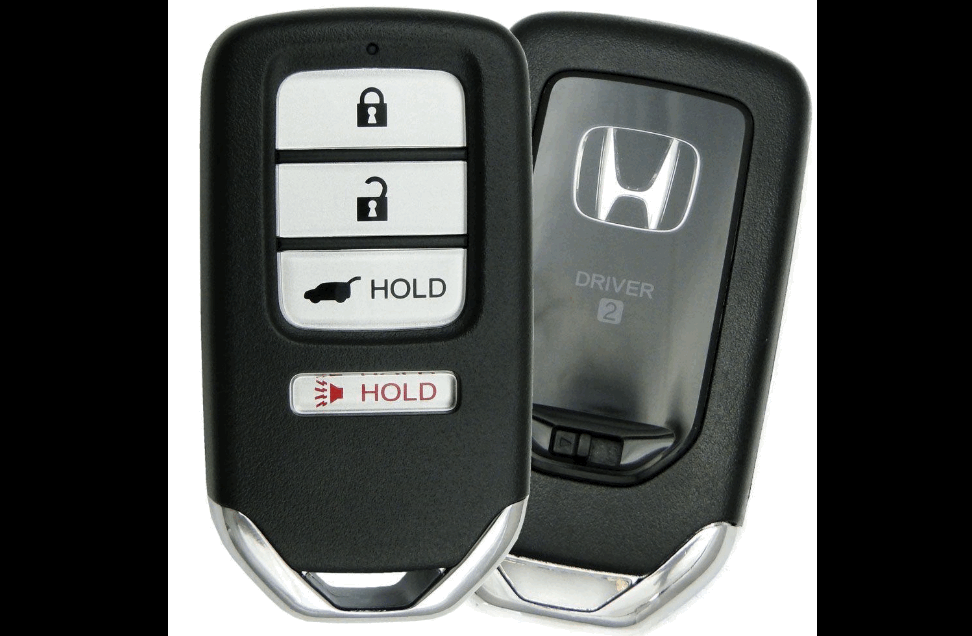
Why Does a Honda CR-V Alarm Keep Going Off?
A Honda CR-V alarm keeps going off because the anti-theft system detects a condition that it interprets as unauthorized access. The system monitors several components at the same time, including the doors, hood, tailgate, key fob, and electrical control modules. When one of these components sends incorrect information, the alarm activates even though no one is attempting to break into the vehicle.
The factory alarm system relies on accurate communication between sensors and the Body Control Module (BCM). Every time you lock the vehicle, the BCM checks whether all monitored entry points remain closed and secure. If a door switch, hood latch sensor, or tailgate sensor suddenly reports an open position, the BCM assumes someone has entered the vehicle and immediately triggers the alarm.
Electrical problems can also create false alarm events. A weak battery often causes unstable voltage, which interrupts communication between electronic modules. Corroded battery terminals, damaged wiring, or moisture inside electrical connectors may produce similar symptoms. As a result, the alarm system receives inconsistent signals and responds as if a security breach has occurred.
Environmental conditions sometimes contribute to the problem as well. Heavy rain, high humidity, and extreme temperature changes can affect aging sensors or exposed electrical connectors. Vehicles with high mileage face a greater risk because switches, wiring, and connectors naturally wear over time. Although these issues rarely appear at the same time, even a single faulty component can trigger repeated false alarms.
Understanding how the alarm system works makes diagnosis much easier. Instead of replacing expensive parts immediately, you should inspect the most common failure points first. This approach saves time, reduces repair costs, and helps identify the actual cause before the problem spreads to other electrical components.
What Are the 12 Most Common Causes of a Honda CR-V Alarm Going Off?
Several mechanical and electrical faults can cause a Honda CR-V alarm to activate without warning. Although the symptoms often look the same, the root cause usually comes from a sensor, the electrical system, or a control module. Identifying the correct fault helps you avoid replacing parts that still work properly.
A weak car battery ranks as the most common cause of false alarms. The anti-theft system depends on stable voltage to communicate with the Body Control Module (BCM). When battery voltage drops below the normal operating range, electronic modules may reset or lose communication for a brief moment. The alarm interprets this interruption as suspicious activity and activates unexpectedly. Corroded battery terminals or a failing alternator can create similar voltage fluctuations.
A worn key fob battery also causes frequent alarm problems. As the battery loses power, the key fob sends weaker or inconsistent signals to the vehicle. The smart entry system may fail to recognize the correct authentication signal, especially when the vehicle remains parked for long periods. Replacing the key fob battery is inexpensive and often resolves random alarm activation.
Faulty hood latch, door latch, and tailgate sensors represent another common source of false alarms. These switches tell the BCM whether every entry point remains fully closed. Dirt, corrosion, worn contacts, or mechanical wear may cause a sensor to report an open position even when the panel is securely locked. The alarm responds immediately because it detects what appears to be unauthorized access.
Door lock actuators can produce similar symptoms as they age. A damaged actuator may fail to lock completely or send an incorrect lock status to the security system. Some owners also notice repeated lock and unlock cycles before the alarm begins sounding. This behavior usually indicates that the actuator no longer communicates correctly with the BCM.
Electrical faults become more common as a vehicle gets older. Damaged wiring, loose connectors, blown fuses, or minor short circuits interrupt communication between sensors and control modules. Water intrusion inside door panels, the engine compartment, or electrical connectors can worsen the problem by creating corrosion. Even a small amount of corrosion increases electrical resistance and causes unstable sensor signals.
The Body Control Module (BCM) and the Multiplex Integrated Control Unit (MICU) manage nearly every function of the factory security system. Software errors, internal hardware failures, or communication faults may cause either module to misinterpret normal operating conditions. While these failures occur less frequently than sensor issues, they often trigger persistent alarms after simpler components have already been inspected.
Aftermarket alarm systems sometimes interfere with the factory anti-theft system. Poor wiring connections, incompatible modules, or incorrect installation may generate conflicting signals that confuse the vehicle’s electronics. If the problem started after installing an aftermarket security device or remote starter, that system should become one of the first components you inspect.
Most Honda CR-V alarm problems originate from only a handful of components. A weak battery, faulty sensor, worn actuator, damaged wiring, or low key fob battery accounts for the majority of reported cases. Checking these items first provides the fastest and most cost-effective path to an accurate diagnosis before investigating more complex electronic modules.
How Can You Diagnose the Problem Before Replacing Parts?
Diagnosing the problem before replacing parts saves both time and money. Many Honda CR-V owners replace expensive components only to discover that a weak battery or faulty sensor caused the alarm. Following a logical inspection sequence helps identify the real issue without unnecessary repairs.
Start with the vehicle battery because the alarm system depends on stable voltage. Inspect the battery terminals for corrosion, loose connections, or visible damage. Next, measure the battery voltage with a multimeter. A healthy battery should maintain approximately 12.6 volts with the engine off. If the reading is significantly lower, recharge or replace the battery before inspecting other components.
The next step is to examine the key fob. A weak battery reduces signal strength and may interrupt communication with the smart entry system. Replace the key fob battery if it has not been changed recently. This inexpensive repair often eliminates random alarm activation, especially on older key fobs.
Continue by inspecting the hood latch, door latches, and tailgate. Make sure each latch closes completely and locks securely. Dirt, rust, or worn switch contacts may prevent the sensors from reporting the correct position. Cleaning the latch assembly and applying a suitable lubricant can restore normal operation when contamination causes the problem.
After checking the sensors, inspect the visible wiring around the battery, engine bay, and door hinges. Look for damaged insulation, loose connectors, corrosion, or signs of water intrusion. Electrical damage often produces intermittent faults that trigger the alarm without warning. Even a partially damaged wire can interrupt communication between sensors and the Body Control Module (BCM).
If the alarm continues to activate, connect an OBD-II scanner that supports Honda body control diagnostics. Reading Diagnostic Trouble Codes (DTCs) allows you to identify communication errors, sensor failures, or BCM faults more accurately. This step reduces guesswork and confirms whether the problem involves an electronic control module instead of a mechanical component.
Complete each inspection before moving to the next one. Replacing parts without confirming the fault increases repair costs and may leave the original problem unresolved. A systematic diagnosis almost always leads to a faster and more accurate repair.
How Do You Fix a Honda CR-V Alarm That Keeps Going Off?
The correct repair depends on the component causing the false alarm. Replacing parts without confirming the fault rarely solves the problem. Instead, match the repair to the diagnosis and verify that the alarm no longer activates after each step.
Replace the vehicle battery if it no longer holds a proper charge or shows unstable voltage. A healthy battery provides consistent power to the anti-theft system and helps the Body Control Module (BCM) communicate with every sensor. Clean the battery terminals and tighten the connections before installing a new battery because poor electrical contact can produce the same symptoms as a weak battery.
Install a new key fob battery if the remote operates inconsistently or the signal range becomes noticeably shorter. This simple repair restores stable communication between the smart key system and the vehicle. After replacing the battery, test the lock and unlock functions several times to confirm that the alarm responds normally.
Repair or replace faulty hood latch, door latch, or tailgate sensors when they report incorrect open or closed positions. Dirt and corrosion often prevent these switches from working correctly. Cleaning the latch assembly may restore normal operation. However, replace the sensor if cleaning does not eliminate the problem or if the switch shows signs of physical wear.
Replace a damaged door lock actuator if the locks cycle unexpectedly or fail to secure the doors completely. A defective actuator sends inaccurate lock status information to the security system, which may trigger repeated false alarms. Installing a new actuator restores proper communication between the locking mechanism and the BCM.
Repair damaged wiring as soon as you find loose connectors, broken insulation, or corrosion. Moisture inside electrical connectors should also be removed because corrosion continues to spread over time. Secure every repaired connection and protect exposed wiring with the correct insulation to prevent future electrical faults.
Reprogram or replace the Body Control Module only after ruling out batteries, sensors, actuators, and wiring. BCM failures occur less frequently, but they can cause persistent alarm activation when internal circuits or software malfunction. This repair usually requires professional diagnostic equipment because the replacement module must match the vehicle’s security system.
Remove or reconfigure an aftermarket alarm system if the problem began after installation. Factory and aftermarket security systems may conflict when they share the same electrical circuits. Restoring the original wiring or updating the installation often resolves communication errors and prevents repeated false alarms.
Test the alarm system after completing each repair. Lock the vehicle, wait for the security system to arm, and monitor its behavior for several hours. This final inspection confirms that the original fault has been eliminated before you move on to additional repairs.
How Much Does It Cost to Repair a Honda CR-V Alarm Problem?
Repair costs vary depending on the failed component, the model year, and local labor rates. Simple repairs usually cost less than replacing electronic control modules. An accurate diagnosis also prevents unnecessary expenses because many alarm problems originate from inexpensive parts rather than major electrical components.
The table below shows the average repair costs for the most common Honda CR-V alarm problems.
| RepairEstimated Cost (USD)Key fob battery replacement$5–$15Car battery replacement$150–$350Hood latch sensor replacement$120–$300Door lock actuator replacement$180–$450Tailgate latch replacement$150–$350Wiring repair$100–$500BCM replacement and programming$500–$1,200Diagnostic inspection$80–$180 |
|---|
The least expensive repairs usually involve replacing the key fob battery or cleaning corroded electrical connections. These problems require minimal labor and often restore normal alarm operation within a short time. A weak vehicle battery also ranks among the most affordable repairs when compared with electronic module replacement.
Costs increase when the problem involves damaged wiring or electronic control modules. Wiring repairs require technicians to trace intermittent faults, inspect connectors, and repair damaged circuits. The labor involved often exceeds the price of the replacement parts. Water damage may increase repair costs even further because technicians must inspect multiple electrical systems.
Replacing the Body Control Module represents one of the most expensive repairs. The new module must match the vehicle’s anti-theft system and usually requires programming with Honda diagnostic equipment. For this reason, technicians normally recommend replacing the BCM only after eliminating battery, sensor, wiring, and actuator problems.
Request a complete diagnostic inspection before approving major repairs. A professional diagnosis often identifies the exact fault within a short period and prevents unnecessary part replacement. Spending a small amount on testing frequently saves hundreds of dollars on repairs that the vehicle does not actually need.
Which Honda CR-V Model Years Experience Alarm Problems Most Often?
Honda CR-V alarm problems can occur in any model year, but owners report them more frequently on older vehicles with higher mileage. As electrical components age, sensors, wiring, and connectors become more vulnerable to wear. The increased risk comes from normal deterioration rather than a design flaw in the alarm system.
Models produced between the mid-2000s and the late 2010s receive the largest number of owner complaints about unexpected alarm activation. Many of these vehicles have accumulated enough mileage for hood latch switches, door lock actuators, and wiring connectors to wear out. Rubber seals also deteriorate over time, allowing moisture to reach electrical connectors and increase the risk of corrosion.
Older CR-V models commonly develop mechanical wear inside the hood latch assembly. The integrated switch may no longer report the correct hood position, even when the latch appears fully closed. Because the Body Control Module (BCM) depends on this signal, it may activate the alarm repeatedly without detecting an actual break-in attempt.
Higher-mileage vehicles also experience more electrical issues than newer models. Door lock actuators gradually lose performance, battery cables develop corrosion, and wiring insulation becomes brittle after years of exposure to heat and vibration. These age-related failures often create intermittent faults, making the alarm activate at random times.
Newer Honda CR-V models generally experience fewer false alarms because they use updated electronic components and improved diagnostic systems. However, they are not immune to problems. A weak battery, damaged wiring, or a failing key fob battery can still trigger the factory alarm regardless of model year.
Vehicle age should help guide your diagnosis, but it should never determine your repair. Always inspect and test the affected components before replacing them. A systematic inspection identifies the actual fault more accurately than relying on model year alone.
How Can You Prevent the Alarm from Going Off Again?
Preventive maintenance reduces the likelihood of recurring alarm problems and extends the life of the vehicle’s electrical system. Most false alarms develop gradually, which means regular inspections often identify small issues before they become expensive repairs.
Inspect the vehicle battery during routine maintenance and replace it before it reaches the end of its service life. Clean the battery terminals regularly and make sure every connection remains tight. Stable battery voltage allows the Body Control Module (BCM) and the anti-theft system to operate correctly.
Replace the key fob battery every few years or whenever the remote begins to lose range. A fresh battery provides consistent communication with the smart entry system and reduces the chance of authentication errors. Because replacement batteries cost very little, this simple maintenance step offers excellent value.
Keep the hood latch, door latches, and tailgate latch clean and properly lubricated. Dirt, road salt, and moisture accelerate wear and may prevent sensors from reporting accurate positions. Cleaning these components during routine service helps maintain reliable operation throughout the year.
Inspect exposed wiring and electrical connectors whenever the vehicle receives major maintenance. Repair damaged insulation, secure loose connectors, and remove corrosion before it spreads. If you frequently drive in heavy rain or snowy conditions, pay extra attention to areas where moisture can collect around electrical connections.
Choose high-quality replacement parts whenever repairs become necessary. Low-quality sensors and aftermarket electrical components may not communicate correctly with the factory security system. Using parts that meet Honda specifications improves long-term reliability and reduces the chance of recurring alarm issues.
Preventive maintenance cannot eliminate every electrical failure, but it greatly reduces the most common causes of false alarms. Regular inspections, timely battery replacement, and prompt repairs help keep the Honda CR-V security system dependable for many years.
Conclusion
A Honda CR-V alarm keeps going off because the anti-theft system receives incorrect information from one or more components. In most cases, the problem originates from a weak battery, a low key fob battery, a faulty hood latch sensor, worn door lock components, damaged wiring, or an intermittent electrical fault. These issues are far more common than failures of the Body Control Module.
The most effective solution begins with a systematic diagnosis. Check the battery, key fob, sensors, and wiring before considering expensive electronic modules. This approach reduces repair costs, shortens diagnostic time, and prevents unnecessary part replacement.
Regular maintenance also plays an important role in preventing future alarm problems. Inspecting electrical connections, replacing aging batteries, and repairing worn components before they fail helps the factory security system operate as intended. With the correct diagnosis and timely repairs, most Honda CR-V alarm problems can be resolved quickly and permanently.