Honda Civic air conditioning recharge restores cooling performance by adding the correct amount of refrigerant back into the vehicle’s AC system. A Honda Civic does not normally consume refrigerant during regular operation, so low refrigerant levels usually indicate a leak, damaged component, or previous service issue that requires inspection.
A properly working AC system uses refrigerant to absorb heat from inside the cabin and release it outside the vehicle. When refrigerant pressure becomes too low, the system may produce warm air, reduce cooling efficiency, or cause the AC compressor to operate incorrectly. These symptoms often lead Honda Civic owners to search for an AC recharge service.
Understanding the Honda Civic air conditioning recharge process helps owners identify the right solution before spending money on repairs. This guide explains the refrigerant types used in Honda Civic models, the average recharge cost, the professional service process, common signs of low refrigerant, and situations where an AC recharge may not solve the underlying problem.
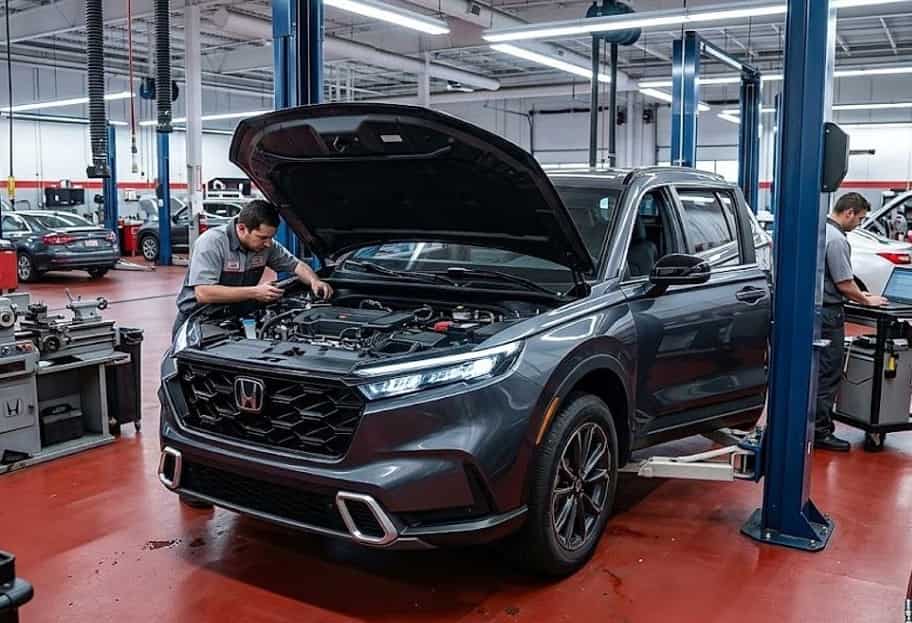
Does Honda CR-V have an air conditioning recall?
A Honda CR-V air conditioning recall depends on the specific vehicle model year, manufacturing details, and identified defect. Honda issues an official recall only when a confirmed problem affects a group of vehicles and requires corrective action from the manufacturer. This means a Honda CR-V with an AC problem does not automatically qualify for recall service because many air conditioning failures are related to normal component wear, maintenance issues, or individual part failures.
A recall is different from a standard repair or warranty claim. An official recall requires Honda to notify affected owners and provide a repair solution through authorized dealerships, usually without charging the owner for eligible recall work. A warranty repair covers defects within the manufacturer’s warranty period, while regular repairs involve problems caused by wear, damage, or maintenance conditions outside recall coverage.
Honda CR-V air conditioning issues can involve several components, including the AC compressor, condenser, refrigerant system, and HVAC controls. When one of these components has a manufacturing defect that affects a specific production group, Honda may create a recall or service action to address the issue. The repair process usually begins with a vehicle inspection and VIN verification to confirm whether the vehicle is included.
Owners who suspect an air conditioning recall issue should check their Honda CR-V recall status using the Vehicle Identification Number (VIN). The VIN allows Honda and recall databases to identify whether the vehicle has open recall campaigns, completed repairs, or no applicable recall history. This step prevents unnecessary repair expenses and helps owners receive the correct manufacturer support.
Which Honda CR-V models are affected by air conditioning recalls?
Honda CR-V air conditioning recall coverage depends on the specific model year, production period, and vehicle identification details. Not every Honda CR-V generation has the same air conditioning system design or the same potential AC-related problems. Manufacturers update HVAC components, compressor systems, refrigerant systems, and electrical controls between generations, which means recall information must always be verified for each individual vehicle.
Honda CR-V owners should identify their vehicle’s model year before searching for recall information. Different generations, including earlier CR-V models and newer versions, may use different air conditioning components and may experience different failure patterns. A problem reported in one production group does not automatically apply to every Honda CR-V from the same generation.
The most reliable way to determine whether a Honda CR-V is affected by an air conditioning recall is through a VIN check. The VIN provides the exact production information needed to match a vehicle with any open recall campaign. Owners can use official Honda recall resources, government recall databases, or contact an authorized Honda dealership to confirm their vehicle status.
When checking recall eligibility, owners should collect basic vehicle information, including the model year, trim level, mileage, and current AC symptoms. This information helps technicians distinguish between a recall-related defect and other common air conditioning problems, such as refrigerant leaks, compressor wear, or damaged AC components.
A recall notice typically includes details about the affected vehicles, the defective component, potential risks, and the recommended repair procedure. Following the official recall verification process ensures Honda CR-V owners receive the correct repair instead of replacing parts that may not be related to the actual issue.
What are the common symptoms of Honda CR-V air conditioning problems?
Honda CR-V air conditioning problems often show clear warning signs before the system fails completely. The most common symptoms include warm air from the vents, weak cooling performance, unusual AC noises, inconsistent temperature control, and refrigerant-related issues. Identifying these symptoms early helps owners understand whether they are dealing with a recall issue, a component failure, or a maintenance problem.
One common symptom is an air conditioner that blows warm air. This happens when the AC system cannot complete the cooling process. Low refrigerant levels, a damaged condenser, a failing compressor, or electrical problems can reduce cooling performance. When the compressor cannot create enough pressure, refrigerant circulation becomes less effective.
Weak or inconsistent cooling is another frequent problem. Some Honda CR-V owners notice that the AC works normally at first but becomes weaker during long drives or hot weather. This usually points to problems with the compressor, refrigerant pressure, airflow, or AC controls. A proper inspection is needed because different failures can create similar symptoms.
Unusual sounds from the AC system can also indicate a mechanical problem. Clicking noises, grinding sounds, or repeated compressor cycling may signal component damage. These problems often involve the AC compressor, compressor clutch, or electrical system.
Refrigerant leaks are another important warning sign. A leak reduces the amount of refrigerant available for cooling. It also forces the compressor to work harder. Over time, this can increase the risk of additional AC system damage.
Early detection helps Honda CR-V owners avoid unnecessary repair costs. A professional diagnosis can confirm whether the issue is related to a recall, warranty coverage, or a standard repair.
What causes Honda CR-V air conditioning system failures?
Honda CR-V air conditioning failures happen when one or more AC components cannot complete the cooling process correctly. The main causes include AC compressor failure, refrigerant leaks, condenser damage, electrical problems, and normal component wear. Understanding these causes helps owners identify the source of poor cooling performance and choose the correct repair solution.
The AC compressor is one of the most important components in the Honda CR-V air conditioning system. It circulates refrigerant between the high-pressure and low-pressure sides of the system. When the compressor fails, the refrigerant cannot move properly, which prevents the cabin from receiving cold air. Common signs of compressor problems include warm airflow, unusual noises, and repeated AC cycling.
Refrigerant leaks are another major cause of Honda CR-V AC problems. The air conditioning system requires a specific refrigerant level to transfer heat from inside the vehicle to the outside environment. A damaged hose, seal, condenser, or connection point can allow refrigerant to escape. As refrigerant pressure decreases, the AC system loses cooling ability and may place additional stress on the compressor.
The condenser can also affect Honda CR-V cooling performance. The condenser removes heat from the refrigerant before it returns to the cabin cooling system. Damage from road debris, corrosion, or physical impact can reduce its ability to release heat. This causes the AC system to work harder and produce weaker cooling.
Electrical and control system issues can create similar symptoms. Faulty sensors, damaged wiring, or HVAC control problems may prevent the AC system from operating correctly. These failures require diagnostic testing because the visible symptom may not reveal the actual damaged component.
Regular maintenance can reduce the risk of some Honda CR-V air conditioning failures. Checking refrigerant levels, replacing cabin air filters, and inspecting AC components can help detect problems before they become major repairs.
How does Honda repair air conditioning recall problems?
Honda repairs air conditioning recall problems through an inspection and repair process performed by authorized dealerships. The repair process usually includes recall verification, system inspection, defective component replacement, and confirmation that the AC system operates correctly after the repair. The exact procedure depends on the specific recall campaign and the affected vehicle components.
The first step is confirming recall eligibility through the vehicle identification number (VIN). Honda dealerships use the VIN to check whether the Honda CR-V has an open air conditioning recall. This step ensures that only vehicles included in the recall program receive the approved repair service.
After confirming eligibility, technicians inspect the air conditioning system to identify the affected component. The inspection may include checking the AC compressor, condenser, refrigerant system, electrical connections, and related HVAC parts. Technicians follow Honda’s official repair instructions to correct the identified defect.
Recall repairs may involve replacing damaged components, updating system controls, or repairing specific parts connected to the AC problem. The repair method depends on the cause of the recall. For example, a defective compressor requires a different solution from a refrigerant system issue.
Eligible Honda CR-V owners usually receive recall repairs without paying for the covered repair work. However, problems unrelated to the recall may require separate payment. A dealership inspection helps determine whether the issue is covered by the recall or requires a standard repair.
The repair time varies based on the type of repair and parts availability. Simple inspections may take a short time, while component replacement may require additional labor. Owners should contact their Honda dealership before visiting to confirm appointment availability and repair requirements.
Completing recall repairs helps maintain vehicle reliability and prevents the same AC problem from affecting long-term performance. Honda CR-V owners should complete open recall repairs as soon as possible after receiving a notification.
How much does Honda CR-V air conditioning repair cost without a recall?
Honda CR-V air conditioning repair costs depend on the damaged component, labor requirements, and whether the problem is covered by warranty or recall protection. Without a recall, owners usually pay for diagnosis, replacement parts, and labor needed to restore the AC system. The final cost varies because different AC failures require different repair procedures.
A refrigerant recharge is usually one of the lower-cost AC services. It involves restoring the correct refrigerant level after the system loses cooling capacity. However, a recharge only solves the problem when low refrigerant is the main cause. If the system has a leak, the damaged component must be repaired first to prevent the refrigerant from escaping again.
AC compressor replacement is one of the more expensive Honda CR-V air conditioning repairs. The compressor is a major mechanical component that controls refrigerant circulation. When it fails, technicians may need to remove and replace the unit, inspect the surrounding AC system, and recharge the refrigerant after installation.
Condenser repairs can also increase repair costs. The condenser is located at the front of the vehicle and can be damaged by road debris, corrosion, or physical impact. A damaged condenser may reduce cooling performance and cause the AC system to operate inefficiently.
Electrical diagnosis can create additional repair expenses because technicians must identify the source of the failure before replacing parts. Problems with sensors, wiring, relays, or HVAC controls may require specialized testing equipment.
Honda CR-V owners should request a complete diagnosis before approving repairs. A proper inspection prevents unnecessary part replacement and helps determine whether the problem is caused by a recall, warranty issue, or regular vehicle maintenance. Checking recall eligibility first is important because eligible recall repairs may be completed without owner payment.
How can Honda CR-V owners prevent future air conditioning problems?
Honda CR-V owners can reduce the risk of future air conditioning problems through regular inspections and proper system maintenance. The main prevention methods include checking AC performance, maintaining refrigerant levels, replacing the cabin air filter, and addressing early warning signs. Preventive maintenance helps protect important components and reduces the chance of expensive AC repairs.
Regular AC inspections help identify problems before they become major failures. Technicians can check refrigerant pressure, compressor operation, condenser condition, and electrical connections during routine service. Early detection is important because small issues, such as minor refrigerant leaks, can place additional stress on other AC components.
Replacing the cabin air filter is another important maintenance step. A dirty filter restricts airflow and reduces the efficiency of the HVAC system. When airflow becomes limited, the AC system may need to work harder to cool the cabin. Honda CR-V owners should follow the recommended maintenance schedule for cabin air filter replacement based on driving conditions.
Monitoring AC performance also helps detect developing problems. Owners should pay attention to symptoms such as longer cooling times, unusual noises, weak airflow, or changes in temperature. These signs may indicate issues with the compressor, condenser, refrigerant system, or electrical controls.
Keeping the condenser area clean can also support better cooling performance. The condenser releases heat from the refrigerant, so blocked airflow can reduce system efficiency. Removing dirt, leaves, and debris from the front of the vehicle helps the condenser operate properly.
Proper maintenance does not prevent every Honda CR-V air conditioning failure, especially when a manufacturing defect exists. However, regular care helps maintain system performance and allows owners to identify problems earlier. Combining maintenance with recall checks provides a complete approach to protecting the vehicle’s AC system.
Conclusion
Honda CR-V owners who suspect an air conditioning recall issue should verify their vehicle status before paying for repairs. The first steps are checking the VIN, confirming recall eligibility, and contacting an authorized Honda dealership for inspection. This process helps owners identify whether the problem qualifies for manufacturer support or requires a standard repair.
A recall repair is different from normal AC maintenance because Honda provides a specific solution for vehicles affected by a confirmed defect. Owners should not assume that every AC problem is part of a recall. Symptoms such as warm air, weak cooling, or unusual noises can result from different causes, including refrigerant leaks, compressor problems, or damaged AC components.
Checking recall information early can prevent unnecessary expenses and delays. If the vehicle qualifies, Honda technicians can complete the approved repair procedure according to the recall instructions. If the vehicle is not included, a professional diagnosis can identify the failed component and determine the correct repair option.
Maintaining the Honda CR-V air conditioning system after repairs is also important. Regular inspections, proper filter replacement, and early attention to warning signs can help preserve cooling performance. By combining recall awareness with preventive maintenance, Honda CR-V owners can keep their vehicle’s climate control system reliable and reduce future repair risks.