Honda Civic B1 Service is a maintenance procedure that helps owners keep their vehicles reliable and efficient. This service includes an engine oil change, oil filter replacement, tire rotation, and a complete vehicle inspection.
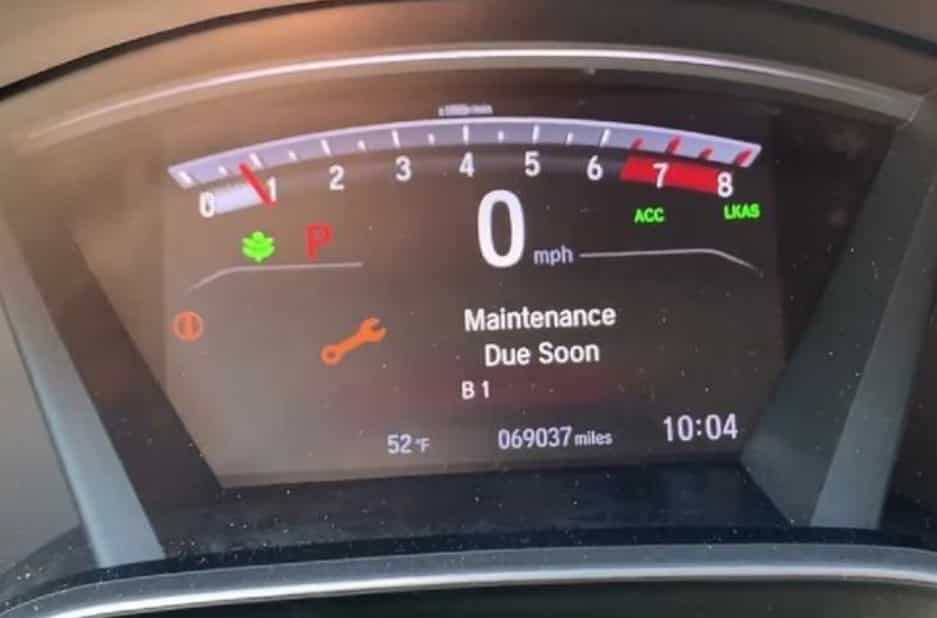
Honda uses the Maintenance Minder system to track driving conditions and calculate service timing. When the system shows the B1 code, it tells the owner that the vehicle needs specific maintenance tasks.
The letter B refers to a detailed maintenance package. It includes oil and filter replacement plus safety inspections. The number 1 refers to tire rotation and tire condition checks. Together, these services help protect the engine, improve tire performance, and maintain driving safety.
The cost and timing of Honda Civic B1 Service depend on several factors. These include driving habits, vehicle model year, engine type, location, and the repair shop you choose. Some owners visit Honda dealerships, while others use independent mechanics with Honda experience.
This guide explains Honda Civic B1 Service in detail. You will learn what the service includes, when you need it, how much it costs, and how to choose the right service option for your vehicle.
What Does Honda Civic B1 Service Mean?
Honda Civic B1 Service is a scheduled maintenance package that combines oil and filter replacement, vehicle inspections, and tire rotation. The Honda Maintenance Minder system uses the B1 code to tell owners when their vehicle needs this specific service. Unlike a simple oil change, B1 Service checks several important systems that affect safety, reliability, and driving performance.
The letter B represents the main maintenance category. Honda uses this code for services that require more than replacing engine oil. During a B service, technicians replace the engine oil and oil filter. They also inspect key components such as the brakes, suspension, steering system, fluid levels, and other vehicle parts. These inspections help identify wear before small issues become expensive repairs.
The number 1 represents tire rotation. Honda adds this subcode because tires wear differently depending on their position on the vehicle. Front tires on many Honda Civic models experience more stress because they handle steering and acceleration forces. Regular rotation helps distribute wear more evenly and can extend tire lifespan.
Honda Civic B1 Service does not include every possible maintenance task. For example, it does not automatically require transmission fluid replacement, brake fluid replacement, or air filter replacement unless the Maintenance Minder system shows additional service codes. Honda owners should follow the complete maintenance message instead of assuming that every service item applies to B1.
Understanding the meaning of the B1 code helps owners approve the correct maintenance work. It also prevents unnecessary services because each Maintenance Minder code has a specific purpose based on Honda’s recommended maintenance system.
What Is Included in Honda Civic B1 Service?
Honda Civic B1 Service includes engine oil replacement, oil filter replacement, tire rotation, and a complete inspection of essential vehicle systems. Honda designed this maintenance package to protect engine performance and identify early signs of mechanical problems. The exact inspection process may vary slightly depending on the Civic model year and service location.
Does Honda Civic B1 Service Include an Oil Change?
Yes, Honda Civic B1 Service includes an engine oil change. The technician removes the old engine oil and replaces it with new oil that matches Honda’s recommended specifications. Fresh oil helps engine components move smoothly because it reduces friction between internal parts.
Engine oil also removes heat and carries small contaminants away from moving components. Over time, oil loses its protective properties because heat, combustion particles, and continuous engine operation break down its quality. Replacing the oil during B1 Service helps maintain lubrication and supports long-term engine durability.
The service also includes an oil filter replacement. The oil filter captures dirt, metal particles, and other contaminants that can circulate through the engine. A new filter allows cleaner oil to flow through the lubrication system and helps protect internal engine components.
Which Components Are Inspected During Honda Civic B1 Service?
Honda Civic B1 Service includes a multi-point inspection that checks important safety and performance components. Technicians inspect the braking system, suspension components, steering parts, fluid levels, and visible signs of leaks or damage.
The brake inspection focuses on components such as brake pads, brake discs, calipers, and the parking brake system. These checks help identify worn parts before they affect stopping performance. The technician also examines suspension and steering components, including joints, boots, and other connection points that influence vehicle control.
The service includes checking fluid conditions and levels. Technicians inspect fluids such as coolant, brake fluid, transmission fluid, and windshield washer fluid. They also check the exhaust system and fuel lines for visible problems.
Tire rotation is another important part of B1 Service. Moving tires between positions helps create more even tread wear. This improves tire lifespan, maintains handling balance, and allows technicians to identify uneven wear patterns that may indicate alignment or suspension issues.
Honda Civic B1 Service focuses on preventive maintenance rather than major repairs. The goal is to keep the vehicle operating efficiently while detecting problems before they require more expensive solutions.
When Should You Get Honda Civic B1 Service?
Honda Civic B1 Service should be completed when the Honda Maintenance Minder system displays the B1 code. Honda does not use one fixed mileage number for every vehicle because driving conditions affect engine oil life and maintenance needs. The system analyzes factors such as driving habits, engine operation, and vehicle usage to determine the right service timing.
Most Honda Civic owners see the B1 code after several thousand miles of driving, but the exact interval depends on how the vehicle operates. Frequent short trips, heavy traffic, extreme temperatures, and frequent idling can reduce oil life faster than normal highway driving. These conditions create more stress on the engine and require earlier maintenance.
The Maintenance Minder system usually shows an oil life percentage before displaying the service code. When oil life reaches around 15%, Honda recommends scheduling maintenance soon. When the system reaches 5%, the vehicle needs immediate service planning. Driving far beyond the recommended service point can reduce oil protection and increase engine wear.
Honda Civic owners should also consider time when planning B1 Service. A vehicle that travels fewer miles may still need maintenance because engine oil can degrade over time. Moisture buildup, temperature changes, and chemical breakdown can reduce oil performance even when the vehicle receives limited use.
The best approach is to follow the Maintenance Minder notification and check the owner’s manual for model-specific recommendations. Regular B1 Service keeps the Honda Civic operating efficiently and helps maintain a complete service history for future repairs or resale value.
How Much Does Honda Civic B1 Service Cost?
Honda Civic B1 Service usually costs between $100 and $250, depending on the service provider, location, vehicle model year, and included inspection fees. A Honda dealership often charges more because it uses factory-trained technicians, OEM parts, and manufacturer-specific service procedures. Independent repair shops usually offer lower labor costs while still performing the required maintenance tasks.
The main cost of B1 Service comes from engine oil replacement, oil filter replacement, labor, and tire rotation. The oil type also affects the final price. Many newer Honda Civic models use synthetic oil, which costs more than conventional oil but provides better protection under modern driving conditions.
A dealership B1 Service often costs around $150 to $250 because the service includes a complete inspection process and manufacturer-recommended procedures. Dealership technicians also have direct access to Honda service information, technical updates, and genuine Honda parts.
An independent mechanic may charge around $100 to $180 for similar maintenance work. The lower price usually comes from reduced labor rates and operating costs. However, owners should confirm that the shop follows Honda maintenance requirements and uses the correct oil specification.
The final cost can increase if the inspection discovers additional problems. For example, worn brake pads, damaged tires, fluid leaks, or suspension issues may require separate repairs. Honda Civic B1 Service covers preventive maintenance and inspection, but it does not automatically include every repair that technicians may find.
Before approving the service, owners should request an itemized estimate. A clear estimate should show the oil type, filter cost, labor charges, inspection fees, and any recommended additional repairs. This approach helps Honda Civic owners understand exactly what they are paying for and avoid unnecessary maintenance expenses.
How Long Does Honda Civic B1 Service Take?
Honda Civic B1 Service usually takes about 1 to 2 hours when the shop has the required parts and the vehicle does not need additional repairs. The service time depends on the inspection process, technician workload, and any problems discovered during maintenance.
The basic maintenance tasks take less time because they involve routine procedures. An oil change, oil filter replacement, and tire rotation usually require less than one hour in many service facilities. However, technicians also perform a multi-point inspection during B1 Service, which adds additional time to the appointment.
A Honda dealership may require more waiting time because service departments often handle multiple customer vehicles throughout the day. Appointment availability, technician schedules, and inspection queues can affect the total visit duration. Booking an appointment in advance usually reduces unnecessary waiting.
Independent repair shops may complete B1 Service faster because they often operate with smaller service schedules. However, owners should choose a shop that understands Honda Maintenance Minder codes and follows the correct maintenance procedures.
Additional repairs can extend the service time. For example, a technician may find worn brake pads, damaged tires, fluid leaks, or suspension issues during the inspection. These repairs require extra parts, labor, and approval from the vehicle owner before work begins.
Honda Civic owners should expect a normal B1 Service appointment to finish within the same day. Preparing the vehicle’s maintenance records and asking for an estimated completion time before service can help create a smoother experience.
Can You Perform Honda Civic B1 Service Yourself?
Honda Civic B1 Service includes some maintenance tasks that experienced owners can complete at home, but other inspections require professional tools and mechanical knowledge. DIY maintenance can reduce costs, but owners must understand which tasks they can perform safely and which tasks need a trained technician.
Changing engine oil and replacing the oil filter are possible DIY tasks for owners who have the correct tools and follow Honda’s recommended procedures. The process requires the correct oil specification, the correct filter type, proper disposal of used oil, and safe vehicle lifting methods. Using incorrect oil or installing the wrong filter can reduce engine protection and create future problems.
Tire rotation is another task that some owners can complete at home. However, safe tire rotation requires proper lifting equipment, correct wheel installation, and accurate torque settings. Improper wheel installation can create safety risks during driving.
The inspection portion of Honda Civic B1 Service usually requires professional evaluation. Technicians use vehicle lifts and experience to check brake wear, suspension components, steering parts, fluid leaks, and other mechanical systems. Some problems remain difficult to identify without proper equipment.
DIY service also requires accurate maintenance records. Honda owners should record the service date, mileage, replaced parts, and maintenance details. Keeping clear records helps track vehicle history and supports warranty or resale documentation.
For owners with automotive experience, completing basic B1 tasks at home can work well. However, professional inspection remains valuable because it identifies issues that routine DIY maintenance may overlook.
Should You Get Honda Civic B1 Service at a Dealership?
Honda Civic B1 Service does not always require a dealership, but choosing the right service provider affects maintenance quality, documentation, and long-term ownership experience. Both Honda dealerships and independent repair shops can complete B1 Service when they follow the correct maintenance procedures.
A Honda dealership provides several advantages for Civic owners. Dealership technicians receive Honda-specific training and use manufacturer service information when inspecting vehicles. They also have direct access to OEM parts and updated technical recommendations. This can be valuable for newer Honda Civic models, vehicles under warranty, or owners who want official service records.
Dealership service departments also understand Honda Maintenance Minder codes because they work with these systems regularly. They can confirm the exact meaning of the B1 code, complete the required tasks, and update the vehicle maintenance history after service.
Independent repair shops offer another option for Honda Civic owners. Many experienced mechanics can perform B1 Service at a lower cost because they often have lower labor rates and operating expenses. A qualified independent shop can complete oil changes, tire rotations, and inspections while providing a more affordable maintenance solution.
The most important factor is not only the location but the quality of the service. Owners should choose a shop that understands Honda vehicles, uses the correct oil specifications, follows proper inspection procedures, and provides a detailed service record.
For newer vehicles, warranty considerations, or owners who prefer manufacturer-backed service, a Honda dealership may provide greater confidence. For older Honda Civics or owners focused on reducing maintenance costs, a trusted independent mechanic can also be a practical choice.
What Happens If You Delay Honda Civic B1 Service?
Delaying Honda Civic B1 Service can increase the risk of engine wear, uneven tire wear, and undetected mechanical problems. The B1 maintenance reminder exists to help owners complete preventive maintenance before small issues develop into expensive repairs.
The biggest concern with delaying B1 Service is degraded engine oil performance. Engine oil protects internal components by reducing friction, controlling heat, and carrying contaminants away from moving parts. As oil ages, it loses its ability to protect the engine effectively. Continued driving with old oil can increase wear on components such as bearings, pistons, and other internal engine parts.
Ignoring tire rotation can also create uneven tread wear. Honda Civic models often place more stress on front tires because they handle steering and acceleration forces. Without regular rotation, some tires may wear faster than others, which can reduce handling performance and shorten tire lifespan.
Delayed B1 Service can also cause owners to miss early warning signs during inspections. Technicians may identify issues such as worn brake pads, fluid leaks, damaged suspension components, or steering problems during routine maintenance. Avoiding these checks can allow minor problems to become more serious.
A delayed service history can also affect vehicle ownership value. Buyers often review maintenance records when purchasing used vehicles. A complete record of regular Honda Civic maintenance shows responsible ownership and helps demonstrate that the vehicle received proper care.
Honda Civic owners do not need to panic when the B1 code appears, but they should schedule service within a reasonable timeframe. Completing maintenance according to the Honda Maintenance Minder system helps protect vehicle reliability and reduces the chance of unexpected repair costs.
Honda B1 vs A1 vs B2: What’s the Difference?
Honda B1, A1, and B2 service codes represent different maintenance requirements within the Honda Maintenance Minder system. Each code combines a main service category with additional maintenance items. Understanding these differences helps Honda Civic owners complete the correct service without paying for unnecessary work.
Honda A1 Service is a smaller maintenance package compared with B1 Service. The A code mainly focuses on engine oil replacement, while the number 1 adds tire rotation. A1 Service does not normally include the broader inspection requirements that come with the B code. It works as a basic maintenance reminder for vehicles that only need oil service and tire care.
Honda B1 Service includes everything required in A1 Service plus additional inspections. The B code requires engine oil replacement, oil filter replacement, and a detailed inspection of important vehicle systems. These checks include brakes, steering components, suspension parts, fluid levels, and other visible mechanical areas. The additional inspection makes B1 Service more comprehensive than A1.
Honda B2 Service adds another maintenance requirement to the B service category. The number 2 refers to engine air filter and cabin air filter replacement. These filters protect engine airflow and improve interior air quality. When a Civic receives B2 Service, technicians complete the B service tasks and replace the required air filters.
The main difference between these codes is the scope of maintenance. A1 focuses on basic oil and tire service. B1 adds a complete vehicle inspection and oil filter replacement. B2 includes B service requirements plus air filter replacement.
Honda Civic owners should always follow the exact code shown by the Maintenance Minder system. The system calculates service needs based on vehicle operation, which means completing extra maintenance items before they appear may increase costs without providing additional benefits.
How Do You Reset the Honda Civic B1 Maintenance Minder?
You should reset the Honda Civic B1 Maintenance Minder only after completing the required service. The system tracks maintenance intervals based on oil life and vehicle operation, so resetting it too early can create inaccurate service reminders. A correct reset ensures the vehicle continues to provide accurate maintenance notifications.
The reset process depends on the Honda Civic model year and dashboard design. Newer Civic models usually allow owners to reset the Maintenance Minder through the driver information interface. The process normally requires accessing the maintenance menu, selecting the oil life option, and confirming the reset after service completion.
Older Honda Civic models may use a different reset method. Many models require the owner to use the trip button, switch the ignition to the correct position, and hold the button until the maintenance indicator resets. Because Honda changed dashboard systems across generations, owners should check the vehicle owner’s manual for the exact procedure.
Resetting the B1 code does not replace the maintenance itself. The reset only updates the vehicle’s service tracking system. If an owner clears the reminder without changing the oil, rotating tires, or completing inspections, the Maintenance Minder may no longer show the correct service timing.
After completing Honda Civic B1 Service, owners should keep a record of the service date, mileage, and completed maintenance items. A complete maintenance history helps track future service needs and supports the vehicle’s resale value.
Does Honda Civic B1 Service Change by Model Year?
Honda Civic B1 Service can change slightly between model years because Honda updates vehicle designs, engines, technology systems, and maintenance requirements over time. However, the core meaning of the B1 code remains consistent across Honda Civic generations. It continues to represent engine oil service, oil filter replacement, tire rotation, and a detailed vehicle inspection.
Newer Honda Civic models may have different engine technologies that affect maintenance details. For example, turbocharged engines and naturally aspirated engines can use different oil specifications and may have different service considerations. Hybrid Civic models may also include additional system checks because they use a different powertrain design.
The Honda Maintenance Minder system remains the primary guide for determining when B1 Service is needed. Instead of relying only on a fixed mileage schedule, the system evaluates driving patterns, engine operation, and vehicle conditions. This approach helps Honda owners complete maintenance based on actual vehicle use.
The service procedure may also differ depending on the dashboard system and vehicle features. Newer Civic models often use updated digital displays for maintenance reminders and reset procedures. Older models may use simpler dashboard controls, but they still follow the same maintenance code structure.
Owners should always check the owner’s manual for their specific Honda Civic year and trim level. The manual provides the most accurate information about oil specifications, maintenance procedures, and service intervals.
Although model-year differences exist, the purpose of Honda Civic B1 Service remains the same: maintain vehicle performance, identify potential problems early, and support long-term reliability.
What Should You Ask Before Approving Honda Civic B1 Service?
Before approving Honda Civic B1 Service, owners should confirm the exact maintenance tasks, estimated cost, and service details with the repair provider. A clear discussion before the work begins helps prevent unexpected charges and ensures the vehicle receives the correct maintenance.
The first question should focus on the service checklist. Owners should confirm that the shop includes the required B1 maintenance items, such as engine oil replacement, oil filter replacement, tire rotation, and the recommended vehicle inspection. A proper B1 Service should follow the Honda Maintenance Minder requirements instead of adding unrelated services automatically.
Owners should also request a detailed cost estimate before authorizing additional work. The estimate should separate labor costs, parts costs, inspection fees, and optional repairs. If technicians discover problems during the inspection, the shop should explain the issue, provide repair recommendations, and receive approval before completing extra work.
The type of oil and replacement parts also matters. Honda Civic owners should confirm that the technician uses the correct oil specification and a suitable oil filter for their specific model year. Using the wrong materials can reduce maintenance quality and affect engine protection.
Service documentation is another important consideration. A reliable shop should provide records that include the service date, mileage, completed tasks, and replaced parts. These records help owners track future maintenance and create a stronger vehicle history.
Before scheduling B1 Service, owners should compare service providers based on experience, transparency, and maintenance quality rather than choosing only the lowest price. The right service provider helps maintain the Honda Civic’s performance while avoiding unnecessary expenses.
Frequently Asked Questions About Honda Civic B1 Service
Is Honda Civic B1 Service Urgent?
Honda Civic B1 Service requires attention when the Maintenance Minder system displays the code, but it does not mean the vehicle has an immediate mechanical failure. The B1 reminder tells owners that scheduled maintenance is due soon. Completing the service within the recommended timeframe helps protect engine performance and prevent avoidable wear.
Can You Drive After the Honda Civic B1 Code Appears?
You can continue driving after the B1 code appears, but you should schedule maintenance as soon as possible. The vehicle can operate normally for a short period, but delaying service for an extended time can reduce engine oil protection and allow small maintenance issues to develop.
Does Honda Civic B1 Service Include Brake Fluid Replacement?
Honda Civic B1 Service does not normally include brake fluid replacement. The B1 code focuses on oil service, oil filter replacement, tire rotation, and vehicle inspection. Brake fluid replacement appears under a separate Maintenance Minder code, usually code 3, depending on the vehicle model and service history.
Does Honda Civic B1 Service Include Transmission Fluid Change?
Honda Civic B1 Service does not include transmission fluid replacement. Transmission service follows a separate maintenance schedule and depends on the vehicle model, transmission type, and Honda recommendations. Owners should check their Maintenance Minder system for additional codes related to transmission maintenance.
Can You Clear the Honda Civic B1 Code Without Completing the Service?
You can reset the B1 maintenance reminder, but you should not do it before completing the required maintenance. Clearing the code without performing the service can make the Maintenance Minder system inaccurate and increase the risk of missing future maintenance needs.
Is Honda Civic B1 Service Worth Paying For?
Honda Civic B1 Service provides value because it combines routine maintenance with preventive inspection. The service helps maintain engine protection, tire performance, and vehicle reliability. Regular maintenance also creates a complete service history, which can support better resale value when owners sell their vehicle.
Conclusion
Honda Civic B1 Service helps maintain vehicle reliability by combining essential maintenance tasks with preventive inspections. The service includes engine oil replacement, oil filter replacement, tire rotation, and checks of important vehicle systems such as brakes, suspension, steering components, and fluid levels.
The Honda Maintenance Minder system determines when the B1 code appears based on driving conditions and vehicle usage. Owners should follow this reminder instead of relying only on mileage because different driving patterns affect maintenance needs. Completing B1 Service at the right time helps protect engine performance, improve tire lifespan, and identify potential problems before they become expensive repairs.
The cost of Honda Civic B1 Service depends on the service provider, location, oil type, and any additional repairs discovered during inspection. A Honda dealership provides manufacturer-specific knowledge and OEM parts, while a trusted independent mechanic may offer a more affordable option.
Understanding what B1 Service includes allows Honda Civic owners to make better maintenance decisions. By following the recommended service schedule and keeping accurate maintenance records, owners can support long-term vehicle performance, improve resale value, and enjoy a more reliable driving experience.