Honda U0122 is a network communication diagnostic trouble code. It appears when one or more control modules stop receiving data from the vehicle dynamics control system. On most Honda vehicles, the Vehicle Stability Assist (VSA) modulator-control unit manages stability control, traction control and anti-lock braking functions. It also exchanges data with the Powertrain Control Module and other controllers through the F-CAN network. When this communication fails, the affected modules record the U0122 code and disable selected safety features.
Many vehicle owners immediately suspect a failed VSA module. However, technicians often find a different root cause. Low battery voltage, blown fuses, poor ground connections, damaged wiring and corroded connectors interrupt network communication far more frequently than an internal module failure. For this reason, you should always inspect the electrical system before replacing expensive components. A systematic diagnosis saves both time and repair costs.
This guide explains the Honda U0122 code from diagnosis to repair. First, you will learn what the code means and why it appears. Next, you will discover the most common symptoms and causes. The guide also explains when it is safe to continue driving and when you should stop immediately. Finally, you will learn how professional technicians diagnose communication faults, verify the root cause and choose the correct repair. By following this process, you can avoid unnecessary parts replacement and restore normal communication across the Honda electronic control system.
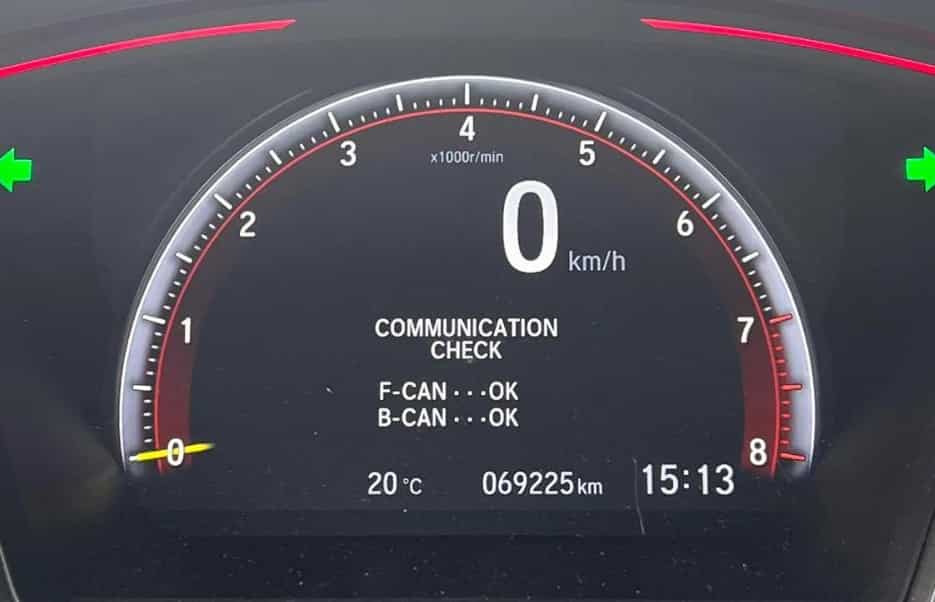
What Does the Honda U0122 Code Mean?
Honda U0122 is a generic OBD-II network communication code. It indicates that one or more control modules can no longer receive data from the vehicle dynamics control system. On many Honda models, this system operates through the Vehicle Stability Assist (VSA) modulator-control unit. The module exchanges real-time information with the Powertrain Control Module, the Anti-lock Braking System and other electronic controllers through the F-CAN network. When that communication stops, the affected modules detect the interruption and store the U0122 code.
Unlike engine or transmission fault codes, U0122 does not identify a failed mechanical component. Instead, it reports that communication between electronic modules has become unreliable or has stopped completely. In many cases, the VSA module still functions correctly. However, another electrical problem prevents it from sending or receiving data. Low battery voltage, a blown fuse, poor ground connections or damaged CAN wiring often create the same fault. Therefore, technicians should verify the electrical system before replacing any control module.
The description of U0122 can also vary between diagnostic tools. Generic scan tools may display Lost Communication With Vehicle Dynamics Control Module, while Honda service information often refers to the VSA modulator-control unit. Although the names differ, both descriptions point to the same communication problem. Understanding this difference helps prevent confusion during diagnosis and allows technicians to follow the correct repair procedure for the specific Honda model.
The U0122 code should always be diagnosed together with other stored trouble codes. Additional network or voltage-related codes often reveal why communication failed in the first place. A complete system scan provides valuable clues and helps identify the root cause much faster than focusing on U0122 alone.
What Symptoms Can the Honda U0122 Code Cause?
The Honda U0122 code usually triggers several warning lights because the vehicle loses communication with the stability control system. In most cases, the VSA warning light appears first. The ABS warning light may also turn on because both systems share important information during normal driving. Some Honda models also illuminate the Check Engine Light or the steering system warning light when the communication fault affects multiple control modules. These warnings inform the driver that one or more electronic safety functions are no longer available.
Most vehicles continue to start and drive after U0122 appears. However, the driving experience may change under demanding conditions. The engine, transmission and hydraulic brakes often operate normally, but the vehicle can lose electronic stability control, traction control and anti-lock braking assistance. As a result, the tires may lose grip more easily on wet roads, loose gravel or icy surfaces. Emergency braking and sharp cornering can also become more difficult because the stability system cannot respond as designed.
Some drivers notice warning lights immediately, while others experience intermittent symptoms. An unstable battery voltage, a loose connector or damaged CAN wiring can interrupt communication for only a few seconds. The control modules record the fault, but the warning lights may disappear after the next engine restart. Even so, the communication problem remains and can return without warning. Ignoring these early signs often allows a minor electrical fault to develop into a more serious network issue.
A complete diagnostic scan provides more information than the warning lights alone. Technicians check every control module to determine which systems remain online and which modules have stopped communicating. This approach helps identify the original fault instead of replacing parts based only on dashboard warnings. Accurate diagnosis also reduces repair time and prevents unnecessary replacement of expensive electronic components.
What Are the Most Common Causes of Honda U0122?
Several electrical faults can trigger the Honda U0122 code. In most cases, the problem does not originate from a failed VSA module. Instead, the communication network loses a stable connection because another component interrupts the data flow. For this reason, technicians begin with the simplest electrical checks before considering control module replacement.
A weak battery is one of the most common causes. Modern Honda vehicles depend on stable system voltage to keep every control module online. When battery voltage drops during engine startup, the VSA module may shut down for a short time or restart unexpectedly. Other modules detect the interruption and store the U0122 code even though the VSA unit remains functional. A failing alternator can create similar symptoms because it cannot maintain the correct charging voltage while the engine is running.
Power supply problems also lead to communication failures. A blown fuse, a loose ground connection or a damaged power wire can disconnect the VSA module from the network. Corrosion inside electrical connectors creates another common issue. Moisture, road salt and engine heat gradually increase electrical resistance. As resistance rises, the module struggles to send or receive reliable CAN signals. Intermittent faults often begin this way before they become permanent.
Damaged CAN bus wiring is another major cause of U0122. An open circuit, a short to ground or a short to battery voltage can interrupt communication between multiple control modules. Wiring damage often develops after collision repairs, rodent activity or long-term vibration inside the engine compartment. In some cases, several communication codes appear together because the same wiring fault affects more than one module.
Although an internal VSA module failure is possible, it is usually the last possibility to investigate. A professional diagnosis should always confirm proper battery voltage, power supply, ground integrity and CAN network communication before replacing the module. This systematic approach reduces unnecessary repair costs and significantly improves diagnostic accuracy.
Is It Safe to Drive a Honda With the U0122 Code?
A Honda can often continue to drive after the U0122 code appears. However, that does not mean the vehicle remains fully safe. The code indicates a communication failure within the stability control system, and that failure can disable several electronic safety features. Although the engine may run normally, the vehicle can lose assistance from the Anti-lock Braking System (ABS), Vehicle Stability Assist (VSA) and traction control. These systems play an important role during emergency situations and low-traction driving conditions.
Many drivers notice little difference during everyday commuting. Dry roads and normal traffic rarely require electronic stability intervention. The situation changes when road conditions become challenging. Heavy rain, snow, loose gravel and sharp corners increase the risk of wheel slip. Without VSA or traction control, the vehicle cannot react as quickly to maintain stability. Likewise, a disabled ABS system reduces braking performance during hard stops because the wheels can lock more easily.
The warning lights on the dashboard also provide valuable information about driving safety. Yellow warning lights usually indicate that the vehicle can still operate with reduced electronic assistance. In contrast, a red brake warning light requires immediate attention. Drivers should also stop the vehicle if they notice a soft brake pedal, poor braking performance, unusual steering behavior or repeated electrical failures. Continuing to drive under these conditions increases the risk of an accident and may cause additional damage to the electrical system.
The safest approach is to diagnose the problem as soon as possible. If the vehicle drives normally and only yellow warning lights appear, a short trip to a repair facility is generally reasonable. Even then, drivers should avoid high speeds, aggressive cornering and slippery roads until technicians identify and repair the communication fault. Prompt diagnosis helps restore every safety system and prevents intermittent electrical problems from becoming permanent failures.
How Do You Diagnose the Honda U0122 Code?
Accurate diagnosis always begins with a complete system scan. Technicians connect a Honda-compatible scan tool and check every control module instead of reading the engine module alone. This process reveals which modules remain online and which ones have stopped communicating. It also exposes related trouble codes that often explain why U0122 appeared. Battery voltage codes, ABS faults and additional communication codes can significantly narrow the diagnostic path.
The next step focuses on the vehicle’s electrical system. Technicians inspect the battery before performing any network tests because unstable voltage frequently causes temporary communication failures. They verify battery condition, charging voltage and terminal connections. They also inspect the main fuses and confirm that the VSA modulator-control unit receives proper power and ground. Even a small amount of corrosion or a loose ground strap can interrupt communication between control modules.
After confirming the power supply, technicians evaluate the F-CAN network. They inspect the wiring harness for abrasion, moisture damage and loose connectors. They also test the CAN High and CAN Low circuits for continuity, excessive resistance and short circuits. If the network passes every electrical test, the scan tool can determine whether the VSA module still responds to diagnostic commands. This information helps separate a wiring problem from an internal module failure.
Intermittent faults require additional investigation because they rarely appear during a single inspection. Technicians often review freeze-frame data and repeat the scan after a road test to reproduce the failure. They may also move sections of the wiring harness while monitoring network communication. If the connection drops during this test, they can quickly identify the damaged circuit or connector. A structured diagnostic process saves time, reduces unnecessary repairs and confirms the true cause before any parts are replaced.
How Do You Fix the Honda U0122 Code?
The correct repair depends on the root cause of the communication failure. For that reason, technicians never replace parts immediately after reading the U0122 code. They first verify the electrical system and confirm which component has stopped the VSA module from communicating. This approach eliminates guesswork and prevents unnecessary repair costs.
Many repairs begin with simple electrical corrections. Technicians may charge or replace a weak battery if testing shows unstable voltage. They also tighten battery terminals, replace damaged fuses and clean corroded ground connections. These repairs restore a stable power supply and often resolve intermittent communication faults. If the problem remains, technicians inspect the wiring harness and electrical connectors for moisture, loose terminals or damaged insulation. Repairing a faulty CAN circuit frequently restores normal communication without replacing the control module.
Software also plays an important role in some repairs. Honda occasionally releases updated calibration files to improve module performance or correct known communication issues. When service information recommends a software update, technicians reprogram the affected module before considering hardware replacement. This step ensures that outdated software does not create symptoms that resemble an electrical fault.
Control module replacement becomes necessary only after every previous test confirms normal power, ground and network communication. Even then, installing a new VSA modulator-control unit is only part of the repair. Most Honda models require additional programming, system initialization and calibration before the new module can operate correctly. Technicians also clear every stored diagnostic code and perform a final road test to confirm stable communication across the F-CAN network. This verification ensures that the original fault has been eliminated instead of temporarily hidden.
How Much Does It Cost to Repair Honda U0122?
The cost to repair the Honda U0122 code depends on the actual cause of the communication failure. A simple electrical problem costs much less to repair than a failed control module. For this reason, an accurate diagnosis is the most valuable part of the repair process. Identifying the root cause early helps avoid unnecessary parts replacement and reduces total repair expenses.
Minor electrical repairs usually require the lowest investment. A weak battery, a corroded terminal or a damaged fuse often takes little time to diagnose and repair. Fixing a loose ground connection or cleaning an electrical connector can also restore communication without replacing expensive components. Although these repairs appear simple, they often eliminate the fault completely when technicians identify them early.
Repair costs increase when the problem involves the F-CAN wiring harness. Locating a damaged wire or an intermittent connection can take considerable time because technicians must inspect the entire communication circuit. The repair becomes more expensive if the damaged section is hidden behind the dashboard, inside the engine compartment or beneath the vehicle. Labor often represents a larger portion of the final bill than the replacement parts themselves.
The highest repair cost usually involves replacing the VSA modulator-control unit. Besides installing the new module, technicians must program it with Honda-compatible diagnostic equipment and complete any required calibration procedures. They then clear all stored trouble codes and perform a road test to verify normal communication across the network. Although this repair costs more than basic electrical work, it should only become necessary after technicians rule out battery, wiring, fuse and ground problems through a complete diagnostic procedure.
Can You Diagnose Honda U0122 at Home?
You can perform several basic checks at home before visiting a repair shop. A quality scan tool allows you to read stored trouble codes and determine whether other communication faults appear with U0122. You should also inspect the battery terminals for corrosion and make sure they remain clean and secure. Checking the battery voltage and looking for damaged fuses can reveal simple electrical problems before they develop into larger network failures.
A visual inspection may also uncover obvious wiring damage. Look for loose connectors, broken wire insulation or signs of moisture around the VSA modulator-control unit and nearby electrical components. Rodent damage, previous repair work and excessive heat can all affect the wiring harness. Although these problems seem minor, they often interrupt communication between control modules and trigger network-related diagnostic codes.
Some diagnostic procedures require professional equipment and technical experience. Testing the F-CAN network involves measuring circuit continuity, voltage and resistance under specific conditions. Technicians may also use advanced scan tools to monitor live communication data or perform bidirectional control tests. These procedures help confirm whether the fault originates from the wiring, the power supply or the control module itself. Most home mechanics do not have access to this equipment.
Avoid replacing the VSA module based only on the stored code. Many owners make this mistake because the code description appears to identify the failed component. In reality, the communication failure often begins elsewhere in the electrical system. A careful inspection, combined with a complete diagnostic scan, provides a much more reliable repair strategy. This approach reduces unnecessary expenses and increases the chance of fixing the problem correctly on the first attempt.
Which Honda Models Can Store the U0122 Code?
The Honda U0122 code can appear on many vehicles that use a Controller Area Network (CAN) to connect electronic control modules. Although the code has the same general meaning across different models, the diagnostic process may vary because each platform uses a different network layout, wiring design and module configuration. Understanding these differences helps technicians locate the fault more efficiently and avoid replacing the wrong component.
Several popular Honda models can store the U0122 code. These include the Honda Accord, Civic, CR-V, HR-V, Pilot, Odyssey, Ridgeline, Fit and Insight. Each model uses a Vehicle Stability Assist (VSA) system, but the location of the VSA modulator-control unit, fuse box and communication connectors may differ. Some vehicles also include additional driver assistance systems that increase the number of modules connected to the F-CAN network. As a result, one communication fault can affect multiple systems at the same time.
Vehicle age also influences the diagnostic procedure. Older Honda models often use a simpler network architecture with fewer electronic modules. Newer models rely on more advanced communication systems and exchange a larger amount of real-time data. This design improves vehicle performance and safety, but it also creates more potential communication paths that technicians must inspect during diagnosis.
For the best results, technicians should always identify the exact model year, engine type and trim level before beginning repairs. Honda updates wiring diagrams, connector locations and software calibrations throughout each generation. Using the correct service information reduces diagnostic time and ensures that every test follows the specifications for the vehicle being repaired. This approach improves repair accuracy and helps restore reliable communication across the entire electronic control system.
How Is Honda U0122 Different From Related Communication Codes?
Honda U0122 belongs to the family of network communication diagnostic trouble codes, but it targets a specific control module. The code indicates that one or more modules have lost communication with the vehicle dynamics control system, which Honda commonly identifies as the VSA modulator-control unit. Other communication codes follow the same principle, yet they involve different controllers. Understanding these differences helps technicians avoid unnecessary repairs and focus on the correct part of the network.
For example, U0100 reports a communication failure with the Powertrain Control Module, while U0121 refers to the ABS control module. U0126 points to the steering angle sensor module, and U0155 involves the instrument panel control module. Although each code identifies a different module, they often share the same root causes. A weak battery, poor ground connection, damaged CAN wiring or a failed power supply can interrupt communication with several modules at the same time. As a result, multiple U-codes may appear during a single diagnostic scan.
Technicians should never diagnose U0122 as an isolated fault. Instead, they should compare every stored communication code and identify the modules that remain online. This comparison often reveals whether the problem affects one controller or an entire section of the F-CAN network. If several unrelated modules stop communicating simultaneously, the fault usually involves a shared power supply, a common ground or a damaged network circuit rather than multiple failed control modules.
Reading the complete diagnostic picture also reduces repair time. A single communication code rarely tells the entire story, but the combination of stored codes, live data and network status often points directly to the root cause. Following this method allows technicians to repair the actual fault instead of replacing electronic modules that still operate correctly.
How Can You Prevent Honda U0122 From Returning?
Although no maintenance routine can prevent every communication fault, regular electrical system inspections greatly reduce the risk of recurring U0122 codes. Modern Honda vehicles rely on stable voltage and reliable network communication. Even a minor electrical problem can interrupt data transmission and trigger multiple warning lights. Preventive maintenance helps detect these issues before they affect the VSA system or other control modules.
Battery maintenance should remain a top priority. A healthy battery supplies consistent voltage during engine startup and normal driving. Drivers should also inspect the battery terminals regularly and remove corrosion before it creates excessive resistance. Clean electrical connections improve current flow and reduce the chance of intermittent communication failures. Charging system inspections are equally important because a weak alternator can produce unstable voltage that affects several electronic modules.
The wiring harness also deserves regular attention. Moisture, vibration and engine heat gradually damage connectors and wire insulation over time. Inspecting these areas after collision repairs, engine work or rodent activity helps identify hidden problems before they become permanent. Replacing damaged clips and securing loose wiring also prevents unnecessary movement that may wear through insulation.
Drivers should never ignore warning lights that appear without an obvious reason. Intermittent electrical faults often become more severe if they remain unresolved. A professional inspection at the first sign of a communication problem usually costs less than repairing extensive wiring damage or replacing a control module later. Routine maintenance and early diagnosis remain the most effective ways to keep the Honda electronic control system operating reliably.
Conclusion
The Honda U0122 code indicates a communication problem within the vehicle’s electronic control network, not an automatic failure of the VSA modulator-control unit. In many cases, the root cause lies in the electrical system rather than the control module itself. Low battery voltage, poor ground connections, damaged wiring and corroded connectors remain the most common reasons for lost communication. Identifying these issues first helps avoid unnecessary repairs and reduces overall repair costs.
A structured diagnostic process always delivers the most reliable results. Technicians should begin with a complete system scan, verify battery and charging system performance, inspect power and ground circuits, and test the F-CAN network before considering module replacement. This method isolates the actual fault, improves repair accuracy and restores communication across the vehicle’s electronic systems.
If your Honda stores the U0122 code, avoid clearing the code or replacing parts without proper testing. A professional diagnosis saves time, prevents misdiagnosis and ensures that every safety system operates as designed. Once the underlying fault has been repaired, clear the stored codes and complete a road test to confirm stable network communication and normal VSA operation.