The Honda CR-V Auto High Beam problem happens when the automatic high beam system stops working correctly. Drivers may notice that the high beams do not turn on, turn off unexpectedly, or show a warning message on the dashboard. The issue usually comes from the camera sensor, electrical system, software settings, or calibration problems.
Honda CR-V models use the Auto High Beam system as part of Honda Sensing technology. The system uses a forward-facing camera near the windshield. This camera detects headlights, street lights, and driving conditions. The system then controls the high beam operation automatically.
A malfunction does not always mean the headlights have failed. Simple issues, such as a dirty camera area or incorrect settings, can interrupt the system. Other cases may involve battery voltage problems, sensor faults, or calibration errors.
This guide explains why Honda CR-V Auto High Beam problems happen and how to fix them. It covers common causes, diagnostic steps, reset methods, and repair situations. These details help CR-V owners understand the system and choose the right solution.
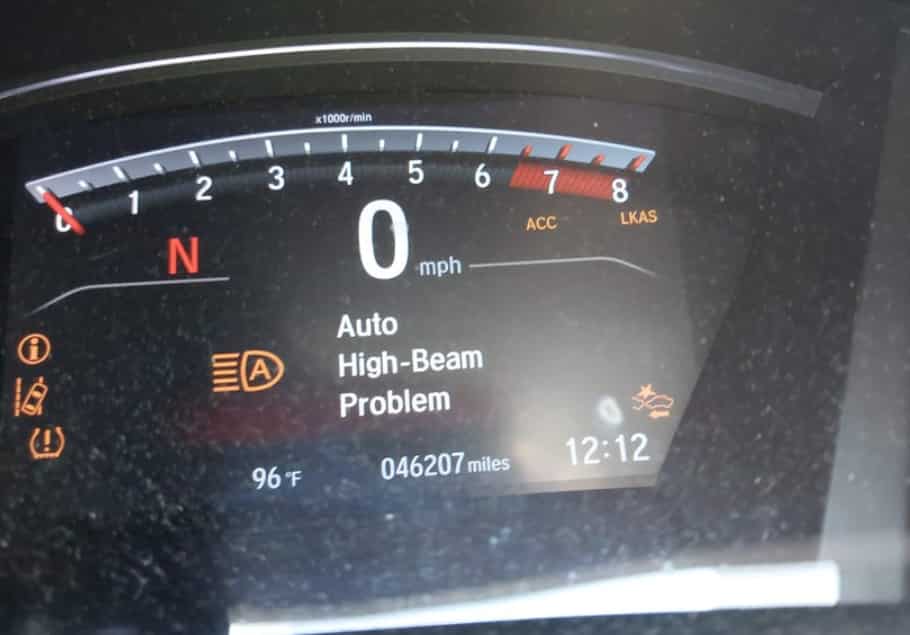
Why Is My Honda CR-V Auto High Beam Not Working?
The Honda CR-V Auto High Beam system stops working when the vehicle cannot complete the conditions required for automatic high beam control. The system needs a clear camera view, correct settings, and proper electrical operation to switch between high beam and low beam. When one of these elements fails, the vehicle may disable the function.
The most common signs of an Auto High Beam problem include the high beam not activating at night, the system turning off without a clear reason, or the Auto High Beam indicator not appearing on the dashboard. These symptoms show that the system cannot process the information needed for automatic lighting control.
A dirty or blocked forward-facing camera is one of the most frequent causes of failure. The camera sits near the top of the windshield and detects light sources, vehicles, and road conditions. Dirt, moisture, ice, or objects covering this area can reduce camera accuracy and prevent the system from working correctly.
Incorrect vehicle settings can also stop the Auto High Beam function. The driver must activate the feature through the lighting controls and enable the related settings in the vehicle menu. If the system was disabled manually or reset after maintenance, the feature may not operate until the settings are restored.
Electrical problems can create similar symptoms. Low battery voltage, damaged wiring, or a faulty control module can interrupt communication between the camera, lighting system, and vehicle computer. In these cases, the headlights may work normally in manual mode while the automatic function remains unavailable.
A Honda CR-V Auto High Beam problem does not always require expensive repairs. Checking the camera area, reviewing vehicle settings, and restarting the system can solve simple issues. However, repeated failures or warning messages usually require further diagnosis with professional scanning equipment.
What Causes Honda CR-V Auto High Beam Problems?
Honda CR-V Auto High Beam problems usually come from three main areas: camera sensor issues, electrical failures, and software or calibration errors. The Auto High Beam system depends on multiple components working together. A failure in one component can prevent the system from detecting road conditions and controlling the headlights correctly.
The forward-facing camera sensor is one of the most important components in the Honda CR-V Auto High Beam system. The camera analyzes light conditions, approaching vehicles, and traffic patterns before activating or disabling the high beams. When the camera cannot collect accurate information, the system may stop working to avoid incorrect headlight operation.
A blocked or dirty camera area can cause automatic high beam failure. The camera is usually located behind the windshield near the rearview mirror. Dust, fingerprints, fog, snow, or stickers can interfere with the camera view. Cleaning the windshield area around the camera can restore normal operation when the problem comes from visibility issues.
Battery and electrical problems can also affect Auto High Beam performance. The Honda CR-V uses electronic control modules to manage lighting functions and driver assistance systems. A weak battery, unstable voltage, damaged wiring, or a faulty fuse can interrupt communication between these components. The vehicle may still operate normally, but advanced lighting features may become unavailable.
Software issues and camera calibration errors create another common cause of Auto High Beam problems. The camera requires accurate positioning and proper calibration to identify objects and lighting conditions. Windshield replacement, collision repairs, or camera removal can change the sensor position. In these situations, the system may require professional calibration before it works correctly again.
Understanding the cause of the problem helps CR-V owners avoid unnecessary part replacements. A camera cleaning procedure will not fix a damaged electrical module, and a software reset will not correct a camera that needs calibration. Proper diagnosis ensures the correct repair method.
How Do You Diagnose a Honda CR-V Auto High Beam Problem?
Diagnosing a Honda CR-V Auto High Beam problem requires checking the system components in the correct order. The goal is to identify whether the issue comes from a simple obstruction, incorrect settings, electrical failure, or a sensor-related problem. A structured diagnosis prevents unnecessary repairs and helps determine the correct solution.
The first step is to inspect the forward-facing camera area. The camera is located behind the windshield near the rearview mirror and controls important Honda Sensing functions. Check the glass surface around the camera for dirt, moisture, stickers, cracks, or other objects that block visibility. Clean the area with a soft cloth and test the Auto High Beam function again during nighttime driving.
The next step is to check the vehicle settings and lighting controls. The Auto High Beam function requires the correct switch position and activation settings. Make sure the headlight switch is in the appropriate mode and confirm that the feature remains enabled in the vehicle settings menu. A disabled setting can make the system appear faulty when the hardware works normally.
Battery condition and electrical connections should also be inspected. The Auto High Beam system depends on stable power from the vehicle electrical system. A weak battery or unstable voltage can affect electronic control modules and create temporary system failures. Checking battery voltage helps identify whether the problem comes from power supply issues.
An OBD diagnostic scan becomes necessary when basic checks do not solve the problem. Diagnostic equipment can read fault codes from the lighting control system, Honda Sensing module, or camera system. These codes help technicians identify problems such as sensor communication failures or calibration requirements.
A proper diagnosis separates simple maintenance issues from complex repairs. Cleaning a sensor, adjusting settings, or restarting the vehicle may solve minor problems. However, persistent warnings or repeated failures usually indicate a deeper issue that requires professional inspection.
How Do You Reset Honda CR-V Auto High Beam System?
Resetting the Honda CR-V Auto High Beam system can solve temporary software errors and settings-related problems. A reset allows the vehicle control modules to restart and recheck communication between the camera sensor, lighting system, and electronic controls. However, a reset cannot repair damaged components or fix calibration problems.
The first reset method is a basic vehicle restart. Turn off the ignition, remove the key or switch off the power system, and wait for a short period before restarting the vehicle. This process allows the electronic control modules to refresh their current status. After restarting, test the Auto High Beam function in suitable nighttime driving conditions.
Checking the Auto High Beam settings is another important reset step. The system may stop working if the feature was disabled through the vehicle settings menu or after a maintenance procedure. Confirm that the lighting controls and Honda Sensing settings are active before testing the system again.
Disconnecting the battery can perform a deeper power reset in some situations. Removing the battery connection temporarily cuts power to the vehicle control modules and may clear minor electronic glitches. However, this method can also reset other vehicle settings, such as clock preferences and stored configurations. It should not replace proper diagnosis when the problem continues.
Some Honda CR-V Auto High Beam problems require camera calibration after a reset. Calibration becomes necessary when the windshield has been replaced, the camera position has changed, or collision repairs have affected sensor alignment. The camera must detect road conditions accurately for the system to operate safely.
A successful reset depends on the cause of the problem. Temporary software issues may disappear after restarting the vehicle, while sensor failures or electrical problems need additional repairs. If the Auto High Beam warning returns after resetting, further inspection is required.
How Much Does It Cost to Fix Honda CR-V Auto High Beam Problems?
The cost to fix a Honda CR-V Auto High Beam problem depends on the failed component and the level of diagnosis required. Simple issues, such as a blocked camera area or incorrect settings, may require no repair cost. More complex problems involving sensors, electrical components, or calibration can require professional service and replacement parts.
A camera cleaning procedure is usually the lowest-cost solution because it only requires removing dirt or obstruction from the windshield area. If the system works again after cleaning, the problem comes from limited camera visibility rather than a damaged component. Regular windshield maintenance can prevent this type of failure.
Battery or electrical repairs usually cost more because technicians need to inspect the vehicle power system. A weak battery, damaged fuse, or wiring issue can affect communication between the lighting system and electronic control modules. The final repair cost depends on whether the problem requires adjustment, replacement, or additional electrical testing.
Camera calibration creates a higher repair cost because it requires specialized equipment and technical procedures. Honda CR-V models that receive windshield replacement or front-end collision repairs may need camera recalibration to restore Honda Sensing functions. An incorrectly aligned camera can affect not only Auto High Beam operation but also other driver assistance features.
Replacing a failed camera sensor or control module is usually the most expensive repair option. These components contain advanced electronics and often require programming after installation. The repair price depends on the vehicle model year, replacement part availability, and whether the service uses OEM components.
Before replacing expensive parts, proper diagnosis is essential. Many Honda CR-V Auto High Beam problems come from simple causes that do not require component replacement. A diagnostic inspection helps identify the actual failure and prevents unnecessary repair costs.
Can You Drive a Honda CR-V With Auto High Beam Problems?
A Honda CR-V with an Auto High Beam problem can usually continue driving, but the driver assistance function may not work correctly. The vehicle can still operate with manual headlight control in most situations. However, the driver loses the convenience and safety support provided by automatic high beam switching.
The main impact of an Auto High Beam failure is reduced nighttime lighting assistance. The system normally detects surrounding vehicles and adjusts the high beam automatically to improve visibility without creating glare for other drivers. When the system fails, the driver must manually control the high beams based on road conditions.
A vehicle with this problem requires more attention during night driving. The driver needs to monitor traffic, weather conditions, and visibility changes without relying on automatic adjustments. This becomes more important when driving on rural roads, highways, or areas with limited street lighting.
Some situations require immediate inspection instead of continued driving. A warning message related to Honda Sensing, repeated system failures, or problems with other driver assistance features may indicate a larger sensor or electrical issue. These problems can affect multiple safety systems that rely on the same camera technology.
Driving with a failed Auto High Beam system is different from driving with failed headlights. If the headlights work normally in manual mode, the vehicle still provides basic road illumination. However, ignoring repeated Auto High Beam warnings can allow a small sensor or electrical problem to develop into a more complex repair.
Honda CR-V owners should check the system as soon as possible when the failure happens repeatedly. Early diagnosis can identify simple problems, such as camera obstruction or settings errors, before they require more expensive repairs.
How Can You Prevent Honda CR-V Auto High Beam Problems?
Preventing Honda CR-V Auto High Beam problems requires regular maintenance of the camera system, electrical components, and vehicle settings. The Auto High Beam function depends on accurate information from sensors and stable communication between electronic modules. Proper maintenance reduces the risk of system interruptions and unnecessary repairs.
Keeping the forward-facing camera area clean is one of the most effective prevention methods. The camera relies on a clear view through the windshield to detect headlights, street lights, and other vehicles. Dust, fingerprints, water stains, and windshield damage can reduce detection accuracy. Cleaning the area around the camera regularly helps maintain reliable system performance.
Maintaining battery health also protects the Auto High Beam system. The vehicle uses electronic control modules to manage lighting and Honda Sensing functions. A weak battery can create unstable voltage and affect communication between these systems. Checking battery condition during routine maintenance helps prevent unexpected electronic failures.
Regular inspection of the headlight system can identify potential issues before they affect automatic operation. Drivers should check whether both headlights work correctly, monitor dashboard warning messages, and pay attention to changes in lighting behavior. Early detection allows simple repairs before problems become more complicated.
Honda CR-V owners should also perform proper calibration after specific repairs. Windshield replacement, front collision repairs, or camera removal can change the position of the sensor. A misaligned camera may cause incorrect detection and disable Auto High Beam operation. Professional calibration ensures that the system receives accurate information.
Software updates can also improve system reliability in some cases. Vehicle manufacturers release updates to improve electronic system performance and correct known issues. Keeping the vehicle software current helps maintain compatibility between the camera, control modules, and lighting system.
Preventive maintenance does not guarantee that Auto High Beam problems will never occur, but it reduces common failure causes. A clean camera, healthy battery, correct calibration, and regular inspections help the Honda CR-V Auto High Beam system operate more consistently.
How Does Honda CR-V Auto High Beam System Work?
The Honda CR-V Auto High Beam system works by using a forward-facing camera and electronic control systems to adjust the vehicle lighting automatically. The system monitors the road environment and determines when to activate or deactivate the high beams. This process helps drivers maintain better visibility at night while reducing glare for other road users.
The forward-facing camera is the main sensor that allows the system to understand driving conditions. It detects light sources such as approaching headlights, vehicles ahead, and surrounding brightness levels. The camera sends this information to the vehicle control system, which decides whether the high beams should remain active or switch to low beam.
The system follows specific operating conditions before activating the high beams. The vehicle usually needs to travel in a dark environment with the headlight switch in the correct position. When the camera detects sufficient darkness and no conflicting light sources, the system allows automatic high beam operation.
The Auto High Beam function also works with Honda Sensing technology. Honda Sensing combines multiple driver assistance features that use cameras and electronic controls to improve driving safety. Because Auto High Beam shares components with other assistance systems, camera problems or calibration errors can affect multiple functions.
The system disables automatic high beam operation when it cannot confirm accurate information. For example, a dirty windshield area, extreme weather conditions, or sensor misalignment can reduce camera performance. In these situations, the vehicle may turn off the feature to prevent incorrect lighting decisions.
Understanding how the Honda CR-V Auto High Beam system works helps owners identify problems more accurately. A failure does not always indicate a broken headlight. The issue may come from the sensor, settings, software, or communication between electronic components.
Conclusion: Honda CR-V Auto High Beam Problem: Final Overview
The Honda CR-V Auto High Beam problem usually comes from system communication issues rather than a simple headlight failure. The most common causes include a blocked camera sensor, incorrect settings, weak battery voltage, electrical faults, and camera calibration problems. Identifying the correct cause helps owners choose the right solution without replacing unnecessary parts.
Basic checks can solve many minor issues. Cleaning the windshield area near the forward-facing camera, confirming vehicle settings, and restarting the system can restore normal operation in some cases. However, repeated failures, warning messages, or problems after windshield replacement often require professional diagnosis and calibration.
The Auto High Beam system is an important part of the Honda CR-V lighting and Honda Sensing technology. It improves nighttime visibility by automatically controlling high beam operation based on road conditions and surrounding traffic. Maintaining the camera area, electrical system, and software updates helps the system work more reliably.
When the system stops working, drivers should focus on accurate diagnosis instead of immediate component replacement. Understanding how the Honda CR-V Auto High Beam system works allows owners to identify simple maintenance issues, recognize serious faults, and maintain safer driving conditions.