Seeing a Honda Odyssey Check Engine Light Flashing while driving can be alarming, especially if the engine suddenly begins to shake, hesitate, or lose power. Unlike a steady check engine light that often signals a less urgent emissions or engine management issue, a flashing warning usually indicates an active engine misfire. This means one or more cylinders are failing to burn the air and fuel mixture correctly. As a result, unburned fuel can enter the exhaust system and quickly overheat the catalytic converter. If ignored, the problem may lead to expensive repairs that could have been prevented with early diagnosis.
Although a flashing warning light often feels like the beginning of a major engine failure, the underlying cause is not always severe. In many Honda Odyssey models, worn spark plugs, failing ignition coils, clogged fuel injectors, or vacuum leaks are among the most common reasons for engine misfires. However, more complex mechanical problems such as low compression or valve train issues can produce similar symptoms. Because several different faults may trigger the same warning, replacing parts without proper testing rarely solves the problem and often increases repair costs.
This guide explains everything you need to know about a Honda Odyssey Check Engine Light Flashing, including what the warning means, whether it is safe to continue driving, the most common symptoms and causes, proven diagnostic methods, effective repair solutions, estimated repair costs, and practical maintenance tips to help prevent the issue from returning. By understanding the warning signs and addressing the root cause as early as possible, you can protect your engine, avoid unnecessary expenses, and keep your Honda Odyssey operating safely and reliably.
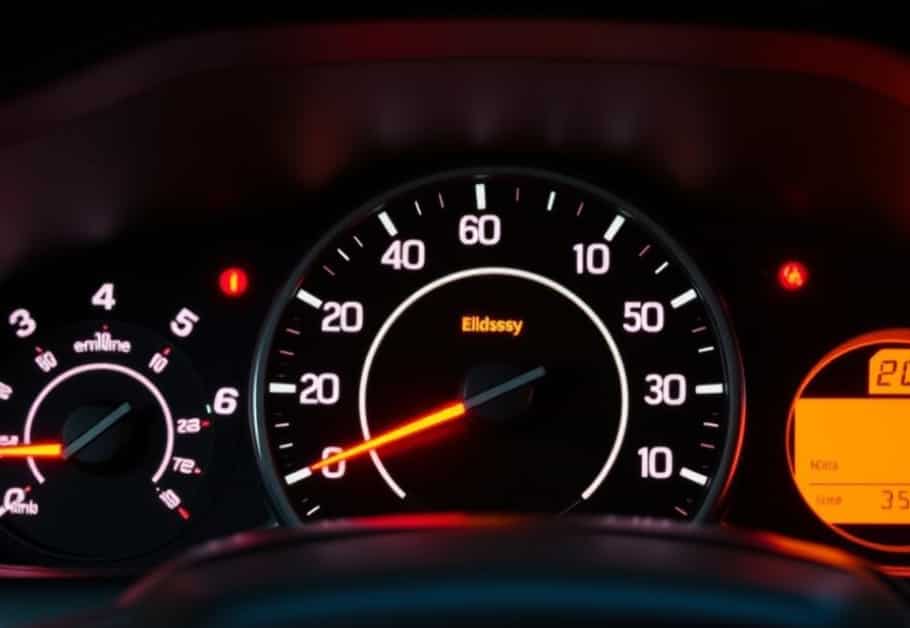
What Does a Flashing Check Engine Light Mean on a Honda Odyssey?
A Honda Odyssey Check Engine Light Flashing is one of the most serious dashboard warnings you can see. It usually signals an active engine misfire instead of a minor engine fault. Unlike a steady check engine light, a flashing warning requires immediate attention. Ignoring it can quickly lead to expensive engine or exhaust repairs.
An engine misfire happens when one or more cylinders fail to burn the air and fuel mixture correctly. Instead of producing power, the cylinder sends unburned fuel into the exhaust system. This extra fuel raises the temperature inside the catalytic converter. As the temperature increases, the converter can overheat and suffer permanent damage. The longer the engine continues to misfire, the greater the risk of costly repairs.
The engine control module constantly monitors combustion, crankshaft speed, ignition timing, and fuel delivery. When it detects repeated misfires, it records a diagnostic trouble code and activates the flashing warning light. At the same time, you may notice rough idling, poor acceleration, engine shaking, reduced power, or a strong fuel smell. These symptoms often become more severe as the misfire continues.
Although an engine misfire is the most common cause of a Honda Odyssey Check Engine Light Flashing, it does not identify the failed part. Worn spark plugs, weak ignition coils, clogged fuel injectors, vacuum leaks, low fuel pressure, and internal engine damage can all trigger the same warning. Therefore, you should never replace parts based on guesswork alone. Instead, scan the diagnostic codes and inspect the engine step by step. A proper diagnosis saves money, prevents unnecessary repairs, and helps restore reliable engine performance.
Is It Safe to Drive with a Flashing Check Engine Light?
A Honda Odyssey Check Engine Light Flashing is a warning that you should never ignore. In most cases, the vehicle is telling you that the engine is misfiring under load or during normal operation. Even if the Odyssey still drives, continuing your trip can make the problem much worse. The longer the misfire lasts, the greater the chance of damaging the catalytic converter and other engine components.
Your first priority is to pay attention to how the vehicle feels. If the engine shakes violently, struggles to accelerate, stalls, or makes unusual noises, reduce your speed as soon as it is safe to do so. Then move to the side of the road and turn off the engine. Driving with severe misfire symptoms may increase repair costs and leave you stranded. Calling roadside assistance is often the safest choice when the warning continues to flash.
Some drivers notice that the flashing light disappears after restarting the engine. This does not mean the problem has been fixed. An intermittent ignition or fuel system fault may stop temporarily before returning under different driving conditions. The engine control module usually stores diagnostic trouble codes even after the warning light goes away. Reading these codes can help identify the affected cylinder or system before the condition becomes more serious.
If the engine runs smoothly and the flashing lasts only a few seconds, you may be able to drive a short distance to a nearby repair shop. However, avoid heavy acceleration, towing, or high speed driving. Keeping engine load low reduces the chance of additional damage while you seek professional diagnosis. Acting quickly is the best way to protect your Honda Odyssey, lower repair costs, and prevent a minor fault from becoming a major engine repair.
Common Symptoms That Accompany a Flashing Check Engine Light
A Honda Odyssey Check Engine Light Flashing rarely appears by itself. In most cases, the warning comes with noticeable changes in engine performance. These symptoms provide valuable clues about the underlying problem and help narrow down the possible causes. Paying close attention to how the vehicle behaves can make the diagnostic process faster and more accurate.
Engine shaking is one of the most common signs of an active misfire. The vibration may be mild at first, but it often becomes stronger as the problem worsens. You may also notice rough idling when the vehicle is stopped at a traffic light. During acceleration, the engine may hesitate, stumble, or respond more slowly than usual. These symptoms occur because one or more cylinders fail to produce enough power.
Many drivers also experience reduced engine performance while climbing hills or merging onto a highway. The vehicle may feel sluggish even when the accelerator is pressed firmly. At the same time, fuel consumption can increase because the engine works harder to maintain speed. Some vehicles produce a noticeable fuel smell from the exhaust, while others emit popping sounds caused by incomplete combustion. In more severe cases, the VSA warning light may illuminate together with the flashing check engine light because the stability control system detects inconsistent engine output.
Not every Honda Odyssey displays the same combination of symptoms. Some vehicles misfire only during cold starts, while others show problems only under heavy acceleration. A few models may even run normally for short periods before the warning returns. Because these symptoms often overlap, they should never be used as the only basis for replacing parts. Instead, combine them with diagnostic trouble codes and a systematic inspection to identify the true cause. This approach improves repair accuracy and helps prevent unnecessary expenses.
The Most Common Causes of a Flashing Check Engine Light
A Honda Odyssey Check Engine Light Flashing almost always indicates that the engine is struggling to maintain proper combustion. While the warning often points to an engine misfire, the root cause can come from several different systems. Understanding these possibilities helps you focus on accurate diagnosis instead of replacing parts at random. In most cases, the problem begins with the ignition system, fuel delivery system, air intake system, or internal engine components.
Ignition system failures are among the most common causes of a flashing warning light. Worn spark plugs may no longer create a strong spark, while weak ignition coils can fail to ignite the air and fuel mixture under load. As combustion becomes inconsistent, the affected cylinder loses power and the engine starts to shake. Many Honda Odyssey models develop these symptoms gradually before the warning light begins flashing during acceleration.
Fuel and air delivery problems can produce similar symptoms. A clogged fuel injector may reduce the amount of fuel entering the cylinder, while a leaking injector can supply too much fuel. Vacuum leaks and low fuel pressure also disrupt the air and fuel ratio that the engine needs for efficient combustion. When this balance changes, the engine control module quickly detects repeated misfires and activates the warning light to protect the emissions system.
Mechanical engine problems are less common, but they often require more extensive repairs. Low compression, worn piston rings, burned valves, incorrect valve clearance, or a damaged head gasket can all prevent complete combustion. In some cases, faulty sensors or damaged wiring may send incorrect information to the engine control module and create conditions that resemble a misfire. Because different faults can produce nearly identical symptoms, a complete diagnostic inspection is the only reliable way to identify the true cause and restore normal engine performance.
How to Diagnose the Problem Correctly
Diagnosing a Honda Odyssey Check Engine Light Flashing requires a logical process. Although many drivers suspect bad spark plugs or ignition coils, replacing parts without testing often wastes time and money. A step by step inspection helps identify the real fault and reduces the risk of overlooking a more serious problem.
Start by connecting an OBD2 scanner and reading the stored diagnostic trouble codes. These codes identify the affected system and often point to the cylinder with the misfire. For example, a cylinder specific misfire code helps narrow the search before you begin any repairs. Record every code before clearing them because they provide valuable information during diagnosis.
Next, perform a visual inspection under the hood. Check the ignition coils, spark plug connectors, and wiring harnesses for signs of damage or loose connections. Look for cracked vacuum hoses, damaged air intake components, or oil leaking into the spark plug wells. Even a simple wiring issue can interrupt combustion and trigger a flashing warning light.
If no obvious problem appears, inspect the ignition and fuel systems more closely. Remove the spark plugs and check for excessive wear, carbon buildup, oil deposits, or damaged electrodes. Test the ignition coils if you have the proper equipment. You should also verify that each fuel injector operates correctly and that the fuel pressure meets the manufacturer’s specifications. These tests help determine whether the engine receives the correct spark and fuel supply.
Finally, consider the mechanical condition of the engine. Perform a compression test or leak down test if the previous inspections do not reveal the cause. Low compression, burned valves, or internal engine damage can produce the same symptoms as an ignition failure. By following this structured approach, you can identify the true cause of the problem, avoid unnecessary part replacements, and repair your Honda Odyssey with greater confidence.
Proven Fixes for Honda Odyssey Engine Misfires
The best solution for a Honda Odyssey Check Engine Light Flashing depends on the exact cause of the misfire. Once you complete a proper diagnosis, you can choose the correct repair instead of replacing parts by trial and error. Fixing the underlying problem as early as possible helps restore engine performance and protects the catalytic converter from unnecessary damage.
If worn spark plugs or weak ignition coils cause the misfire, replace the failed components with parts that meet Honda specifications. Many owners replace all spark plugs at the same time because they wear at a similar rate. If one ignition coil has failed on a high mileage vehicle, inspecting the remaining coils is also a good idea. After the repair, clear the diagnostic codes and perform a road test to confirm that the misfire has disappeared.
Fuel system problems require a different approach. Dirty fuel injectors may respond to professional cleaning, while clogged or damaged injectors often need replacement. If fuel pressure is below specification, inspect the fuel pump, fuel filter, and pressure regulator. You should also repair any vacuum leaks because unmetered air can upset the air and fuel mixture and create unstable combustion.
Some repairs require advanced tools and technical experience. Low engine compression, burned valves, timing issues, or internal engine damage cannot be solved by replacing ignition parts alone. These conditions usually require detailed testing and professional repair. Continuing to drive with these faults can increase engine wear and lead to much higher repair costs.
After completing any repair, scan the vehicle again and verify that no new diagnostic trouble codes appear. Allow the engine to reach normal operating temperature and complete a thorough road test under different driving conditions. Confirm that the engine accelerates smoothly, idles steadily, and no longer triggers a flashing warning light. A final verification ensures the repair has solved the root cause instead of only masking the symptoms.
Repair Costs and Factors That Affect Pricing
The cost to repair a Honda Odyssey Check Engine Light Flashing varies because many different problems can trigger the warning. A simple ignition repair is usually affordable, while internal engine damage can become a major expense. Knowing the typical price range helps you prepare your budget and avoid unexpected repair bills.
Replacing worn spark plugs is often the least expensive repair. Ignition coil replacement costs more because each coil is a separate component. Fuel injector service may involve cleaning or replacing one or more injectors, depending on the diagnosis. If the catalytic converter has already suffered damage from prolonged misfires, the total repair cost can increase significantly. Delaying repairs often turns a small problem into a much larger expense.
Labor charges also affect the final bill. Repair costs vary by location, hourly labor rate, and the complexity of the diagnosis. Some faults are easy to identify with an OBD2 scanner, while others require compression testing, fuel pressure testing, or electrical troubleshooting. These additional procedures increase labor time but help prevent unnecessary part replacement.
The table below shows common repair cost estimates for a Honda Odyssey. Actual prices vary by model year, region, and repair shop.
| Repair Item | Estimated Cost |
|---|---|
| Spark plug replacement | $150 to $350 |
| Ignition coil replacement | $150 to $500 |
| Fuel injector cleaning | $100 to $250 |
| Fuel injector replacement | $250 to $800 |
| Fuel pump replacement | $500 to $1,200 |
| Catalytic converter replacement | $1,000 to $2,500 |
| Compression or leak down test | $100 to $300 |
Choosing quality replacement parts and repairing the problem early often reduces the overall cost. More importantly, an accurate diagnosis prevents unnecessary repairs and helps restore reliable engine performance without replacing components that still work properly.
How to Prevent a Flashing Check Engine Light in the Future
Preventing a Honda Odyssey Check Engine Light Flashing is much easier and less expensive than repairing major engine damage. Most engine misfires develop gradually, giving you opportunities to address small problems before they become serious. Following a consistent maintenance schedule helps keep the ignition, fuel, and air intake systems working efficiently.
Replace spark plugs at the service interval recommended for your Honda Odyssey. Worn spark plugs require more voltage to create a strong spark and increase the chance of ignition failure. It is also a good idea to inspect the ignition coils whenever the spark plugs are replaced. Finding a weak coil early can prevent future misfires and improve engine performance.
Use high quality fuel from reputable stations whenever possible. Poor fuel quality may leave deposits inside the fuel injectors and reduce combustion efficiency over time. Regularly replacing the engine air filter also helps maintain the correct air and fuel mixture. In addition, inspect vacuum hoses during routine maintenance because small leaks often develop as rubber components age.
Never ignore early warning signs such as rough idling, hesitation during acceleration, reduced fuel economy, or occasional engine vibration. These symptoms often appear before the check engine light begins flashing. Scheduling a diagnostic inspection at the first sign of trouble can prevent more expensive repairs later. Addressing minor faults early also reduces the risk of damaging the catalytic converter.
Routine maintenance is the most effective way to avoid a Honda Odyssey Check Engine Light Flashing. Regular inspections, timely replacement of wear items, and prompt attention to unusual engine behavior all contribute to long term reliability. By taking a proactive approach, you can extend engine life, reduce repair costs, and enjoy more dependable performance from your Honda Odyssey.
Frequently Asked Questions
Why is my Honda Odyssey check engine light flashing instead of staying on?
A flashing check engine light usually indicates an active engine misfire. The engine control module uses a flashing warning to alert you that unburned fuel may overheat the catalytic converter. A steady light often points to a less urgent emissions or sensor related issue.
Can I drive my Honda Odyssey with a flashing check engine light?
Driving is not recommended if the warning continues to flash. A severe misfire can reduce engine performance and damage the catalytic converter within a short time. If the engine shakes, loses power, or stalls, stop driving as soon as it is safe and arrange for the vehicle to be inspected.
What is the most common cause of a Honda Odyssey check engine light flashing?
The most common causes include worn spark plugs, faulty ignition coils, clogged fuel injectors, vacuum leaks, and low fuel pressure. Internal engine problems, such as low compression or burned valves, can also trigger the same warning. A proper diagnosis is the only way to identify the exact cause.
Will replacing the spark plugs fix the problem?
Replacing the spark plugs can solve the issue if worn plugs caused the engine misfire. However, a flashing warning light may also result from faulty ignition coils, fuel system problems, or mechanical engine damage. Always read the diagnostic trouble codes before replacing any components.
How much does it cost to repair a flashing check engine light?
Repair costs depend on the underlying fault. Replacing spark plugs is usually one of the least expensive repairs, while replacing a catalytic converter or repairing internal engine damage can cost much more. An accurate diagnosis helps avoid unnecessary expenses and ensures the correct repair.
Can a bad ignition coil cause a flashing check engine light?
Yes. A weak or failed ignition coil can prevent the spark plug from igniting the air and fuel mixture. This creates an engine misfire, reduces engine performance, and often triggers a flashing check engine light.
Conclusion
A Honda Odyssey Check Engine Light Flashing is more than a simple dashboard warning. It is a clear sign that the engine requires immediate attention. In most situations, the problem begins with an engine misfire, but the underlying cause may involve the ignition system, fuel delivery system, air intake system, or internal engine components. Responding quickly can prevent additional damage and save you from much higher repair costs.
Throughout this guide, you learned how to recognize the warning signs, understand the most common causes, diagnose the problem correctly, and choose the appropriate repair. You also discovered why routine maintenance plays an important role in preventing future engine misfires. Replacing worn spark plugs on time, using quality fuel, and addressing minor performance issues early can significantly improve the long term reliability of your Honda Odyssey.
If the check engine light starts flashing, avoid guessing or replacing parts without testing. Instead, scan the diagnostic trouble codes, inspect the affected systems carefully, and repair the root cause as soon as possible. A systematic approach protects your engine, extends the life of the catalytic converter, and restores safe, dependable performance.
By understanding what a Honda Odyssey Check Engine Light Flashing really means, you can make informed decisions, reduce unnecessary repair costs, and keep your vehicle running smoothly for many miles to come.